The architect of Putin’s ‘zeroing out’
How a Swiss lawyer and legal scholar Taliya Khabrieva prepared the procedure for rewriting the Russian Constitution to make Putin’s presidency last forever, and now removes evidence of her hard work
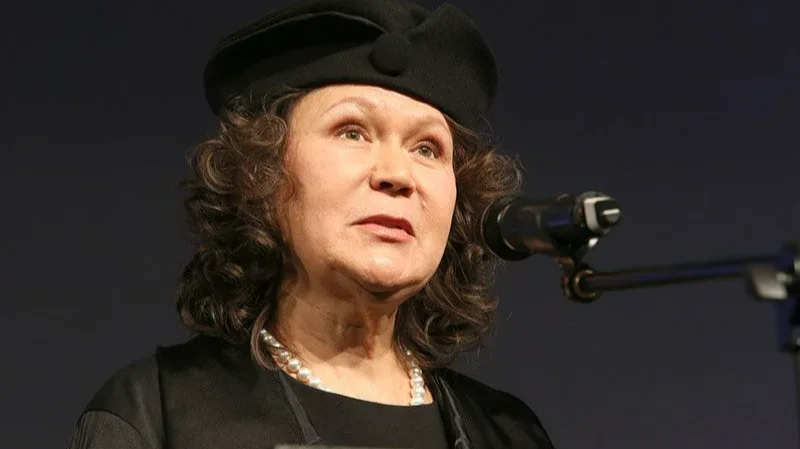
In March 2021 the Russian State Duma adopted amendments to the Constitution of the Russian Federation that, among all, allowed Vladimir Putin to ‘zero out’ the number of his presidential terms thereby allowing him to run for the presidency in two more elections and thus to potentially stay in power until 2036 (the Russian legislation states that a Russian citizen may only hold the presidency for two terms — translator’s note).
Taliya Khabrieva was one of the three co-chairs of the working group on the preparation of the amendments to the Constitution. Back in February 2020, Khabrieva assured everyone that resetting Putin’s terms to zero was “not under discussion.” But actually, at the moment Khabrieva already had some experience in testing out the “zeroing out” mechanism: she had worked out this maneuver on the chairman of the Higher Attestation Commission (Higher Attestation Commission is a national government agency in Russia and some other post-Soviet states that oversees awarding of advanced academic degrees — translator’s note), Vladimir Filippov.
This mechanism has been described in detail in the publication of Novaya Gazeta “The Constitutionalist and the Guinea Pig” republished also on the site of Dissernet — the volunteer community network whose aim is to expose falsifiers and liars in Russian science. On Sunday, 7 August, the administrators of both Novaya Gazeta and Dissernet websites received requests from a Russian regulator to remove the publication under the threat of blocking the site. Now the text of the article is only available on Web Archive. Such thoroughness on a random Sunday implies that for Taliya Khabrieva these memories are not the most pleasant and certainly not the most comfortable ones.
We publish a detailed story about the prominent scientist who developed and empirically tested the “zeroing out” technique.
The impression was that Chertkov might have been the “ghost writer” for the compilation of Sobyanin’s dissertation.
Now we know that the “European home” means much more for Khabrieva than for Russian oppositionists who have been imprisoned or forced to emigrate.
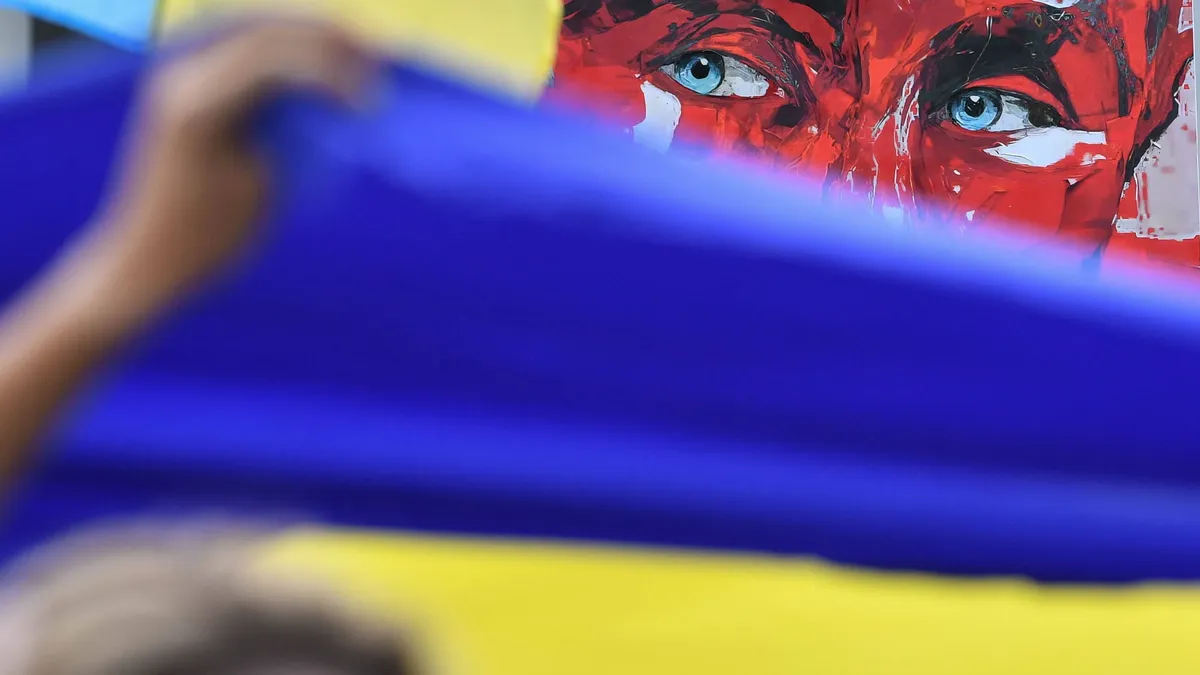
My enemy’s enemy
How Ukrainians and Russia’s ethnic minority groups are making common cause in opposing Russian imperialism
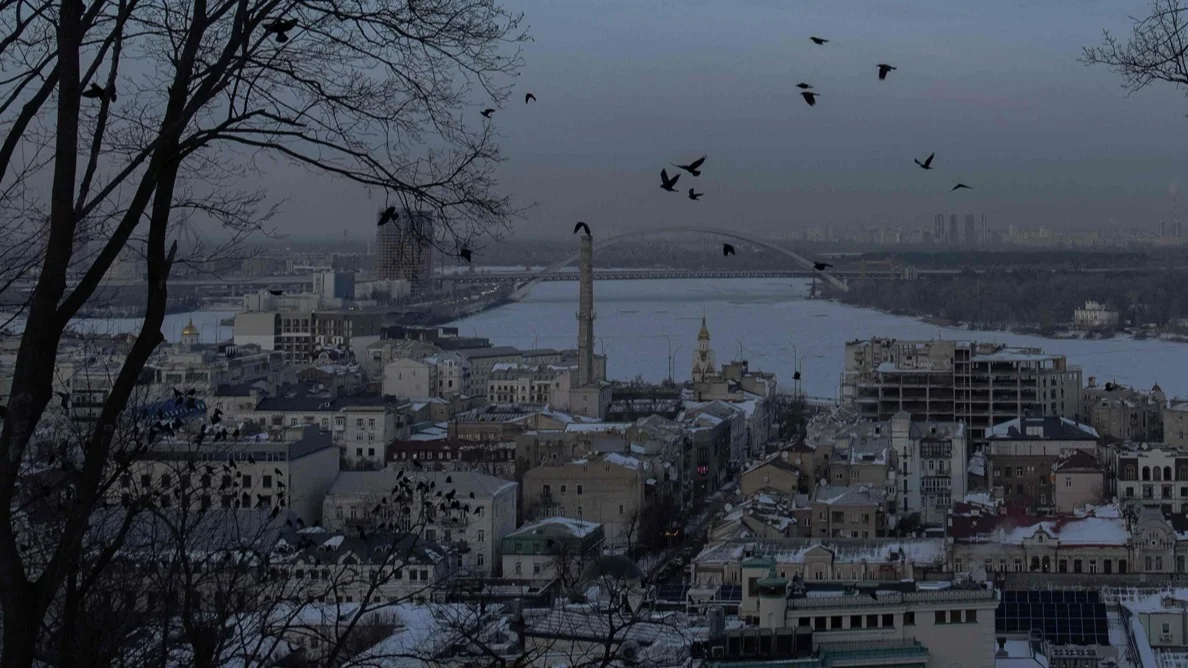
Cold case
The Ukrainian Holocaust survivor who froze to death at home in Kyiv amid power cuts in the depths of winter
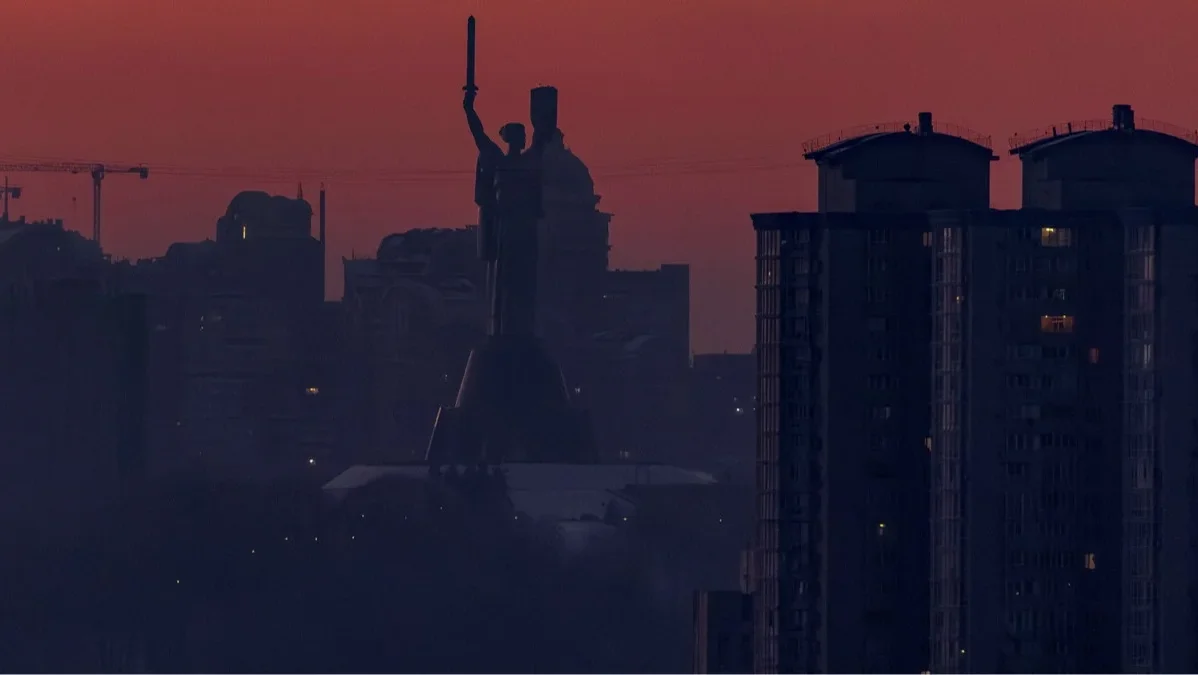
Cold war
Kyiv residents are enduring days without power as Russian attacks and freezing winter temperatures put their lives at risk
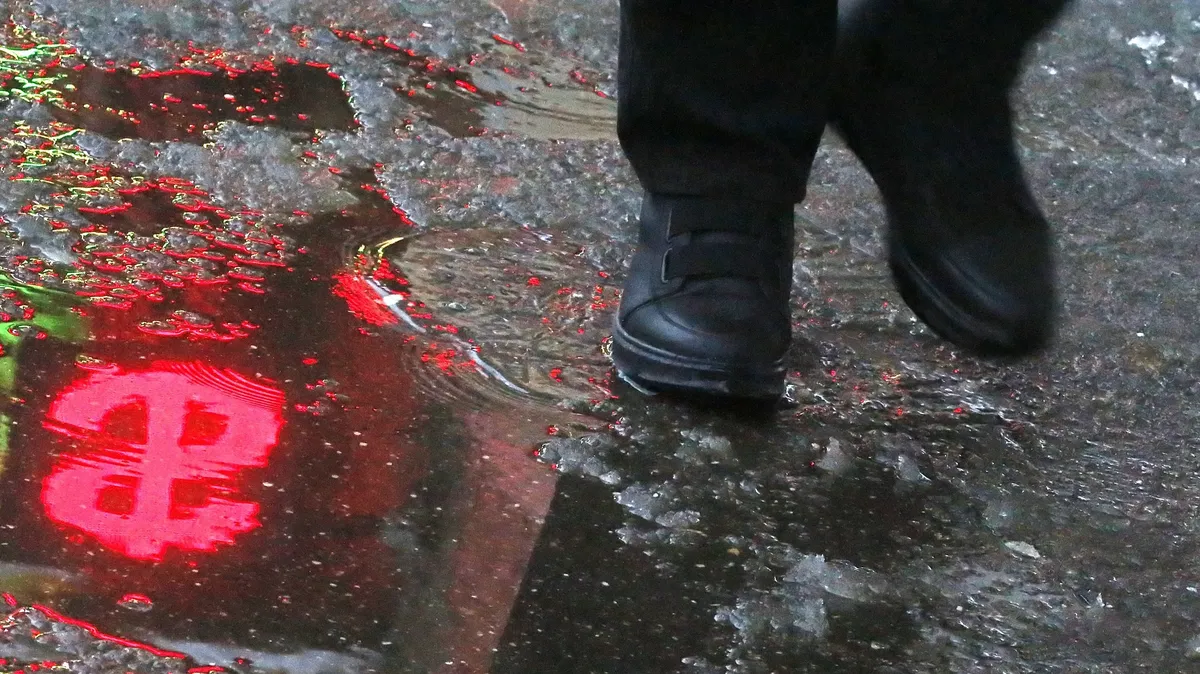
Scraping the barrel
The Kremlin is facing a massive budget deficit due to the low cost of Russian crude oil
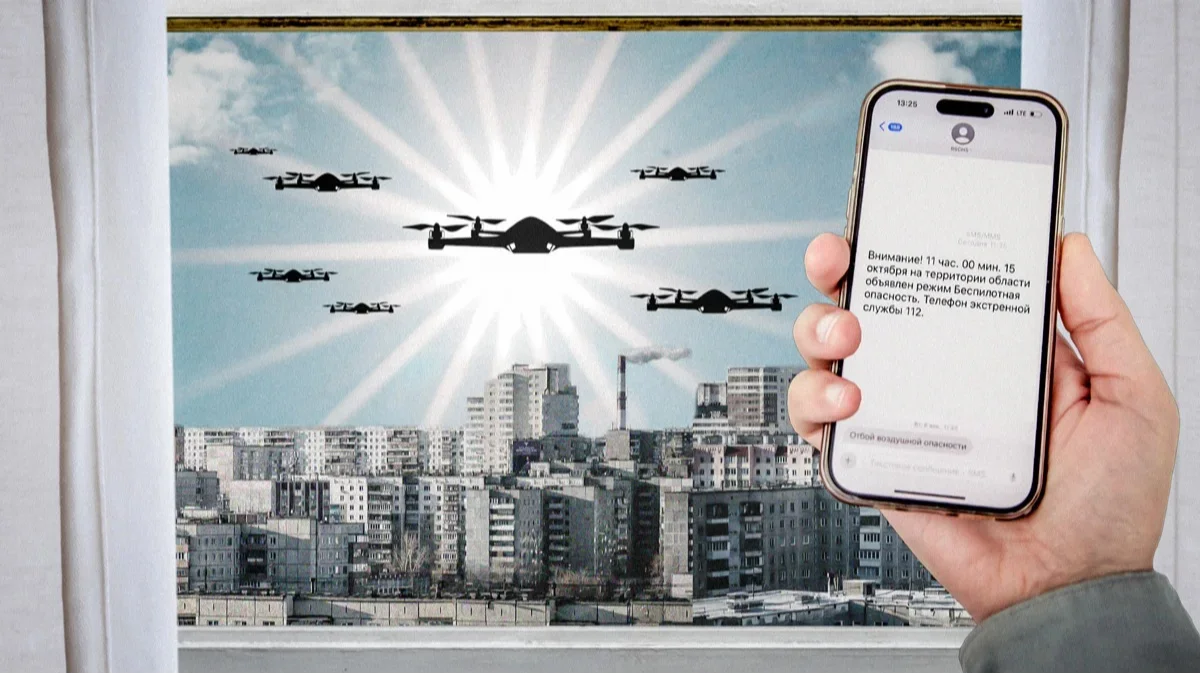
Beyond the Urals
How the authorities in Chelyabinsk are floundering as the war in Ukraine draws ever closer
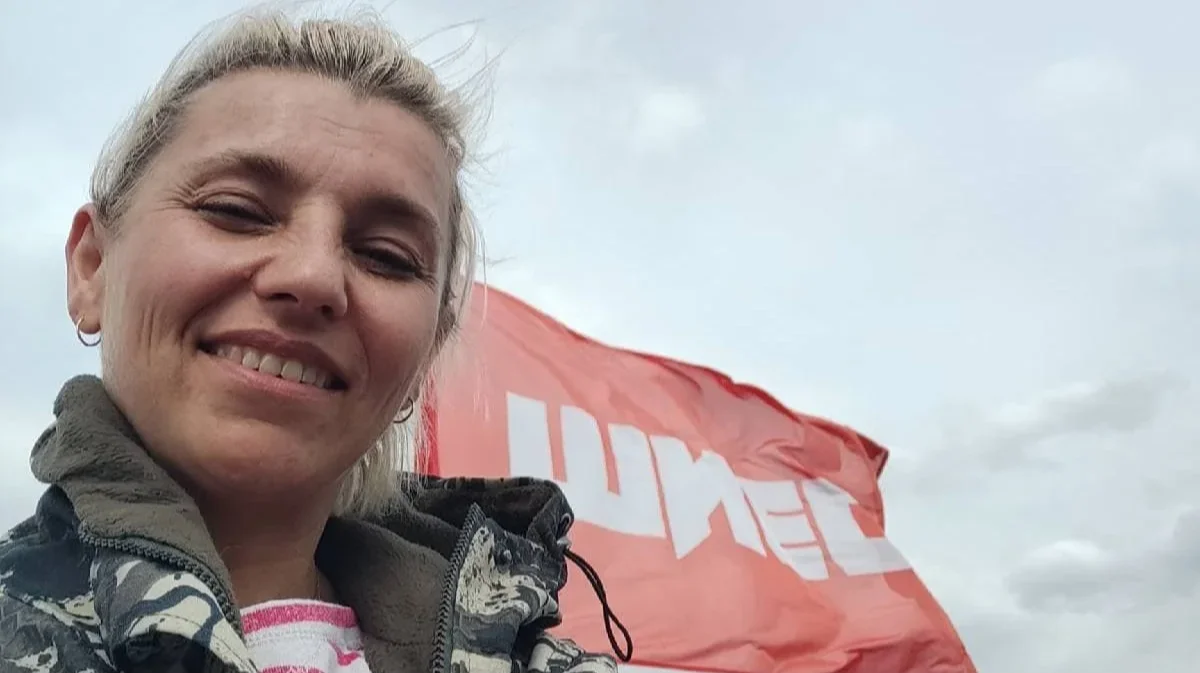
Family feud
Could Anna Stepanova’s anti-war activism see her property in Russia be confiscated and handed to her pro-Putin cousin?
Cries for help
How a Kazakh psychologist inadvertently launched a new social model built on women supporting women
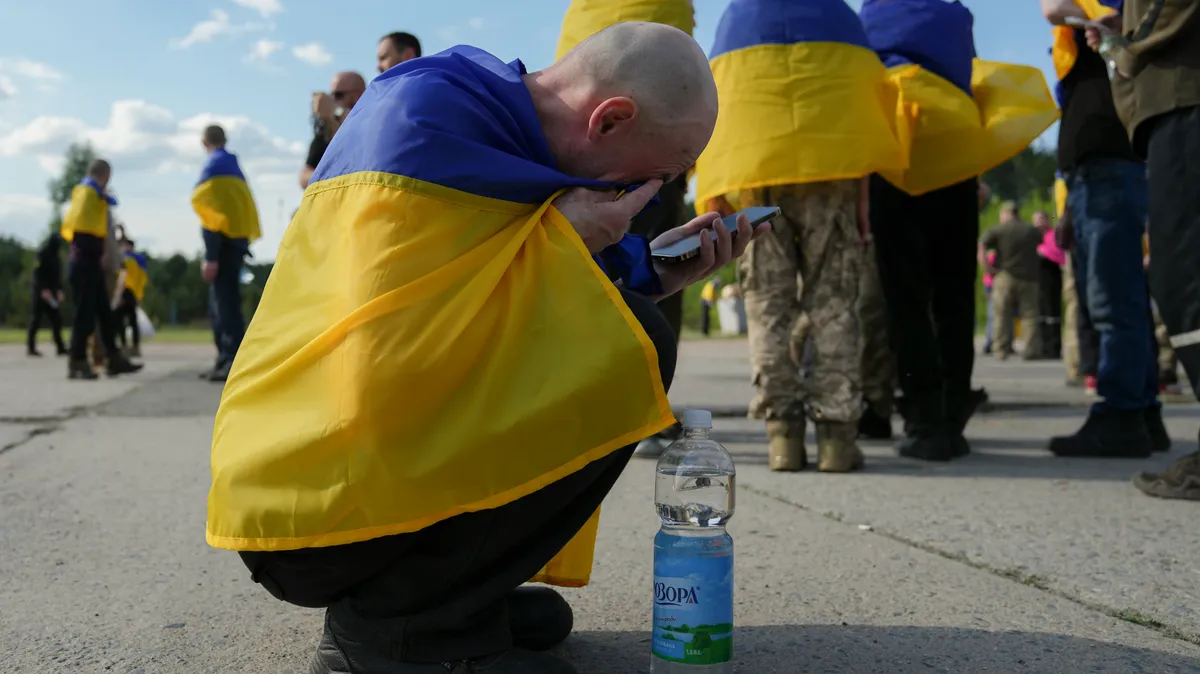
Deliverance
How one Ukrainian soldier is finally free after spending six-and-a-half years as a Russian prisoner of war
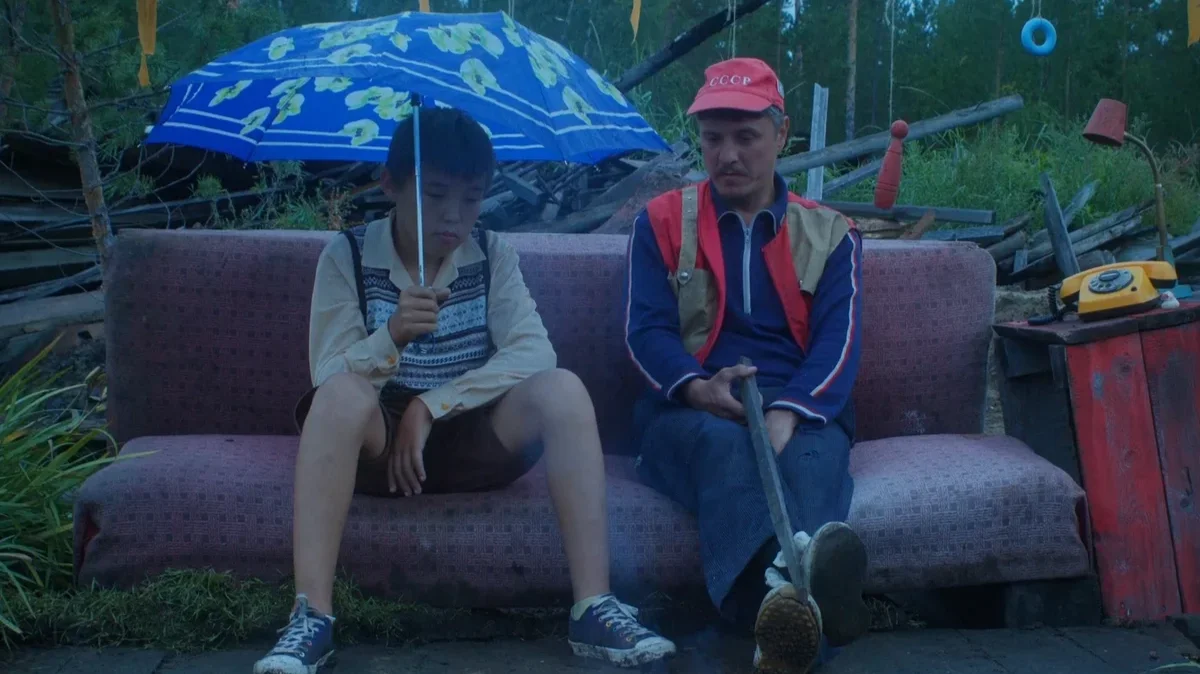
Watch your steppe
Five new films worth searching out from Russia’s regions and republics