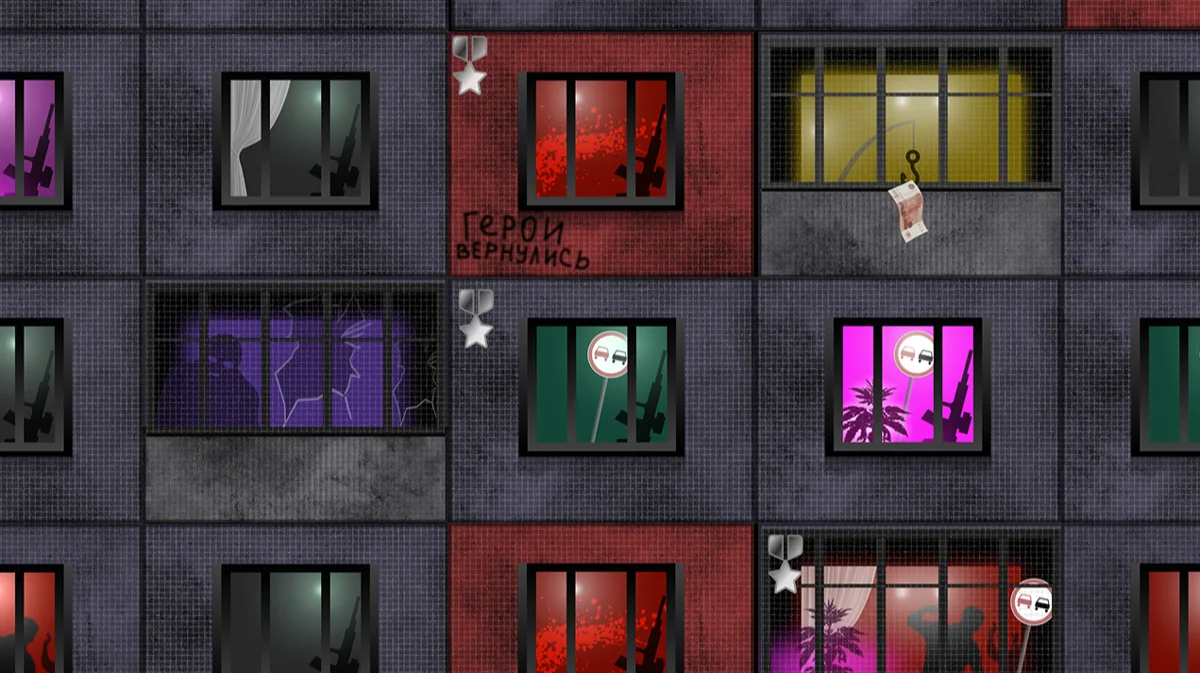
A portrait of a Shahed in the sky of Ukraine
The Russian army’s Iranian drones are terrorist weapons that should be banned by the UN
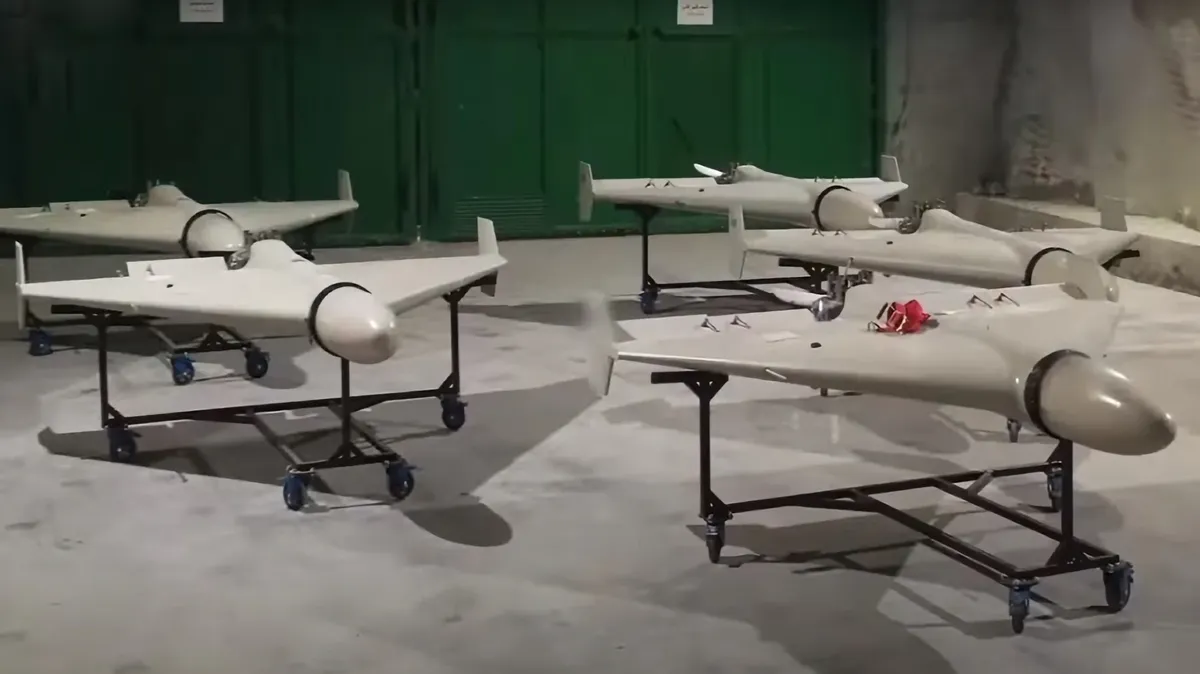
It’s worth remembering that the Shahed is assembled like a Lego set — that is, there could be something missing in the initial configuration, but if you really needed something, you could add it in later.
So, the Shahed-136 knows how to fly long distances in swarms according to inaccurate GPS signals and hits where it can. What else can it do? In short, nothing.
In Odesa, the Shaheds have been a veritable terror, knocking out all the warehouses along the sea.
it’s a weapon for mass terrorist acts against civilians. It’s a deaf, dumb, blind — and airborne — suicide belt.
The Shahed-136 is a superbly successful and super-efficient design in its class — a class of terrorist weapons industrially built for the deliberate purpose of attacking civilians.
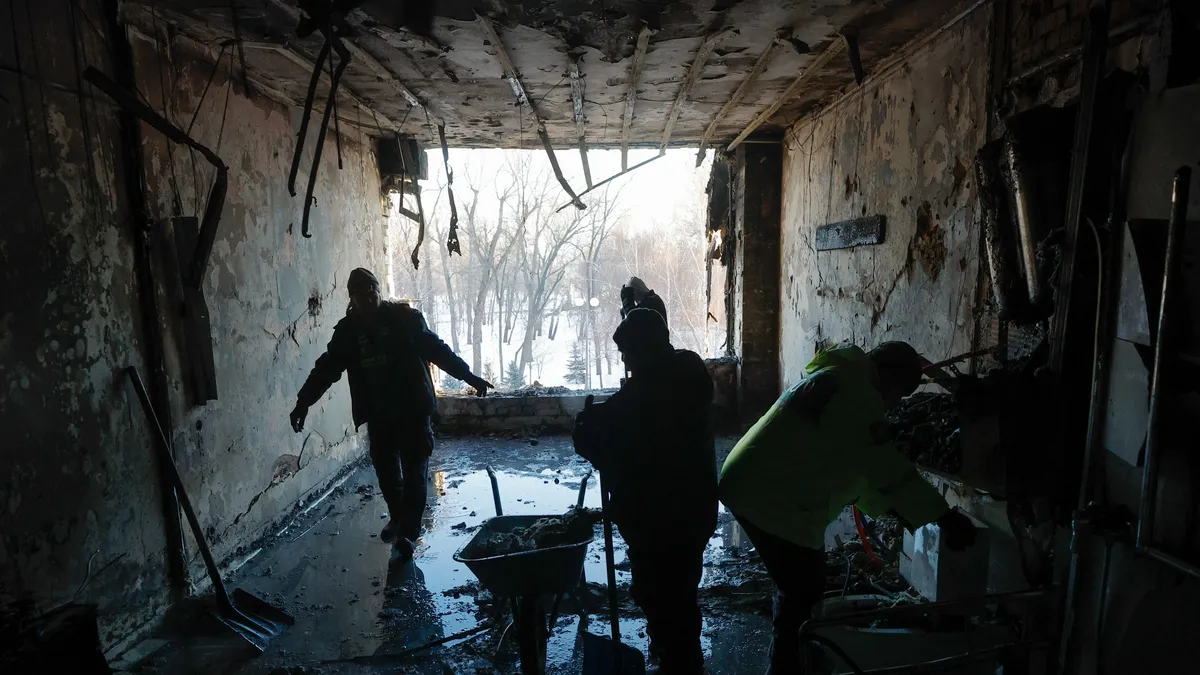
Russia’s drone pipeline
How Iran helps Moscow produce an ever-evolving unmanned fleet for use against Ukrainian civilians

Alone, together
While Volodymyr Zelensky appears upbeat about US security guarantees, Davos only demonstrated Trump’s unreliability
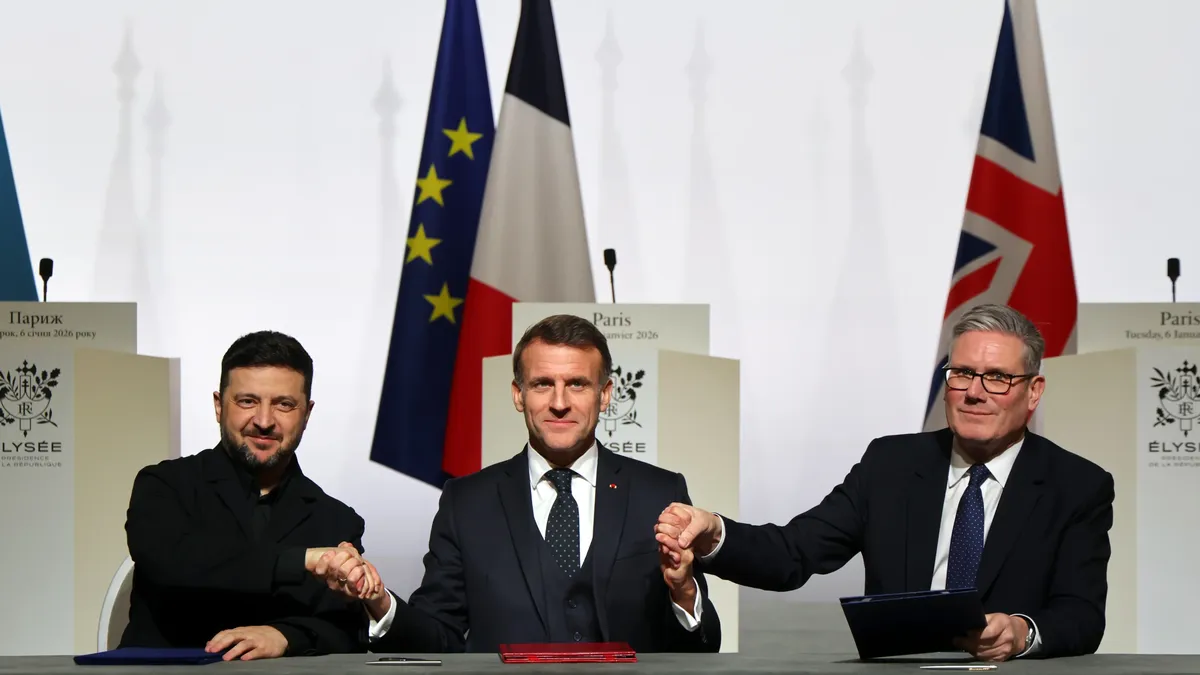
Neighbourhood watch
With NATO and the EU unsuited to meet Europe’s evolving security needs, it’s time to formalise the coalition of the willing

Going to cede
Restitution of lost territory can take decades and is only realistic in certain geopolitical circumstances

The race for the Arctic
Trump’s outlandish threats to seize Greenland risk ushering in a new world order based on spheres of domination
A grave miscalculation
Putin’s attempt to re-enact World War II in Ukraine has gone horribly wrong
A frozen war is not peace
Why a premature peace deal in Ukraine could just be kicking the can of Russian revanchism down the road

Just 10% from peace
Novaya Gazeta Europe’s Kyiv correspondent reflects on another year of war and muses on what 2026 may bring

The year that could be
Even without cause for optimism about the state of the world, we mustn’t allow hope to die