Freedom. Bread. Water. Candles
A photo story from the liberated city of Kherson
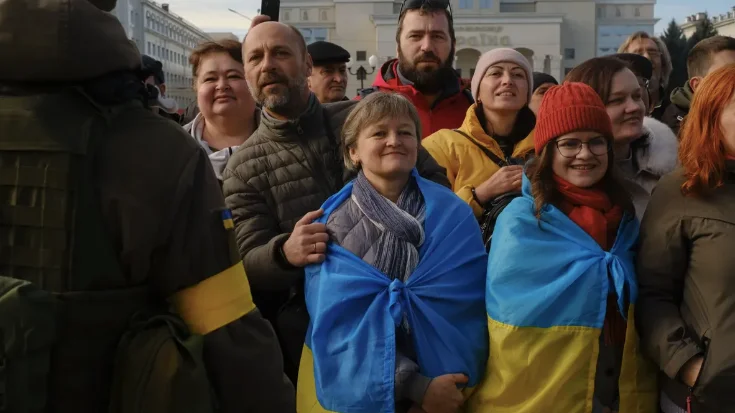
There are so many flags in here. It looks like the city’s residents have been keeping those at home during the occupation and took them out to the streets again now. It’s difficult to forget how many locals, carrying nothing but blue and yellow flags and posters reading “Kherson is Ukraine” used to bar the road for Russia’s tanks during the early weeks of the invasion, chanting “Go home!” Those who have now fled to the east bank of the Dnipro must have remembered that “warm welcome”, too.
There are so many tears here. People hug Ukrainian servicemen, kiss them, and try to toss them in the air. The soldiers are asked to sign flags, jacket sleeves, or pieces of paper. Those who have their phone batteries charged are the lucky ones, they take selfies with the combatants. I arrived in Kherson the same day President Zelensky did. His arrival brought network connection into the city back again, as well as the Internet via Starlink satellites and a charging station: what a miracle it was for this place! “It feels so unusual to speak over the phone,” someone says in the crowd. The people here are thirsty for news, and they learn it longingly.
There are many children here. Some are very small: their parents brought them here as if it was a holiday celebration, although the liberation of a Ukrainian city is bigger than any festivity. Others are teenagers who have matured so much as if eight and a half months of horror were actually long years. They volunteer to unload a 20-tonne truck with humanitarian aid, and then they beg the servicemen for sleeve patches like little kids: each boy living in a liberated settlement has his own collection of those “for the history”.
It’s challenging for volunteers to reach the city so far as the road checkpoints still have strict access mode, the mopping-up operation is still on. This is why each vehicle that manages to pass through the checkpoints gets a welcome as warm as the military men do here in Kherson’s central square. Bread, drinking water, candles and diapers are in highest demand.
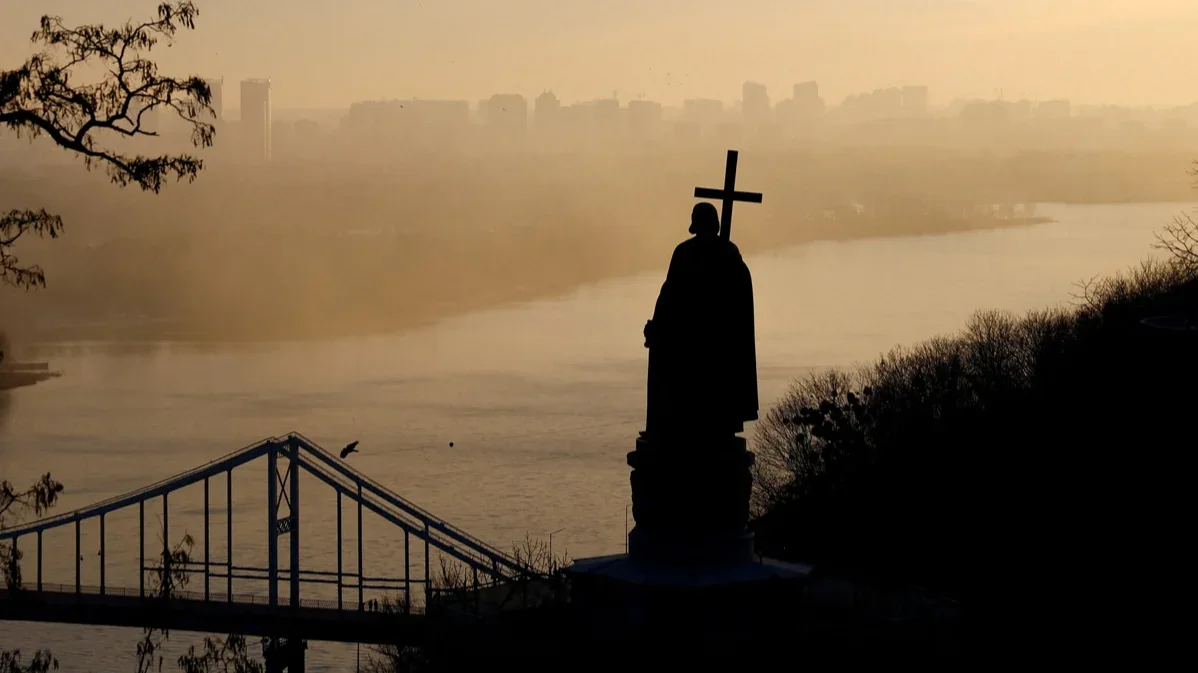
Miracle season
As the new year began, Russia launched its first attack of 2025 on Ukrainian cities
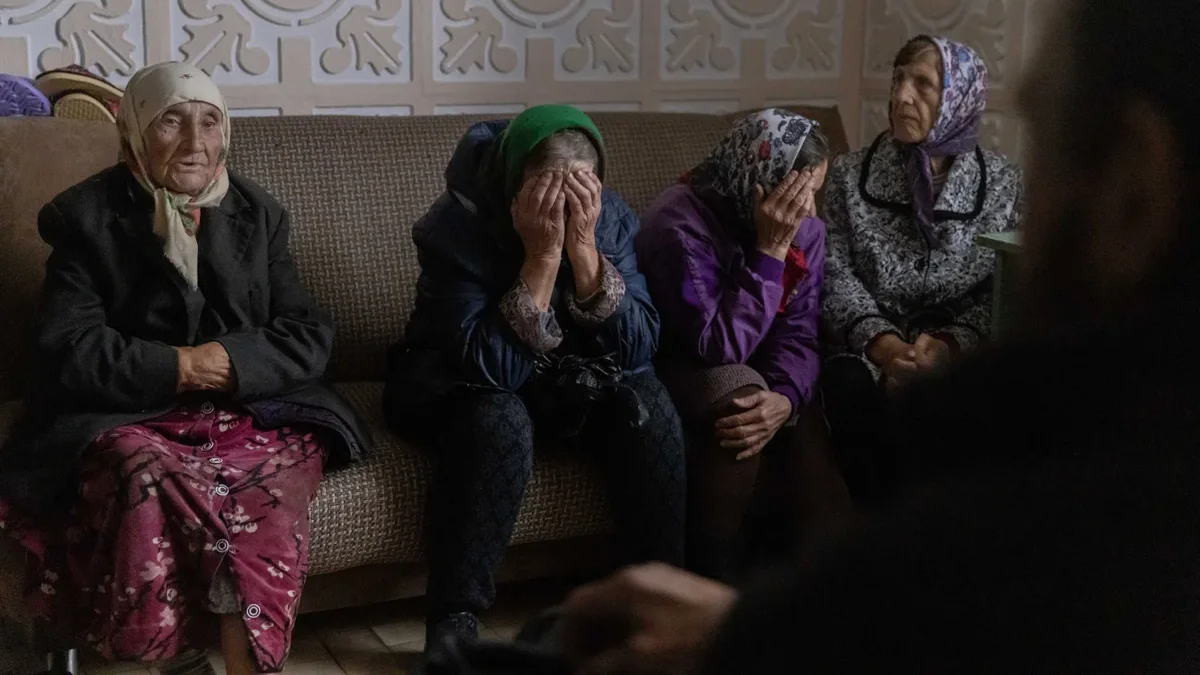
Still here
Russians trapped in Ukrainian-occupied Sudzha are making short videos for their families to let them know they’re alive
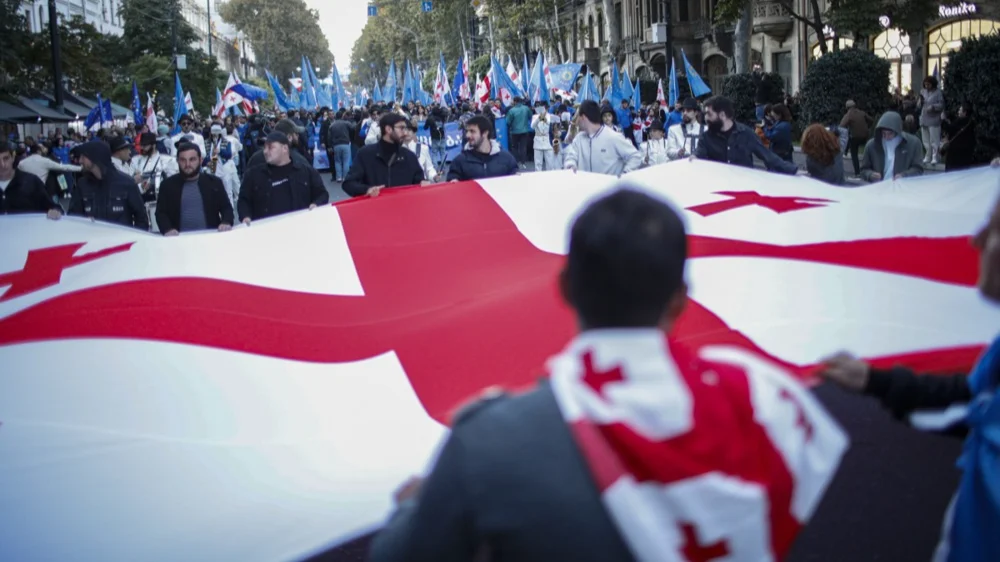
Recurring dream
Georgians face risk of a rigged election as the country’s ruling party seeks to hold onto power indefinitely
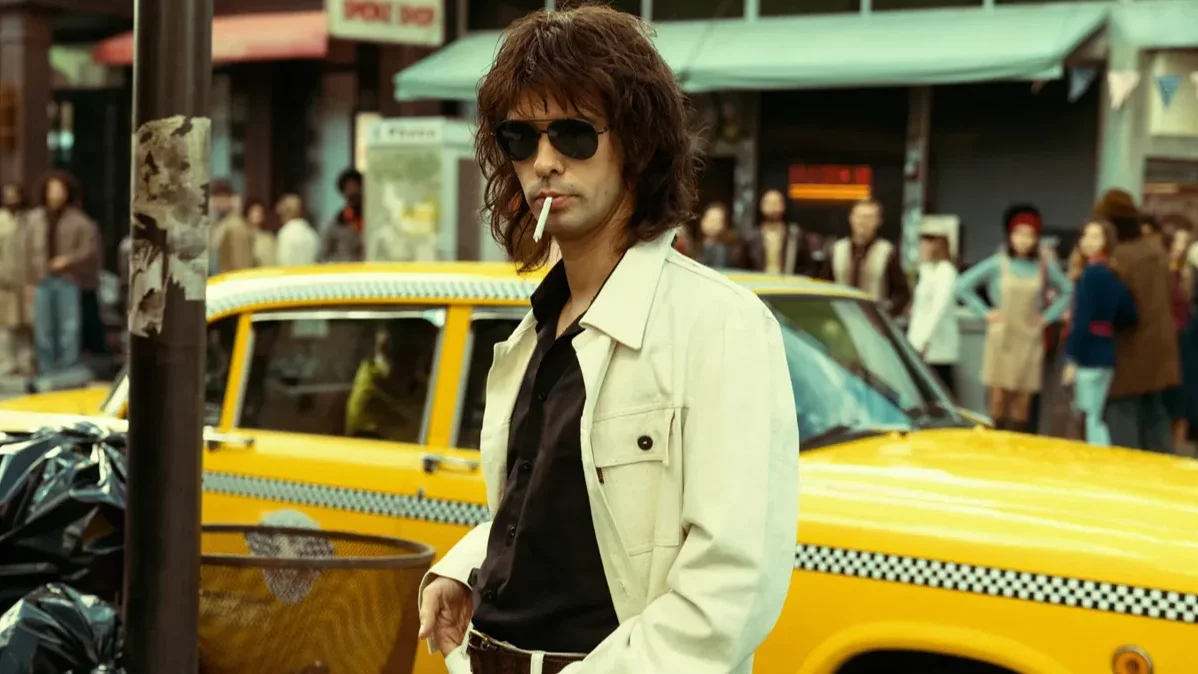
Cannes grenade
An array of cult figures meet in Kirill Serebrennikov’s new film about Russia’s original enfant terrible
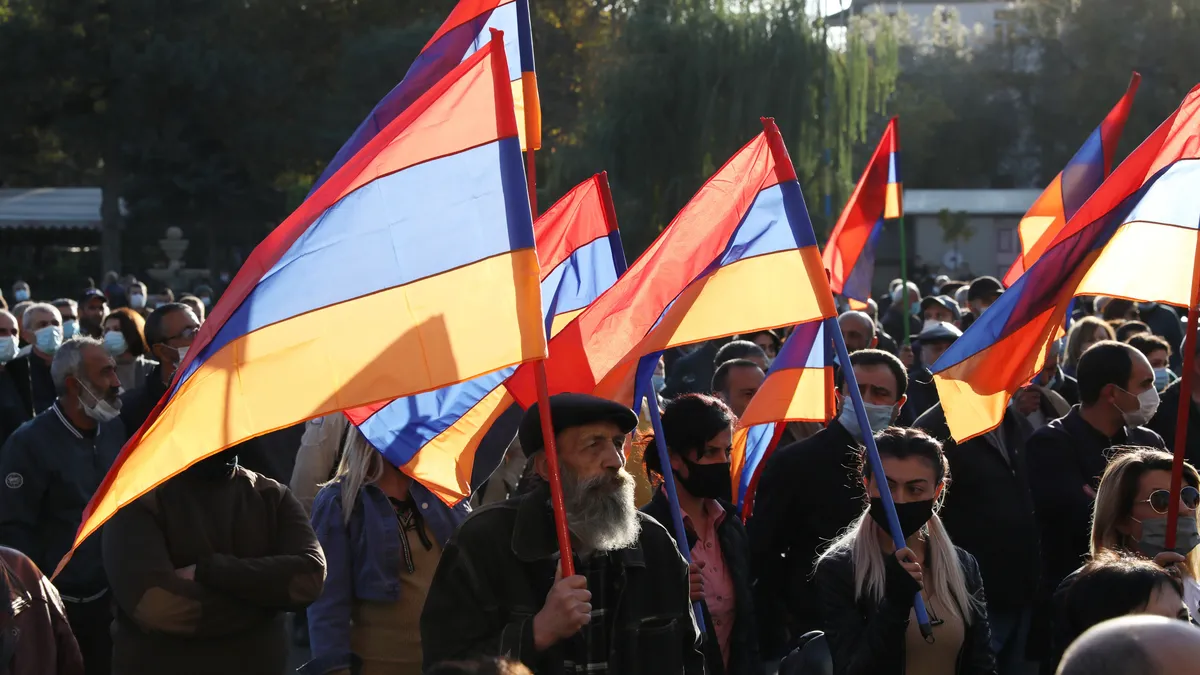
Leaving Russian orbit
After losing Nagorno-Karabakh, Armenia is struggling to make new allies as it attempts to pivot away from Russia
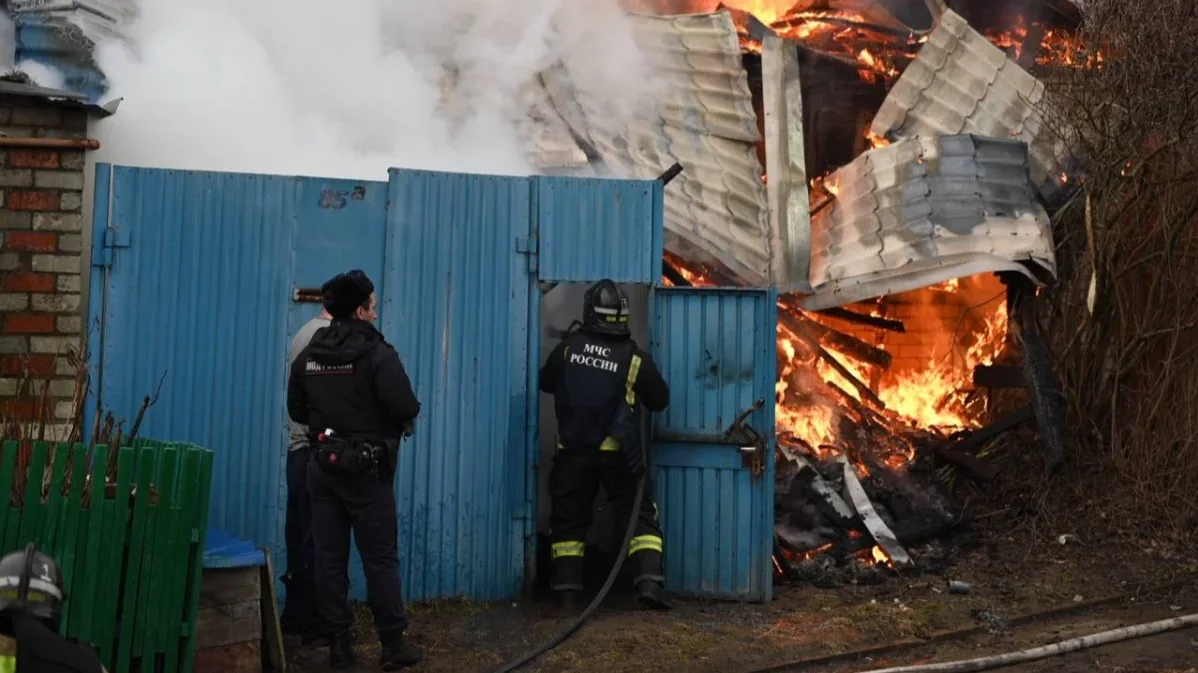
Abandoned by Putin
Why Belgorod residents enduring Ukrainian missile strikes feel Russia has turned its back on them
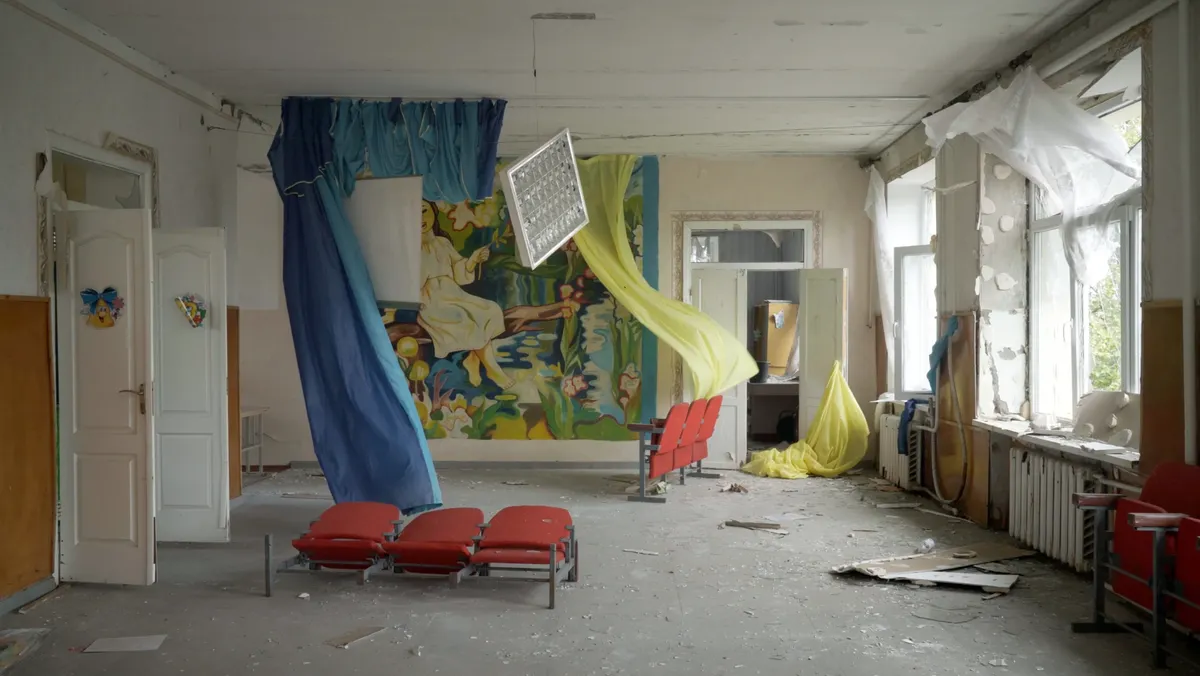
The Big Terrible Thing
The war unsurprisingly looms large in three new Ukrainian films at this year’s Berlin Film Festival
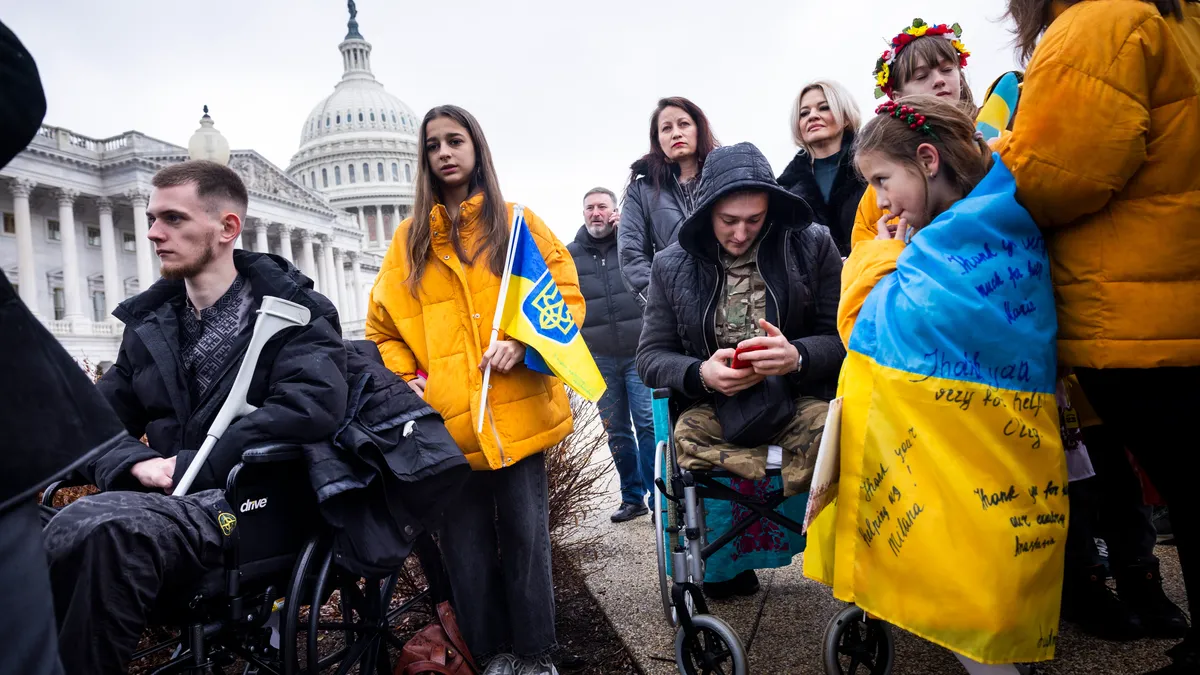
‘Barely making ends meet’
The ending of benefits for newly arrived Ukrainian refugees in the US complicates an already precarious situation for many
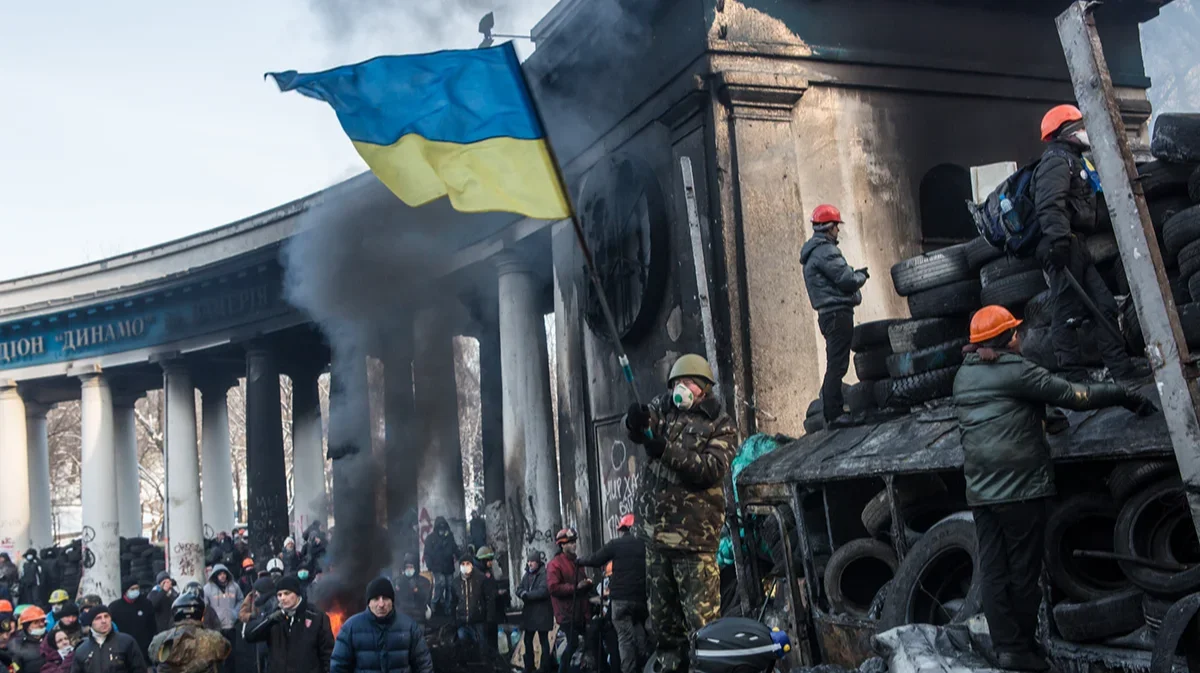
Ukraine marks 10th anniversary of Maidan Uprising
Looking back at the Revolution of Dignity