Moscow drone attack: what weapons were used and what were they targeting?
The recent drone attack was meant to wreak havoc among the Russian elites, experts say
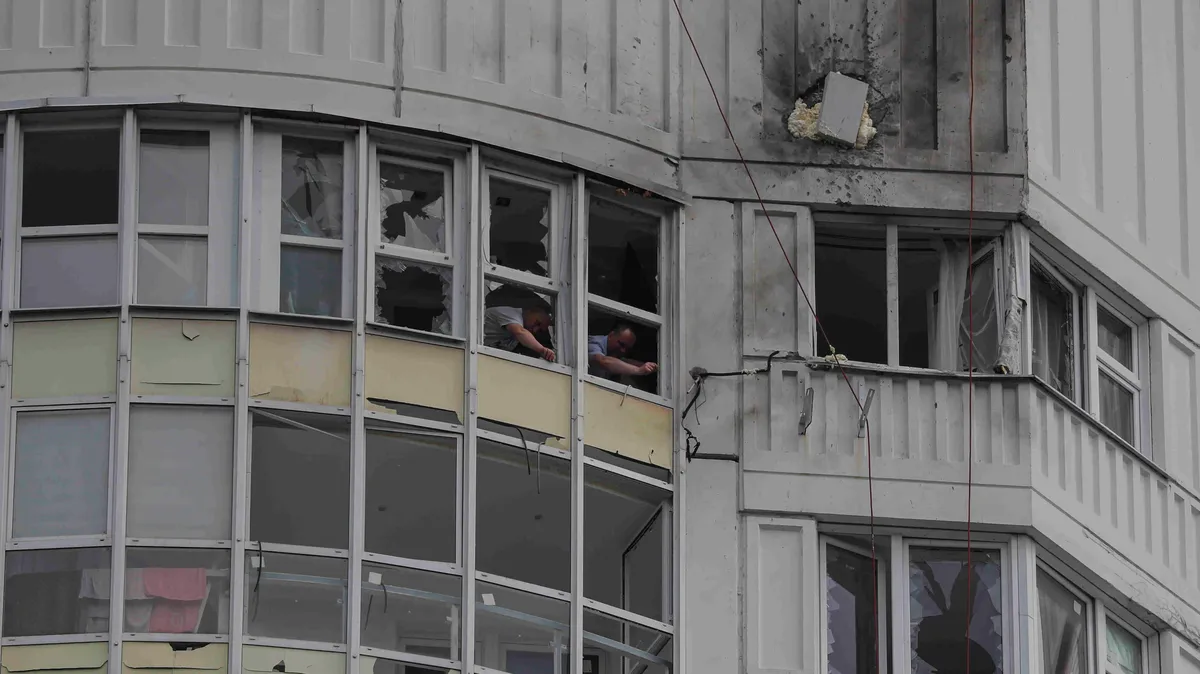
A mass-scale drone attack was reported in Moscow and the Moscow region on 30 May. Three drones crashed into high-rise residential buildings in Moscow and its outskirts. Georgy Aleksandrov spoke with experts to make sense of what happened, what weapons were used, and what the main goals of the attack may be.
The second drone broke a window of a 16-storey building in southwest Moscow. The drone carried a KZ-6 demolition charge that did not go off. This type of charge can blast through walls and floor slabs made of steel and reinforced concrete.
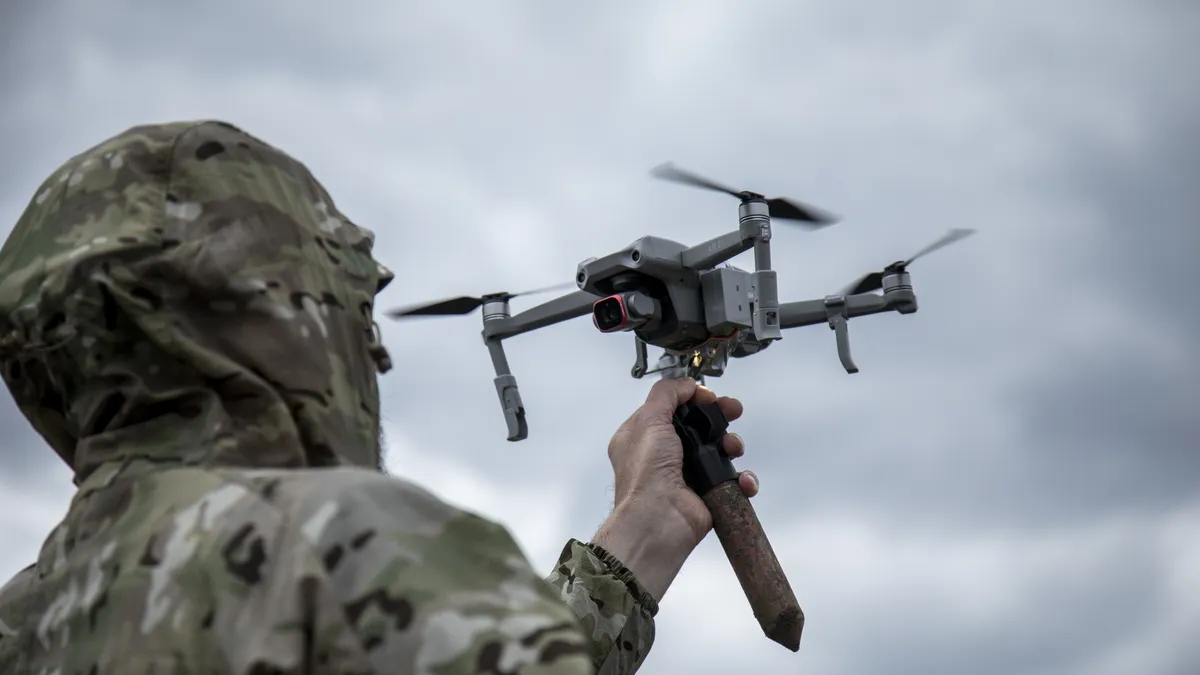
“Despite reaching a relatively low speed of 100-150 km/h, they can evade radars and bypass the areas where Russian air defence systems are active,”
“We don’t know how this drone managed to breach all our defence lines. This territory is protected on the same level as the Moscow Kremlin.”
Russia’s drone pipeline
How Iran helps Moscow produce an ever-evolving unmanned fleet for use against Ukrainian civilians

Alone, together
While Volodymyr Zelensky appears upbeat about US security guarantees, Davos only demonstrated Trump’s unreliability
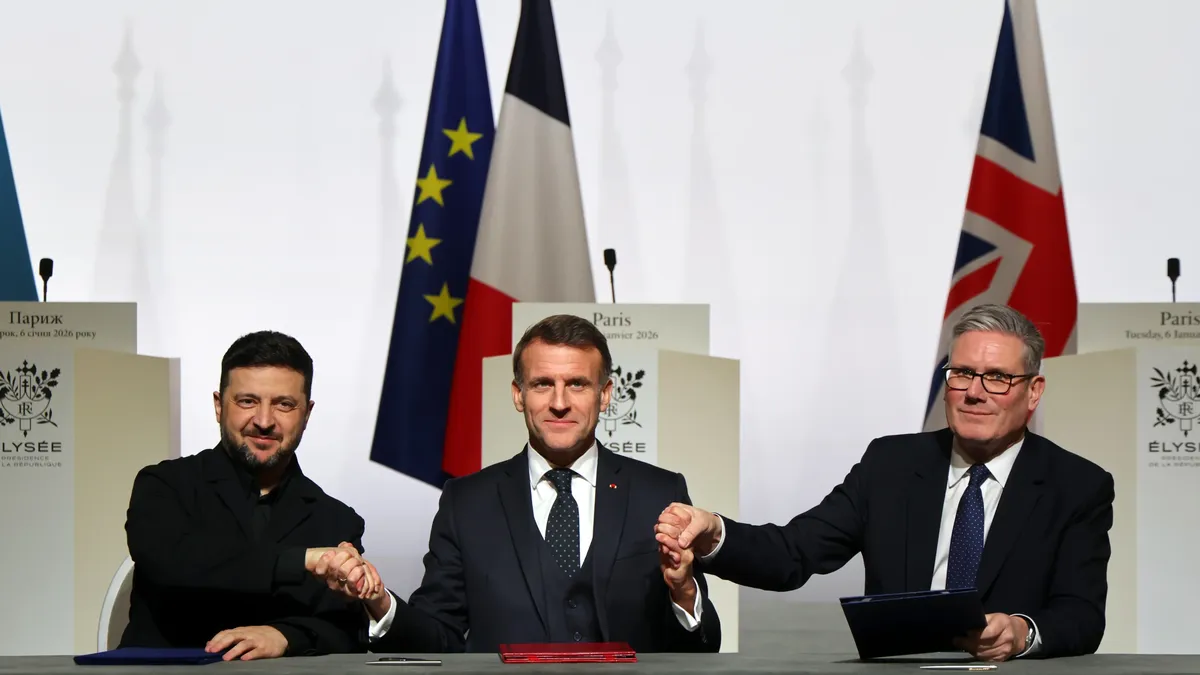
Neighbourhood watch
With NATO and the EU unsuited to meet Europe’s evolving security needs, it’s time to formalise the coalition of the willing

Going to cede
Restitution of lost territory can take decades and is only realistic in certain geopolitical circumstances

The race for the Arctic
Trump’s outlandish threats to seize Greenland risk ushering in a new world order based on spheres of domination
A grave miscalculation
Putin’s attempt to re-enact World War II in Ukraine has gone horribly wrong
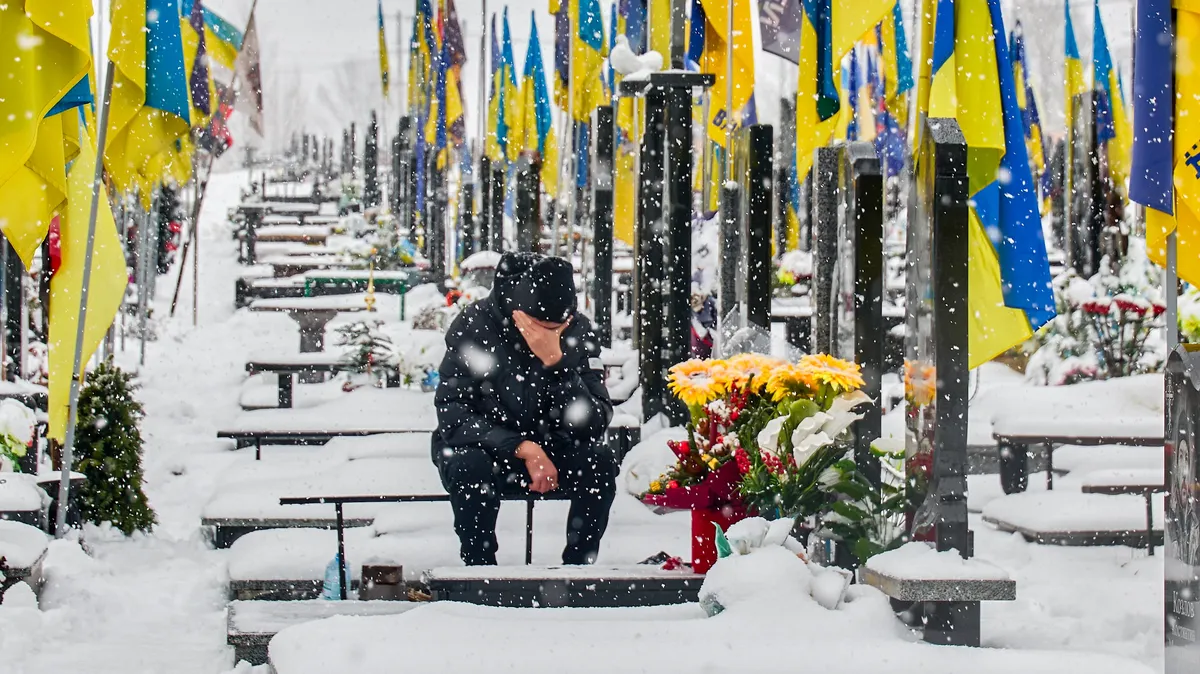
A frozen war is not peace
Why a premature peace deal in Ukraine could just be kicking the can of Russian revanchism down the road

Just 10% from peace
Novaya Gazeta Europe’s Kyiv correspondent reflects on another year of war and muses on what 2026 may bring
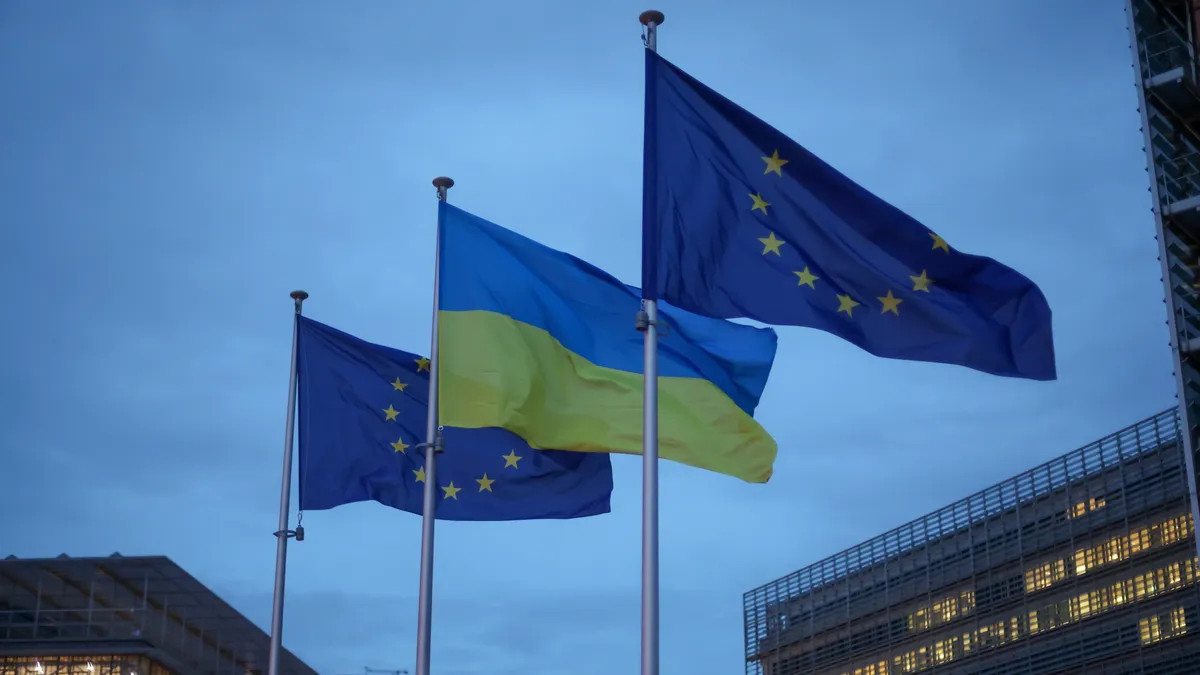
The year that could be
Even without cause for optimism about the state of the world, we mustn’t allow hope to die