While the war in Ukraine has plunged most Russian charities into a profound crisis, non-profits working to support Russian servicemen have seen their donations skyrocket, bringing in roughly €1.1 billion last year, a jump of 28%. As more and more non-profits are set up each week, even charities founded to care for sick children now find themselves entering the Z-charity fray.

After mobilisation was declared in Russia last year, the number of social media posts aimed at raising funds for servicemen jumped enormously on VK, the country's biggest social media platform. While there had been around 6,000 posts per month early on in the war, that number shot up by 300% in September 2022 and never returned to its previous levels.

In an investigation of Russia’s charity sector, Novaya-Europe has identified 416 organisations that collected money for Russian servicemen on VK, one in six of which was only established after Russia launched its full-scale invasion of Ukraine in February last year.

The number of Russian non-profits with names that suggest a connection to military and so-called “patriotic” activities also keeps growing, with 505 new entities being registered in the first half of 2023, a 34% increase on the previous year.

As many of these non-profits were registered only after mobilisation was declared in September 2022, no financial data on their activities is available yet. However, donations to military non-profits grew in 2022 even without taking the newcomers into account. There are over 3,000 such organisations registered by Russia’s Justice Ministry, which collectively raised donations worth 113 billion rubles (€1.1 billion) in 2022, a year-on-year rise of 28%. Donations to non-profits working with veterans showed a rise of twice that amount, bringing in 56% more in contributions than they did in 2021.

Our methodology
We searched VK for pro-war hashtags and narrowed those down to posts in which bank details for donations were shared. Then we filtered the posts by keywords, such as “special military operation”, “frontline”, “serviceman”, “fighter”, “combat”, “mobilise”, “humanitarian”, and “donation”. In 276,000 of those posts, we found data on 416 organisations, of which 256 had publicly available financial reports.


We also calculated the number of military-related non-profit organisations. To do so, we searched through the Ministry of Justice register, using keywords such as “serviceman”, “veteran”, “combat”, “soldier,” “patriot,” and “defender”.
However, the fundraising success enjoyed by these self-styled military non-profits hasn’t been shared by other well-established Russian charities. Sofya Zhukova, the director of the Russian charity Help Needed, has revealed that some 80% of Russian charities were forced to scale down their activities in 2022. The withdrawal of Visa and MasterCard from Russia also contributed to a sharp decline in individual donations, with business donations also falling from late last year. The entire sector has been focused on getting donations back to their prewar level since then.

According to the charitable project Benchmarking, only human rights non-profits in Russia were able to end the year in the black, despite their annual donations being at the lowest level ever recorded.

Delayed air support
читайте также

Delayed air support

Ukraine is unlikely to get Western jets before next spring

Who collected the most money

Organisations working on a national level in Russia collected the largest proportion of donations in 2022, while fundraising campaigns in Russia’s regions were responsible for around a quarter of funds raised, our investigation found.

Some charities changed their focus to supporting the Russian military despite having no past experience in the sector. For instance, the Live and Believe foundation used to buy medicine and other necessary medical equipment for seriously ill children and provided psychological counselling for their families. In 2022, however, it began aiding servicemen and civilians in the occupied Donetsk and Luhansk regions of eastern Ukraine. Visitors to the charity’s website are only offered the opportunity to donate money to buy sleeping bags for Russian servicemen. However, this tactic does appear to have been a success as the foundation saw a 327-fold increase in donations during 2022, raising a total of 1.2 billion rubles (€11.7 million).

Since October 2022, Russia’s regional administrations have been allowed to purchase items for the military directly, circumventing the Defence Ministry budget.

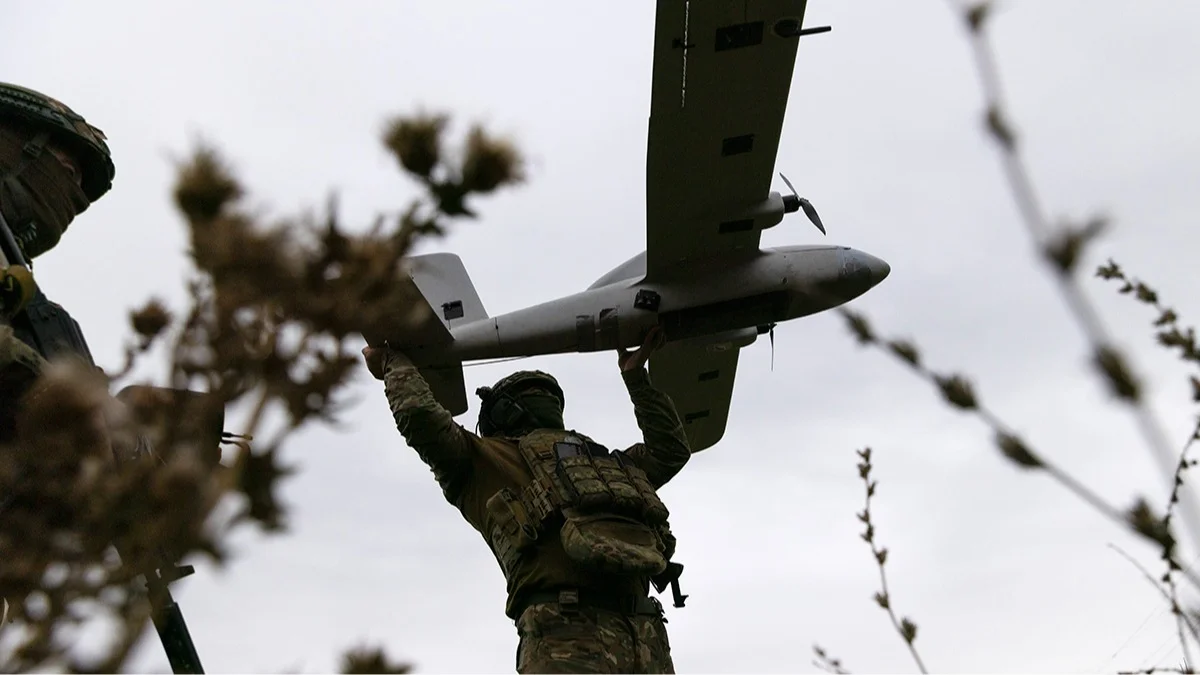
Items they can supply include dual-use goods, drones, night vision devices, binoculars, and gun sights. Prior to that, money from regional budgets could not be used to supply servicemen, a rule that saw charitable foundations become a convenient workaround.

Ilya Shumanov, the Executive Director at Transparency International Russia, notes working through charitable funds is both opaque and makes it easier for the state to raise and spend money, avoiding the legal requirement to put procurement contracts out to tender.

One in five non-profits Novaya-Europe identified on VK listed the bank account details of individuals for the collection of donations, which is not only legal, but there is no requirement for charities to declare such donations, creating an easy opportunity for embezzlement.

About a quarter of the fundraising posts we identified on VK were made by state institutions, including local and regional authorities, kindergartens, and other state-funded organisations.

However, social media is not the only method Russian charities use to raise funds for military procurement. In 2022, the Presidential Grants Fund, which allocates money from the federal budget to competing non-profit organisations, allocated 800 million rubles (€7.8 million, or 5% of its grant budget) to projects related to military personnel, draftees, and their families, our investigation found.

Our methodology
We collected data on winners of the presidential competition in 2022 and 2023, only picking the bids filed after Russia’s invasion of Ukraine had started. Of those projects, we chose those that listed servicemen, draftees, special military operation veterans or their families as their target group.

The projects that were awarded federal funding were for schemes that included producing clothes for servicemen, setting up hotlines providing legal and psychological assistance to military families, and organising activities for the children of servicemen. In January, the equivalent of just €3 million was granted to military projects, however, before payouts more than halved again in June, with just 66 military-related projects being issued with funds totalling €1.3 million in a second release of federal funds.

Shumanov believes the dwindling funding is a “clear signal” that the Russian state believes supporting such projects is excessive. “They think these foundations should focus solely on fundraising. That would be the appropriate communication model for them as the state is already involved anyway.”

Not only has the Russian state managed to successfully bring a once independent charity sector to heel, it also appears to have harnessed much of that sector’s fundraising potential to finance its war in Ukraine, leaving many non-profits in the country struggling to survive.

Поделиться
Темы
Больше сюжетов
Больше четырех тысяч аварий произошли на российских энергообъектах в 2025 году

Больше четырех тысяч аварий произошли на российских энергообъектах в 2025 году

Причина каждого десятого отключения света – атака ВСУ, остальные – износ инфраструктуры. На ремонт денег нет
Плетут Путину — 3

Плетут Путину — 3

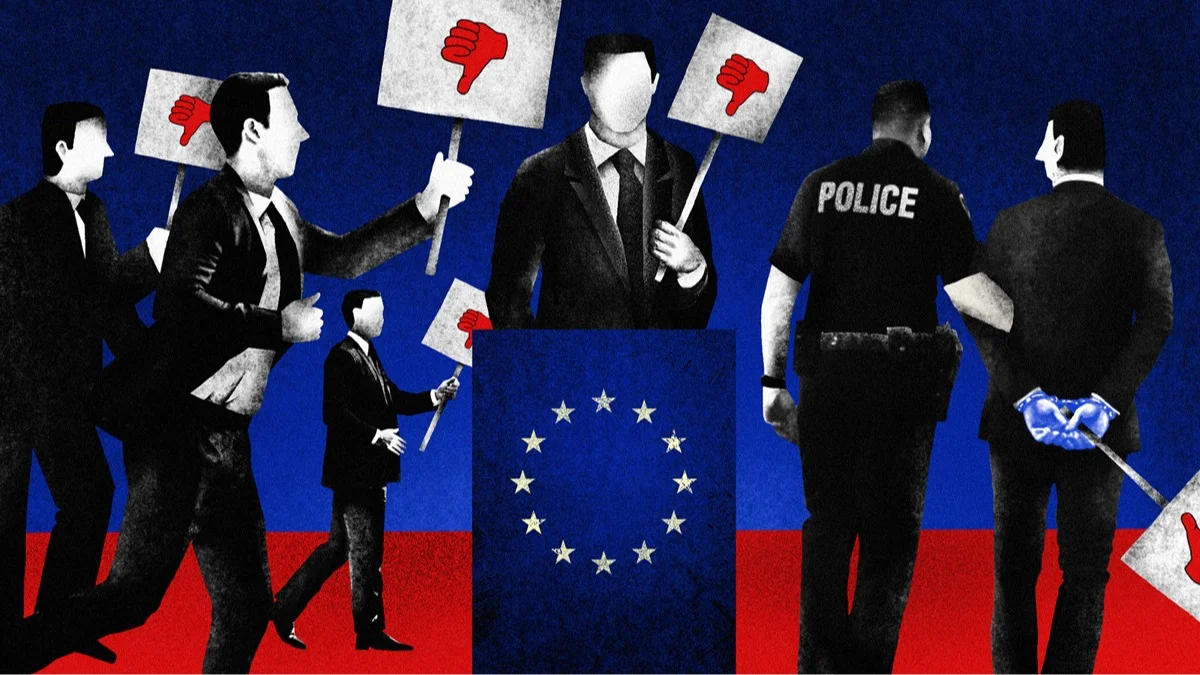
В новом созыве Европарламента стало больше депутатов, голосующих так, как выгодно Кремлю. Но этого всё еще не достаточно, чтобы изменить отношение ЕС к войне в Украине
Первая гибридная

Первая гибридная

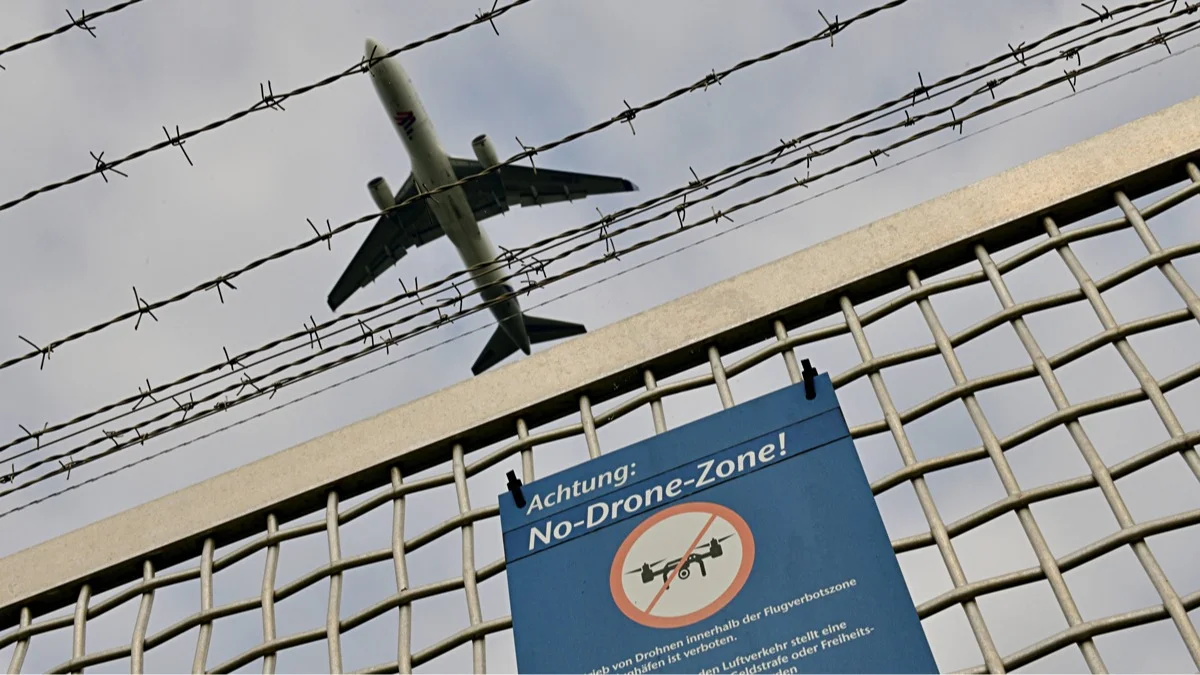
За последние месяцы в Европе произошло не менее 74 воздушных инцидентов, в которых подозревают Россию. Пострадали почти два десятка стран

Ротенберги, Ковальчуки, Патрушевы: главные бенефициары военной национализации

Ротенберги, Ковальчуки, Патрушевы: главные бенефициары военной национализации

Частный бизнес, который отбирают с 2022 года, сейчас получают друзья Путина. В спину им дышит новая «элита СВО»
В список «террористов и экстремистов» попадает в среднем 300 человек в месяц

В список «террористов и экстремистов» попадает в среднем 300 человек в месяц

Каждый десятый из них — подросток

В 2025 году в России арестовано 155 высокопоставленных чиновников

В 2025 году в России арестовано 155 высокопоставленных чиновников

Это рекорд как минимум за последние десять лет

Пушки вместо коек

Пушки вместо коек

Что важно знать про новый российский бюджет? Объясняем на графиках

Нельзя выключить гимн

Нельзя выключить гимн

За 2025 год власти могут поставить рекорд по блокировкам музыкальных треков популярных исполнителей, посчитала «Новая-Европа»

Полные итоги похода «СВО-шников» во власть

Полные итоги похода «СВО-шников» во власть

«Новая-Европа» подсчитала: участники войны получили на выборах не более 2,3% мандатов, а в муниципалитетах проиграли по популярности другим кандидатам