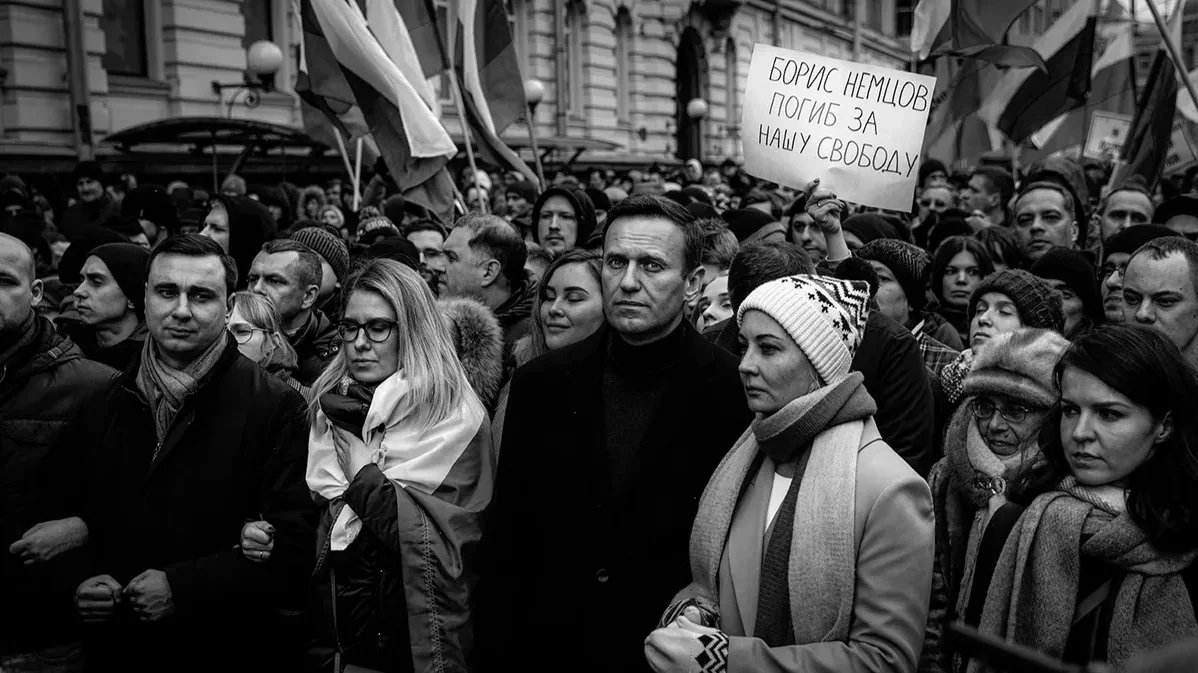
Alexey Navalny faced both his suffering and his death head on. I have no doubt he realised his chances of remaining free were minimal once he returned to Russia, and though he may not have expected the boundless cruelty to which he was ultimately subjected, he was certainly prepared for prison.

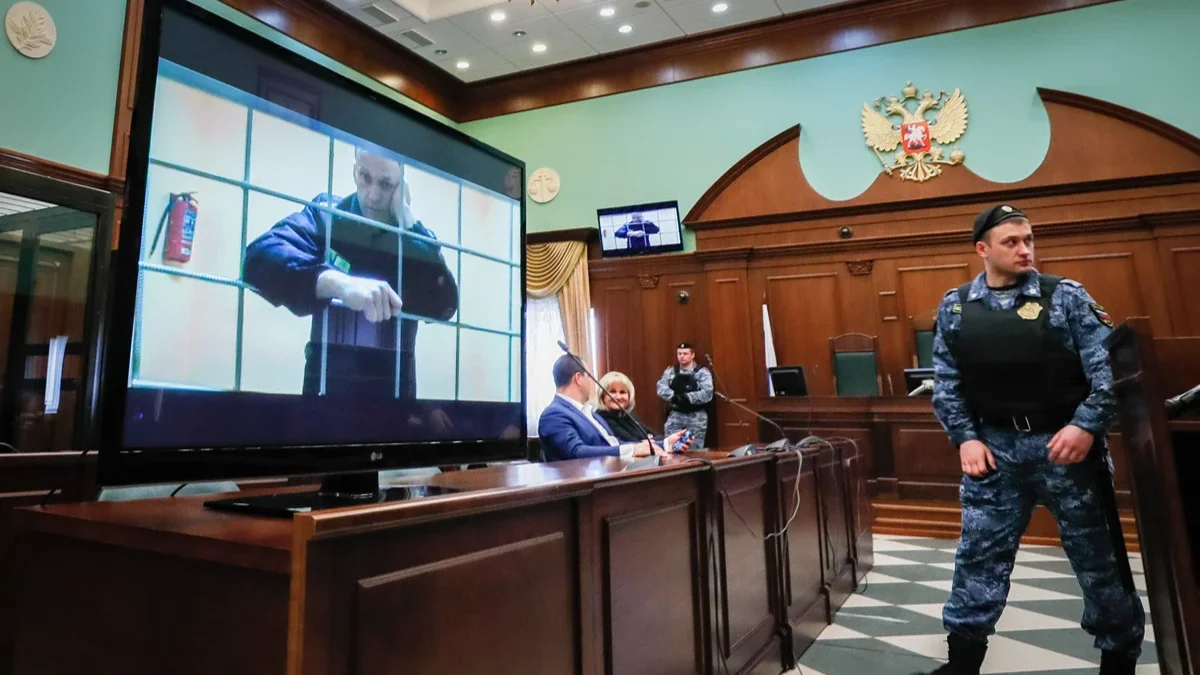
I just knew him casually, and can only guess at his motives. I think quite aside from a hope that his return and possible arrest might serve as a trigger for change, he was driven by a sense of self-worth and an unwillingness to back down in the face of Evil. Austrian psychiatrist Viktor Frankl said that self-esteem matters even at the moment of execution. We have seen Navalny speak in court and we have read his letters. He retained a dignity unknown to many right to the very end.

He clearly saw his life in the context of history. He felt he had a mission and a destiny. And he proved himself worthy of that mission.
Not only is it inappropriate to say that he should never have returned to Russia, those who make such comments clearly fail to understand what drives heroes.

He was only 47. In another country and with different priorities in life, he would still have had a long life to live. But this is Russia, and this is the life we get. He died, but, like other heroes throughout history who went to the scaffold or were burned at the stake with their heads held high, he didn’t die in vain. Without their sacrifice, human history would be worse. Far worse.

The scum trying to whitewash the Russian authorities are already saying the Americans killed him. Why would the Russian authorities need to do it on the eve of an election, they ask!

They had no need to poison him, but they did so anyway because they hated him. In this political system, there is no need for the ruler to exercise any restraint on his urges. US or French presidents might dislike someone, but they can’t simply jail them or bump them off. But in our country they can. Just because they want to. Navalny no doubt knew as much.

I am sure that, despite the terrible conditions they kept him in, he didn’t regret coming back. They may have killed him, but victory was ultimately his.

Поделиться
Больше сюжетов
Что Украина и США обсуждали в Берлине

Что Украина и США обсуждали в Берлине

Компромисс по «мирному плану» до сих пор не найден: американская сторона требует, чтобы Киев уступил Донбасс, Зеленский это отвергает

Похищение игрока, провал Карпина и сенсация из ниоткуда

Похищение игрока, провал Карпина и сенсация из ниоткуда

Российский футбол даже в изоляции оказывается в центре внимания. Что в нем произошло за последние полгода?

Палачи и жертвы

Палачи и жертвы

В годы Большого террора чекистов, истязавших людей, часто тоже пытали и расстреливали. Это называется «экосистемой насилия»

Научный занавес

Научный занавес

Российским ученым усложняют сотрудничество с иностранными коллегами. Историк Рустам Александер вспоминает, как это работало в СССР

Евгения Хасис рассказала в интервью Собчак о подготовке к убийству Маркелова и Бабуровой, желании пойти на «СВО» и отношении к национализму сейчас

Евгения Хасис рассказала в интервью Собчак о подготовке к убийству Маркелова и Бабуровой, желании пойти на «СВО» и отношении к национализму сейчас

Главное из интервью

Великий выдумщик

Великий выдумщик

Умер Фрэнк Гери — один из самых известных современных архитекторов. Одни называли его работы революцией, другие — безумием

«Вежливые люди» захватывают Финляндию

«Вежливые люди» захватывают Финляндию

Сериал «Конфликт» о повторении крымского сценария вышел в России. В версии с цензурой нет упоминания армии РФ

На языке пламени

На языке пламени

«Литературная политика Третьего рейха» — исследование о том, как Гитлер вел войну с книгами и что из этого вышло

Между самодержавием и самовластием

Между самодержавием и самовластием

Академик Юрий Пивоваров рассуждает о маятнике русской истории