
Selling Russia short
The apparent resilience of Putin’s war economy comes at an enormous cost to the country’s future
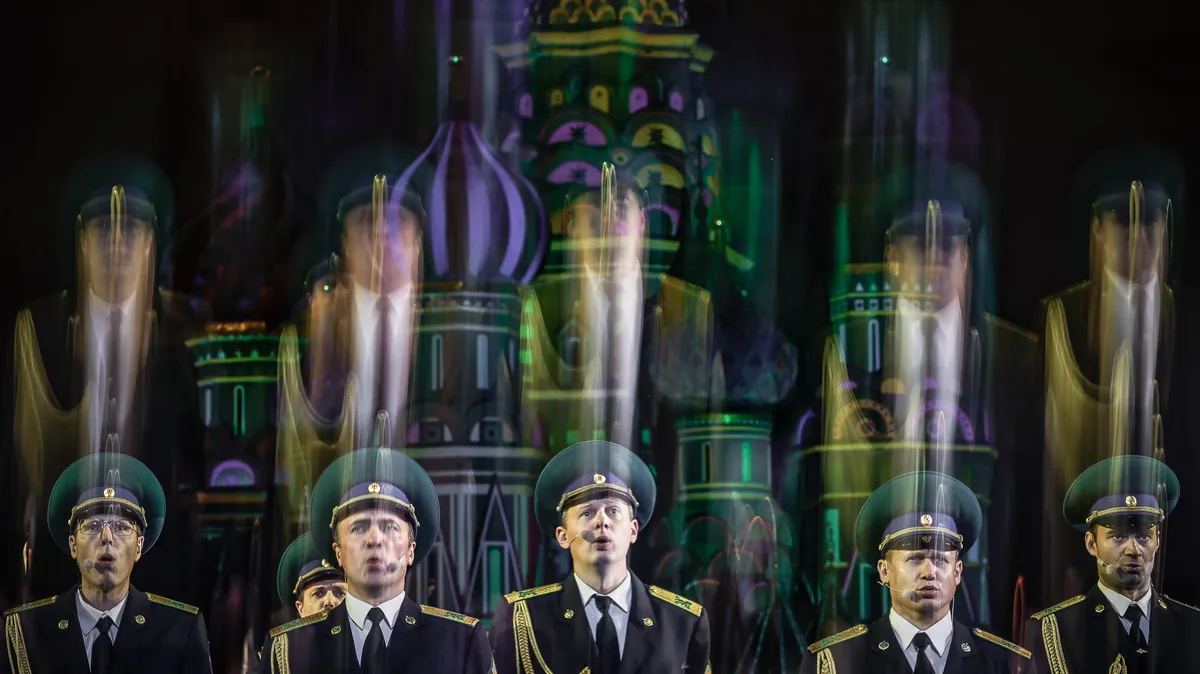
Two and a half years after Vladimir Putin ordered a full-scale invasion of Ukraine, the Russian economy seems like a riddle wrapped in an enigma of competing narratives.
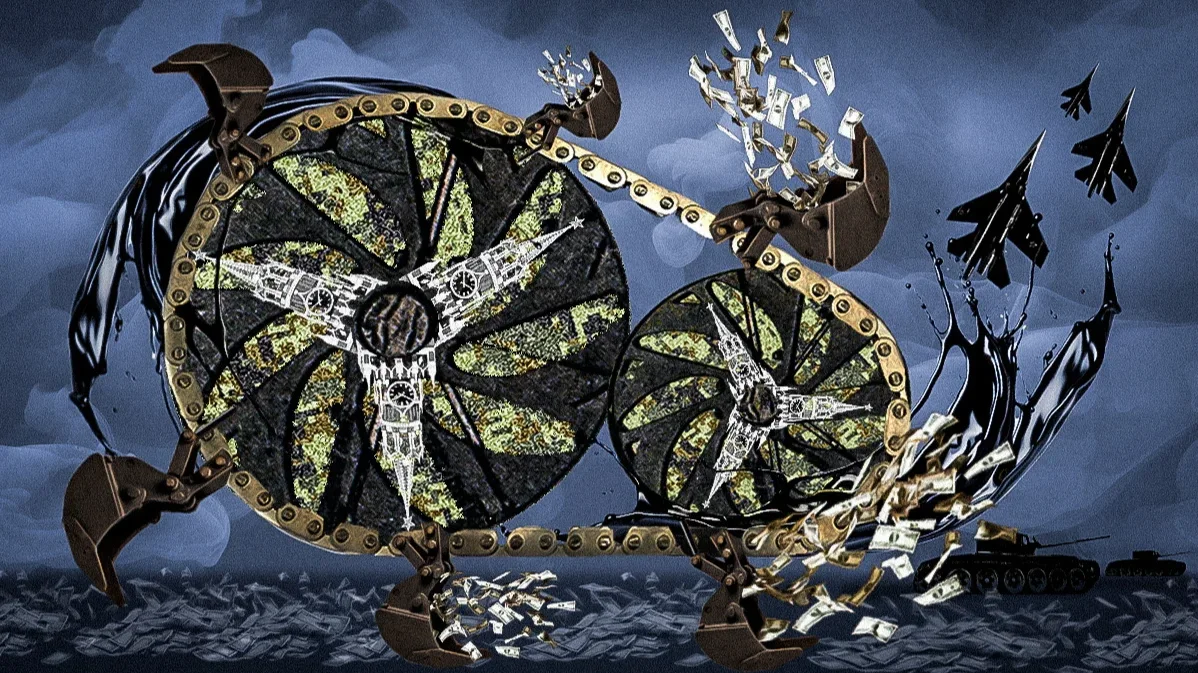
Those hoping that a collapse of the Russian economy will put an end to Putin’s criminal war have repeatedly underestimated how much an economy can adjust in the face of adverse circumstances.
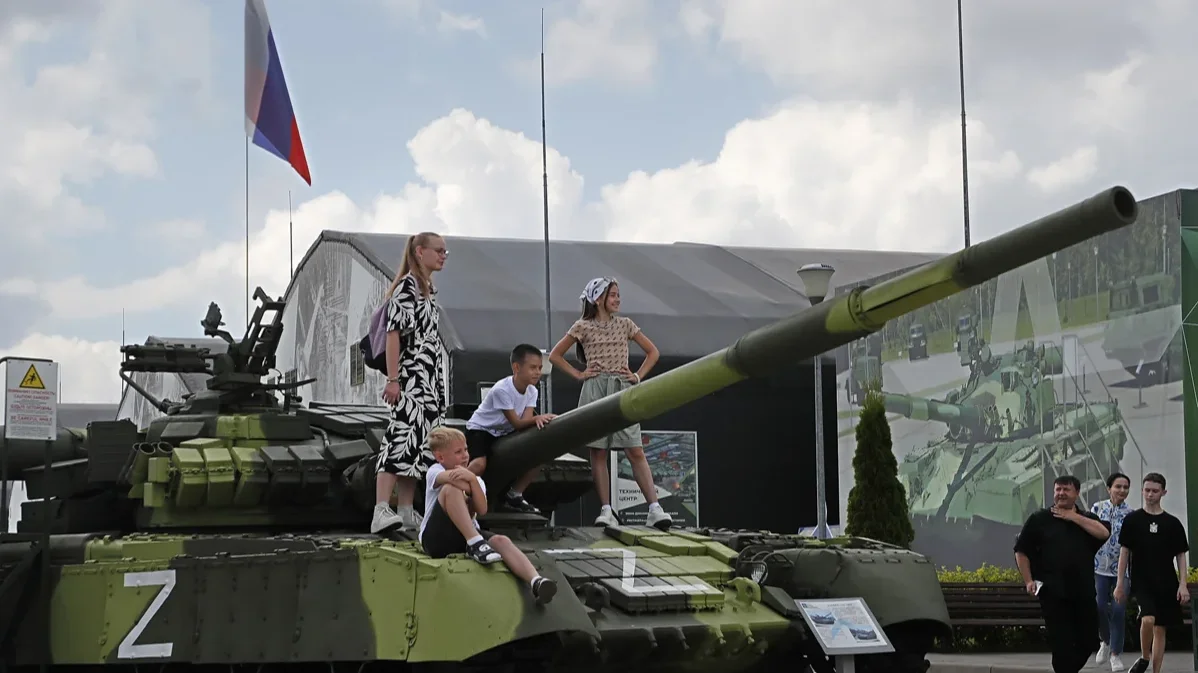
The Russian people are making a material contribution to the prosecution of Putin’s war through their willingness to pay more for less.
Putin’s borrowing from the future takes the form of a gradual, yet pervasive, dismantling of the market institutions that the Russian people paid such a high price to acquire during the reforms of the 1990s.
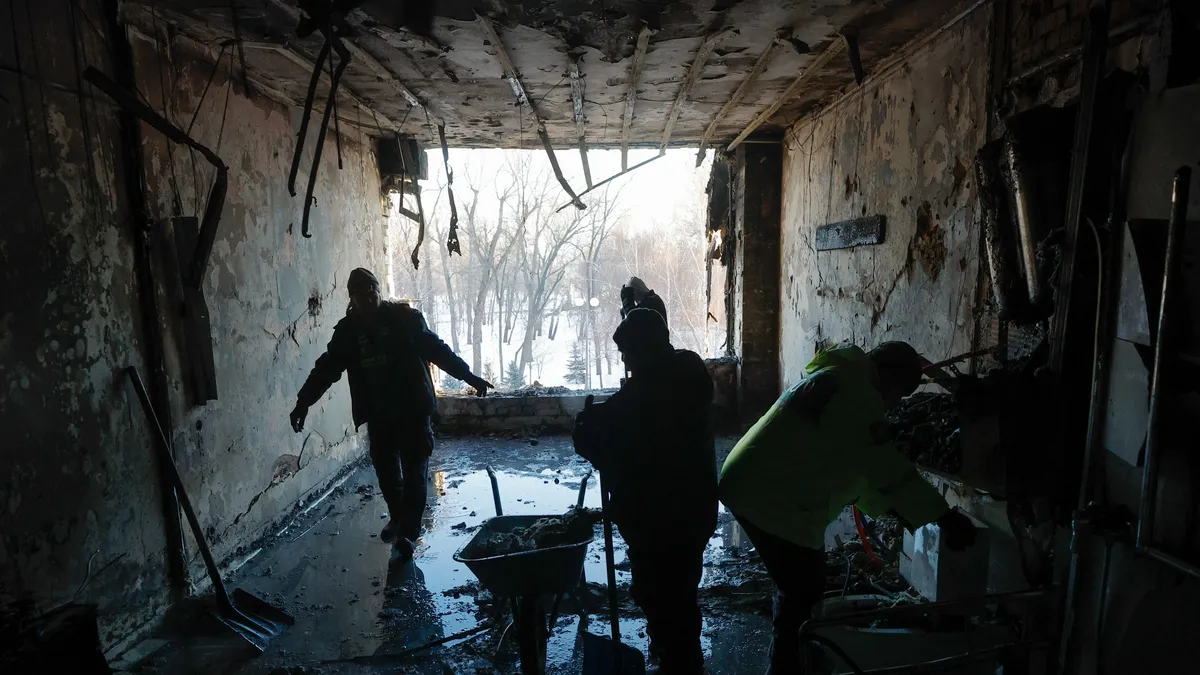
Russia’s drone pipeline
How Iran helps Moscow produce an ever-evolving unmanned fleet for use against Ukrainian civilians
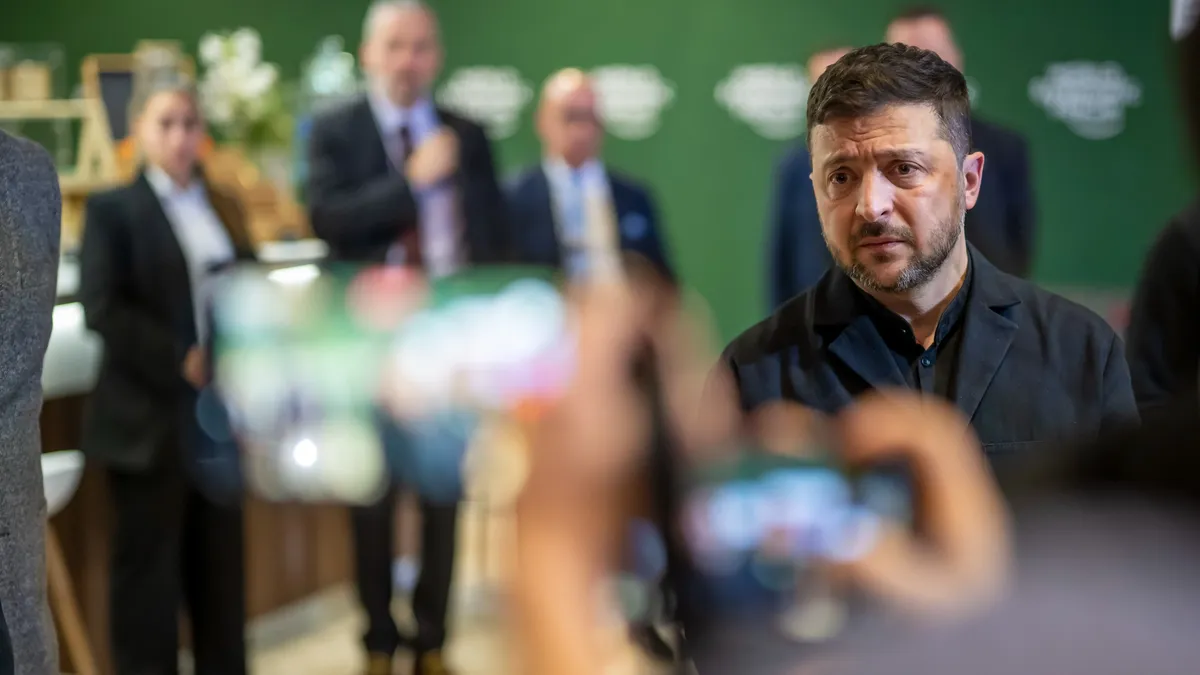
Alone, together
While Volodymyr Zelensky appears upbeat about US security guarantees, Davos only demonstrated Trump’s unreliability
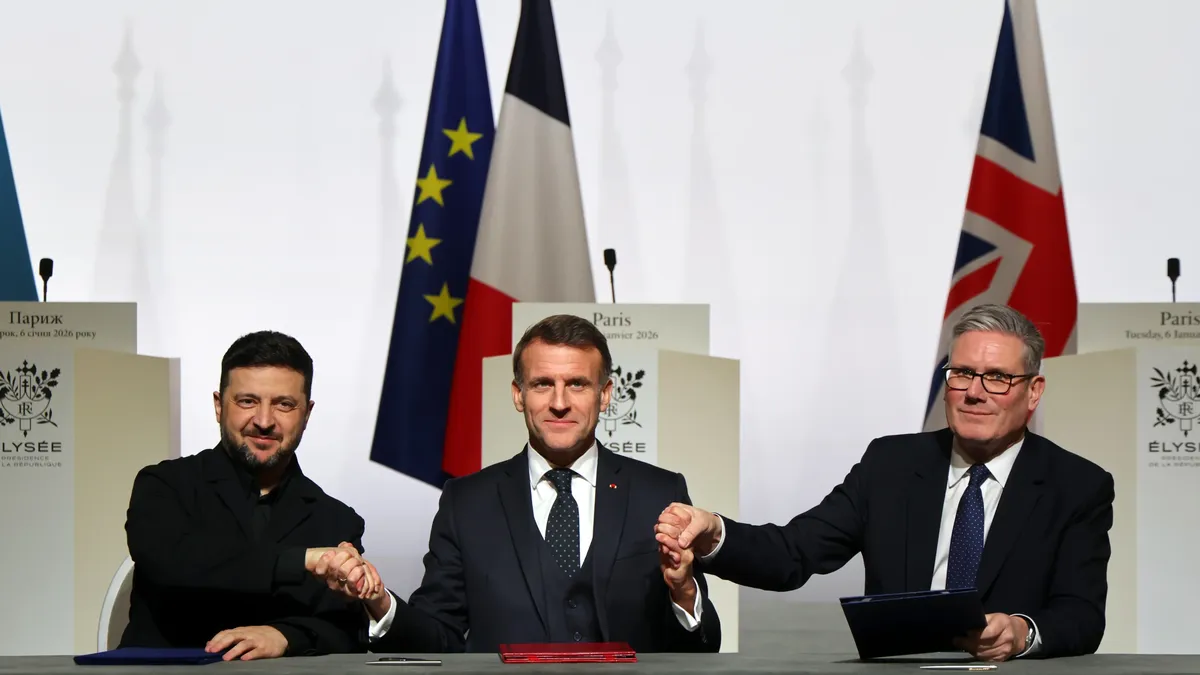
Neighbourhood watch
With NATO and the EU unsuited to meet Europe’s evolving security needs, it’s time to formalise the coalition of the willing

Going to cede
Restitution of lost territory can take decades and is only realistic in certain geopolitical circumstances
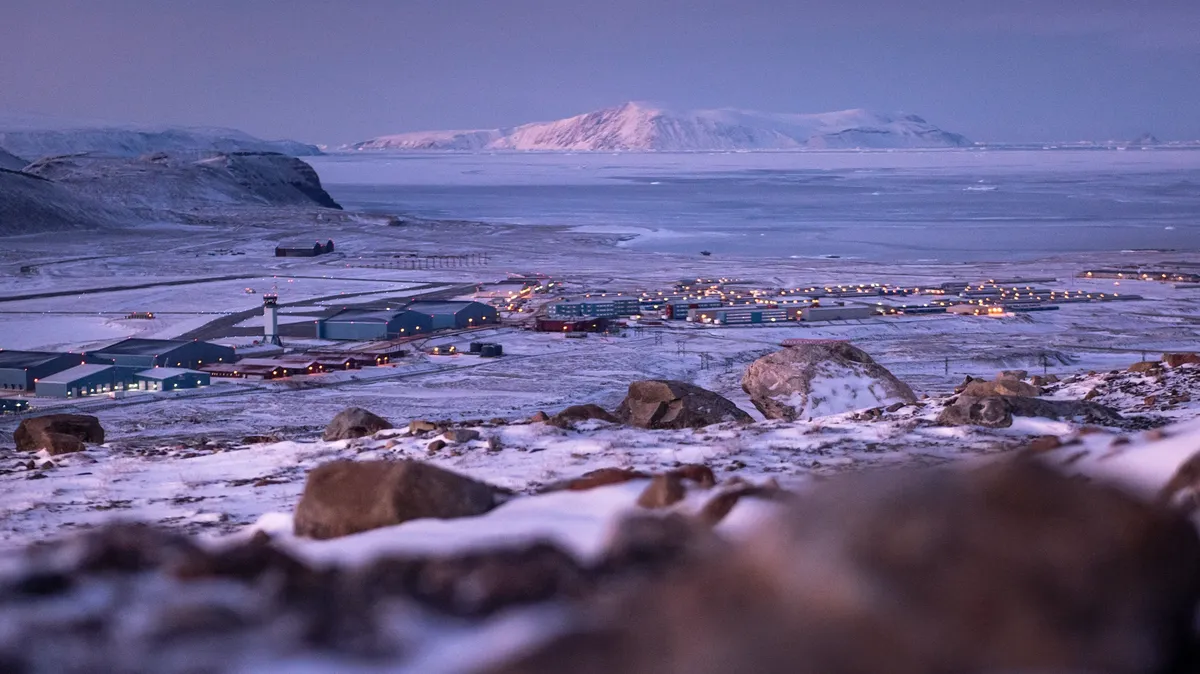
The race for the Arctic
Trump’s outlandish threats to seize Greenland risk ushering in a new world order based on spheres of domination
A grave miscalculation
Putin’s attempt to re-enact World War II in Ukraine has gone horribly wrong
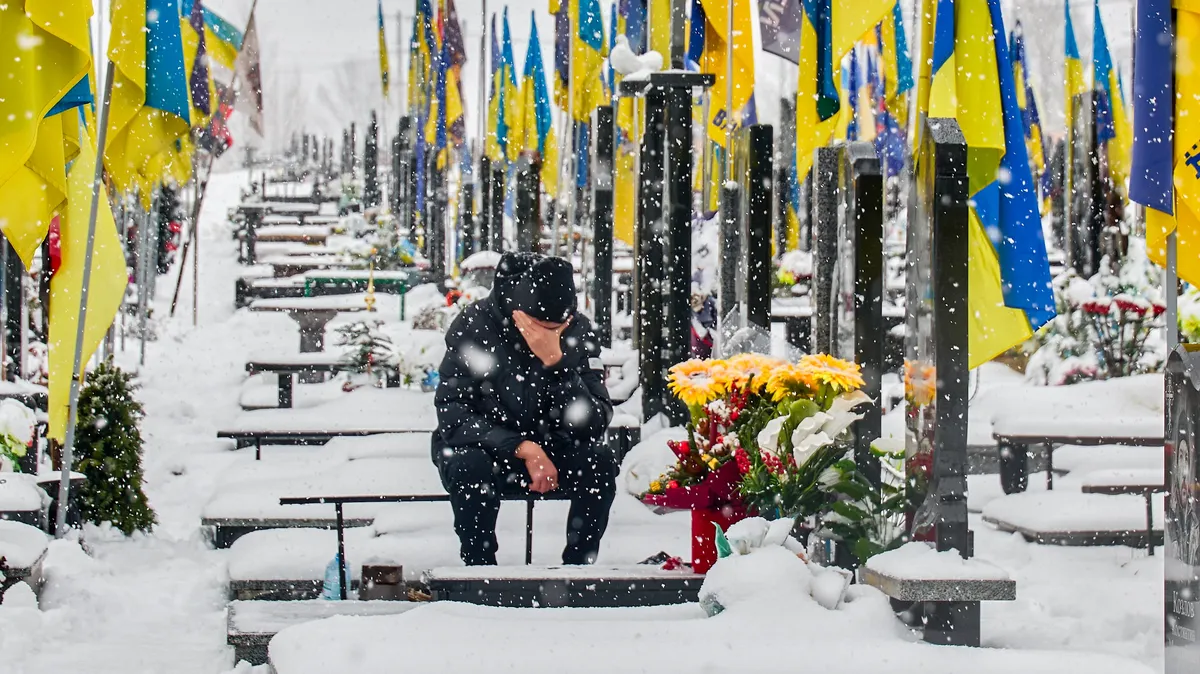
A frozen war is not peace
Why a premature peace deal in Ukraine could just be kicking the can of Russian revanchism down the road
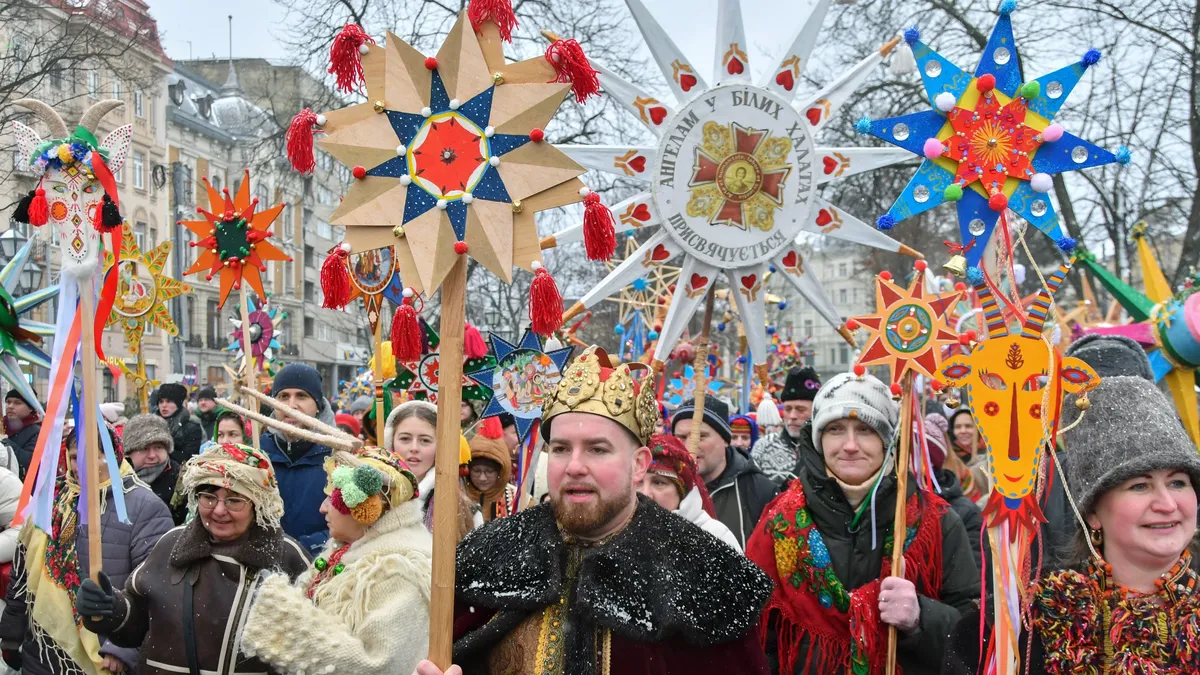
Just 10% from peace
Novaya Gazeta Europe’s Kyiv correspondent reflects on another year of war and muses on what 2026 may bring
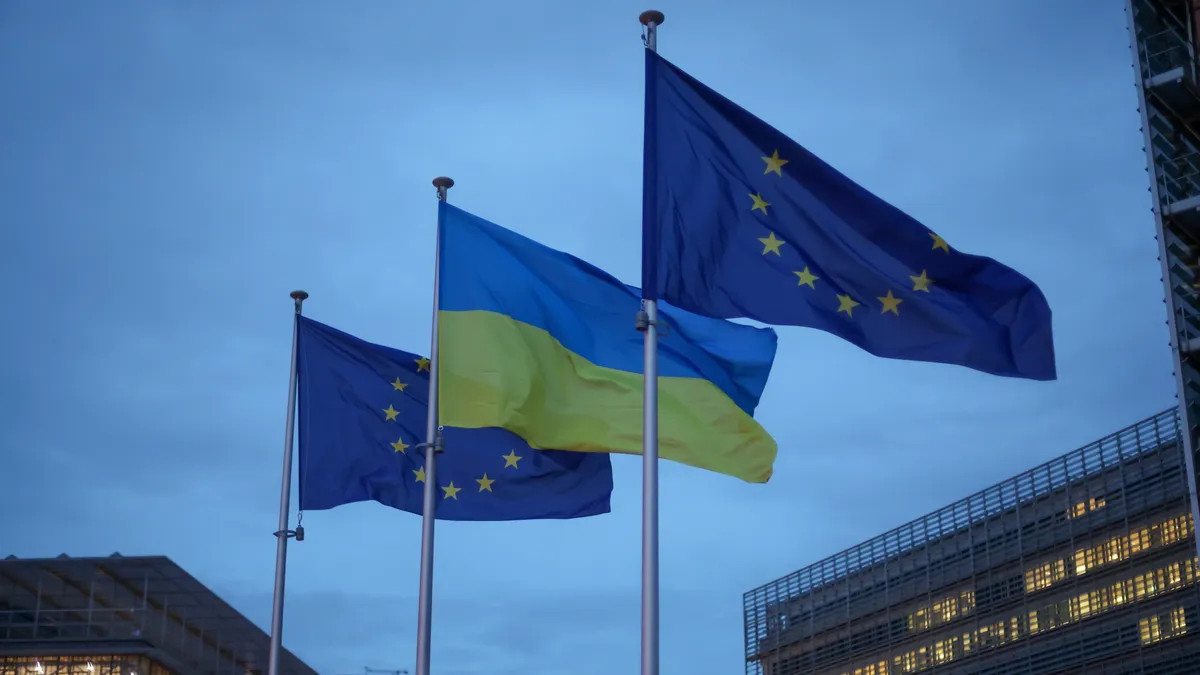
The year that could be
Even without cause for optimism about the state of the world, we mustn’t allow hope to die