Tongue-tied in Tbilisi
Russian imperialism is casting a long linguistic shadow over the Georgian capital
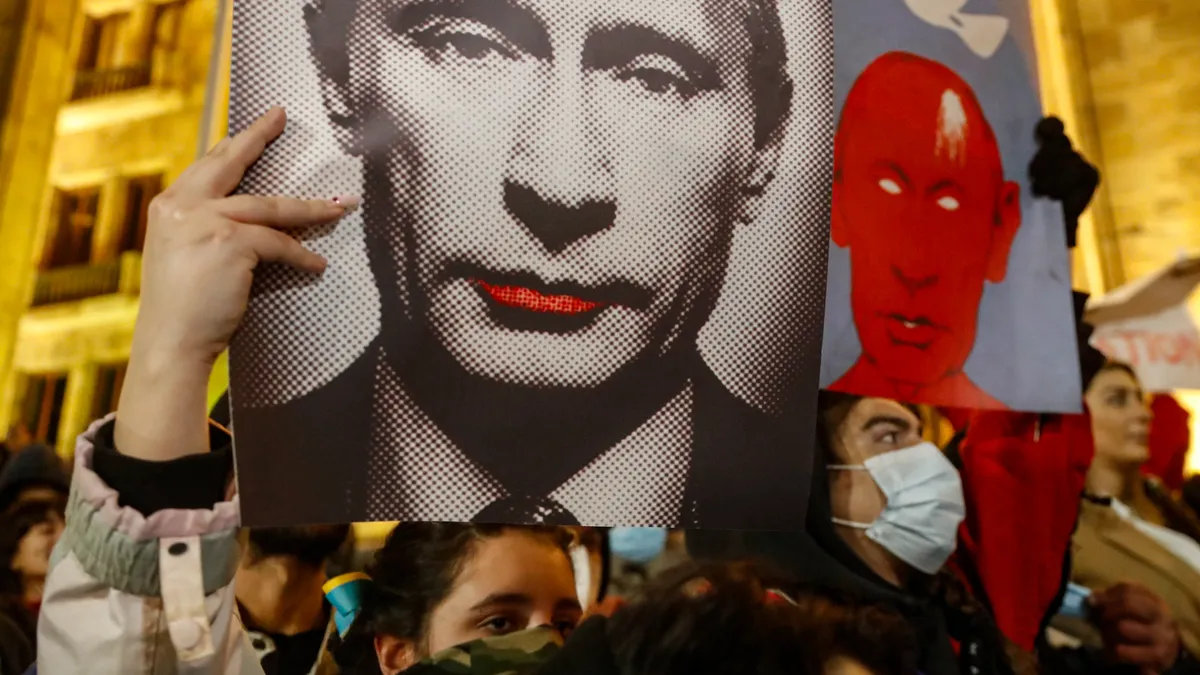
“It’s better to speak Mandarin than Russian in Tbilisi,” says Nikoloz, our guide on a Soviet-themed tour of Tbilisi, as one member of our group, a native Mandarin speaker, attempts to place an order at a street food stand in stilted Russian. Given the repression suffered over the centuries by Georgians at the hands of Russians, Nikoloz’s advice is understandable, and if speaking Mandarin doesn’t appeal, he adds that just making the effort to say madloba, Georgian for thank you, will be highly appreciated by most locals.
Feeling like strangers in their own city, many Georgians say that the prospect of encountering the unknown is enough to stop them going into Russian-owned establishments altogether.
The influx of relatively affluent Russians has transformed central Tbilisi in particular.
Georgian tour guides are often expected to lead groups in Russian, and it’s not unusual for Russian-speaking tourists to arrive in the country believing that Georgia remains much the same as it was in Soviet times.
Most Georgians in Tbilisi I spoke to while researching this topic told me that they want to be able to control when they use Russian in their daily lives.
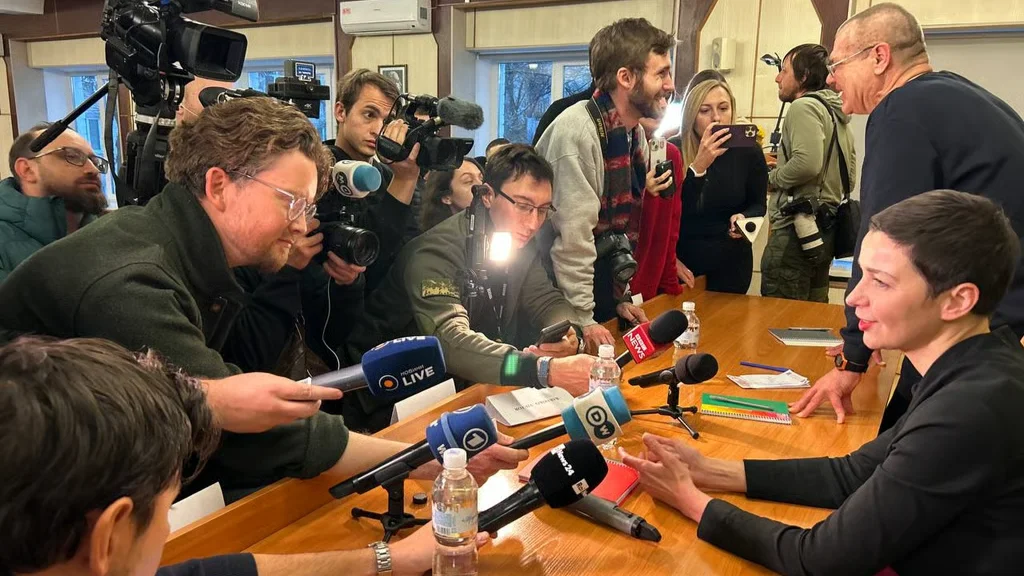
Catch and release
Some of Belarus’s most prominent opposition figures react to their surprise return to freedom
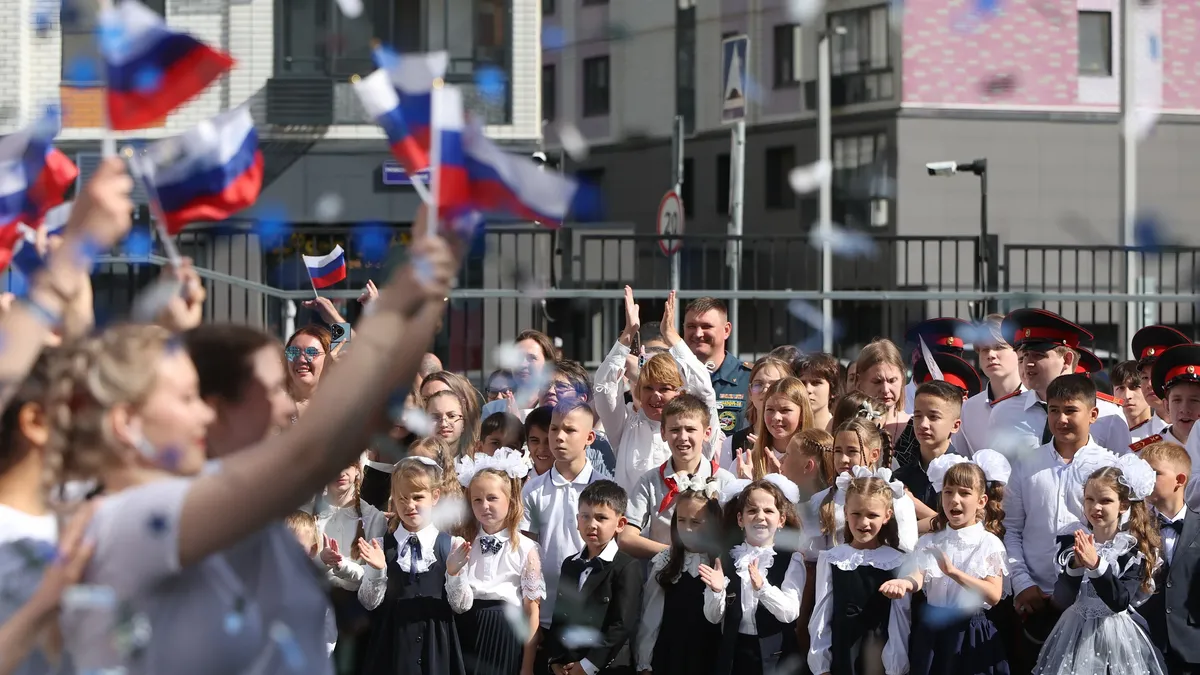
Academic rigour
How Kremlin-backed super-app MAX is gradually being made obligatory in Russian schools
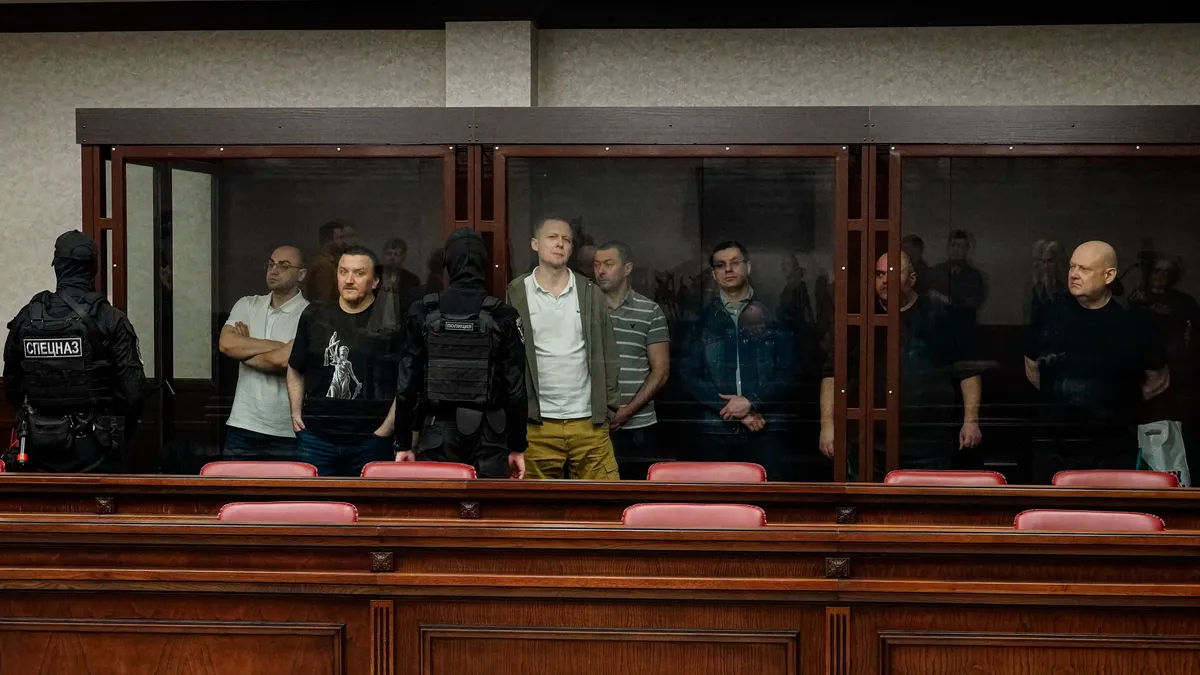
Pounds of flesh
In a gross miscarriage of justice, eight innocent people have been given life sentences for the Crimean Bridge bombing
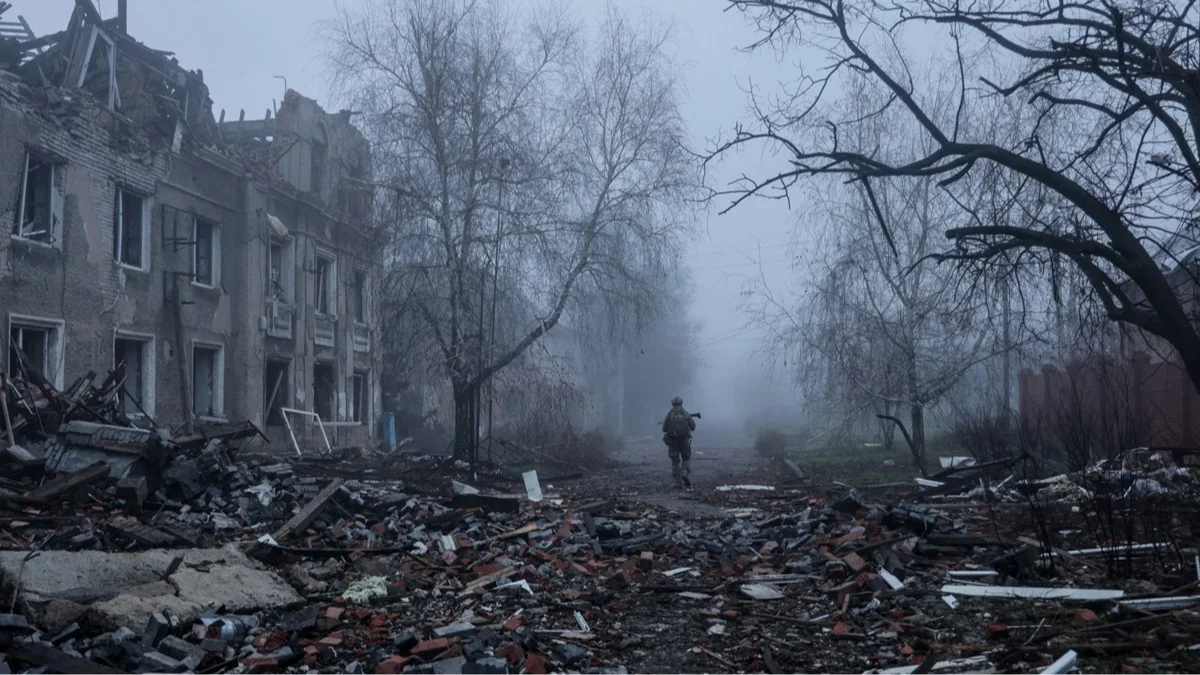
A voice from the kill zone
One Ukrainian sergeant tells Novaya Europe he is prepared to defend Donbas from Russian forces for as long as it takes
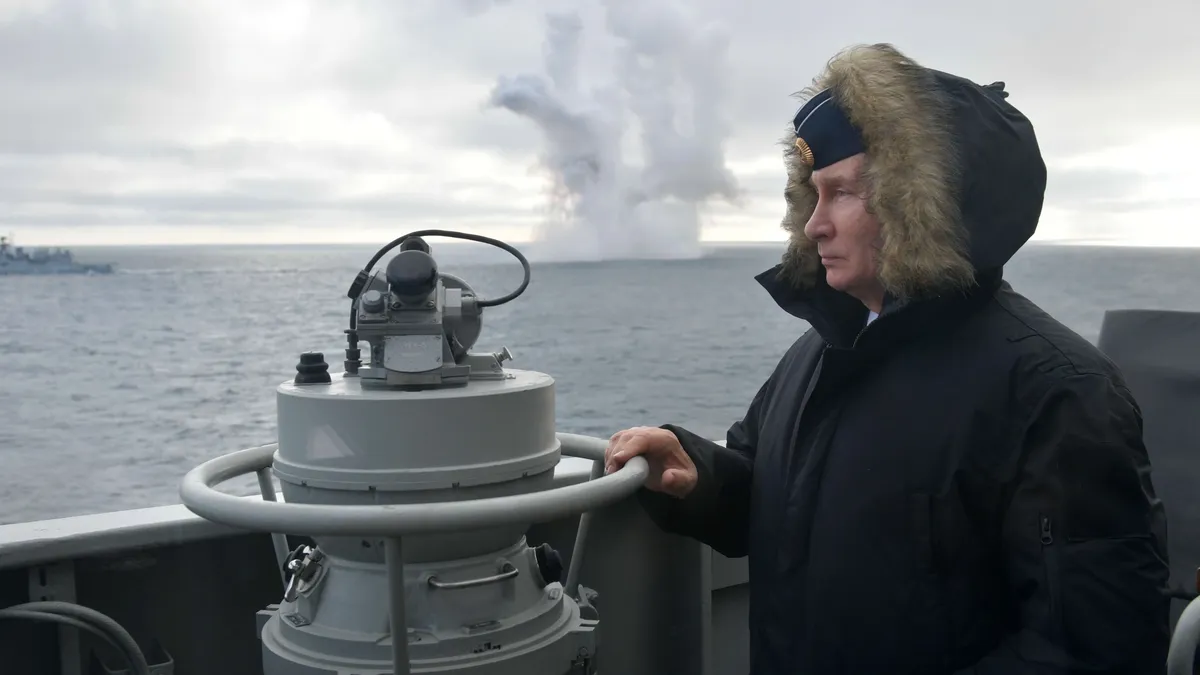
The Old Man and the Sea
How realistic are Putin’s threats to impose a naval blockade on Ukraine?
A cure for wellness
Described as torture by the UN, gay conversion therapy is nevertheless thriving in contemporary Russia
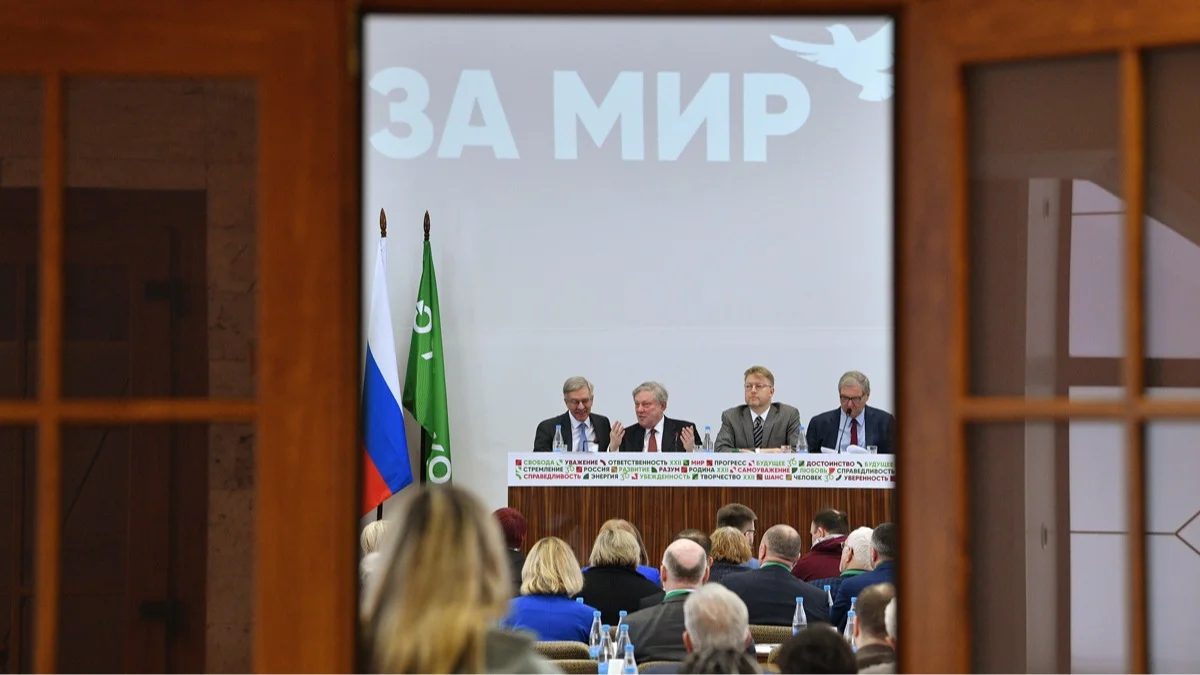
The last party
The Kremlin is taking aim at Russia’s sole remaining legal opposition movement
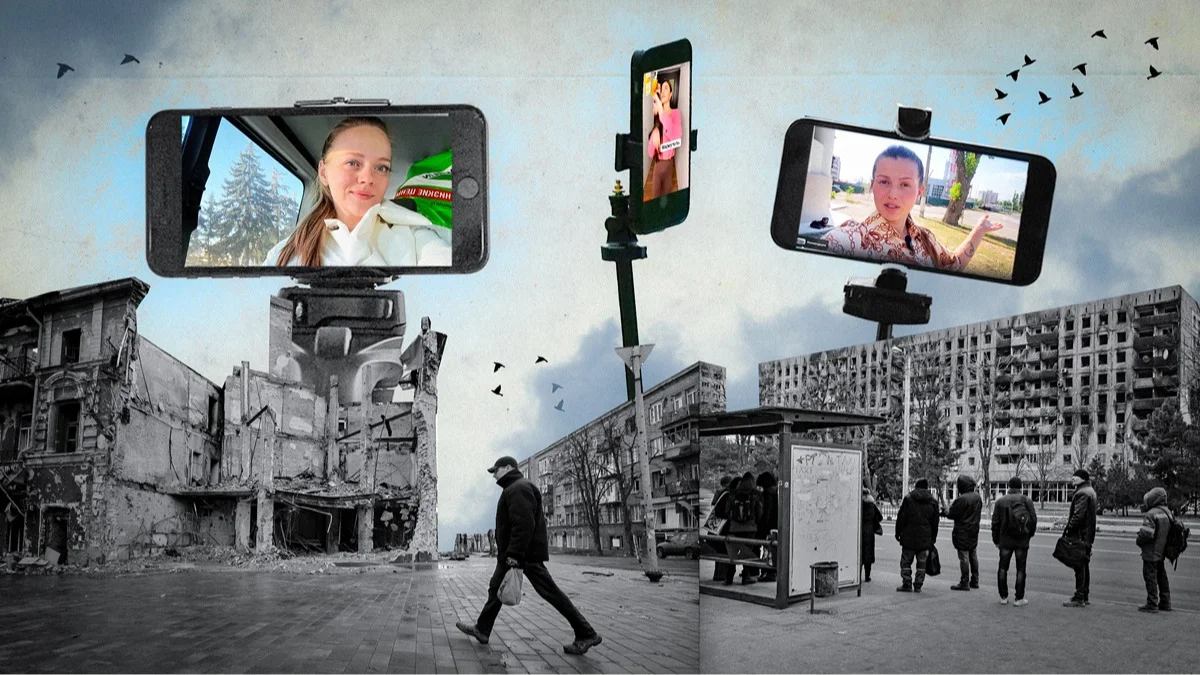
Influencer operation
A cohort of pro-Kremlin content creators is shamelessly portraying the Russian occupation of Mariupol in a positive light
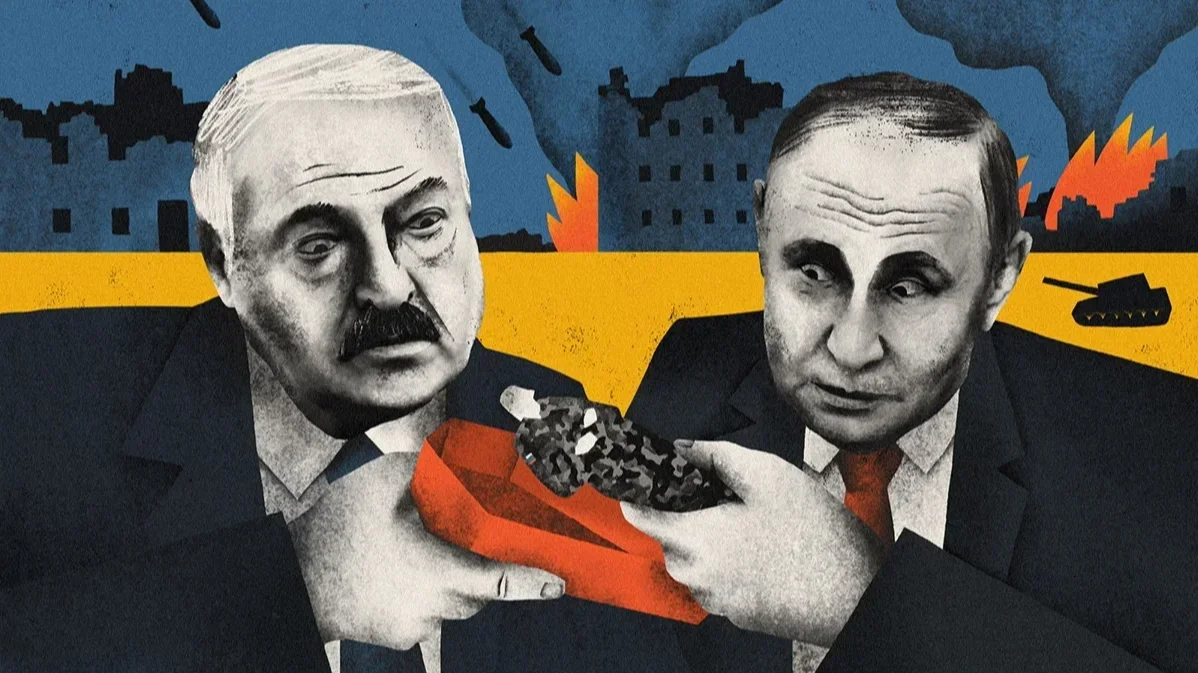
Special military obligation
How Belarusian political prisoners are being forced to support the Russian war effort in Ukraine