
In the dark
Access to key Russian archives is being restricted as the state seeks to tighten its control of historical memory
Archive files detailing the fate of millions of Soviet citizens who were executed or imprisoned during the Stalin era have suddenly been made harder for historians to access. The Russian federal archive authority’s decision to limit access to such documents to the relatives of individual victims is both a violation of Russian law and will further hamper the work of historians researching the period. As it is, to date just a quarter of Stalin’s victims are known to historians by name.
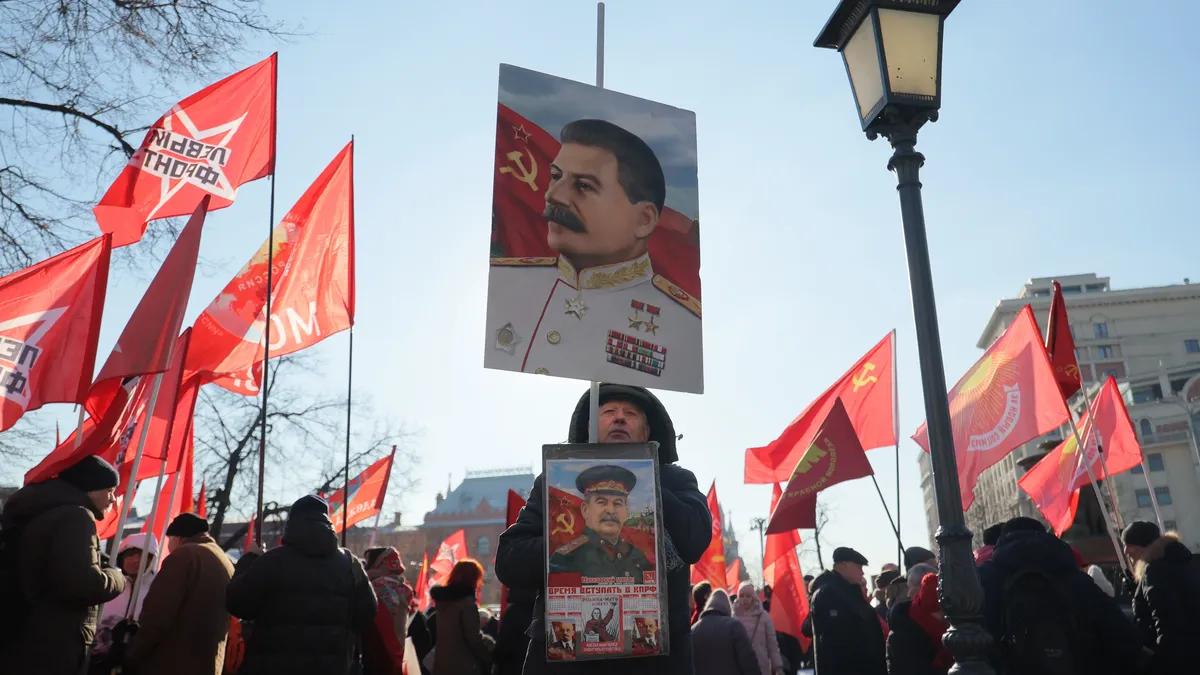
“The country that spawned this repression is afraid to talk about it out loud, so you have to knock on doors yourself to get answers if you want your relative to be anything more than just another anonymous victim.”
“Maybe word got out that the memorial people were still working in some archive or other and sending copies of case files to other academics in Europe.”

My enemy’s enemy
How Ukrainians and Russia’s ethnic minority groups are making common cause in opposing Russian imperialism
Cold case
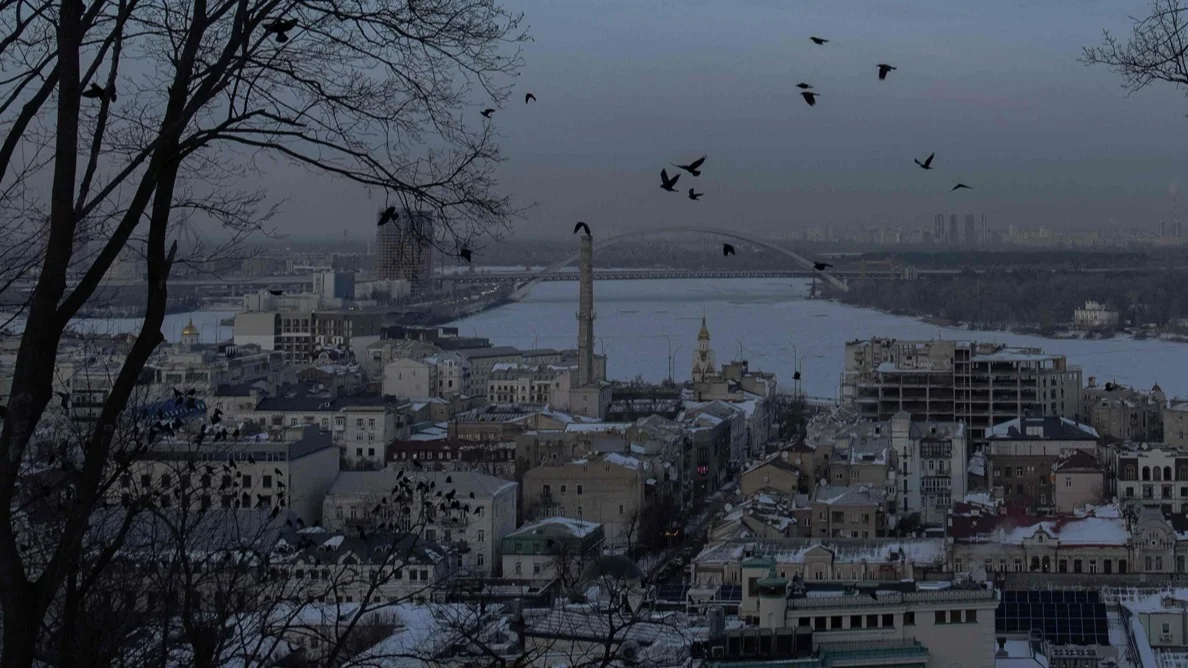
The Ukrainian Holocaust survivor who froze to death at home in Kyiv amid power cuts in the depths of winter
Cold war
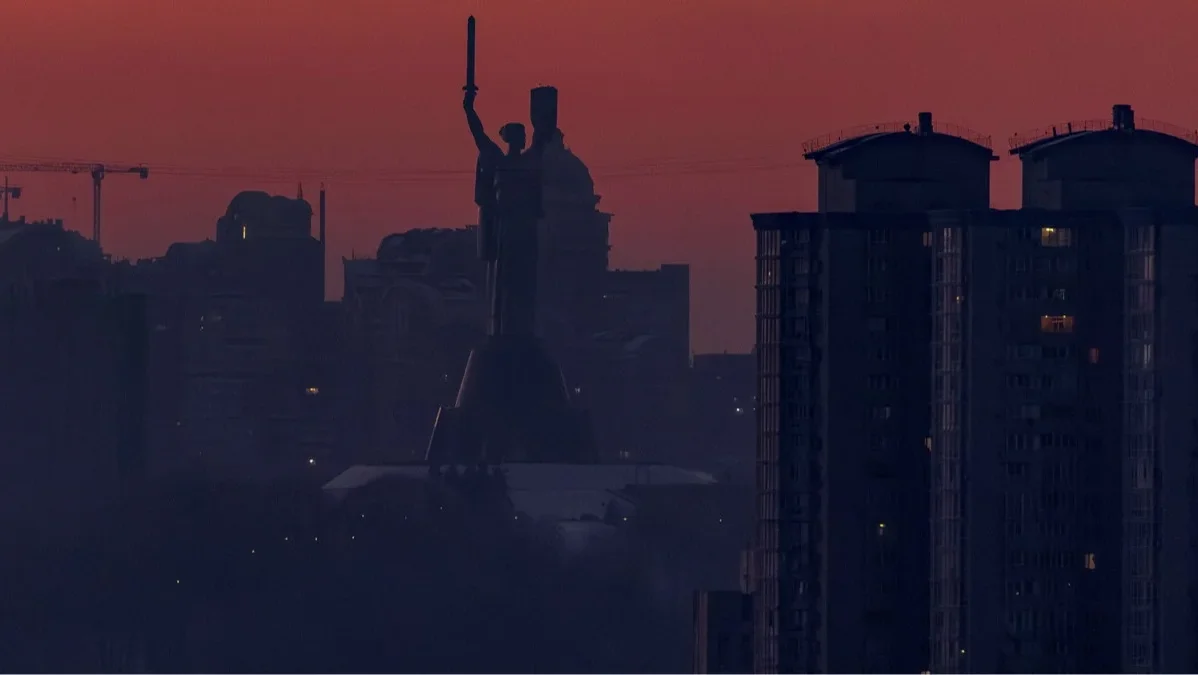
Kyiv residents are enduring days without power as Russian attacks and freezing winter temperatures put their lives at risk
Scraping the barrel
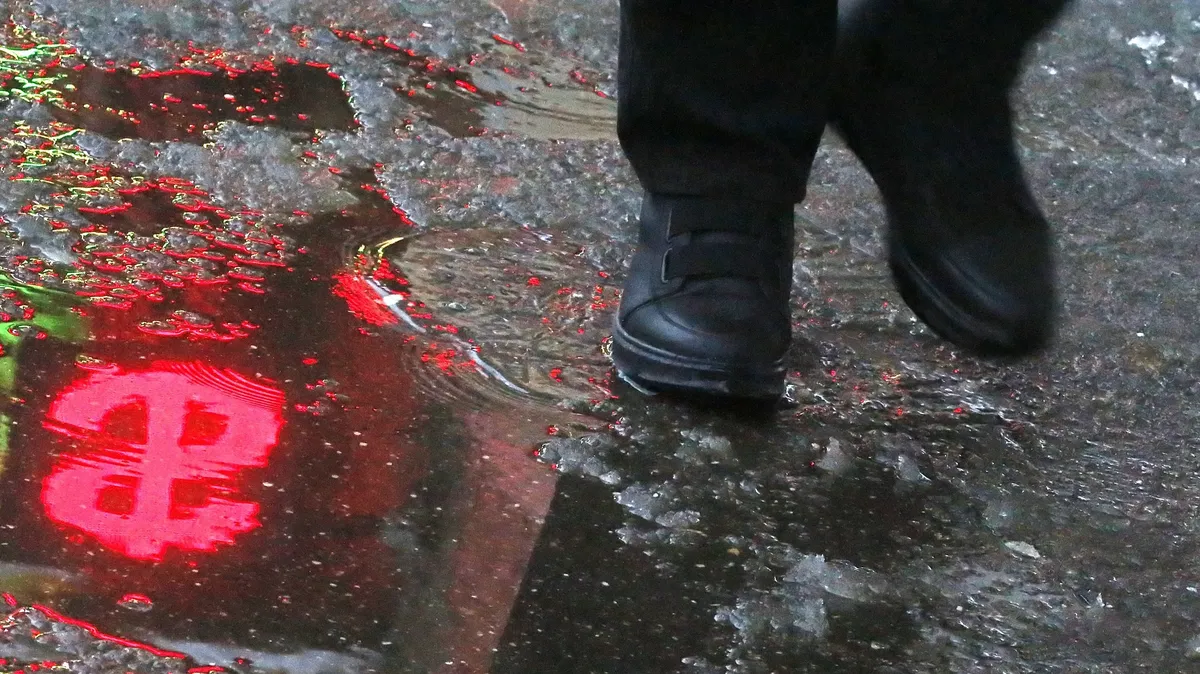
The Kremlin is facing a massive budget deficit due to the low cost of Russian crude oil

Beyond the Urals
How the authorities in Chelyabinsk are floundering as the war in Ukraine draws ever closer

Family feud
Could Anna Stepanova’s anti-war activism see her property in Russia be confiscated and handed to her pro-Putin cousin?
Cries for help
How a Kazakh psychologist inadvertently launched a new social model built on women supporting women
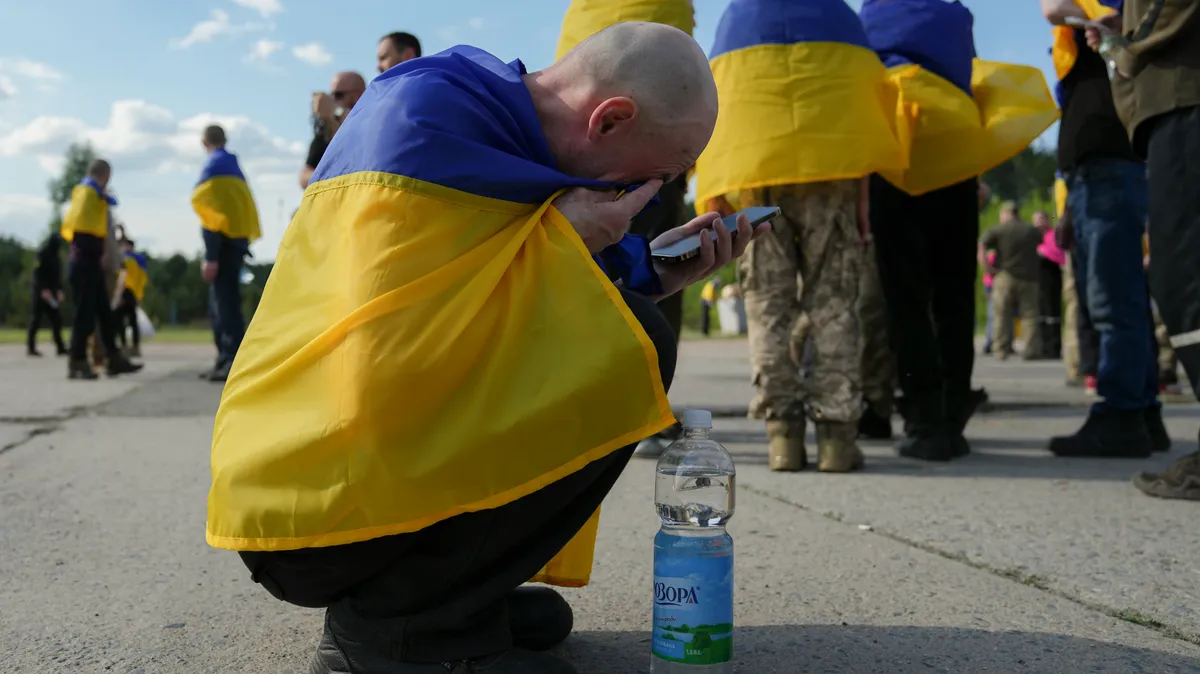
Deliverance
How one Ukrainian soldier is finally free after spending six-and-a-half years as a Russian prisoner of war
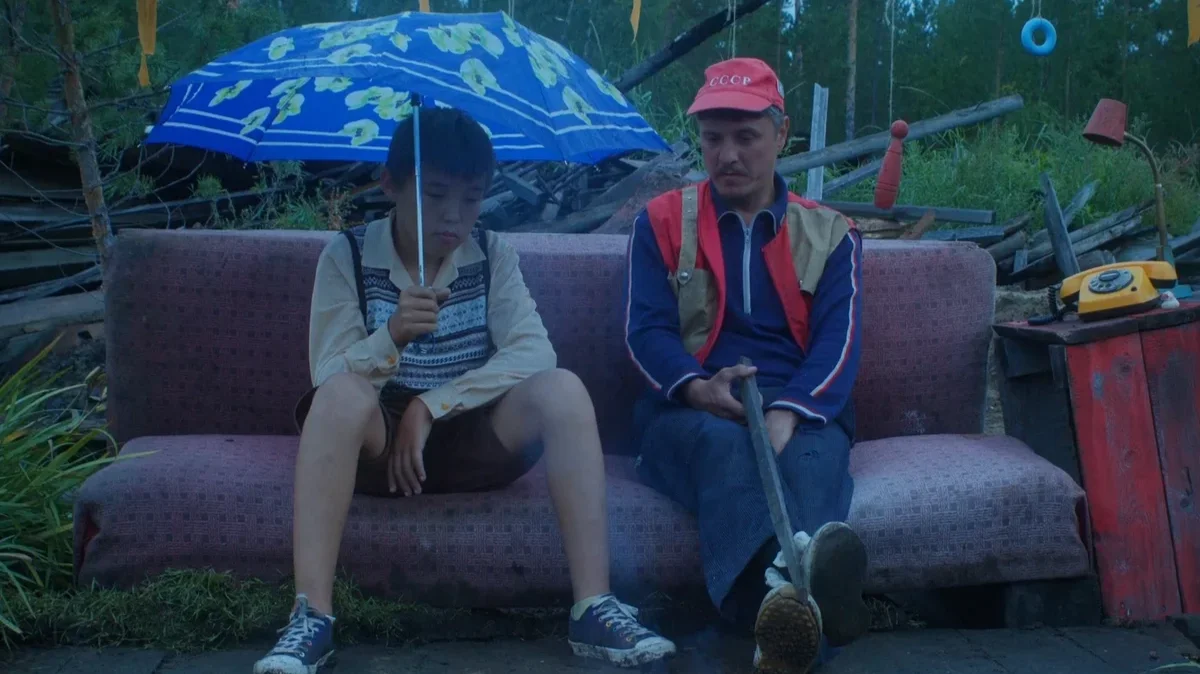
Watch your steppe
Five new films worth searching out from Russia’s regions and republics