‘How to reduce the power of a petrostate? Get off fossil fuels as quickly as we can’
One of the main lessons from the war in Ukraine is that the world needs to finally ‘go green’, climate justice expert Naomi Klein says
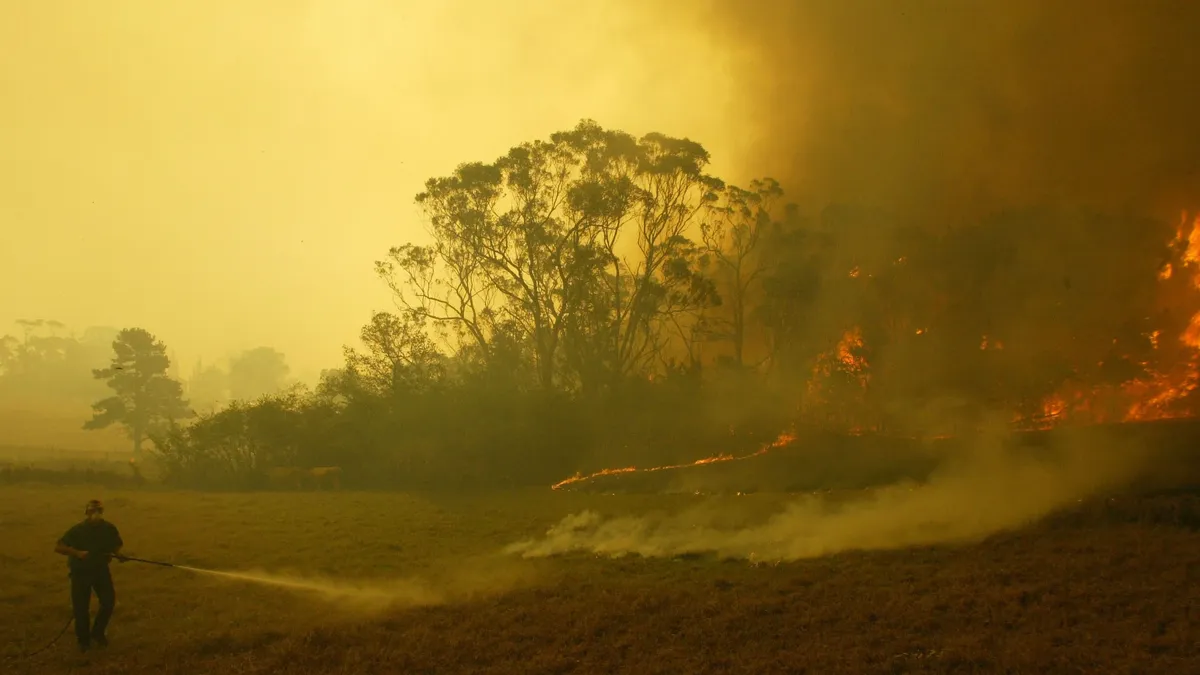
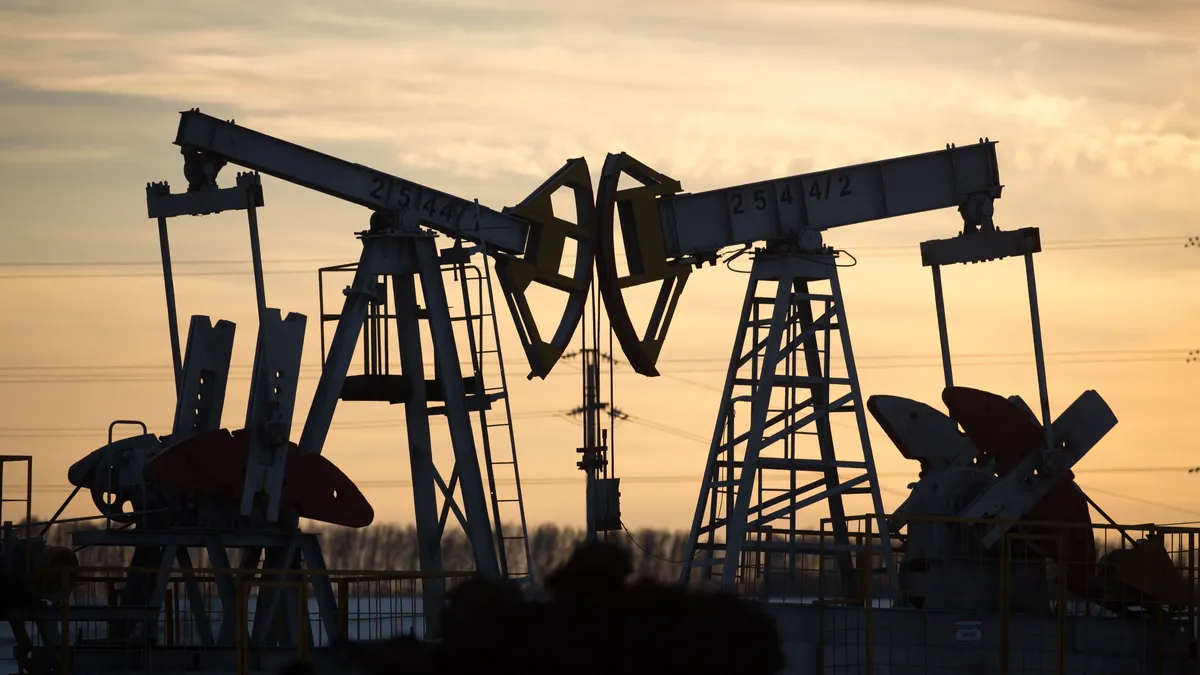
Oil, like other fossil resources, often causes violence and wars. In 2003, the US started a war in Iraq, according to some, seeking to gain control of the oil fields. Twenty years later, Russia launched a full-scale invasion of Ukraine, financing it with money from oil and gas exports.
Much has changed in the past year. European countries have virtually refused to buy oil and gas from Russia and have urgently started looking for alternatives. This is a good chance not only to stop financing aggressive petrostates, but also to limit the irreparable damage to the environment caused by burning fossil fuels.
But will the world face a full-fledged energy transition — or will we simply replace some hydrocarbons with others? And is it a good time to think about a “green economy” while a war is going on? That’s what we discussed with Naomi Klein, Professor of Climate Justice at the University of British Columbia and author of ‘This Changes Everything’ and ‘The Shock Doctrine’.
But I do think that Washington’s policies and its duplicity in this period helped put Russia on the front of a very, very dangerous and damaging path.
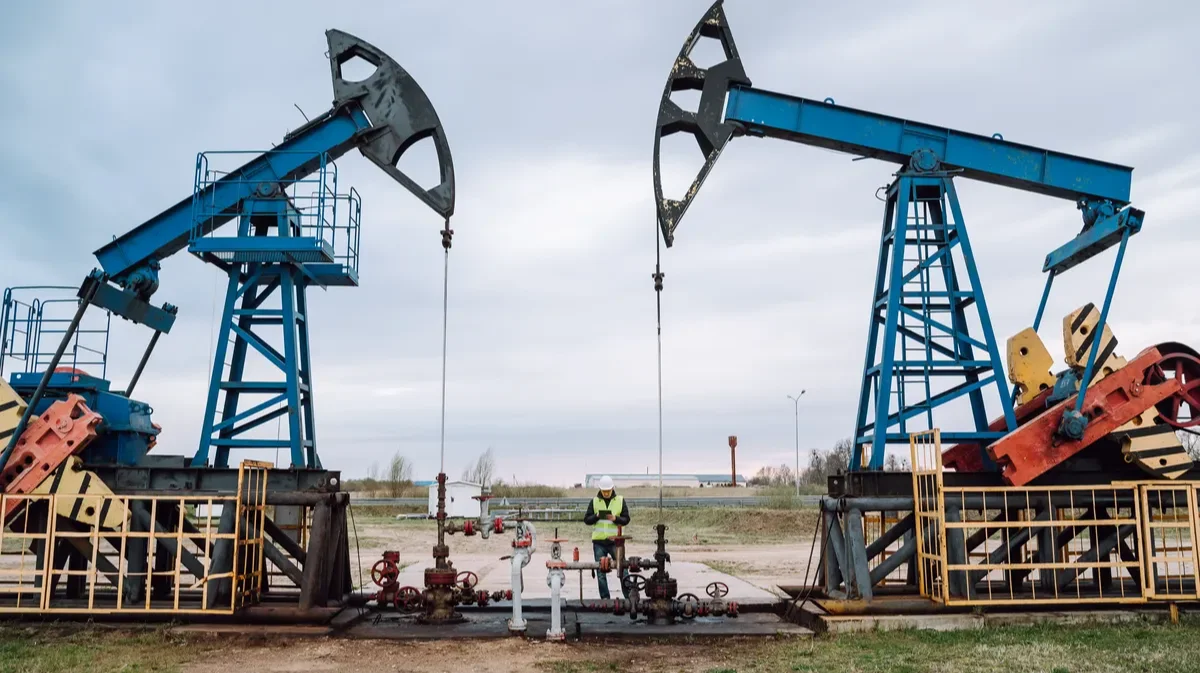
But climate disruption is intimately connected to wealth and overconsumption. It is overwhelmingly the wealthiest 10% that is responsible for this crisis.
Nowadays it’s almost unthinkable to expect the ‘Davos class’ to have to follow the same rules as everyone else. So long as that’s true, of course, people should not accept the idea that they have to solve the climate crisis themselves.
Climate justice is not a luxury. If we don’t do this in a fair way, it won’t be done at all.
The first draft of history
Julia Loktev discusses her critically acclaimed documentary about Russian journalists being branded foreign agents
Gulag laureate
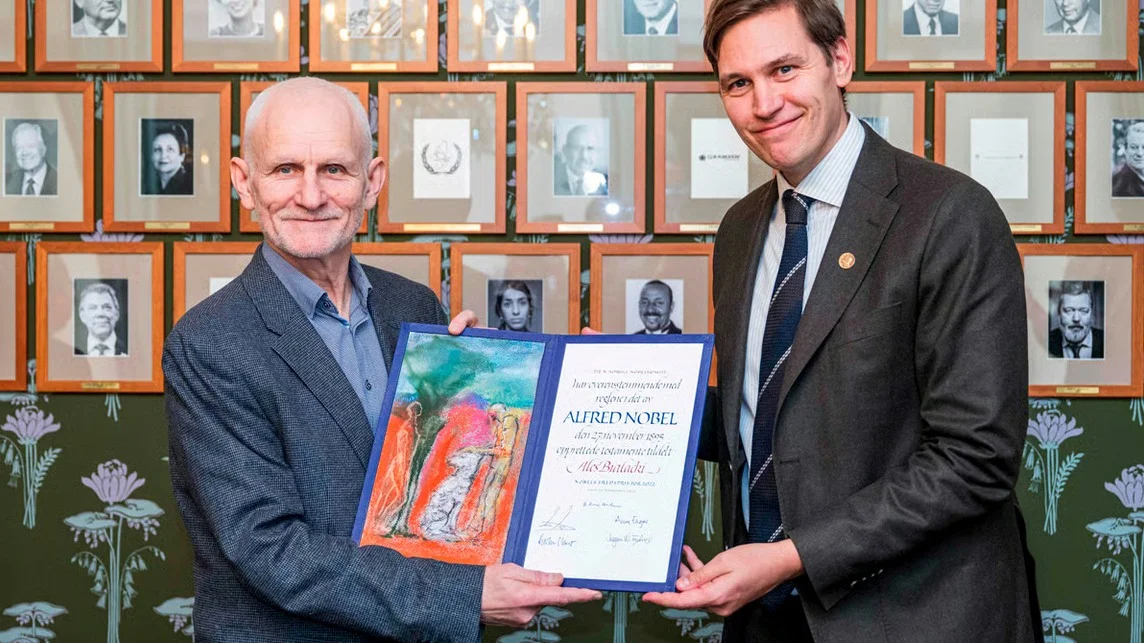
Freed Belarusian Nobel laureate Ales Bialiatski has finally been able to collect his peace prize
The price of freedom
Director Alexander Molochnikov talks about Extremist, his short film about former political prisoner Sasha Skochilenko
The deep freeze
Activist Zhanna Nemtsova on why depriving small-time Russian investors of their assets in the West won’t help undermine Putin
The B team
A veteran diplomat explains how the upcoming Trump-Putin summit is amateurish and politically driven
Holding on to the light
Ukrainian documentary maker and former combatant Alisa Kovalenko discusses her new film
Charity begins at home
Exiled Russian activist Grigory Sverdlin discusses how the war in Ukraine is reshaping Russia’s charity sector
Fighting on
Exiled Russian Indigenous rights activist on defending marginalised communities and resisting propaganda
Rowing it alone
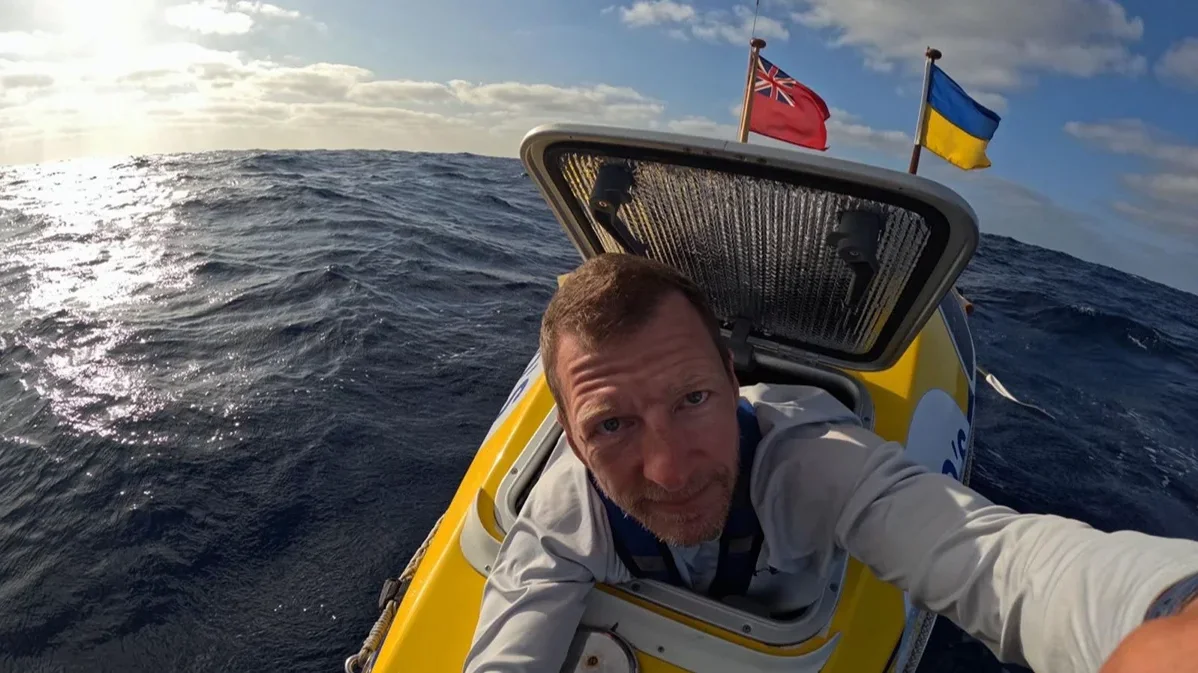
How Southampton-based anaesthesiologist Leonid Krivsky rowed across the Atlantic, collected £50,000 for Ukraine and found himself along the way