
‘Control of women is foundational to the Taliban’s project’
How life in Afghanistan has changed after the second Taliban takeover, Stanford University historian Robert Crews explains
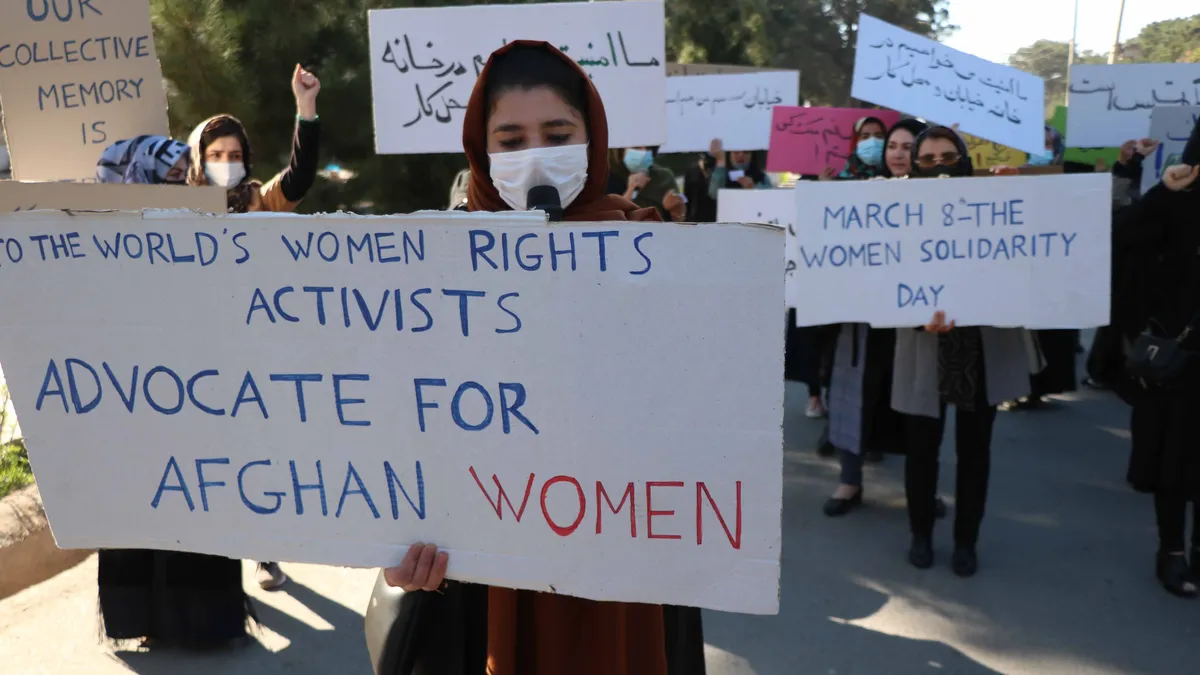
After the Taliban entered Kabul in August 2021 and re-established control over Afghanistan, they made a pledge to install a softer, more moderate regime compared to their first time in power in 1996-2001. Or at least, this is what the people wanted to hear.
Since then, however, the Taliban have been putting increasing pressure on half of the country’s population — the women. Over the course of the last two years, the Taliban have installed a mandatory head-to-toe cover up dress code for women, prohibited them from entering most public places including parks and sports centres, and banned young girls from going to schools and universities.
Most recently, the Taliban have ordered hair and beauty salons in Afghanistan to shut down, leaving even fewer job and leisure opportunities for women. The UN said all the progress that had been achieved in regards to female liberation during the 20-year-long US intervention in Afghanistan was erased after the Taliban takeover.
Novaya Gazeta Europe spoke with Stanford University historian and expert on Afghanistan Robert Crews about how the Taliban have changed during their second time in power and why the oppression of women plays a crucial role in their ideology and political project.
What they are doing with respect to women is a very intentional program to dismantle what the US, NATO, and various foreign actors did over 20 years.
The people who served in the Soviet army in the 1980s have since written memoirs about their time in Kabul. A lot of them try to understand why that [Soviet–Afghan] war was a failure.
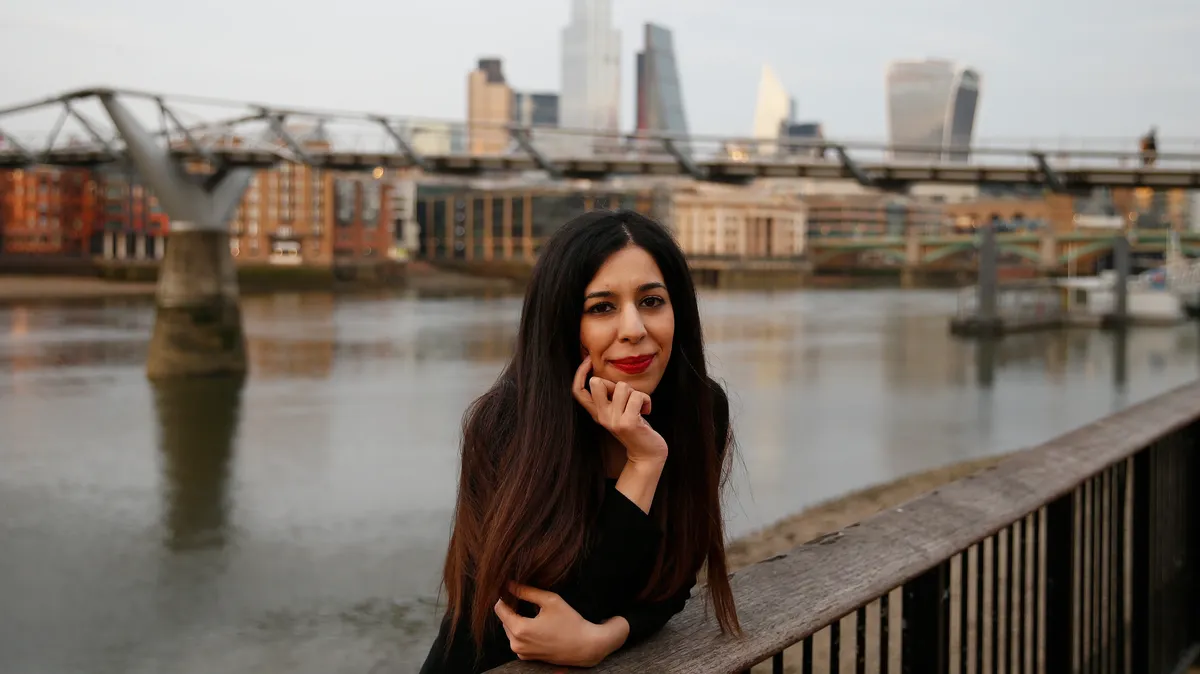
So the status of women became inseparable from what they think is their struggle against foreign influence and against the Americans. It’s not just about gender narrowly, but about their vision for the country.
The Taliban don’t really face any pressure from the international community for a variety of reasons. For the regional powers there are all these economic relationships and money to be made [in partnership with the Taliban].
The first draft of history
Julia Loktev discusses her critically acclaimed documentary about Russian journalists being branded foreign agents
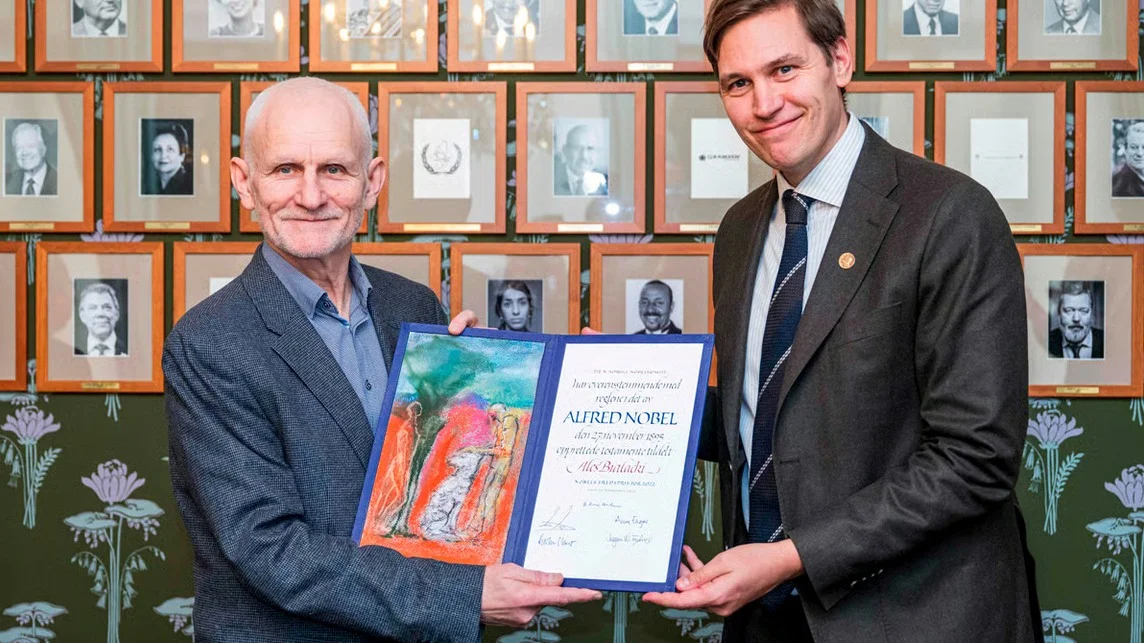
Gulag laureate
Freed Belarusian Nobel laureate Ales Bialiatski has finally been able to collect his peace prize
The price of freedom
Director Alexander Molochnikov talks about Extremist, his short film about former political prisoner Sasha Skochilenko
The deep freeze
Activist Zhanna Nemtsova on why depriving small-time Russian investors of their assets in the West won’t help undermine Putin
The B team
A veteran diplomat explains how the upcoming Trump-Putin summit is amateurish and politically driven
Holding on to the light
Ukrainian documentary maker and former combatant Alisa Kovalenko discusses her new film
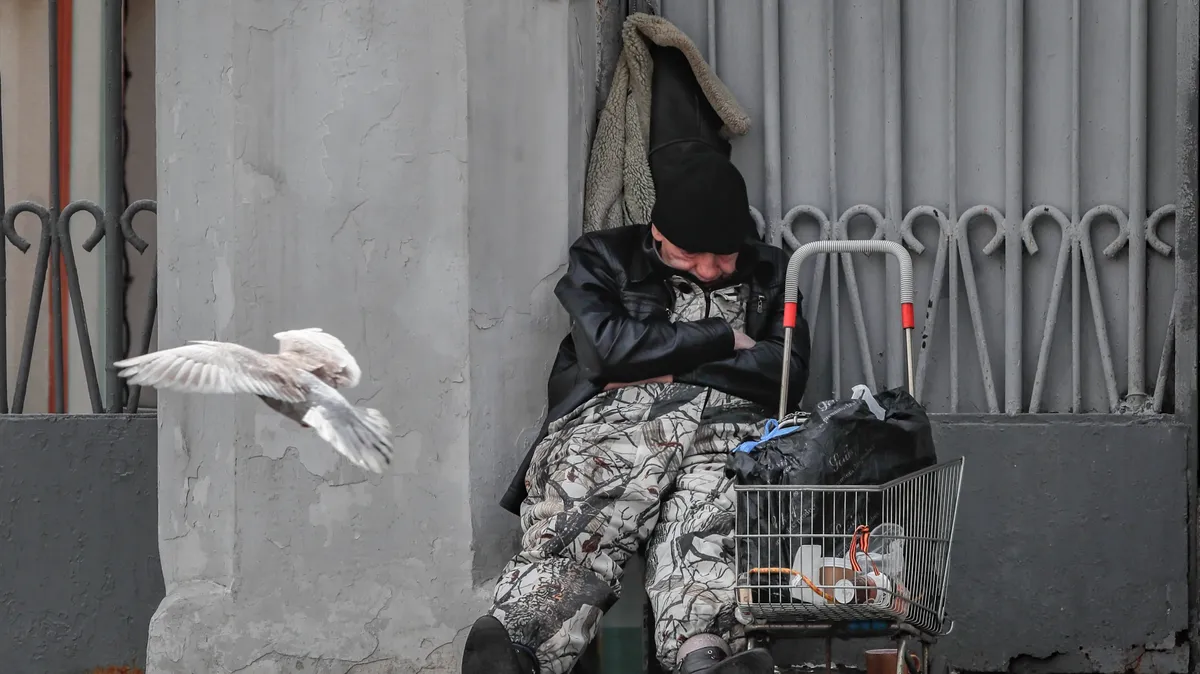
Charity begins at home
Exiled Russian activist Grigory Sverdlin discusses how the war in Ukraine is reshaping Russia’s charity sector
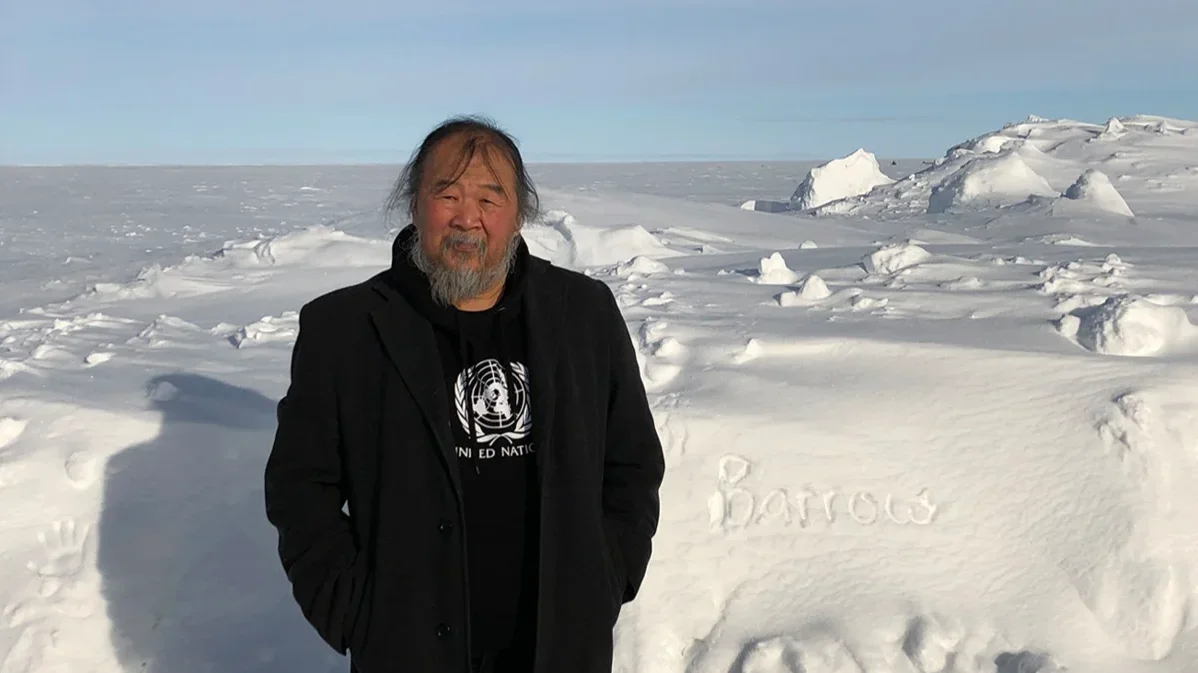
Fighting on
Exiled Russian Indigenous rights activist on defending marginalised communities and resisting propaganda
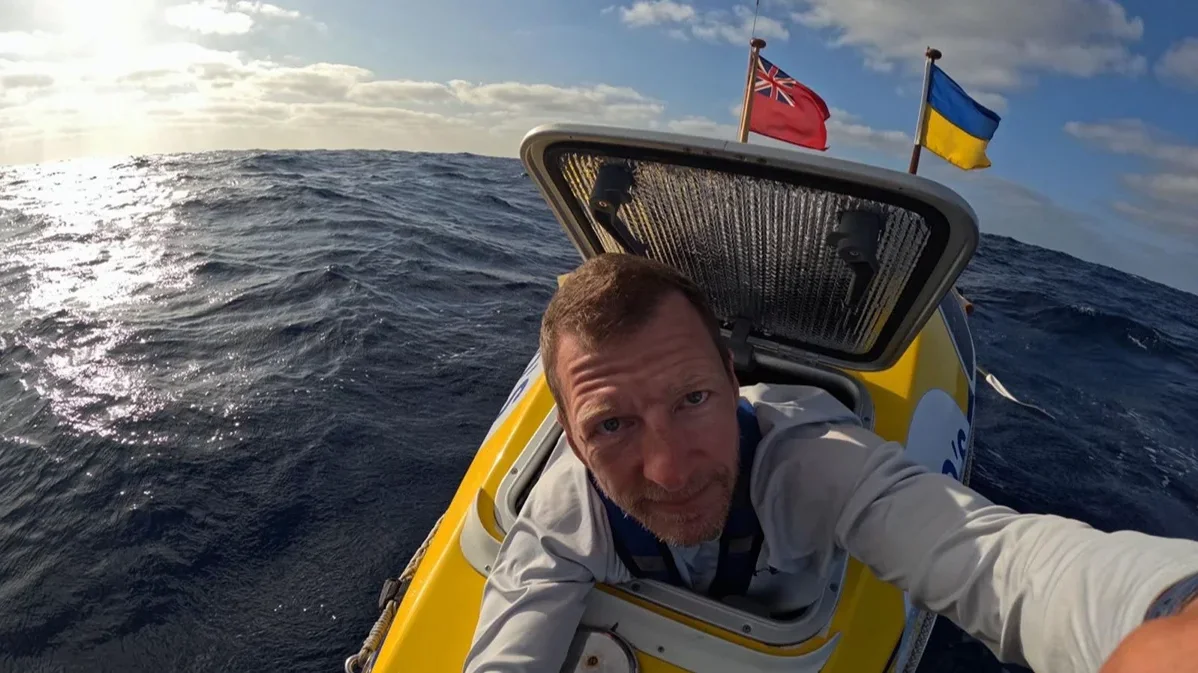
Rowing it alone
How Southampton-based anaesthesiologist Leonid Krivsky rowed across the Atlantic, collected £50,000 for Ukraine and found himself along the way