Summoning the leader
Why has the Kremlin decided to reinstate Putin’s annual live call-in event this year?
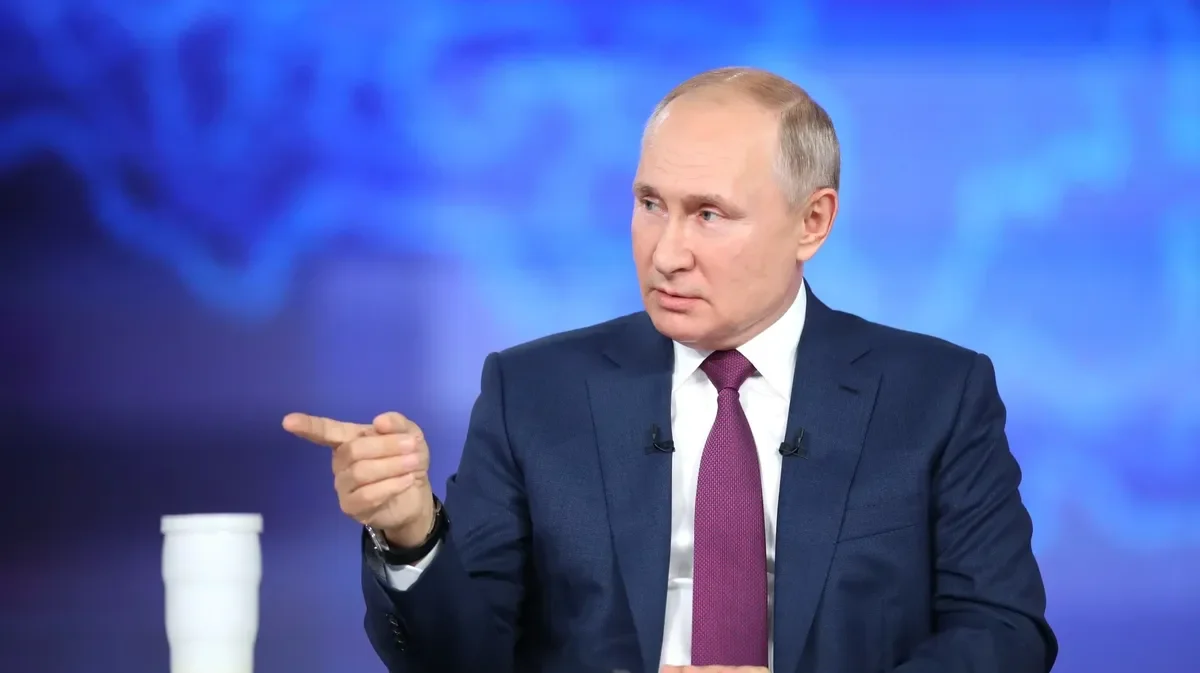
The Kremlin last week announced its plan to reinstate the annual presidential call in and the end-of-year press conference with Russian President Vladimir Putin this year, merging the two events into one.
While the Presidential Administration hasn’t specified a date, sources involved in preparations for the event have suggested to the RBC media group that 14 December is the likely date.
Both events were cancelled last year due to the outbreak of the war in Ukraine. Why are both events being brought back now?
“Putin wants this ritual to be highly organised, because it is important for society. The more primitive a society is, the more important these ritual ceremonies are,” he says.
“My understanding is that Putin didn’t really want to answer workers’ questions after Ukraine had liberated Kherson. But now he has adapted, changed his world view and thinks everything is fine, so he wants to broadcast this confidence to voters. Voters really like that too. They like having a tough leader.”
It is no coincidence, say the experts, that the direct line and press conference are being merged this year. Krasheninnikov says this way the Kremlin can “drown out the inconvenient questions from foreign journalists in a sea of popular approval”.
Russians will also be expecting gifts from Putin, Schulmann notes, such as troop rotation.
Against all odds
How sound economics has brought Ukraine’s GDP close to prewar levels despite four years of devastation
Four years of hell
Putin’s misjudged effort to subjugate Ukraine has only helped cement its national identity, and it won’t ever stop fighting
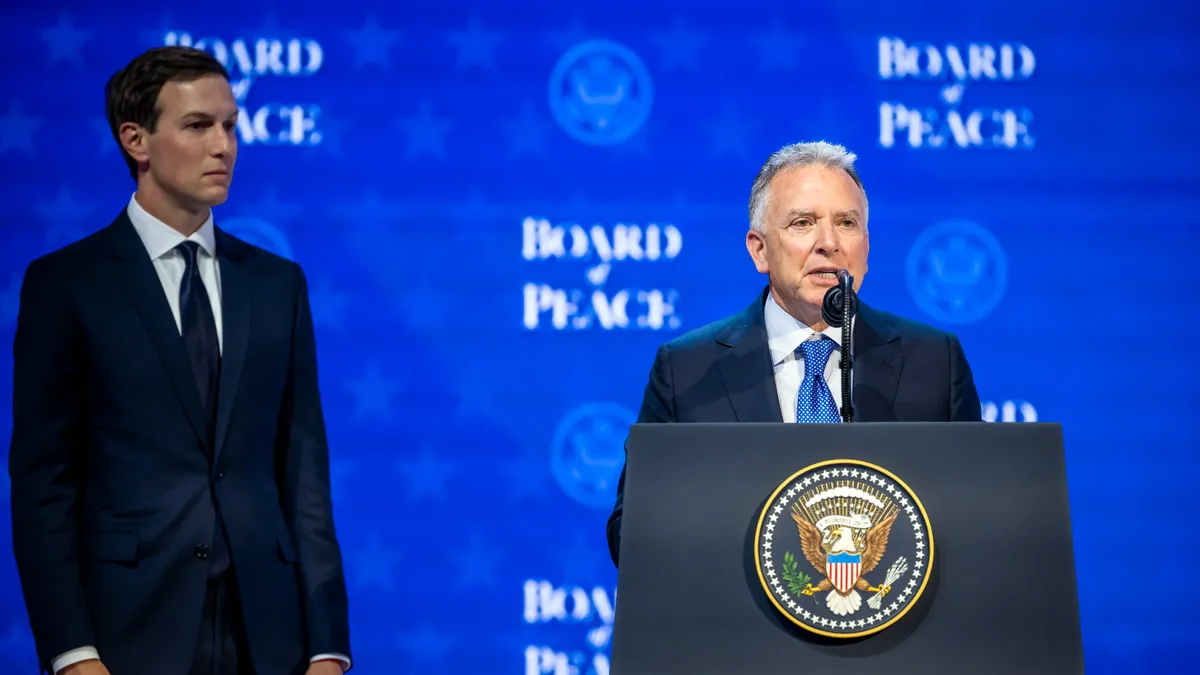
The artlessness of the deal
Trump’s diplomatic blitz exposes his fundamental misunderstanding of peacemaking
Electoral illusion
Claims that Kyiv is preparing to go to the polls to end the war in Ukraine are far-fetched to say the least
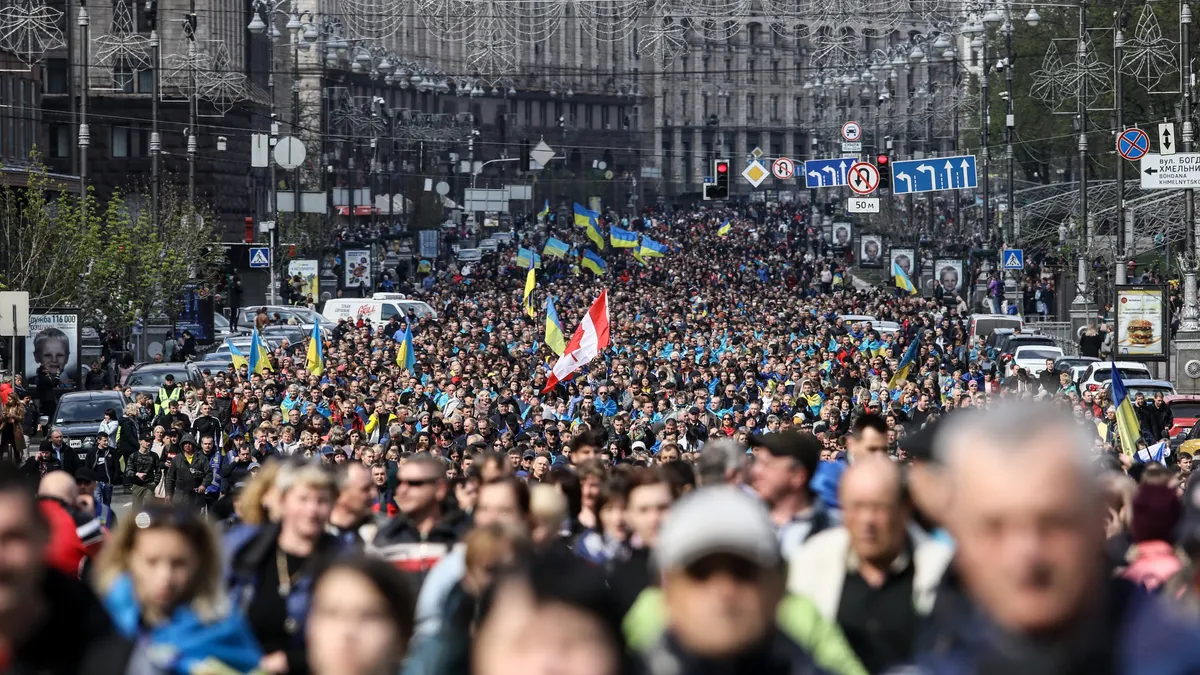
Anyone’s game
Who would win if presidential elections were actually held in Ukraine this spring?
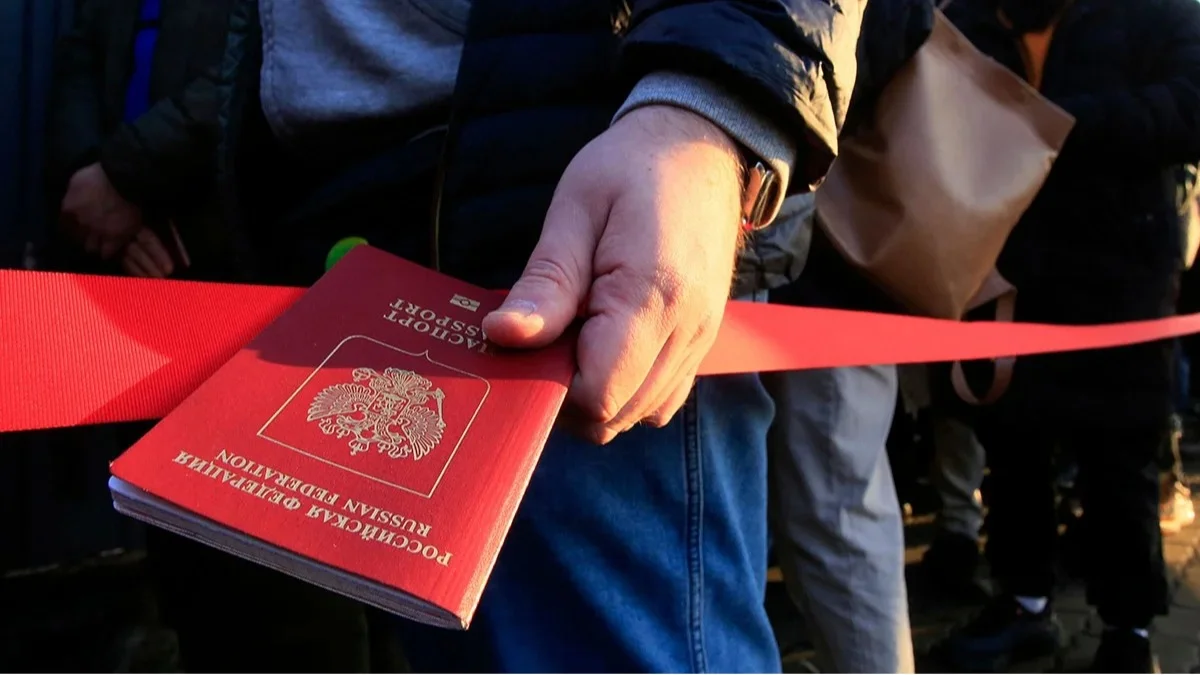
Suspect citizens
Much as in Soviet times, the Kremlin still views those with second passports as disloyal
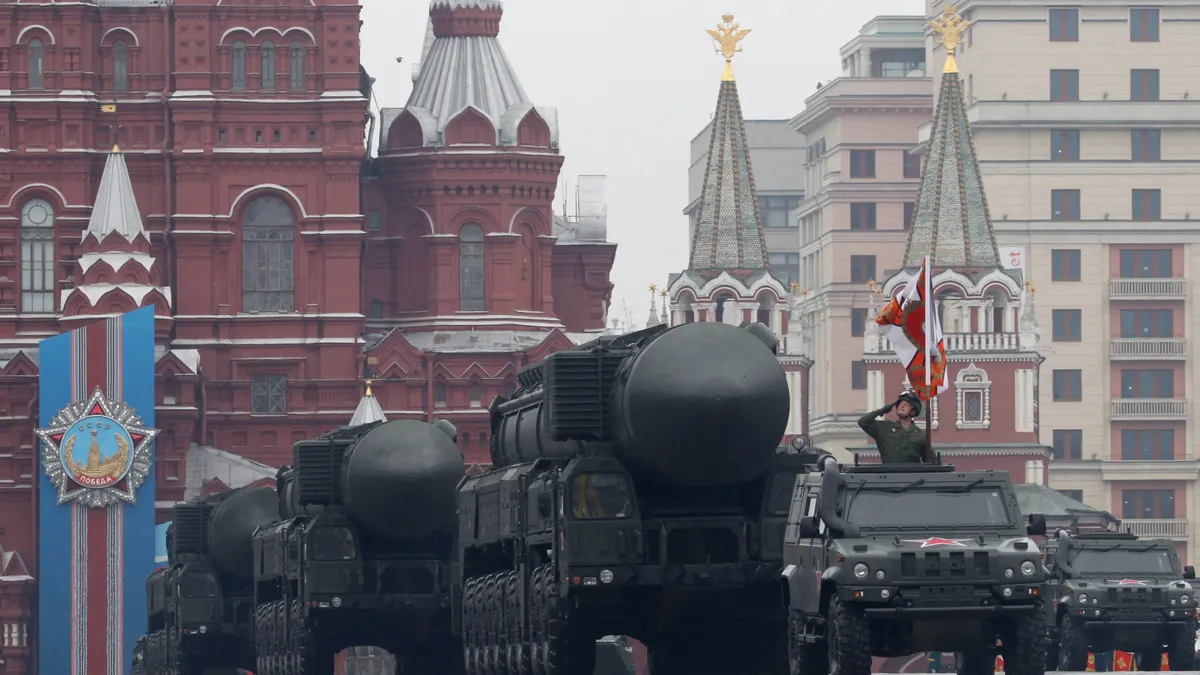
The new atomic era
The expiration of the New START Treaty last week showed that the world has grown too comfortable with nuclear weapons
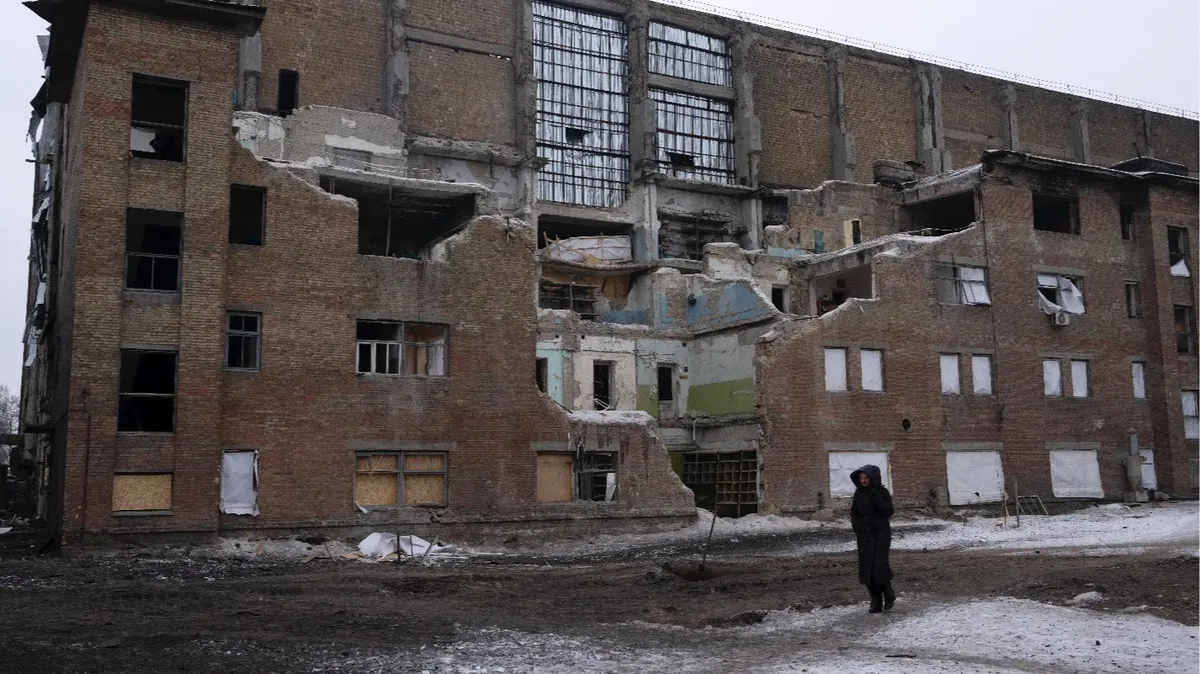
Powerless
Farcical peace talks in Abu Dhabi have gone nowhere as Ukraine freezes amid Russia’s winter onslaught
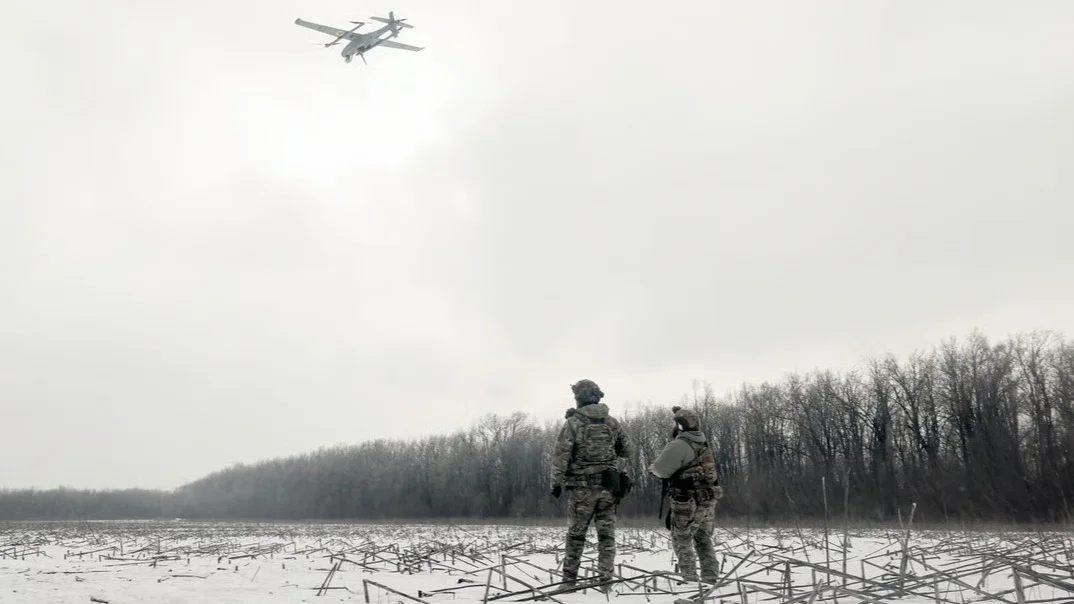
Under pressure
Giving up Donbas in return for US security guarantees could be fatal misstep for Ukraine