
New Year’s nightmare
St. Petersburg police rounded up thousands of Central Asian migrants on New Year’s Eve and pressured them into signing military contracts
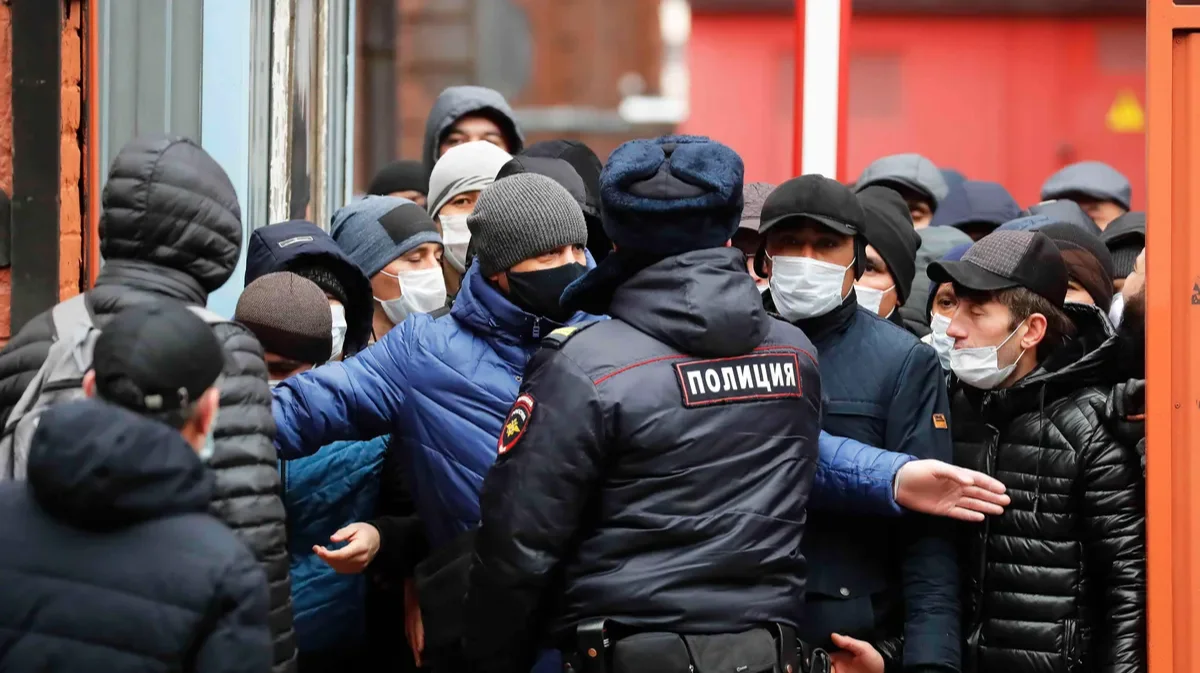
For migrants in St. Petersburg, New Years’ Eve turned from a festive holiday to a shocking nightmare. More than 3,000 people — including women, children and the elderly — were detained in the city’s streets and police officers turned up at apartment buildings known to house migrants.
An inquiry, for which searches of apartment buildings where migrants lived were carried out, revealed that employees of government agencies had been involved in the scheme. Illegal immigration to Russia hadn’t decreased, it had just been disguised as legal immigration.
“The prosecutor’s office is in on it, so where can you turn?” Rashid said. “Who will listen to a Central Asian anyway?”
Anti-extremism officers targeted communal apartment buildings in St. Petersburg where they knew many Central Asian migrant workers and their families lived, the source said. Reasoning that more people than usual would be gathered to celebrate the holidays, they decided to conduct the raids on New Year’s Eve.

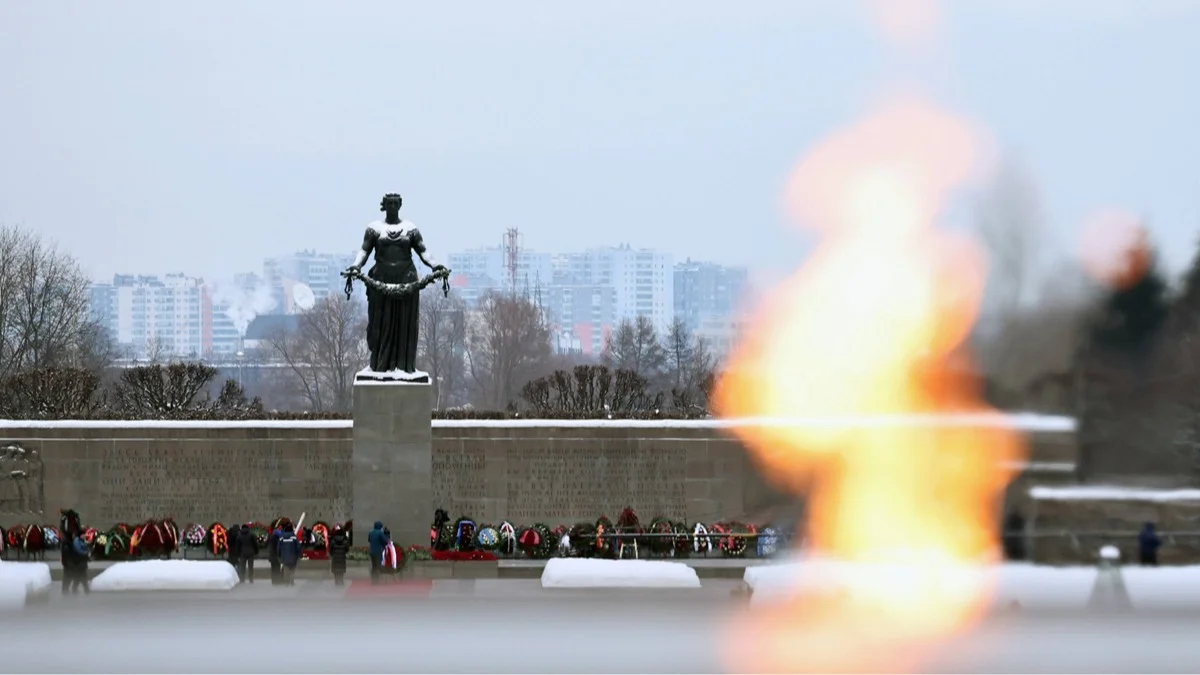
Как хотят наказывать за «отрицание геноцида советского народа»
«Новая-Европа» разбирается в новом законопроекте, жертвами которого могут стать журналисты, историки и учителя

Джей Ди Вэнс едет на Южный Кавказ
Каковы интересы Америки и какие новые геополитические смыслы обретает регион?

Маменькин сынок
История «сибирского потрошителя» Александра Спесивцева

Разведка в Абу-Даби
Кто такой Игорь Костюков — начальник ГРУ, возглавивший российскую делегацию на переговорах по Украине

Друзьям — деньги, остальным — закон
Кто получает путинские гранты: от больницы РПЦ до антивоенных активистов

Три миллиона файлов по делу Эпштейна
Трамп и другие контакты: что удалось обнаружить в новом и, возможно, последнем крупном массиве документов?

Поймай меня, если сможешь
«Марти Великолепный» с Тимоти Шаламе — один из лучших фильмов сезона, рассказывающий историю об игроке в пинг-понг как криминально-авантюрную сагу
«Отношение к ним в Европе жестче, чем в первый год войны»
Что сейчас происходит с российскими дезертирами?
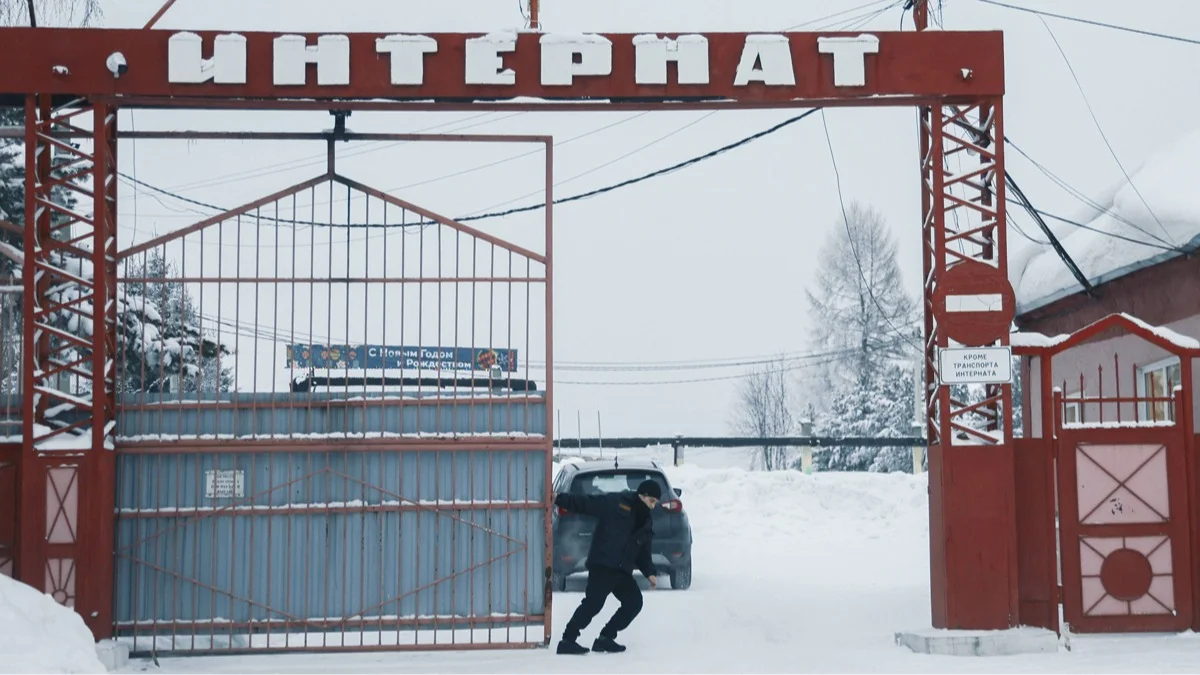
Что известно о ПНИ Прокопьевска, где из-за вспышки гриппа умерли девять человек
Сотрудники там жаловались на условия содержания пациентов: холод, испорченную еду и отсутствие лекарств