Crisis, what crisis?
Ukrainian attacks on Russian oil facilities may have reduced capacity by a sixth, but Russia seems to be weathering the storm
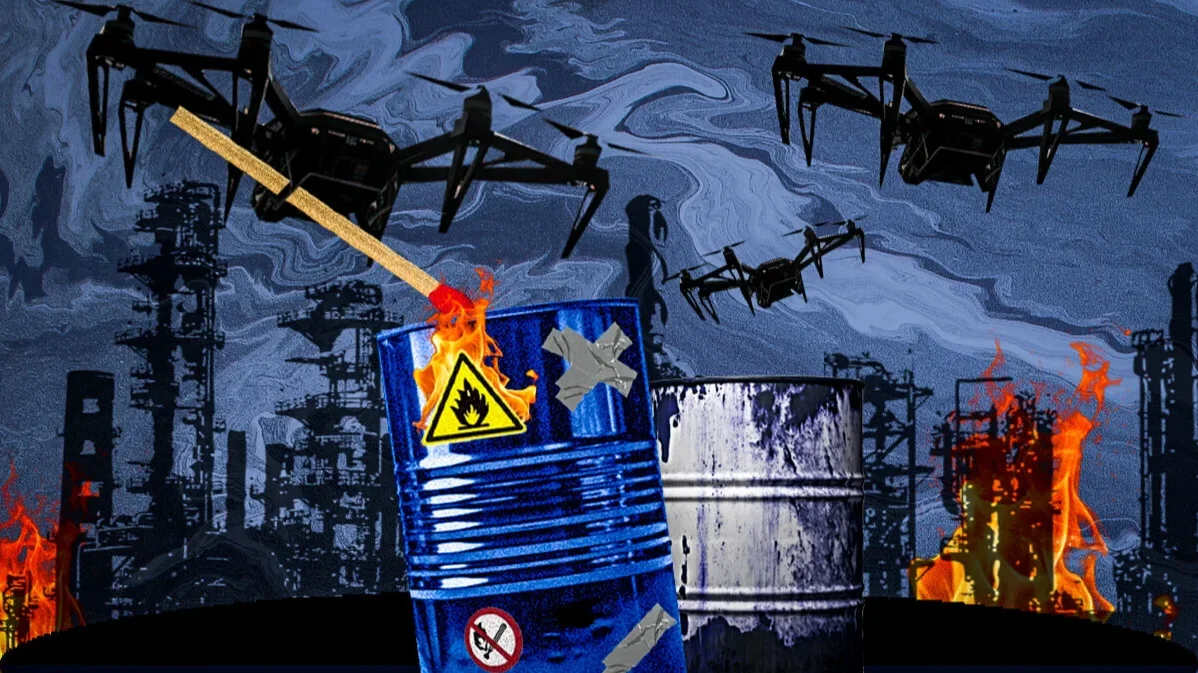
In recent weeks, the Ukrainian army has scaled up its drone strikes against the Russian oil industry and had disabled about one sixth, or 16%, of Russia’s motor fuel production by mid-March, an average loss of approximately 0.7 million tonnes of petrol and 1.1 million tonnes of diesel per month. Repairing the damage at large refineries usually takes months.
Our methodology
“If the attacks continue, Belarusian refineries will likely step in, and the Russian government may introduce subsidies or preferences for them,” a Russian oil expert said.
“If several refineries are forced to shut down at once, there’ll be a noticeable effect. For now, though, these barely sting,”
Road from Damascus
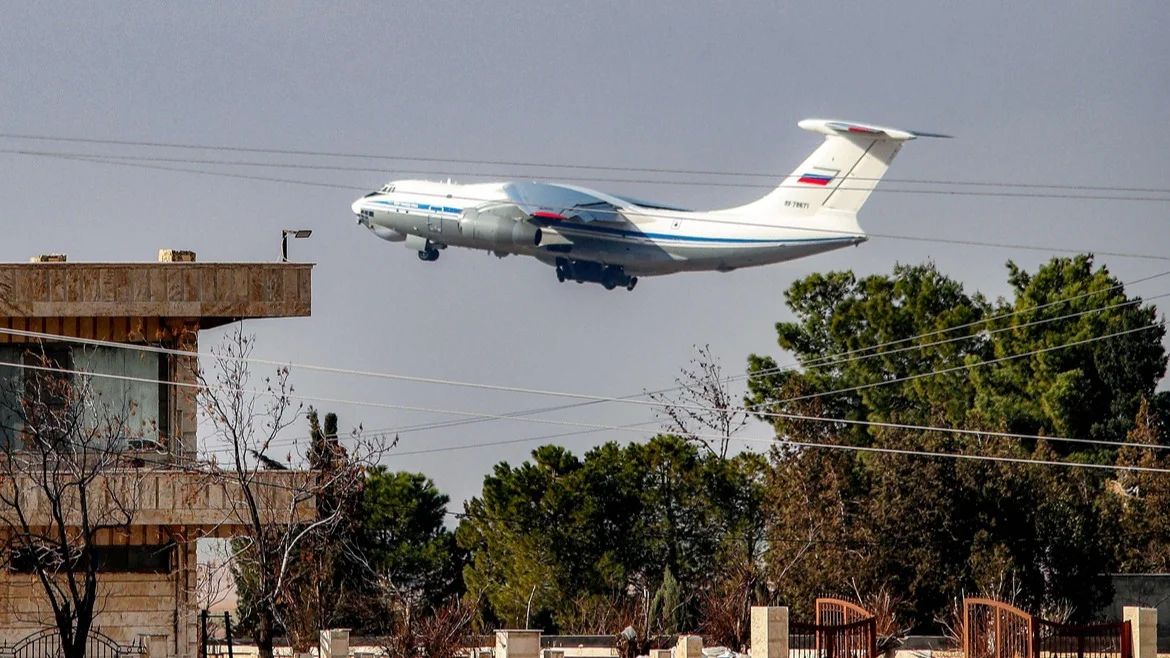
Why Moscow is scaling back its presence in Qamishli, a key military facility in northeastern Syria

Heir abhorrent
A multi-car pile up in Grozny has provided rare insight into Chechen warlord Ramzan Kadyrov’s succession plans

Flag fall
Ukraine is looking increasingly like the victor in the battle for Kupyansk

Fresh blood
What Zelensky’s appointment of Ukraine’s former military intelligence head as his chief of staff could signal for the country

Stolen youth
How Russia made young people’s lives worse in 2025
The war across Russia
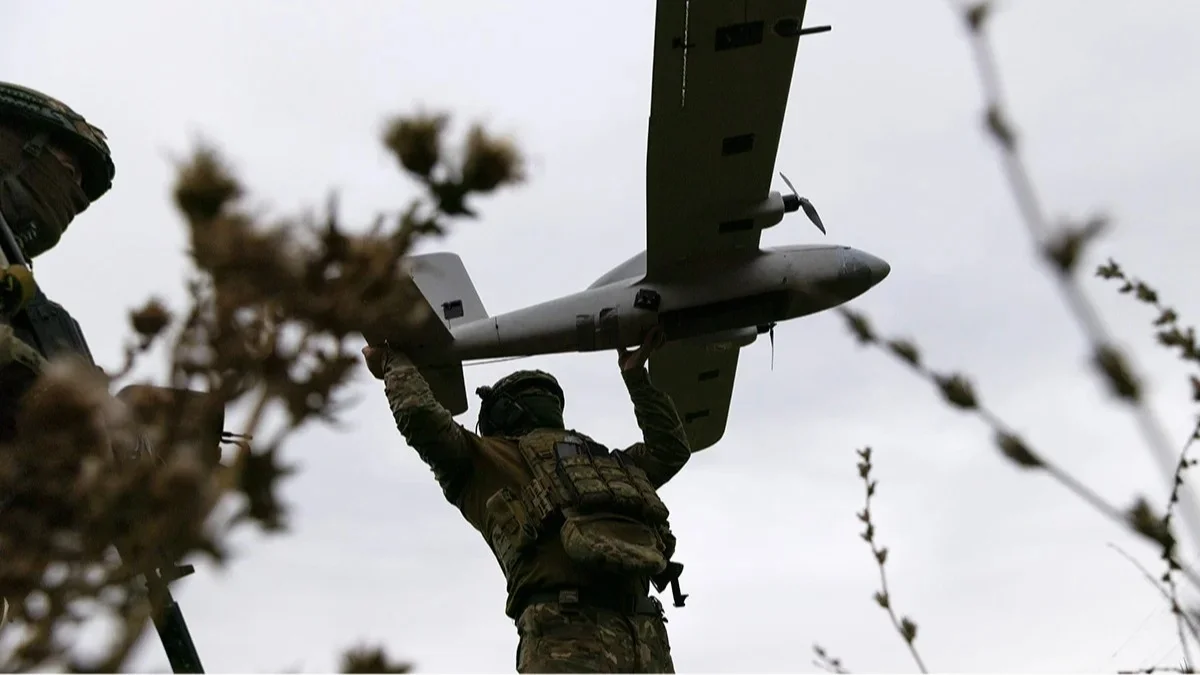
Drone strikes on Russia’s regions reached record levels this year, with an average of 11 crashing or striking their targets daily

Remorseless
The killer of Novaya Gazeta’s Anastasia Baburova has been freed into a country that’s more aligned with her worldview than ever

Moscow’s minions
A new pro-Kremlin bloc is taking shape in the European Parliament
Double whammy
Could sanctions and drone strikes lead to the collapse of Russian oil production and end its funding of the Kremlin’s war machine?