
Lost in space
How did Roscosmos go from a world leader in space exploration to being overtaken by its Chinese and Indian counterparts?
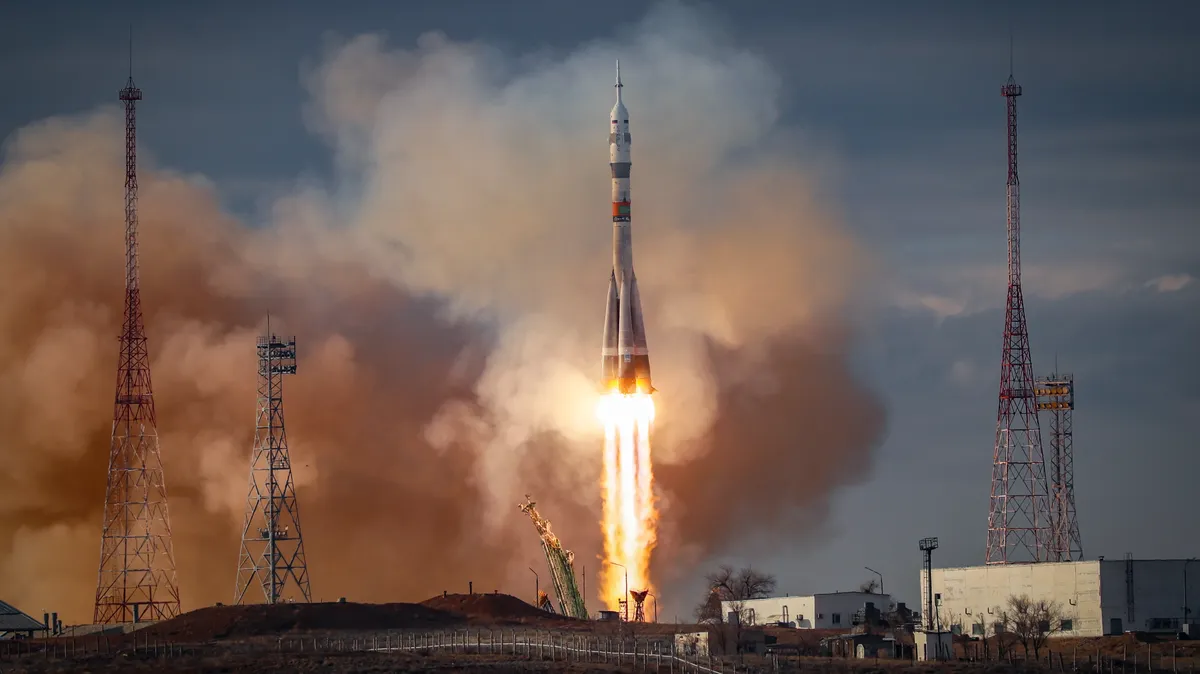
At 9:07am on 12 April 1961, Yuri Gagarin’s rocket sped towards the sky in the first-ever manned mission to space, cementing the Soviet space programme’s place in history. Six decades later, with the Soviet Union a distant memory, a plan to modernise Gagarin’s Start, the launch site of the mission at the Baikonur Cosmodrome in Kazakhstan, was abandoned. How did one of the world’s leading space programmes find itself isolated, defunded and bereft of foreign investors?
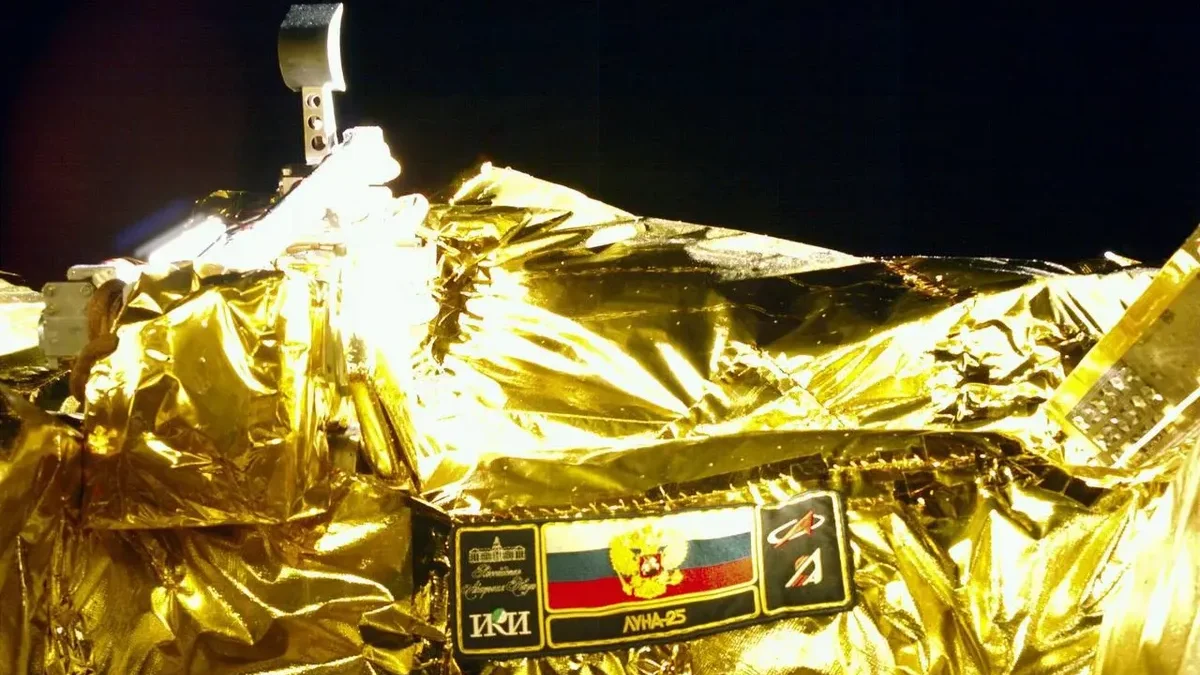
Today, Russia’s future in space hangs by a thread, with any advantage it once enjoyed fading as the Soviet legacy drifts further into the past and the country slips into decline, isolation, and authoritarianism.
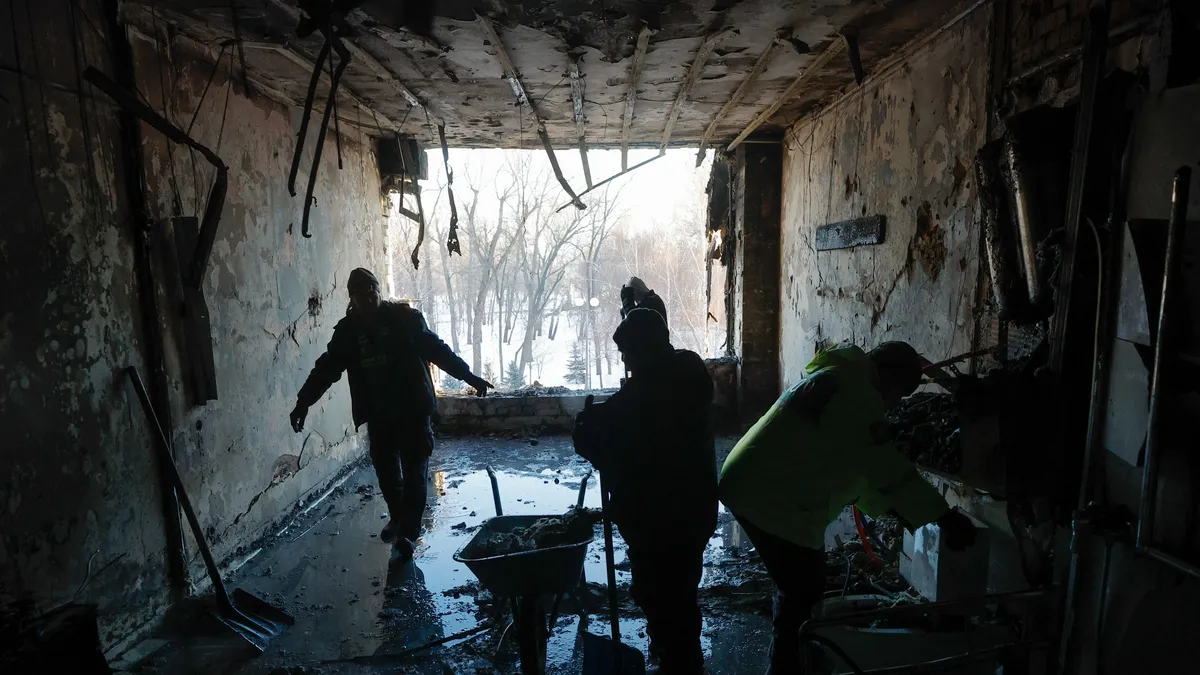
Russia’s drone pipeline
How Iran helps Moscow produce an ever-evolving unmanned fleet for use against Ukrainian civilians

Alone, together
While Volodymyr Zelensky appears upbeat about US security guarantees, Davos only demonstrated Trump’s unreliability
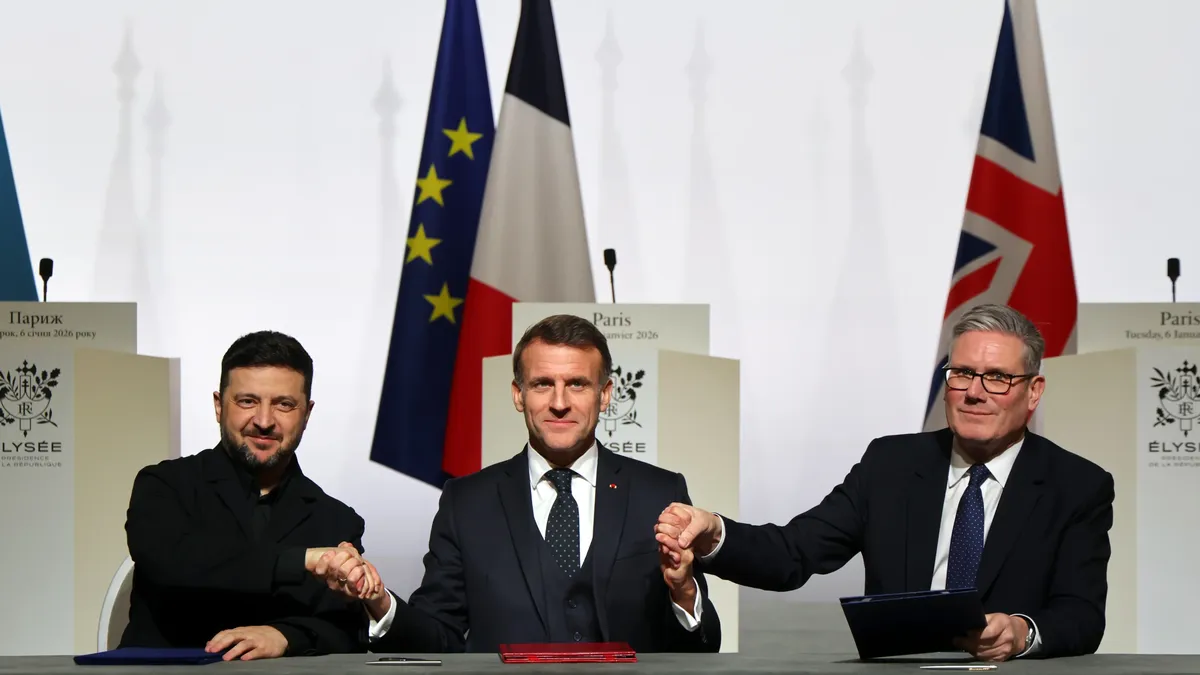
Neighbourhood watch
With NATO and the EU unsuited to meet Europe’s evolving security needs, it’s time to formalise the coalition of the willing

Going to cede
Restitution of lost territory can take decades and is only realistic in certain geopolitical circumstances
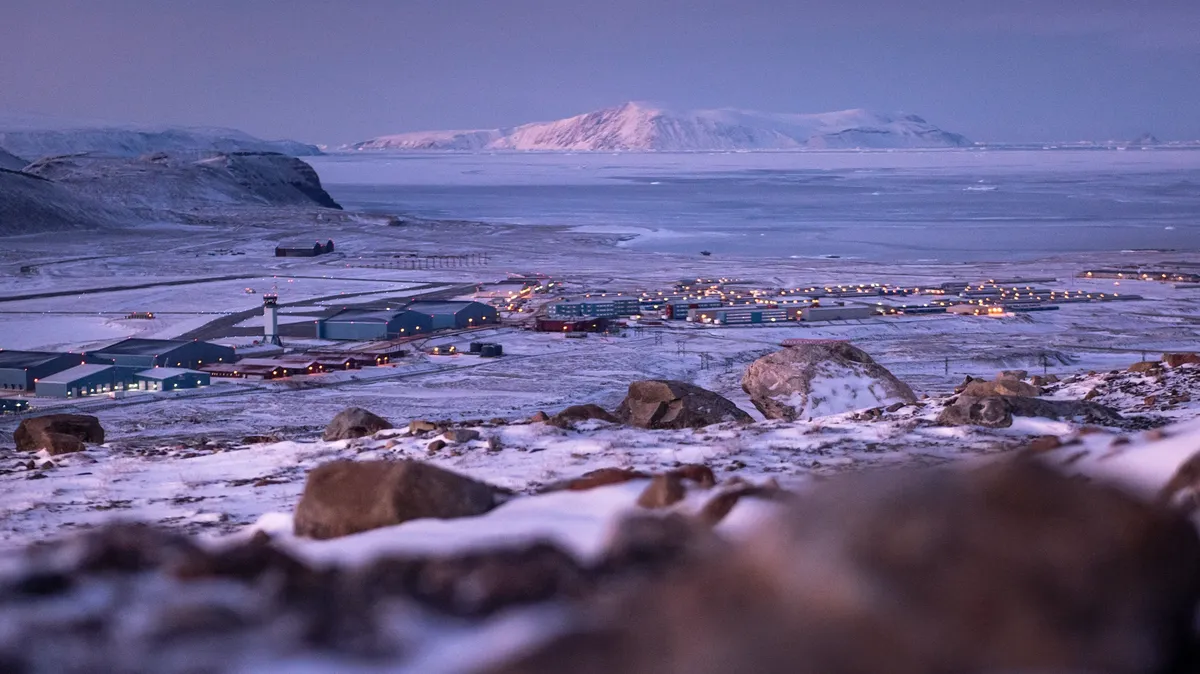
The race for the Arctic
Trump’s outlandish threats to seize Greenland risk ushering in a new world order based on spheres of domination
A grave miscalculation
Putin’s attempt to re-enact World War II in Ukraine has gone horribly wrong
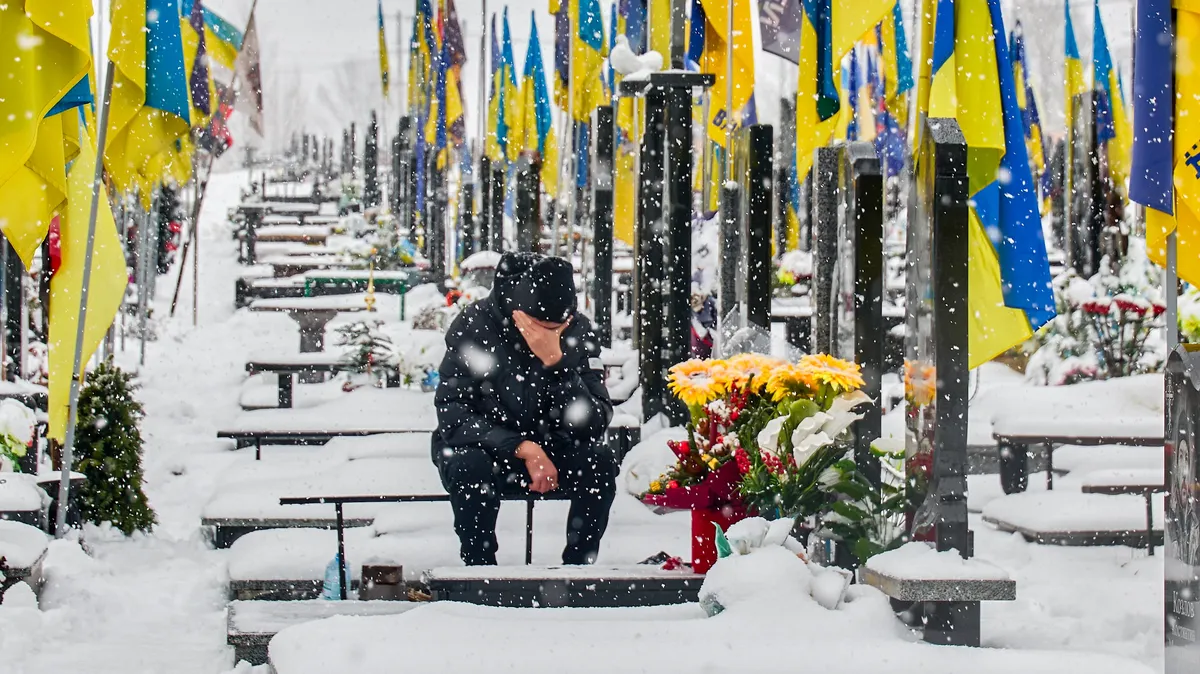
A frozen war is not peace
Why a premature peace deal in Ukraine could just be kicking the can of Russian revanchism down the road

Just 10% from peace
Novaya Gazeta Europe’s Kyiv correspondent reflects on another year of war and muses on what 2026 may bring
The year that could be
Even without cause for optimism about the state of the world, we mustn’t allow hope to die