Slamming the window shut
The European University at St. Petersburg has closed its Faculty of Political Sciences following years of official pressure

It was with a heavy heart that the head of the European University at St. Petersburg’s Faculty of Political Sciences, Grigory Golosov, announced his department’s closure just days after it was inspected by the Prosecutor General’s Office. While it’s unclear if the inspection played a direct role in the decision to close the faculty, its teaching staff has been subjected to decades of political pressure and intimidation.
Zavadskaya says that the fact that it was even theoretically possible for a Russian university to accept foreign funding in 2007 now seems remarkable to her.
“The atmosphere in the country is no longer conducive to researching a number of topics, and the availability of funding dictates research priorities.”


half of the students enrolled at the Faculty of Political Sciences have been instructed to change their thesis topics to avoid research areas that touch on modern Russia.

Как хотят наказывать за «отрицание геноцида советского народа»
«Новая-Европа» разбирается в новом законопроекте, жертвами которого могут стать журналисты, историки и учителя

Джей Ди Вэнс едет на Южный Кавказ
Каковы интересы Америки и какие новые геополитические смыслы обретает регион?

Маменькин сынок
История «сибирского потрошителя» Александра Спесивцева

Разведка в Абу-Даби
Кто такой Игорь Костюков — начальник ГРУ, возглавивший российскую делегацию на переговорах по Украине

Друзьям — деньги, остальным — закон
Кто получает путинские гранты: от больницы РПЦ до антивоенных активистов

Три миллиона файлов по делу Эпштейна
Трамп и другие контакты: что удалось обнаружить в новом и, возможно, последнем крупном массиве документов?

Поймай меня, если сможешь
«Марти Великолепный» с Тимоти Шаламе — один из лучших фильмов сезона, рассказывающий историю об игроке в пинг-понг как криминально-авантюрную сагу
«Отношение к ним в Европе жестче, чем в первый год войны»
Что сейчас происходит с российскими дезертирами?
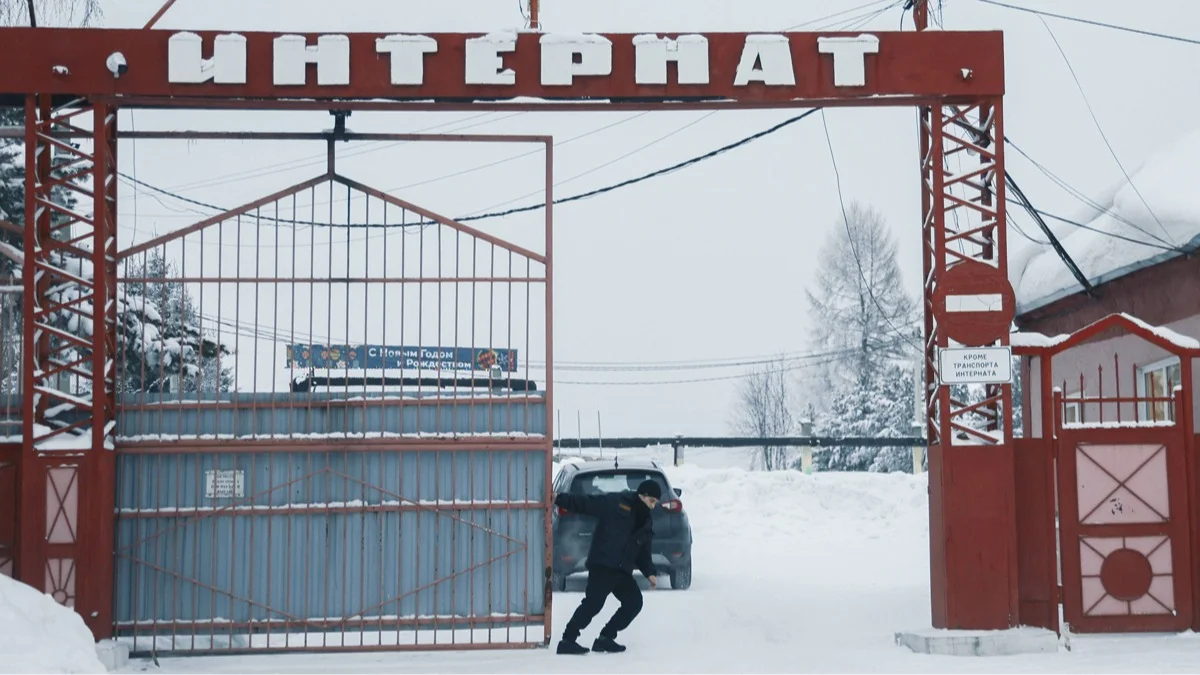
Что известно о ПНИ Прокопьевска, где из-за вспышки гриппа умерли девять человек
Сотрудники там жаловались на условия содержания пациентов: холод, испорченную еду и отсутствие лекарств