People in Kyiv didn’t get much sleep during the October nights, when the Ukrainian capital was targeted by a record number of attack drones, not to mention by daytime air raids. Drones usually enter the city in waves from different directions, having been launched at ultra-low altitudes, making them difficult to intercept.
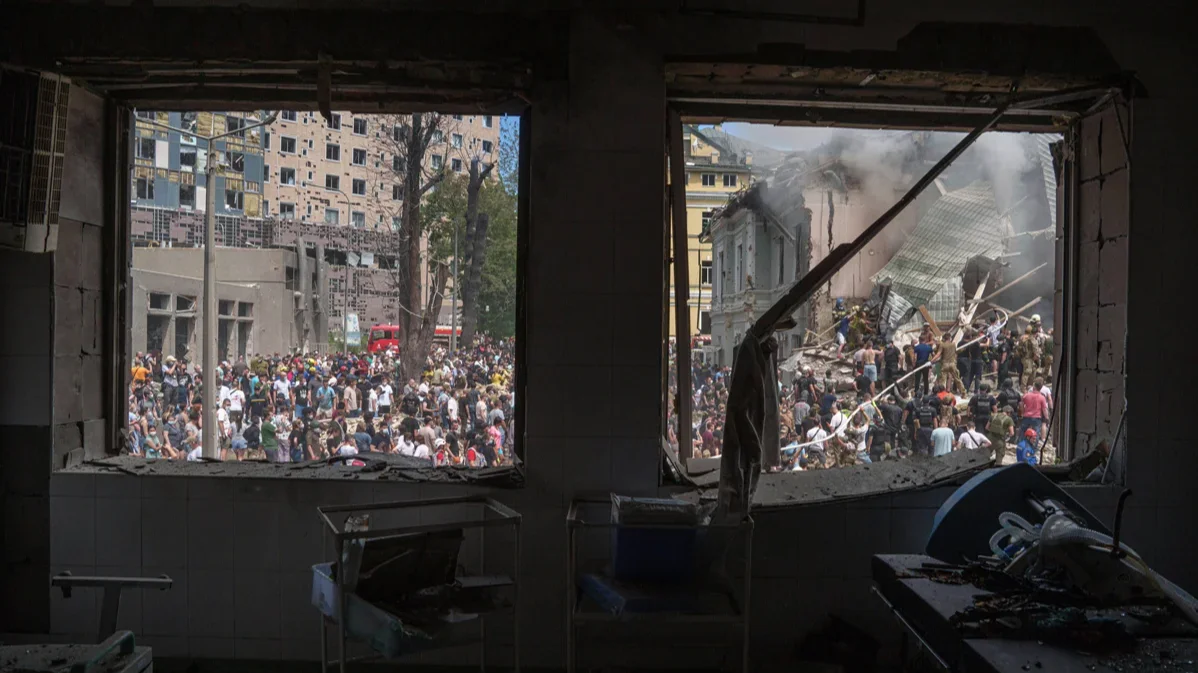
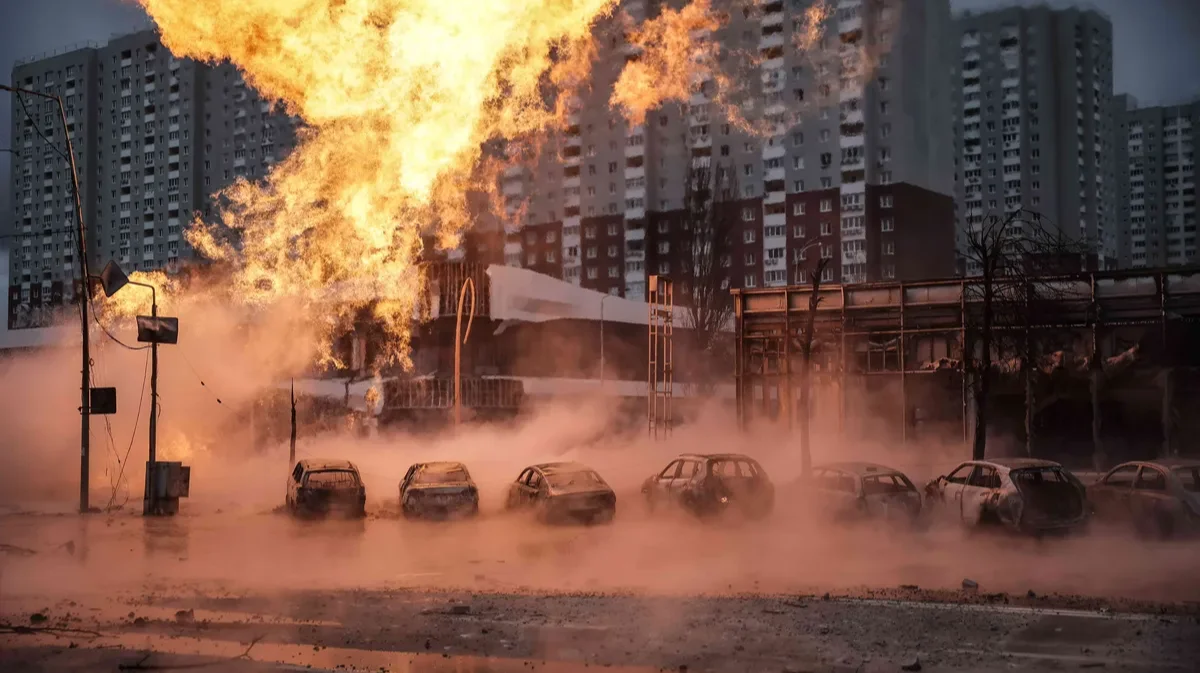
Shahed drones can fly as low as the upper floors of blocks of flats, where Russia’s enemies have hunkered down. Moscow’s latest plan of action is not to destroy infrastructure or energy facilities — that can wait for the winter — but to target the civilian population and the Patriot missile systems that protect the country’s cities.

It usually begins around midnight. A siren howls. Telegram channels leap into action, saying which parts of town need to pay particular attention. Then there are the explosions, either near or far. An experienced ear can differentiate incoming fire from air defences.

Taking cover is, of course, the right thing to do, especially if there’s a car park or metro station nearby. But not everyone can sit there until dawn, dozing off on a chair or rug, phone in hand, waiting for the second wave of drones to die down after the first is fended off. People need to go to work, to school, or just to run errands. Kyiv isn’t a frontline zone, after all.

Unconscionable
читайте также

Unconscionable

Russia’s missile strike on a Kyiv children’s hospital marks a new low

The sleepless nights are especially hard on the old and young, and as such, safety advice is tailored to reality: people are told to sleep in the hallway, not their bedrooms, and crucially, behind solid walls. That advice makes a difference and has saved many lives.

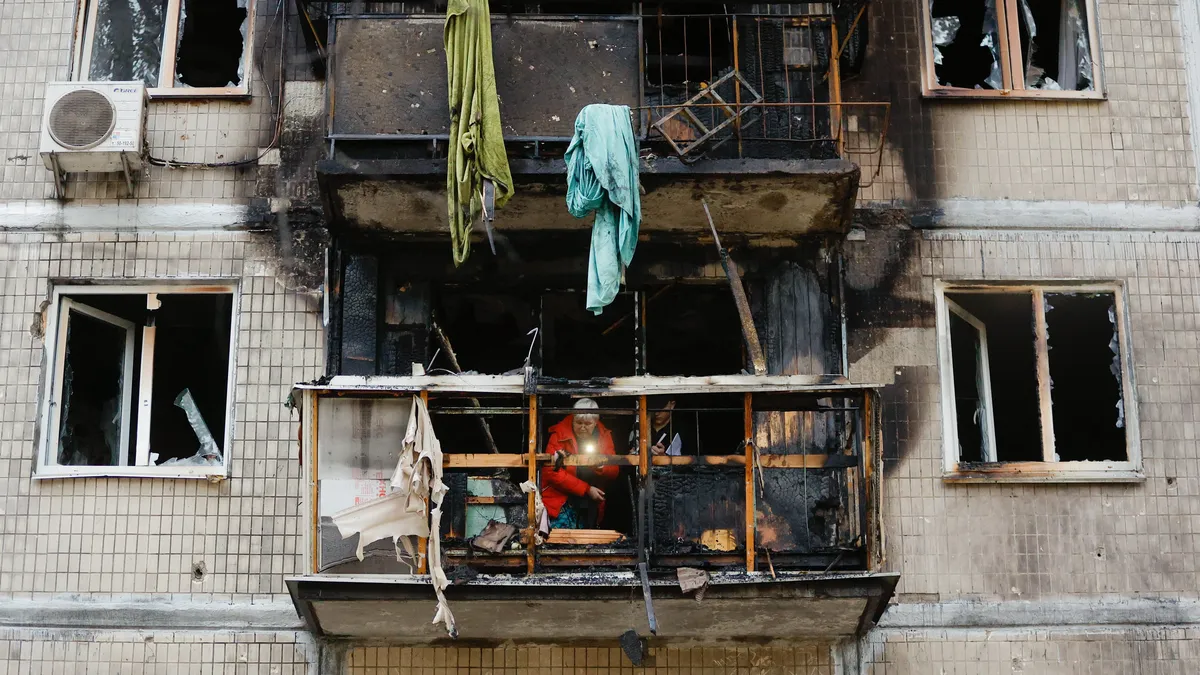
I was at home on 25 October when I heard the impact. A Russian drone had smashed into the window of a high-rise building in the west of the city. First there was an explosion, then a fire. Rescue workers evacuated residents, while ambulances took away the injured. Mayor Vitaly Klitschko wrote on Telegram: “Apartments … have been damaged. The fire has been extinguished. A girl born in 2009 was killed.”

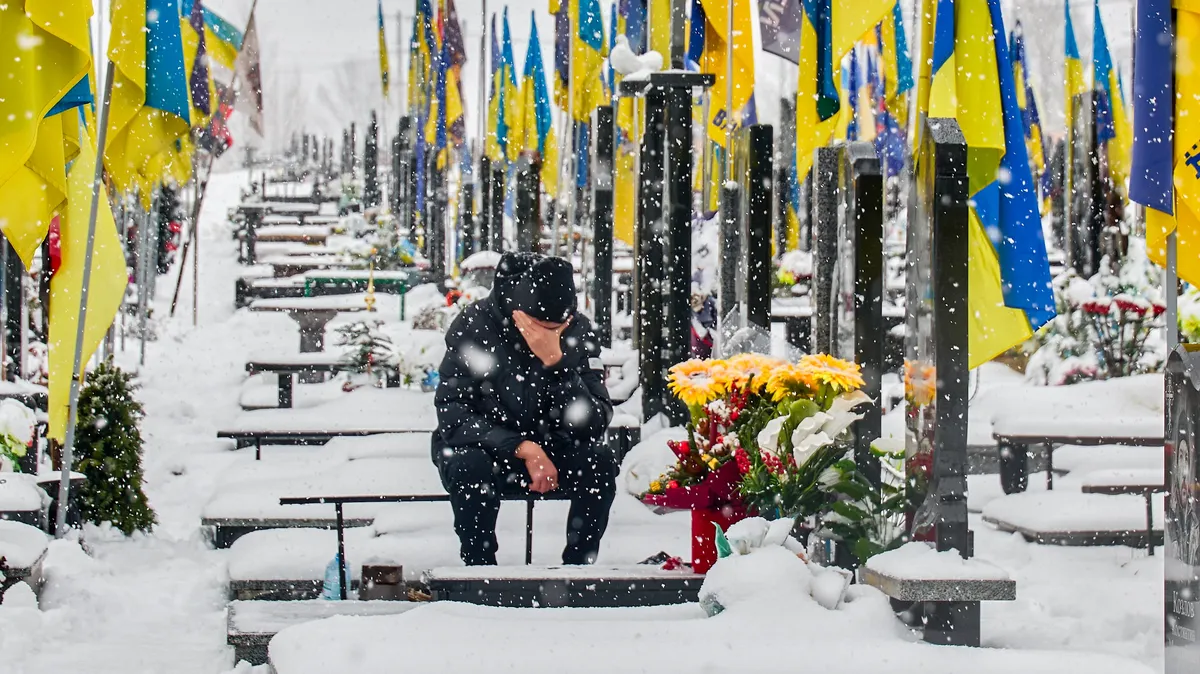
Maria Troyanivska, a ninth-grader, was class prefect and a talented, bright, creative and rising theatrical star, shocked teachers and parents of her classmates wrote on Facebook. Her funeral was held on 29 October at St. Michael’s Golden-Domed Monastery, where the country’s defenders, Ukraine’s best sons and daughters, have been honoured since the Maidan. But never before has Ukraine had to bury so many of its children lost to Russia’s night-time raids.

The northern city of Sumy was attacked by a series of Shahed drones on 22 October. One struck the home of the Kushnaryov family as if it was a military facility. Three died, including 14-year-old Anya. The dead were pulled from the rubble when it was already too late. Anya had just returned home from a trip to Kyiv the day before, telling a neighbour: “Where else can we go? It’s the same everywhere…”

In the early hours of 26 October, a rocket struck a residential building in the city of Dnipro in central Ukraine, killing four people, including the wife and 14-year-old daughter of a police officer. Four other young people were also injured.

In long-suffering Kharkiv, one glide bomb just missed a nine-storey building in the early hours of 28 October, but nevertheless injured seven people including a 16-year-old schoolgirl.

That same night, a house in Chuhuiv, in the Kharkiv region, was hit by rockets from a Tornado multiple rocket launcher. Four children aged between 1 and 12 years old were injured.

Journalist Anna Gin wrote of another Black Thursday in Kharkiv on 31 October. “We spent 40 minutes trying to resuscitate a child,” a medic said, dizzy with fatigue. “But, unfortunately, we couldn’t.”

Early on Thursday morning a Russian glide bomb hit a nine-storey building in northeastern Kharkiv. The mother of a 12-year-old boy was hospitalised.

Dark night of the soul
читайте также

Dark night of the soul

Just two days into 2024, Kyiv came under yet another brutal Russian attack

“She isn’t injured,” a busy doctor explains. “It’s probably her heart.”

One woman’s heart couldn’t take it. Another woman wails. “Borya! Borya was in there!” Borya is 15. He was asleep in his room on the ground floor. A pile of concrete now lies in its place. There are hundreds of people standing around the damaged building. There is screaming, crying, despair. But also hope as they carry on the search.

But there would be no miracle. Borya’s dead body was eventually pulled out from under the rubble.

Ukrainians continue to baffle onlookers with the apparent disconnect between the suffering they are experiencing and their reaction to it.
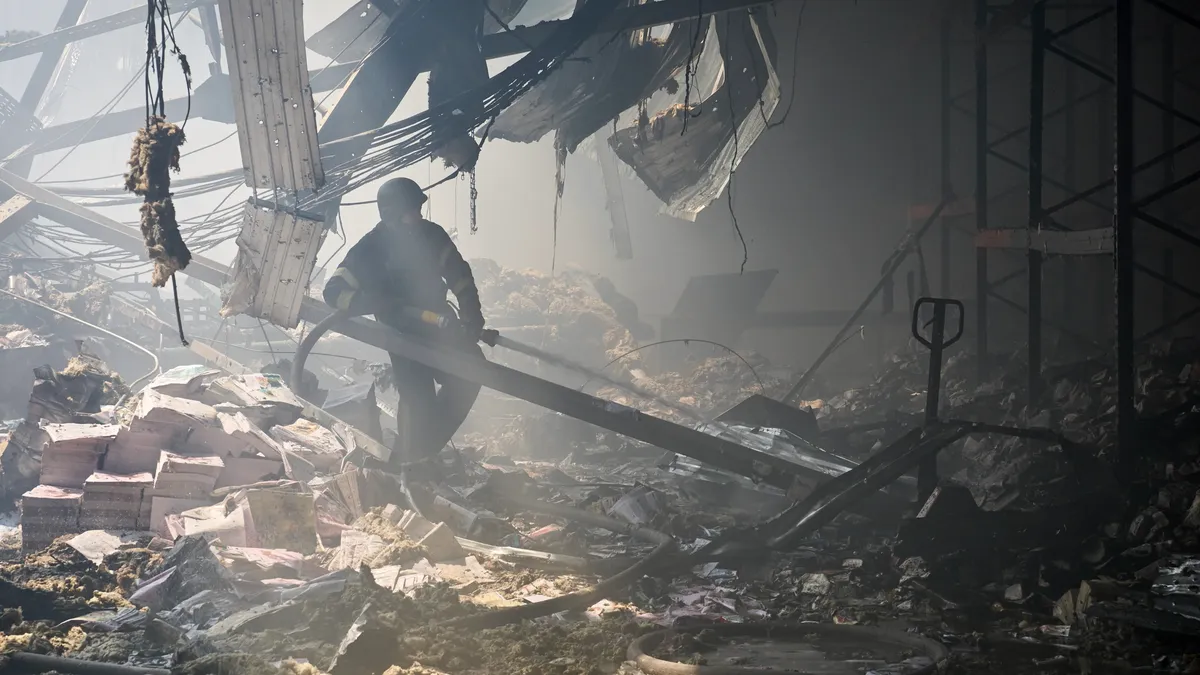
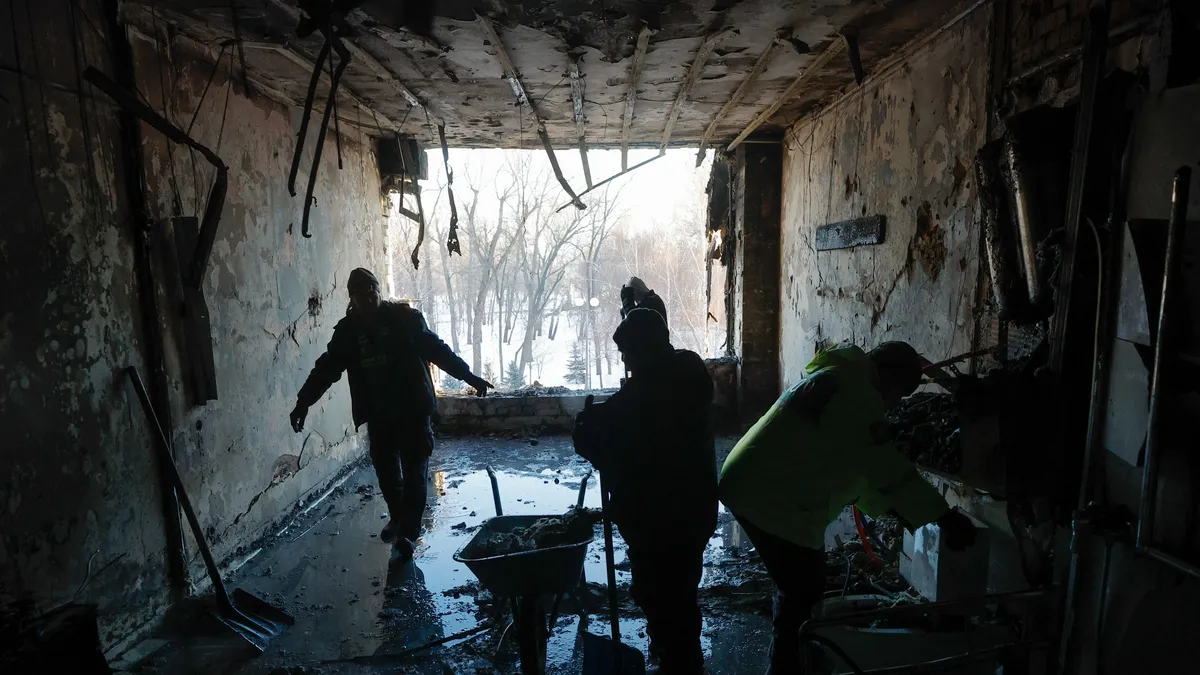
People outside Ukraine who read such news could be forgiven for thinking that Kyiv, Sumy, Dnipro and Kharkiv lie in ruins and are demoralised. The lack of sleep, the constant tension and the endless dicing with death might long since have forced the population in another European country to demand that their government sue for peace with the aggressor. That is what the Kremlin hopes for and what its child-killing efforts are targeted at.

But Ukrainians continue to baffle onlookers with the apparent disconnect between the suffering they are experiencing and their reaction to it. Daytime Kyiv is still a modern metropolis that somehow manages to bandage its wounds. Kharkiv residents are building fortifications and already thinking about how to restore the symbol of the city, the Derzhprom building, damaged by a glide bomb on Tuesday. Sumy is attacked on a daily basis with cluster bombs from the neighbouring Russian Kursk region, yet still manages to supply the part of that region currently controlled by the Ukrainian military with food and medicine for the vulnerable there.

It is easy to look up and see the heights against a backdrop of such lows.

Kyiv

Поделиться
Больше сюжетов
Что Украина и США обсуждали в Берлине

Что Украина и США обсуждали в Берлине

Компромисс по «мирному плану» до сих пор не найден: американская сторона требует, чтобы Киев уступил Донбасс, Зеленский это отвергает

Похищение игрока, провал Карпина и сенсация из ниоткуда

Похищение игрока, провал Карпина и сенсация из ниоткуда

Российский футбол даже в изоляции оказывается в центре внимания. Что в нем произошло за последние полгода?

Палачи и жертвы

Палачи и жертвы

В годы Большого террора чекистов, истязавших людей, часто тоже пытали и расстреливали. Это называется «экосистемой насилия»

Научный занавес

Научный занавес

Российским ученым усложняют сотрудничество с иностранными коллегами. Историк Рустам Александер вспоминает, как это работало в СССР

Евгения Хасис рассказала в интервью Собчак о подготовке к убийству Маркелова и Бабуровой, желании пойти на «СВО» и отношении к национализму сейчас

Евгения Хасис рассказала в интервью Собчак о подготовке к убийству Маркелова и Бабуровой, желании пойти на «СВО» и отношении к национализму сейчас

Главное из интервью

Великий выдумщик

Великий выдумщик

Умер Фрэнк Гери — один из самых известных современных архитекторов. Одни называли его работы революцией, другие — безумием

«Вежливые люди» захватывают Финляндию

«Вежливые люди» захватывают Финляндию

Сериал «Конфликт» о повторении крымского сценария вышел в России. В версии с цензурой нет упоминания армии РФ

На языке пламени

На языке пламени

«Литературная политика Третьего рейха» — исследование о том, как Гитлер вел войну с книгами и что из этого вышло

Между самодержавием и самовластием

Между самодержавием и самовластием

Академик Юрий Пивоваров рассуждает о маятнике русской истории