
‘We swept into Moscow in Gorbachev’s limousine’
Pet Shop Boy Neil Tennant on his love affair with Russia before the ‘cancer of Putin’
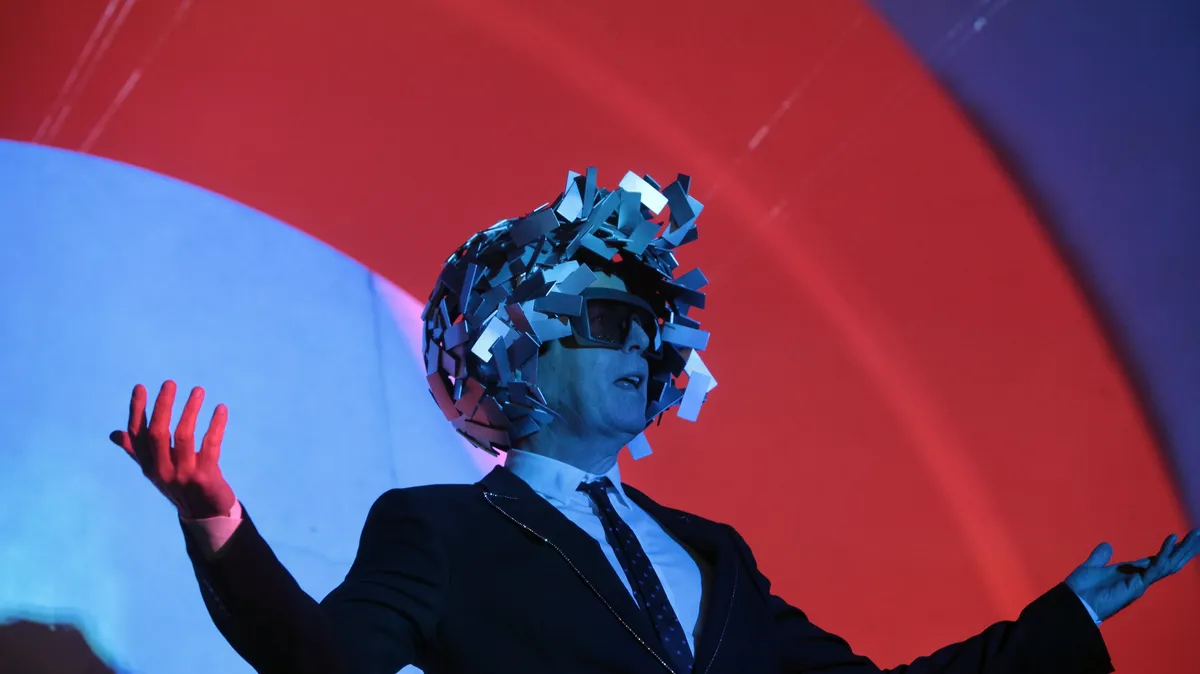
“Alas they don’t release our records there, though as we all know we are the most popular group in Russia,” Neil Tennant of the Pet Shop Boys is quoted as saying to his bandmate Chris Lowe, in Chris Heath’s 1990 book about the iconic British duo, Literally. While Tennant quickly adds that he “never ever believed” it to be true, the claim was probably no exaggeration at the time, as Western synth-pop experienced a surge in popularity in glasnost-era Russia, giving rise to new subcultures and dozens of Russian imitators.
However, much like their Western role models, these artists were often dismissed in Russia as popsa — a pejorative term used to contrast them with more “serious” music, primarily Russian rock, which revolved around themes of political resistance. Indeed, many in Russia still unfairly lump the Pet Shop Boys in with the purely commercial, producer-driven music of that era due simply to their synth-based sound, ignoring the group’s uniquely intellectual approach to pop music.
While Russia has always featured prominently in the duo’s work, most notably in their composition of a score for Sergey Eisenstein’s 1925 masterpiece Battleship Potemkin, in recent years the band has become more vocal than most Western artists in addressing the rising levels of political repression in the country, even writing songs about Vladimir Putin and Alexey Navalny. Novaya Gazeta Europe’s Andrey Sapozhnikov asked Neil Tennant about his long fascination with Russia and what drives the duo's outspoken criticism of Putin’s regime.
We filmed part of the video for Go West in Red Square. Russia was politically and economically “going west”, so it seemed relevant and funny to have statues of Lenin pointing west.
We have seen the optimism of Russia opening up, and the tragedy of it closing down.
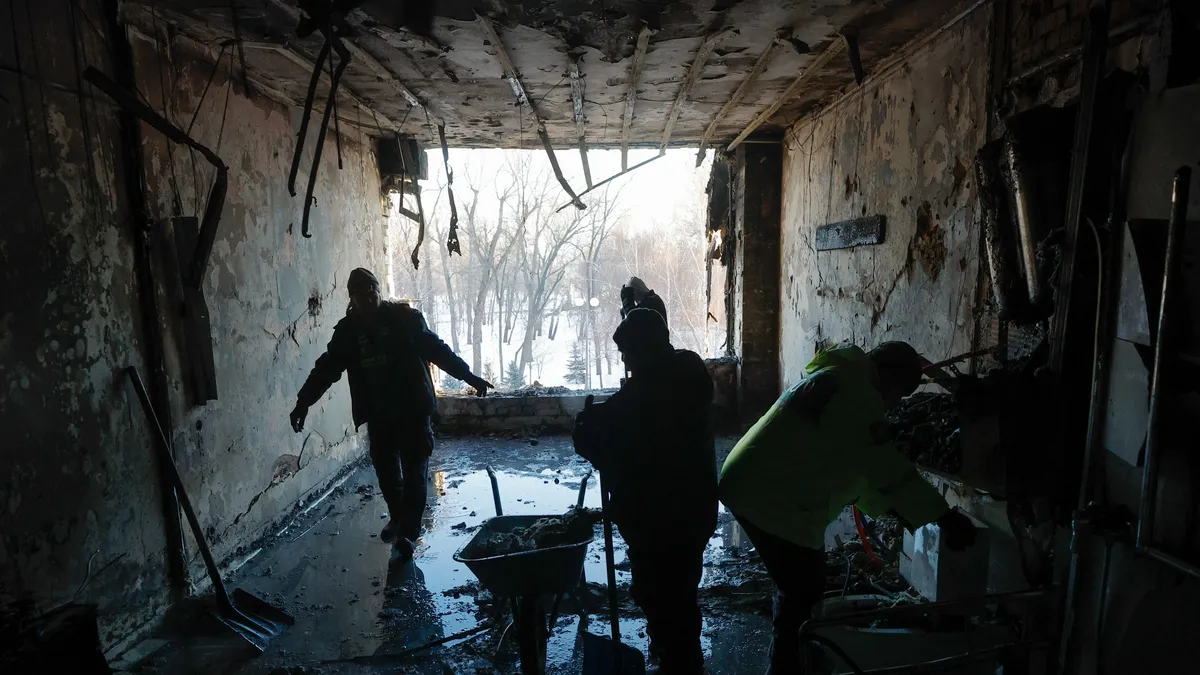
Russia’s drone pipeline
How Iran helps Moscow produce an ever-evolving unmanned fleet for use against Ukrainian civilians
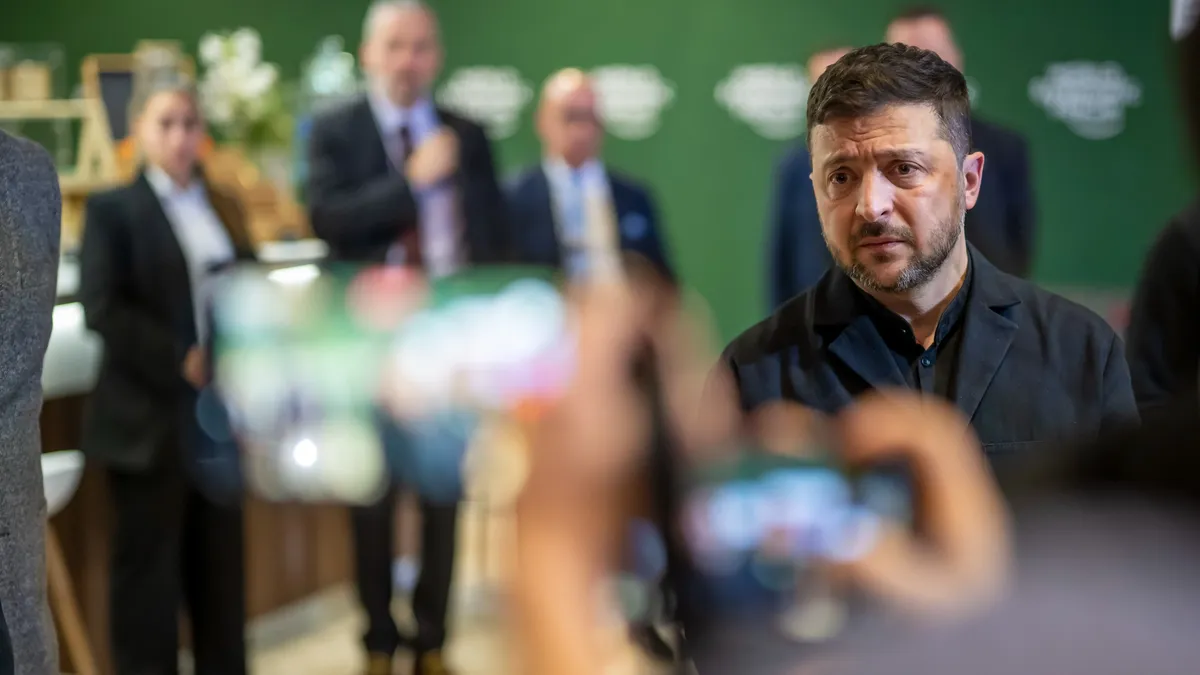
Alone, together
While Volodymyr Zelensky appears upbeat about US security guarantees, Davos only demonstrated Trump’s unreliability
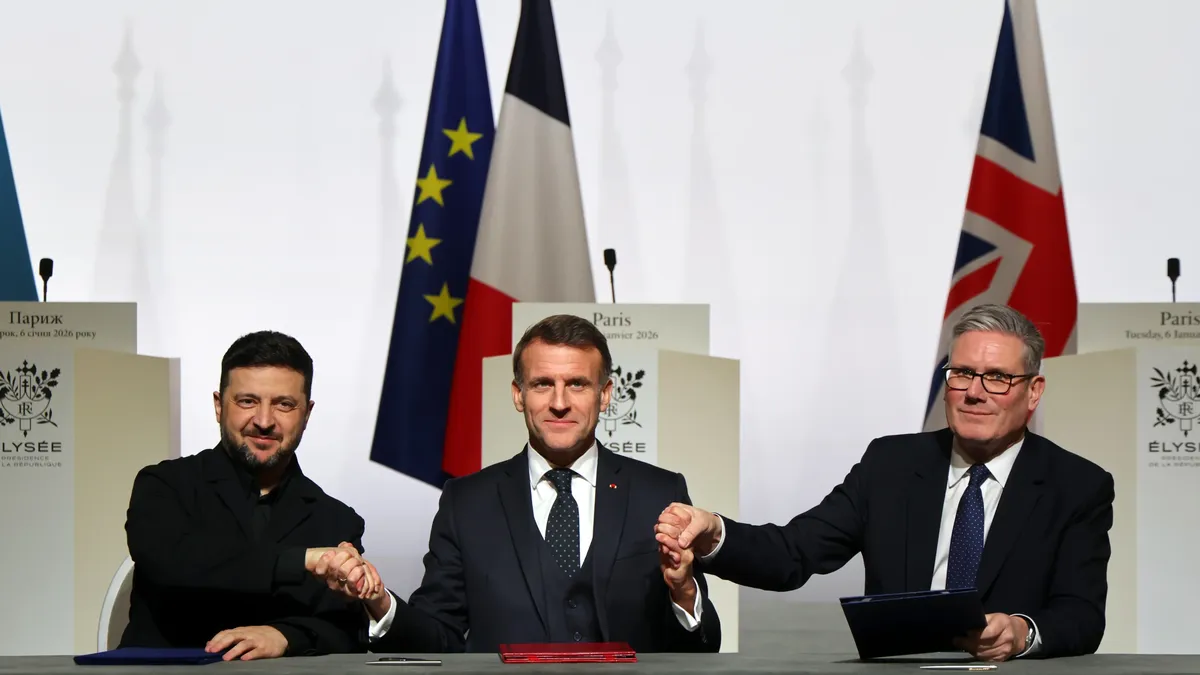
Neighbourhood watch
With NATO and the EU unsuited to meet Europe’s evolving security needs, it’s time to formalise the coalition of the willing

Going to cede
Restitution of lost territory can take decades and is only realistic in certain geopolitical circumstances
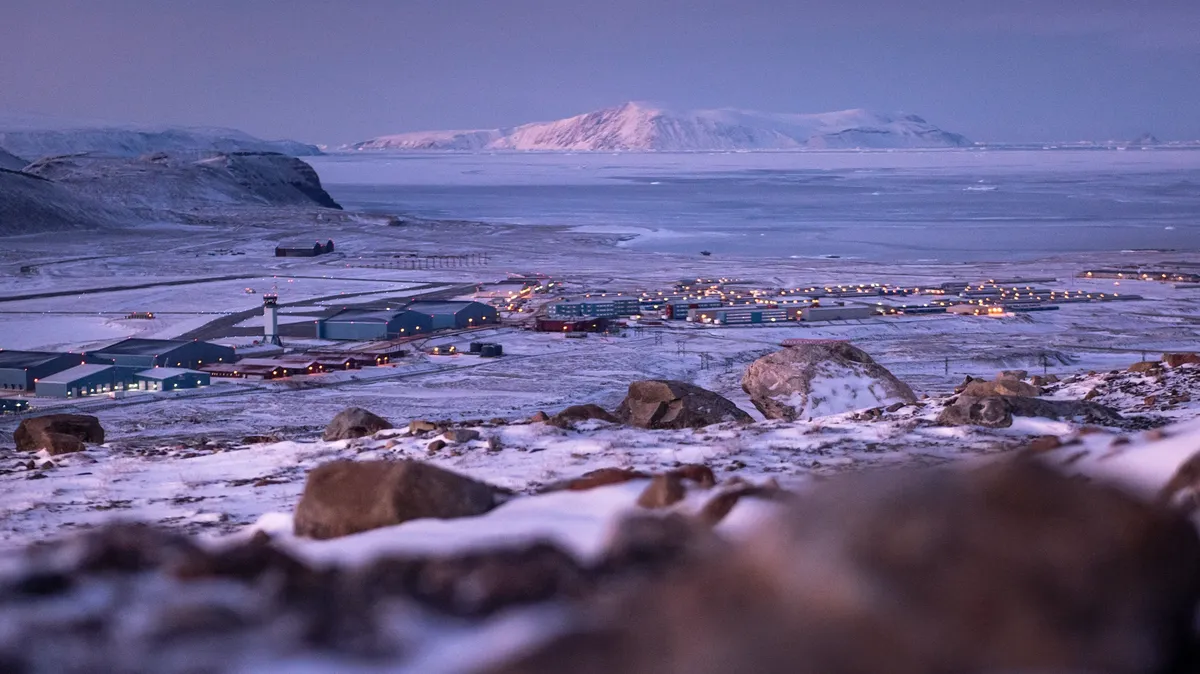
The race for the Arctic
Trump’s outlandish threats to seize Greenland risk ushering in a new world order based on spheres of domination
A grave miscalculation
Putin’s attempt to re-enact World War II in Ukraine has gone horribly wrong
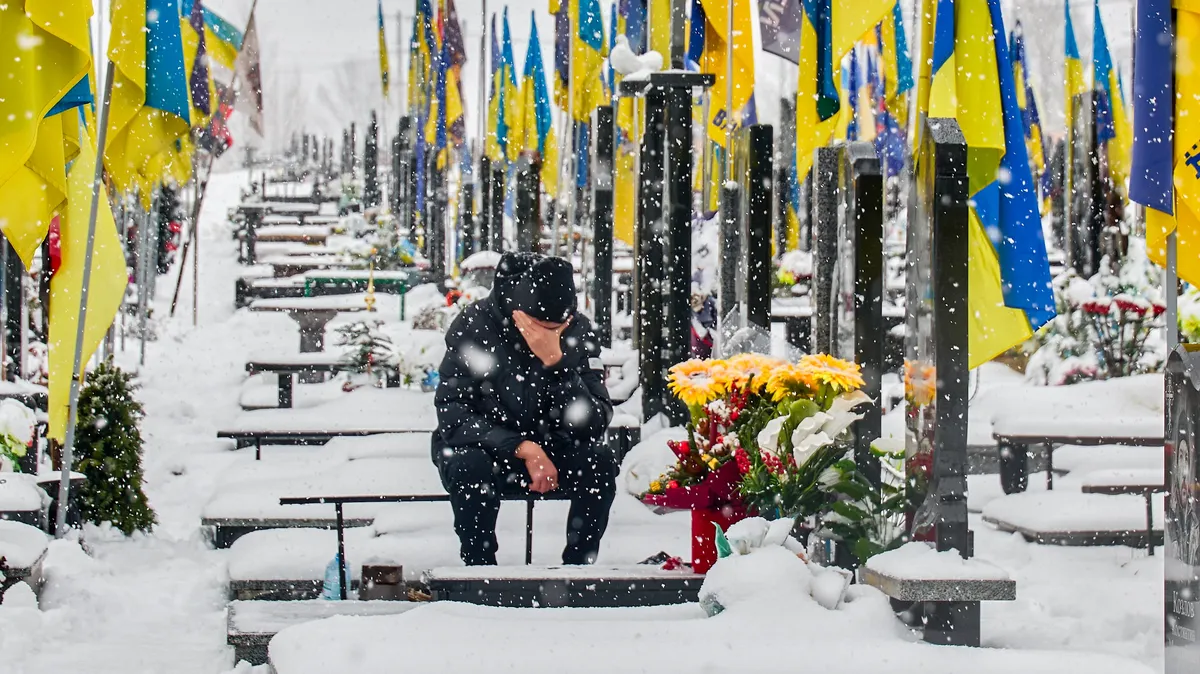
A frozen war is not peace
Why a premature peace deal in Ukraine could just be kicking the can of Russian revanchism down the road
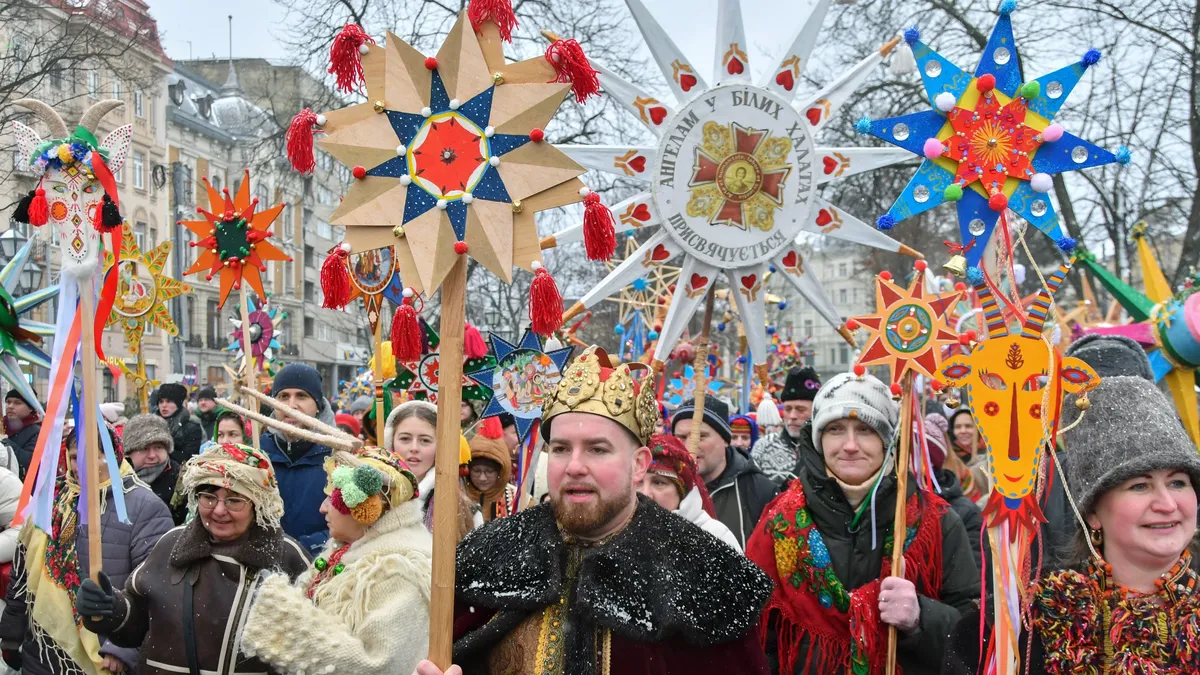
Just 10% from peace
Novaya Gazeta Europe’s Kyiv correspondent reflects on another year of war and muses on what 2026 may bring
The year that could be
Even without cause for optimism about the state of the world, we mustn’t allow hope to die