Free at last
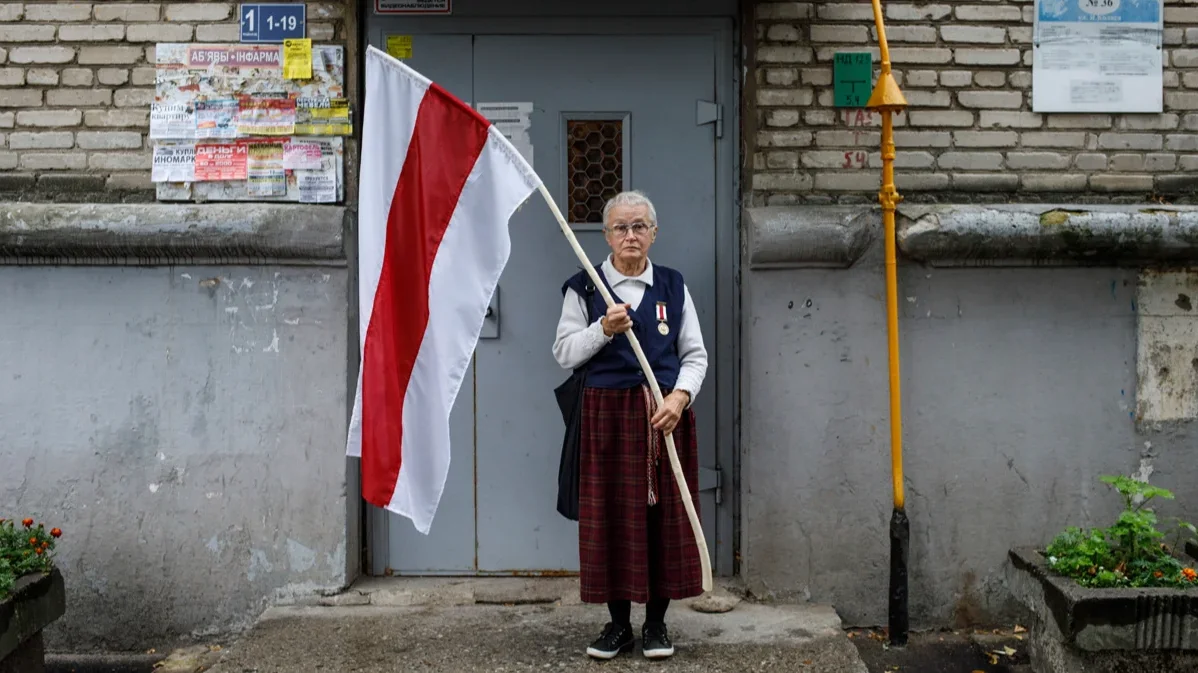
What led to the release of 14 political prisoners from Belarusian prisons on Saturday?
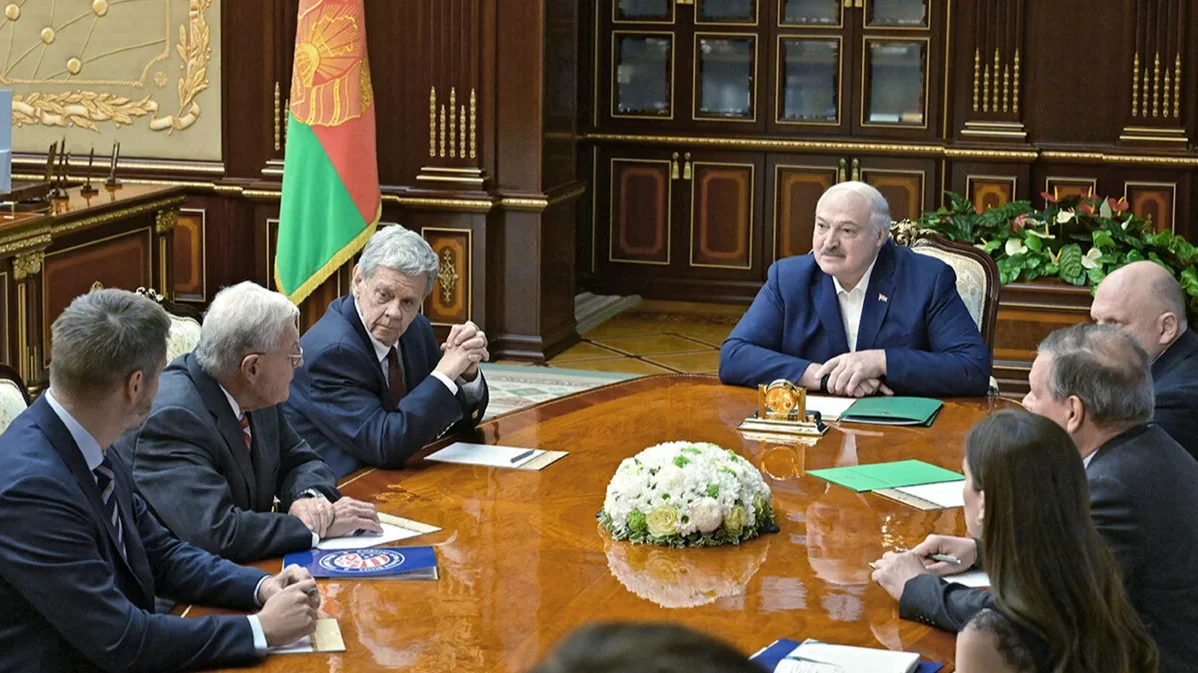
When Keith Kellogg, the US presidential envoy for Ukraine, arrived in Minsk last week, Belarusian opposition circles were immediately rife with speculation that a fresh round of political prisoners could be released by the country dubbed “Europe’s last dictatorship”.
The message was clear: Minsk is open to trading its scores of political prisoners, but any further releases would not come cheaply.
Of course, the picture painted publicly by the Belarusian regime was one of regal generosity: a visiting dignitary, a presidential pardon, and a symbolic return to freedom.
Tsikhanouski warned Lukashenko that after his death, his children would still be alive to answer for his crimes, causing an enraged Lukashenko to snap back that his adult son Kolya would never have to face any questions.
Since the initial prisoner release in February, Belarusian human rights group Viasna has designated another 141 individuals as political prisoners.
Road from Damascus
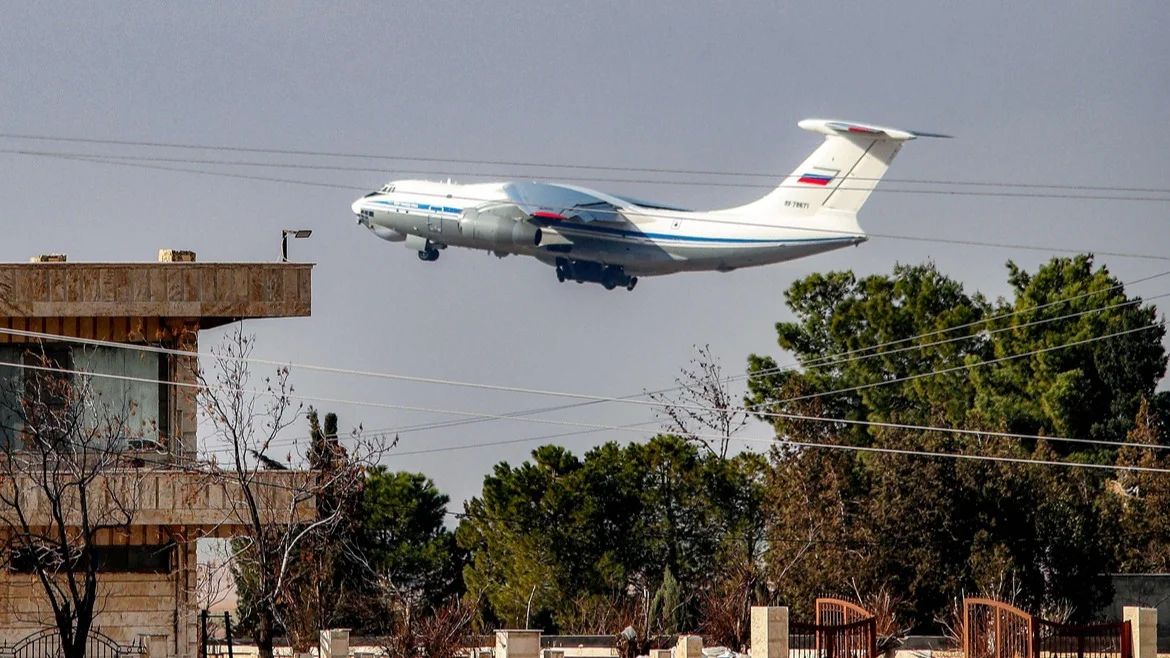
Why Moscow is scaling back its presence in Qamishli, a key military facility in northeastern Syria
Heir abhorrent
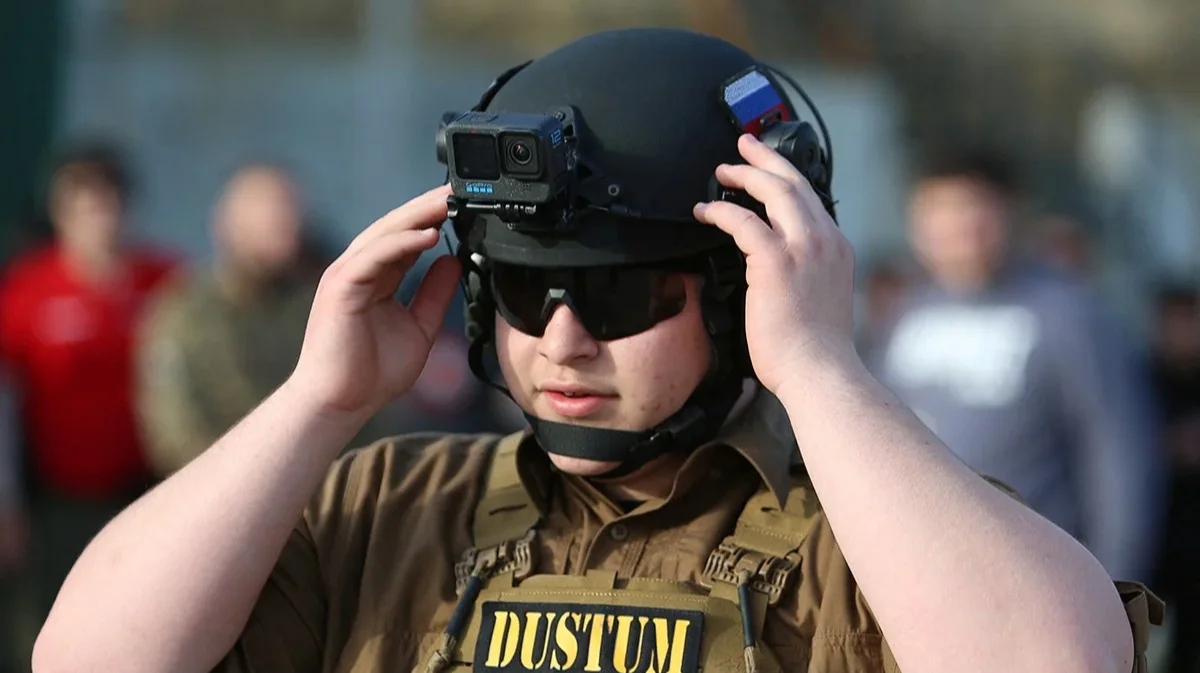
A multi-car pile up in Grozny has provided rare insight into Chechen warlord Ramzan Kadyrov’s succession plans
Flag fall
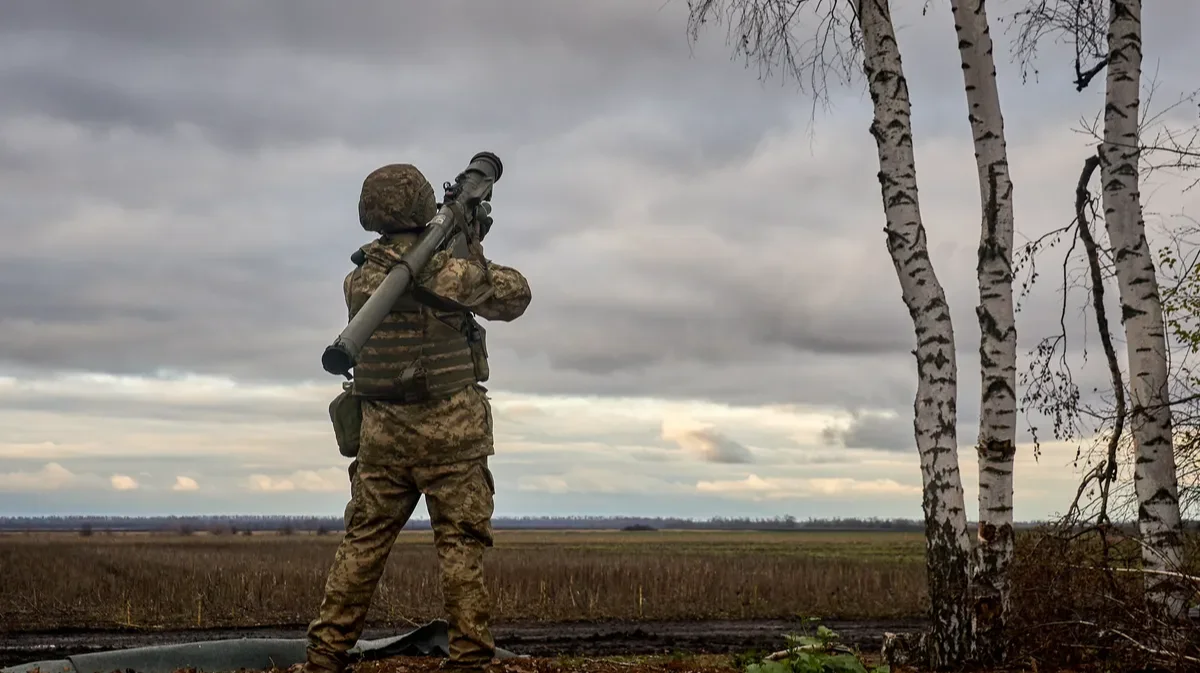
Ukraine is looking increasingly like the victor in the battle for Kupyansk
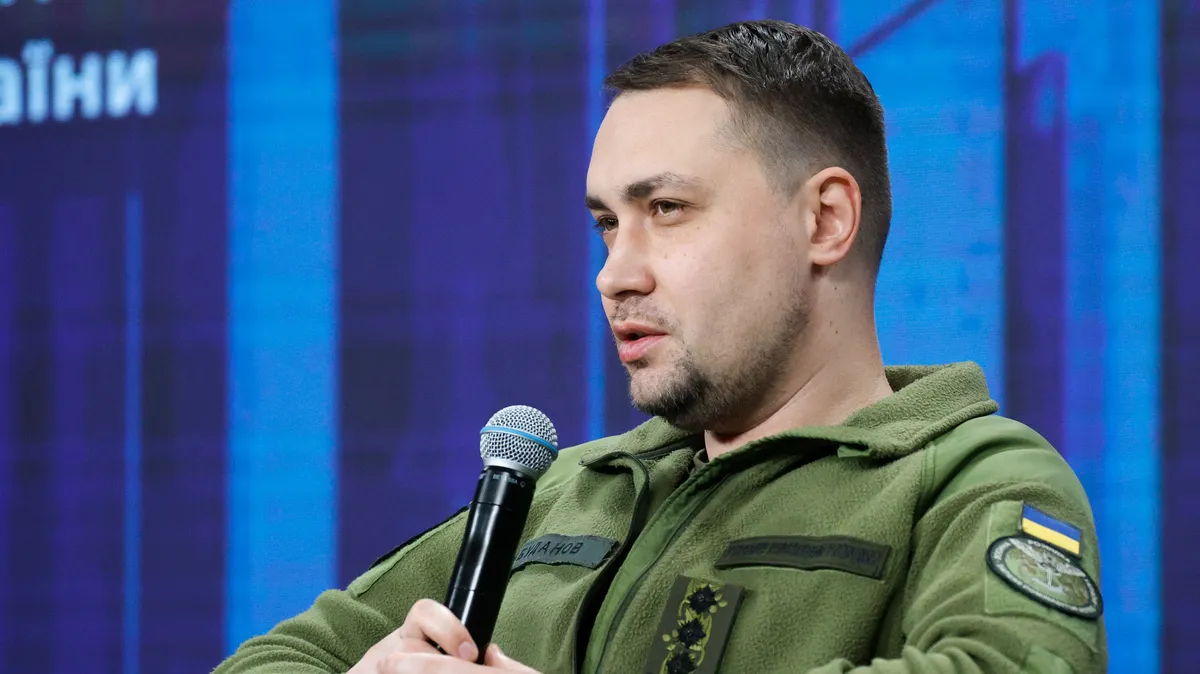
Fresh blood
What Zelensky’s appointment of Ukraine’s former military intelligence head as his chief of staff could signal for the country
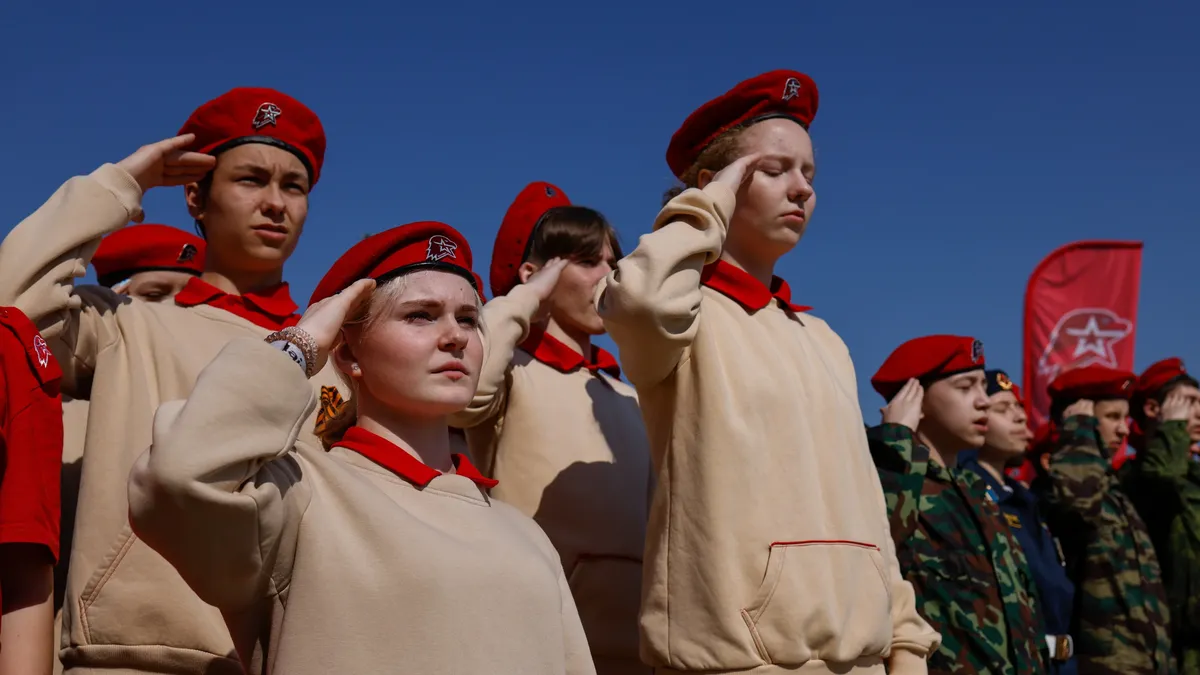
Stolen youth
How Russia made young people’s lives worse in 2025
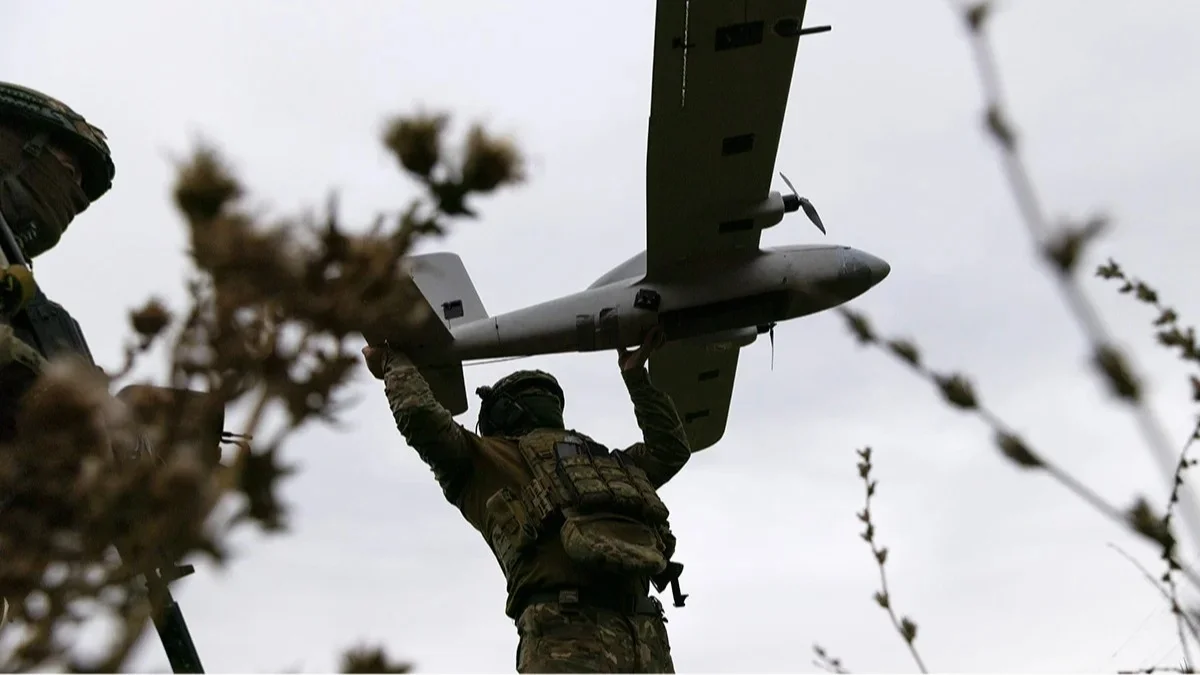
The war across Russia
Drone strikes on Russia’s regions reached record levels this year, with an average of 11 crashing or striking their targets daily
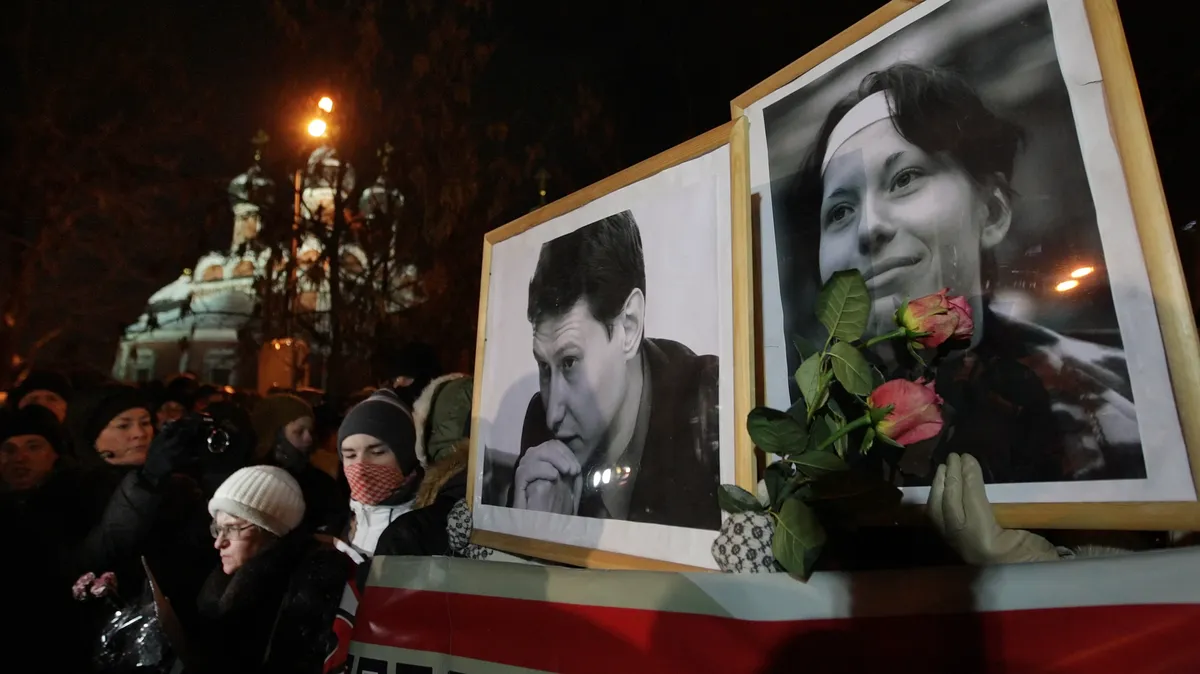
Remorseless
The killer of Novaya Gazeta’s Anastasia Baburova has been freed into a country that’s more aligned with her worldview than ever
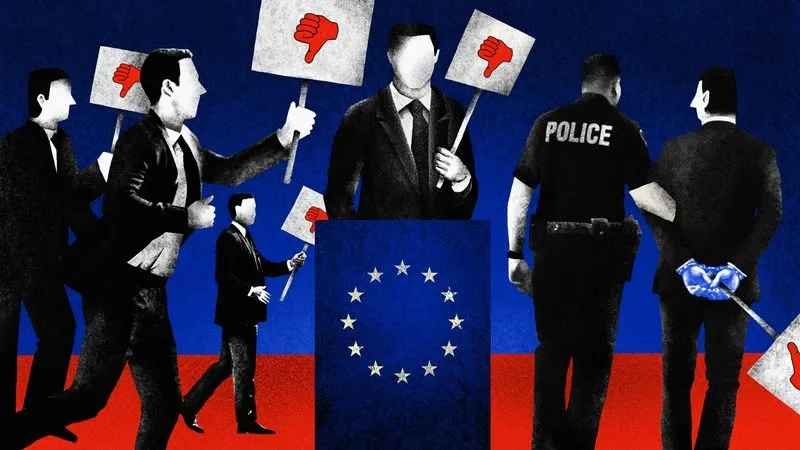
Moscow’s minions
A new pro-Kremlin bloc is taking shape in the European Parliament
Double whammy
Could sanctions and drone strikes lead to the collapse of Russian oil production and end its funding of the Kremlin’s war machine?