
Ripple effect
The arrest of Russian scientist Ksenia Petrova in the US has sent shockwaves through the scientific community

Ksenia Petrova, a 31-year-old Russian scientist, faces a potential prison sentence of 20 years for bringing a box of frog embryo samples into the United States. Petrova was returning from a vacation in France when US agents arrested her for failing to declare the samples, and she has now been indicted by a federal grand jury on three criminal counts, including criminal smuggling and making false statements.
Petrova made clear that she would face imprisonment if she returned to Russia.

“Ksenia’s case fits clearly into a more global crusade against universities and science, which is already leading to an outflow of talent from the US.”
“There should be anger that the US is ignorant of the role people such as Ksenia Petrova play in building a better tomorrow.”

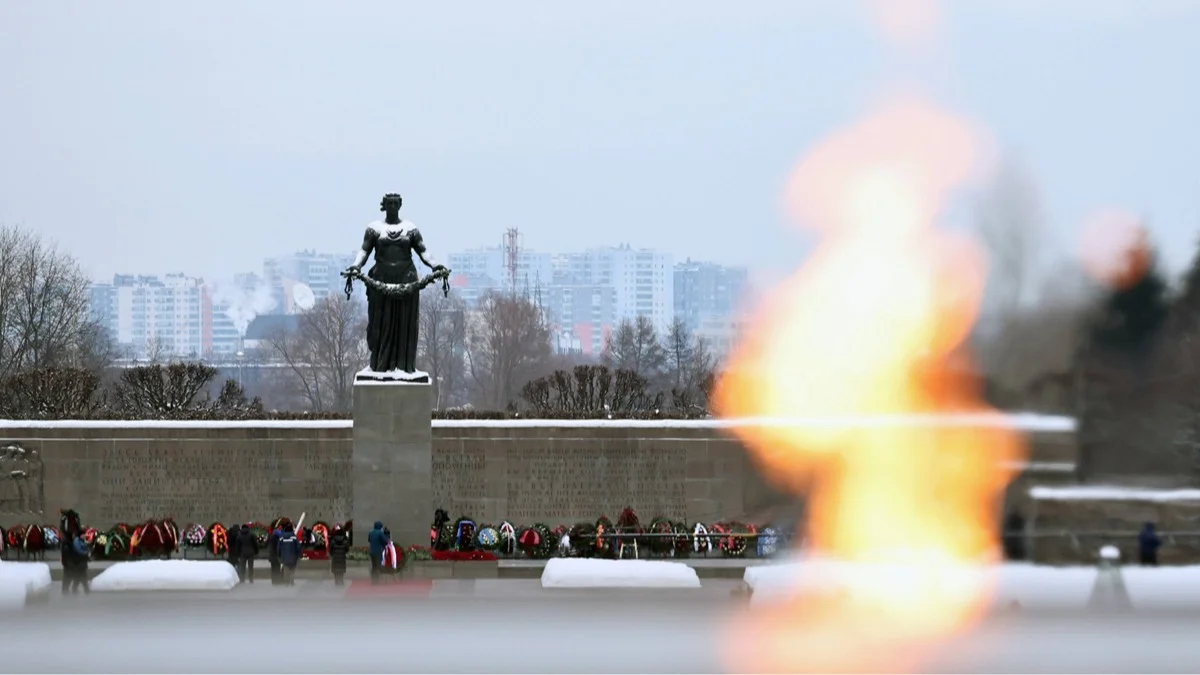
Как хотят наказывать за «отрицание геноцида советского народа»
«Новая-Европа» разбирается в новом законопроекте, жертвами которого могут стать журналисты, историки и учителя

Джей Ди Вэнс едет на Южный Кавказ
Каковы интересы Америки и какие новые геополитические смыслы обретает регион?

Маменькин сынок
История «сибирского потрошителя» Александра Спесивцева

Разведка в Абу-Даби
Кто такой Игорь Костюков — начальник ГРУ, возглавивший российскую делегацию на переговорах по Украине

Друзьям — деньги, остальным — закон
Кто получает путинские гранты: от больницы РПЦ до антивоенных активистов

Три миллиона файлов по делу Эпштейна
Трамп и другие контакты: что удалось обнаружить в новом и, возможно, последнем крупном массиве документов?

Поймай меня, если сможешь
«Марти Великолепный» с Тимоти Шаламе — один из лучших фильмов сезона, рассказывающий историю об игроке в пинг-понг как криминально-авантюрную сагу

«Отношение к ним в Европе жестче, чем в первый год войны»
Что сейчас происходит с российскими дезертирами?
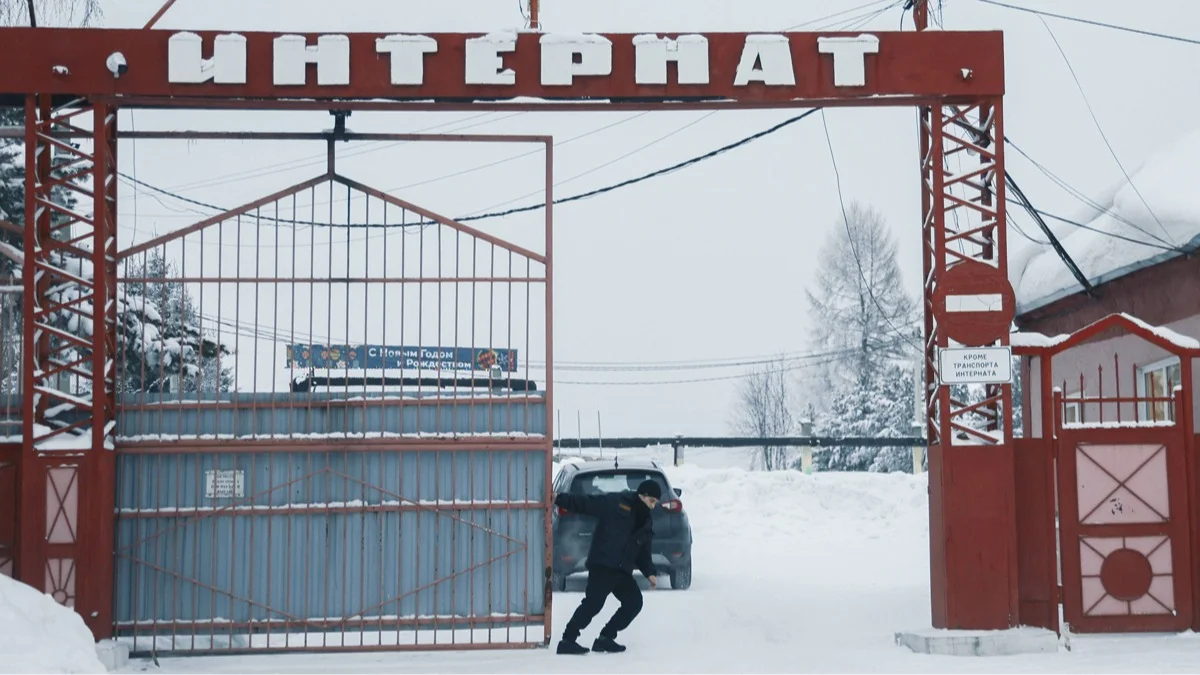
Что известно о ПНИ Прокопьевска, где из-за вспышки гриппа умерли девять человек
Сотрудники там жаловались на условия содержания пациентов: холод, испорченную еду и отсутствие лекарств