Sea change
The Caspian, the world’s largest inland sea, is fast shrinking due to the climate emergency
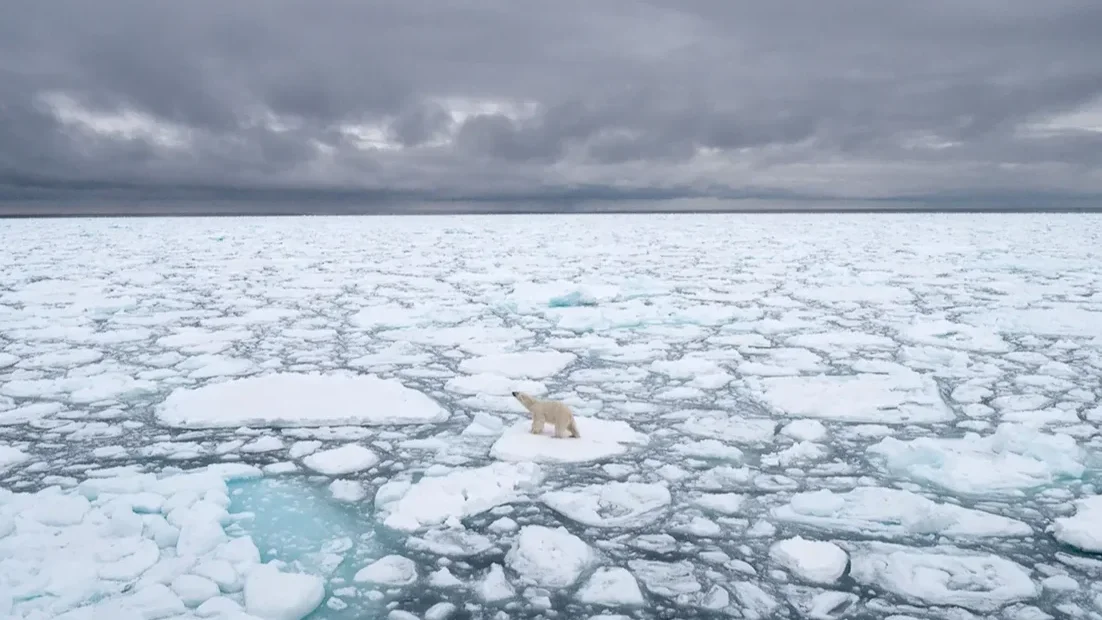
Once a haven for flamingos, sturgeon and thousands of seals, fast-receding waters are turning the northern coast of the Caspian Sea into barren stretches of dry sand. In some places, the sea has retreated more than 50km. Wetlands are becoming deserts, fishing ports are being left high and dry, and oil companies are dredging ever-longer channels to reach their offshore installations.
With the current global trajectory of greenhouse gas emissions, the decline could reach 18 metres, which is about the height of a six-storey building.
Already the costs of protecting human interests are in the billions of dollars and are only set to grow further.
The rate of decline may outstrip the pace of political cooperation.
Zelensky’s perfect storm
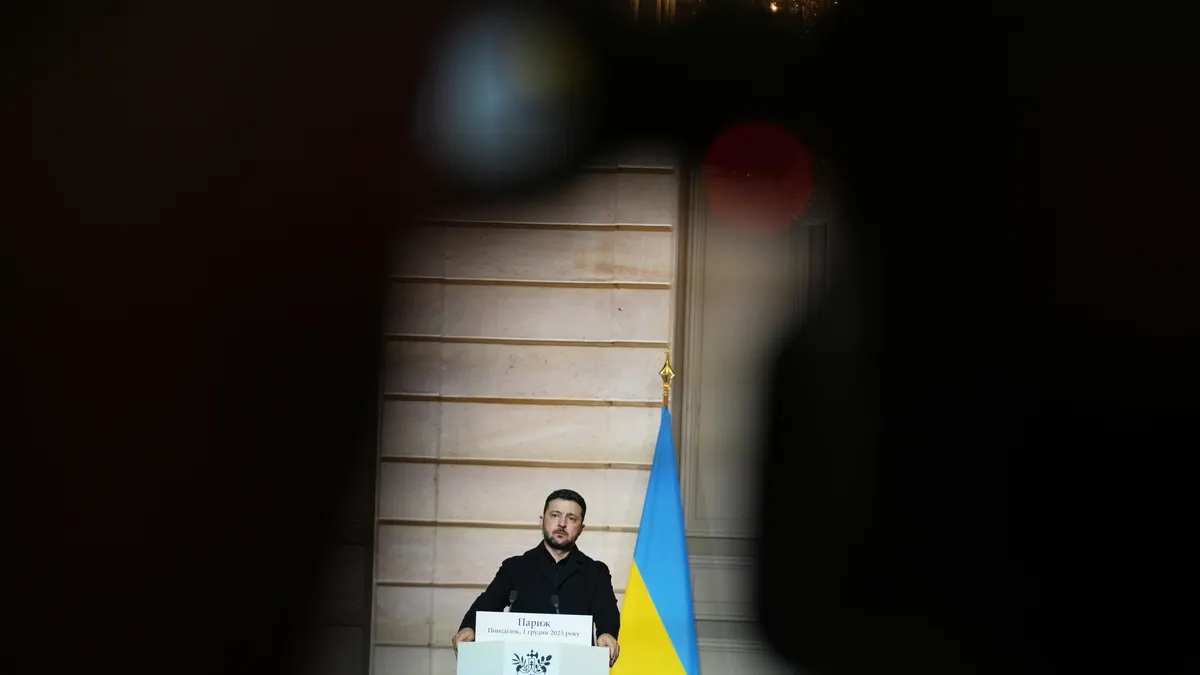
Washington’s new national security strategy adds to Ukraine’s woes and exacerbates Europe’s dilemmas
No end in sight
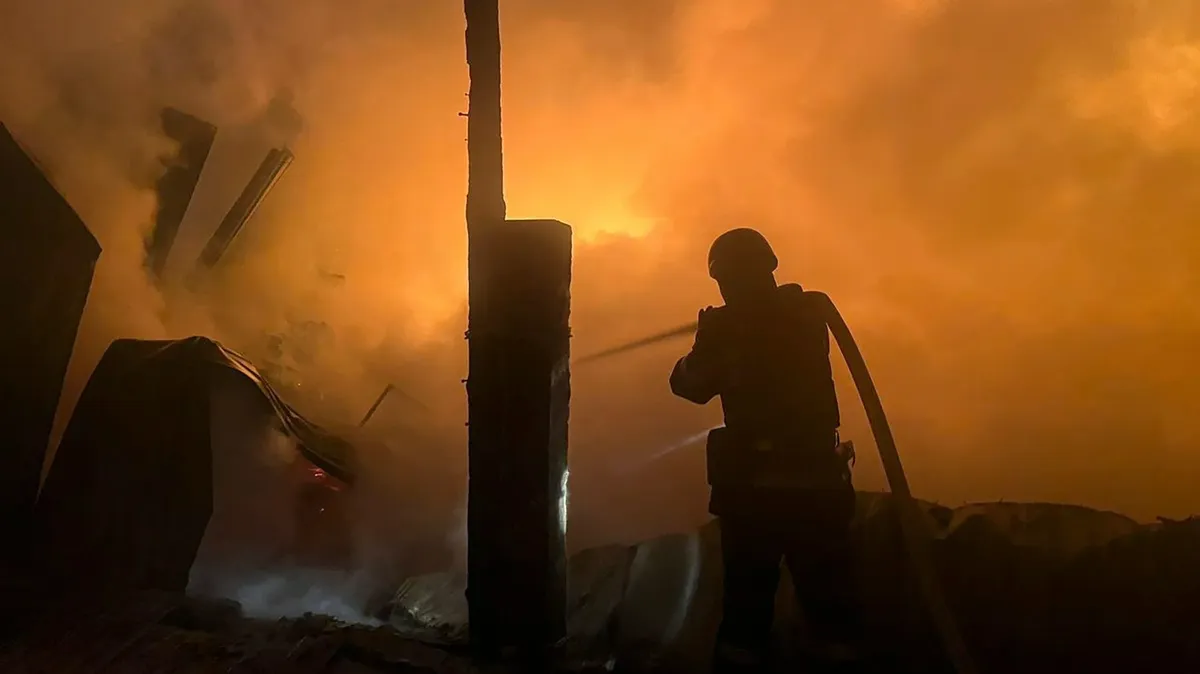
No amount of external pressure can force peace on two parties with fundamentally incompatible objectives
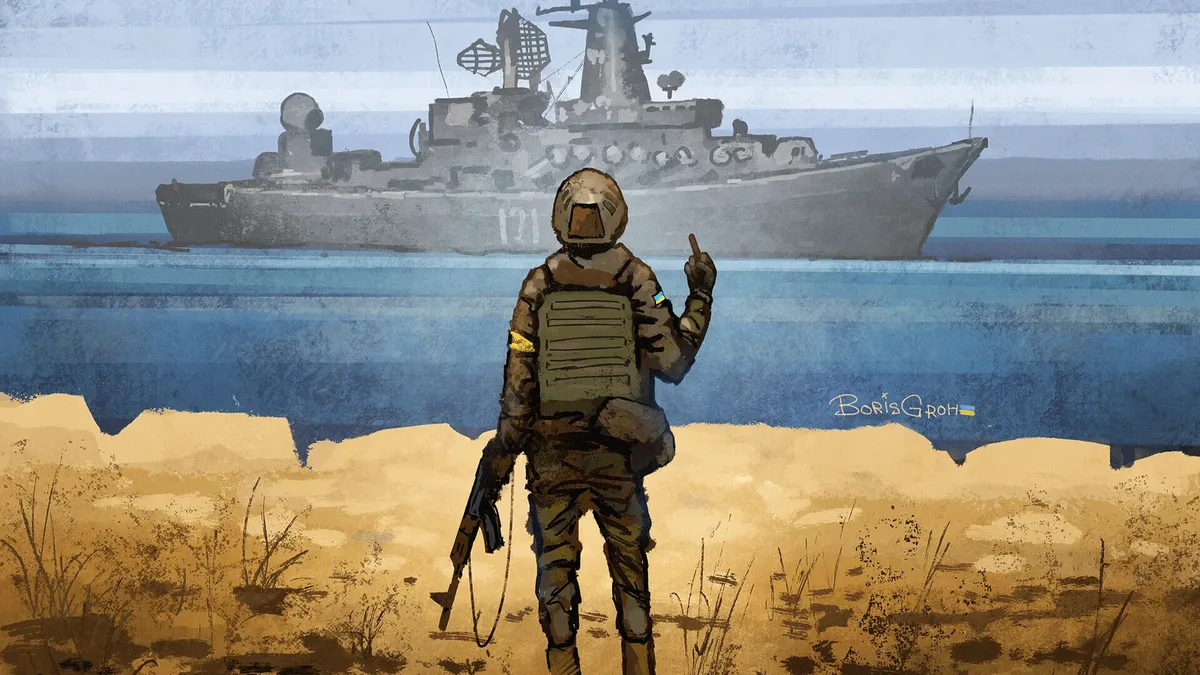
Ctrl-alt-defy
How Ukrainians have used memes to counter Russia’s propaganda machine

Trump’s crony diplomacy
The US president is entrusting inexperienced loyalists with complex foreign policy issues, and it shows

Imperishable
A corruption investigation into Zelensky’s inner circle shows Kyiv is on the right path
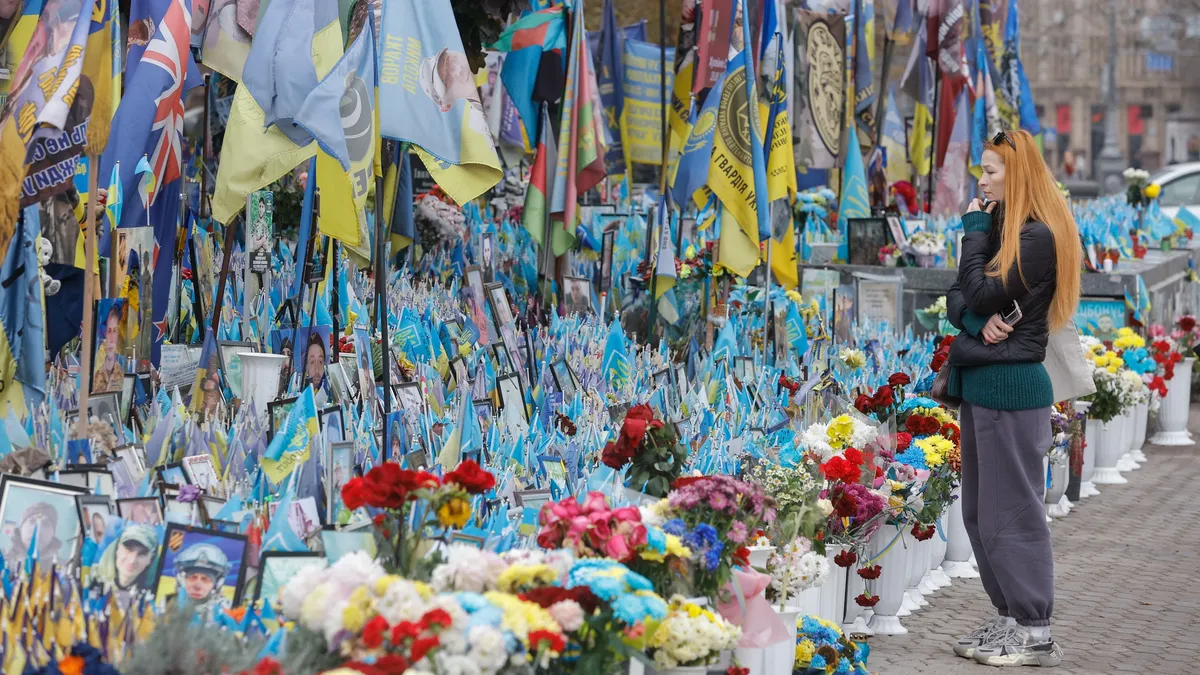
Doom mongers
A corruption scandal has left Zelensky vulnerable to US and Russian moves to impose an indefensible peace deal on Ukraine

Margaritaville
Would the departure of RT’s longtime head sound the death knell for Russia’s notorious propaganda network?
Buying time
As Europe debates how to keep funds flowing to Ukraine, the outlook on the battlefield is grim
Not peace at any price
The European Union cannot afford the war in Ukraine to end in a settlement from which it is excluded