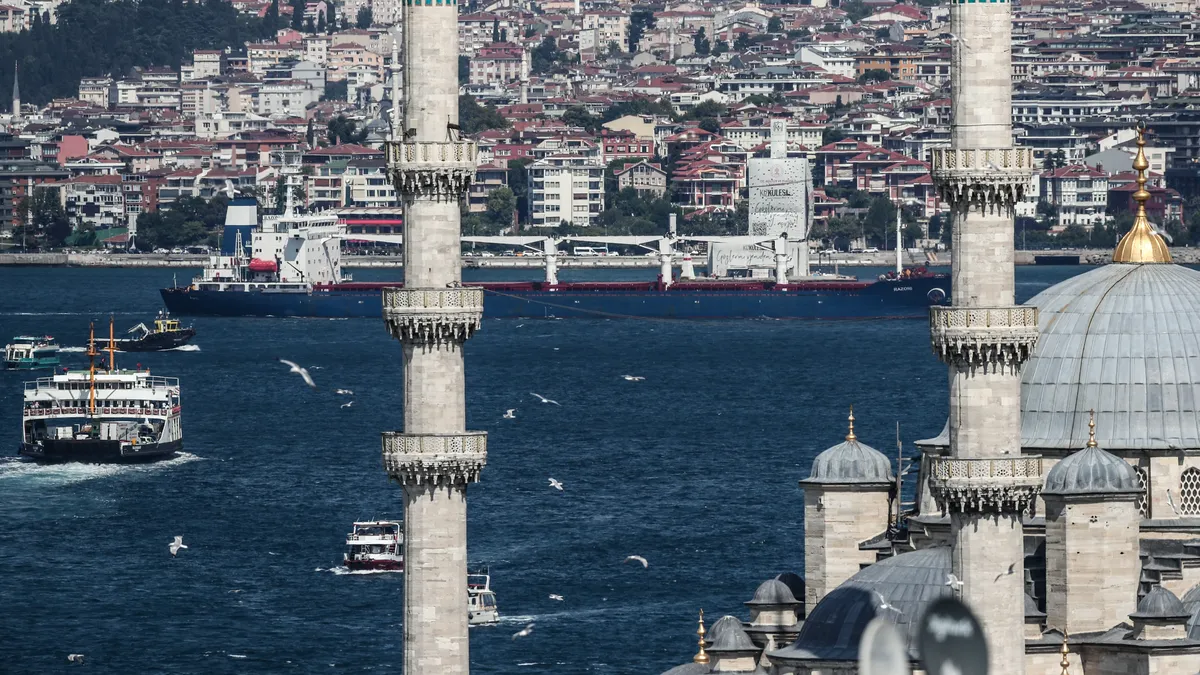
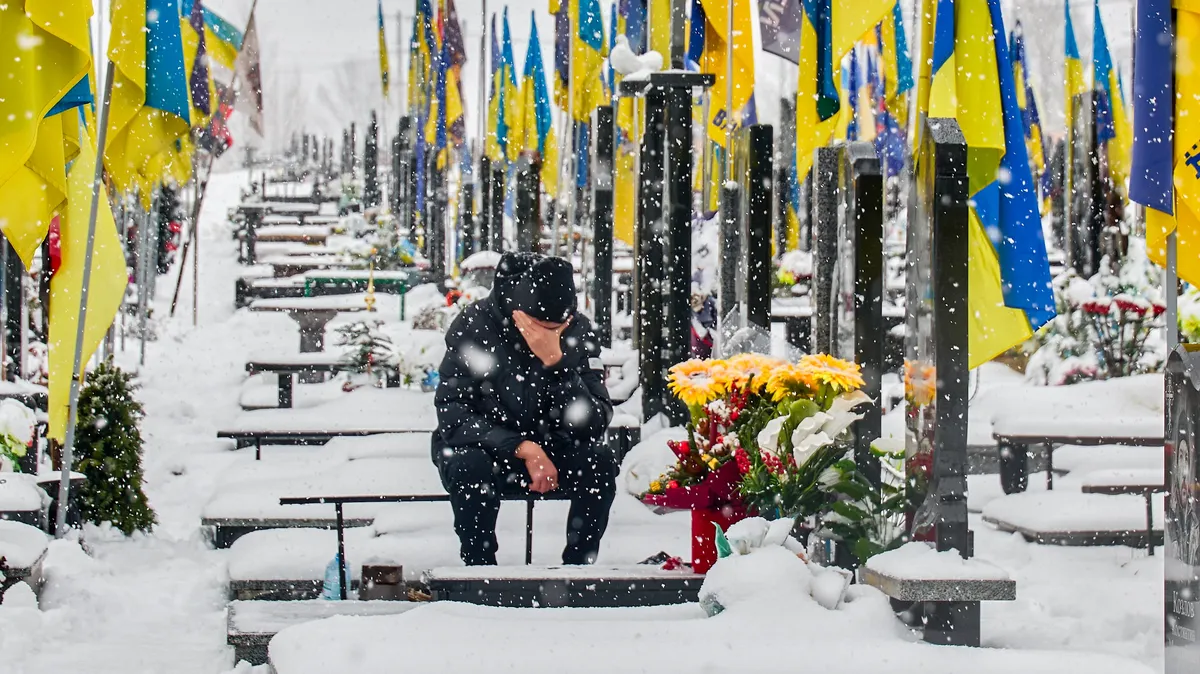
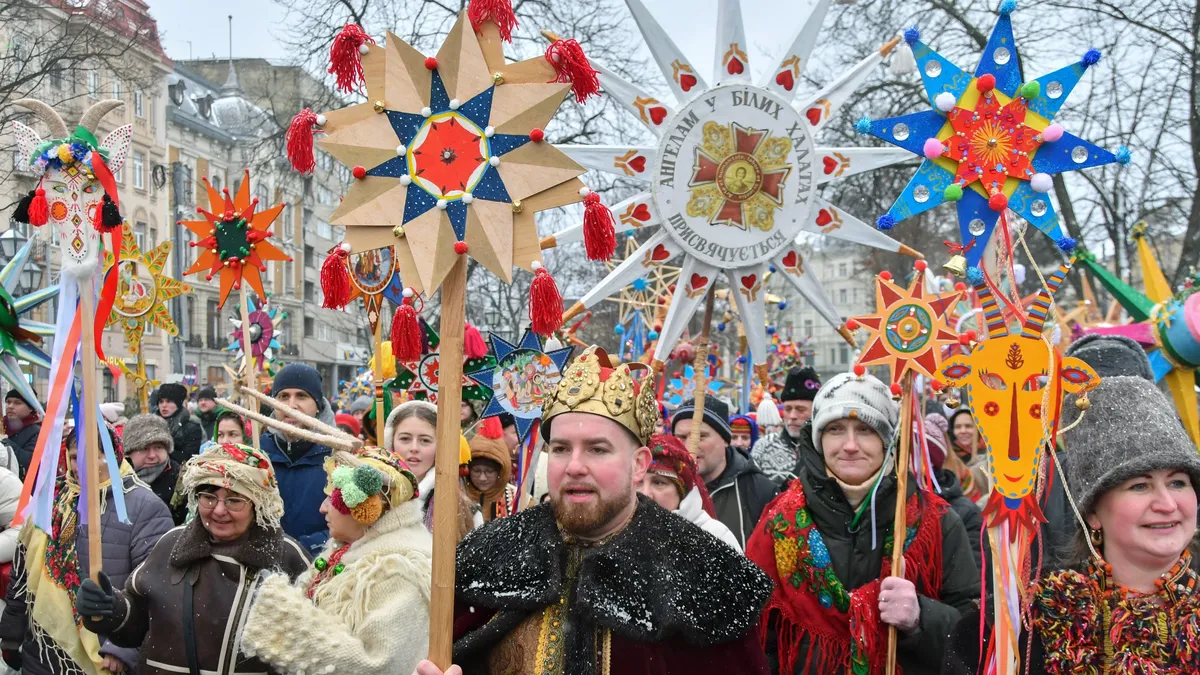
Türkiye was once a vibrant hub for the Russian opposition in exile, but its anti-war community is now coming under increasing pressure from forces both near and far. Russian relocants in Türkiye today must somehow keep their heads down, while keeping their spirits up.

Ekaterina Vorobeva
Ekaterina Vorobeva
post-doctoral scholar at the Research Centre for East European Studies in Bremen, Germany

Already being a popular holiday destination for Russians, to whom it offers visa-free travel, Türkiye became a magnet for Russian anti-war activists in 2023, hosting forums on aid for Ukrainian refugees and to discuss taking action against Russia’s military dictatorship.

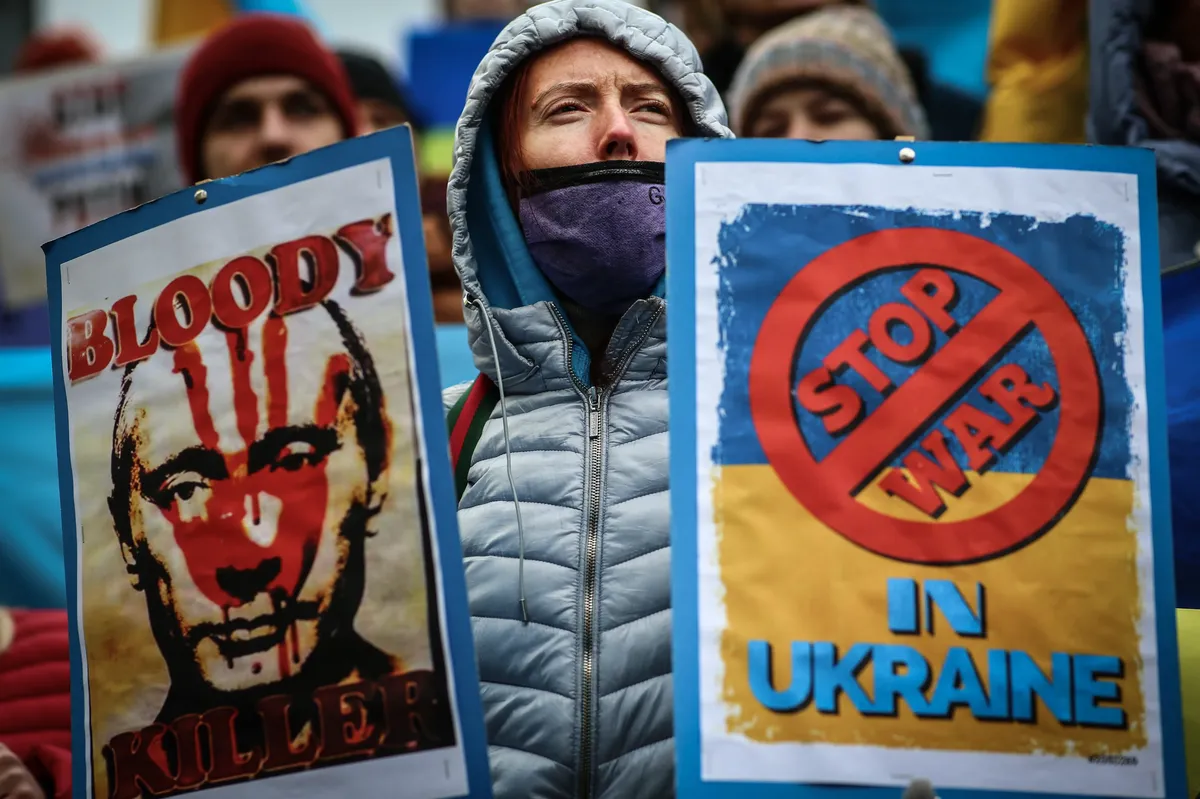
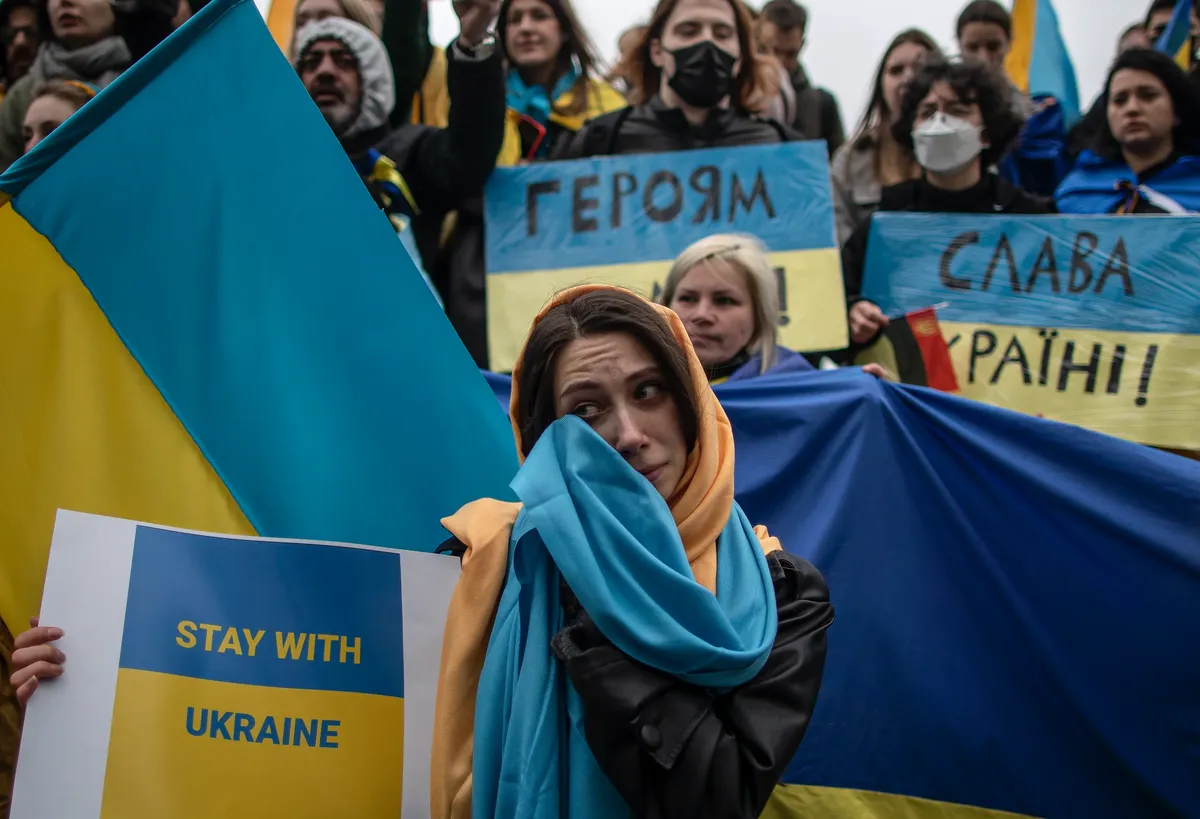
Ukrainian and Russian activists organised demonstrations across Türkiye, demanding an end to the war. Charity fairs fostered solidarity and raised thousands of euros for Ukrainian humanitarian and medical aid. As one fair organiser put it to me, “The fairs weren’t just about selling products and sending aid. The goal was to bring people of different nationalities together to avoid discord and build a new future.”

Anti-war groups such as the Ark, Istanbul for Ukraine, and Russians Against the War Antalya grew quickly on social media platforms, gaining thousands of followers on Telegram and Instagram.

Türkiye, a staunch supporter of Ukraine, took in some 80,000 Russian citizens fleeing the war and mobilisation in 2022, second only to Kazakhstan. Thousands of Ukrainians also fled to the country, and diaspora groups from both sides cooperated closely, unlike in many other recipient countries.

Türkiye’s strategic location enabled extensive transnational collaboration. Its visa-free regime for Russian citizens and continued transport links to Russia, which were suspended by European countries following the invasion of Ukraine, were crucial to its success. “Unlike the Vilnius and Berlin forums, we could invite delegates from Russia. We really wanted to be a bridge between Europe and Russia, one organiser of the Antalya forum told me, adding that “it turned out to be a vibrant and effective event.”

However, since those optimistic early days, Russian anti-war activism in Türkiye has undergone a visible decline. Forums and fairs have closed, protests mark only anniversaries, and activists have retreated into educational and humanitarian formats. Once-active follower lists have become outdated, as many erstwhile supporters have decided to leave Türkiye, becoming digital ghosts. While in 2023 certain demonstrations and events drew participant numbers in the hundreds, one recent lecture attracted only 15 people.

Türkiye’s economic troubles, with inflation reaching 60% in 2023 and 2024, drove many Russian migrants to relocate elsewhere. According to one Russian who recently moved on to Serbia, “Türkiye has become an extremely expensive country. In just three years, dollar prices have tripled and prices in Turkish lira have risen even more. In terms of price-to-quality-of-life ratio, Türkiye has become significantly less competitive.”

Legislative issues incentivised another wave of exits. Many Russian migrants are only being granted residence permits for tourism purposes, and even these can be revoked for participating in politically undesirable activities, which could result in deportation and imprisonment in Russia. The current situation “boils down to everyday survival”, as one activist put it, explaining that she’s only ever been granted residence permits for five or six months at a time.

Türkiye’s turbulent political situation has done little to boost that confidence, having slipped from flawed democratic rule to a hybrid regime with increasing authoritarian tendencies, according to the Economist Intelligence Unit’s Democracy Index. The arrest of Istanbul Mayor Ekrem İmamoğlu, a member of the opposition Republican People’s Party, has further heightened political tensions in the country.

Russian activists faced systematic limitations on assembly and association. Following the death of the imprisoned opposition leader Alexey Navalny in 2024, efforts to create even a small, informal memorial in Istanbul were met with police resistance. As one Russian activist told me, “Türkiye isn’t somewhere to live long-term — politically, it’s five minutes away from being Russia.”

Moreover, the Russian Centre for Combating Extremism (Centre E), an agency within the Federal Security Service (FSB), has reportedly sought to monitor and disrupt anti-war activism in Türkiye. Centre E agents have infiltrated activist circles, collecting information about participants, taking photos, stirring up internal conflict, sabotaging activities and hunting for potential leverage over key figures in the anti-war movement.

Russian anti-war activists find themselves between a rock and a hard place, with limited resources and constraints on how publicly visible they can be.

Finally, the war in Ukraine plays little role in Turkish domestic politics and barely registers as a political issue. Local discourse on the conflict is largely shaped by a desire for peace and an attitude of mild neutrality. Society and government are more concerned about other nearby conflicts such as that in Palestine.

The remaining Russian anti-war activists find themselves between a rock and a hard place, with limited resources and constraints on how publicly visible they can be. They struggle to find political activities that will draw attention without incurring the wrath of the law. As one activist puts it: “You can do almost anything discreetly, but that kind of discretion never attracts a meaningful number of people or donations”.

On a positive note, many activists who have now left Türkiye took their newfound experience and networks with them elsewhere, engaging in anti-war activities from afar and enabling cross-border knowledge transfer. As Igor, who recently relocated from Türkiye to a Western European country, put it: “When we had already left for other countries, these [anti-war] connections helped us a lot. Because most people joined anti-war movements in other countries. It’s not that many people left the movement entirely. Some did, of course. But the majority of people are still active.”

Views expressed in opinion pieces do not necessarily reflect the position of Novaya Gazeta Europe.

‘She was no pushover’
читайте также

‘She was no pushover’

Russian feminist activist Anastasia Yemelyanova died in the Turkish city of Erzurum last week after being stabbed. Her boyfriend later confessed to the crime.

Dr. Ekaterina Vorobeva’s research was supported by a Marie Curie Staff Exchange within the Horizon Europe Programme (TRACHMED, grant agreement no: 101182876) Views and opinions expressed are those of the author only and do not necessarily reflect those of the European Union or the European Research Executive Agency. Neither the European Union nor the granting authority can be held responsible for them.

Поделиться
Темы