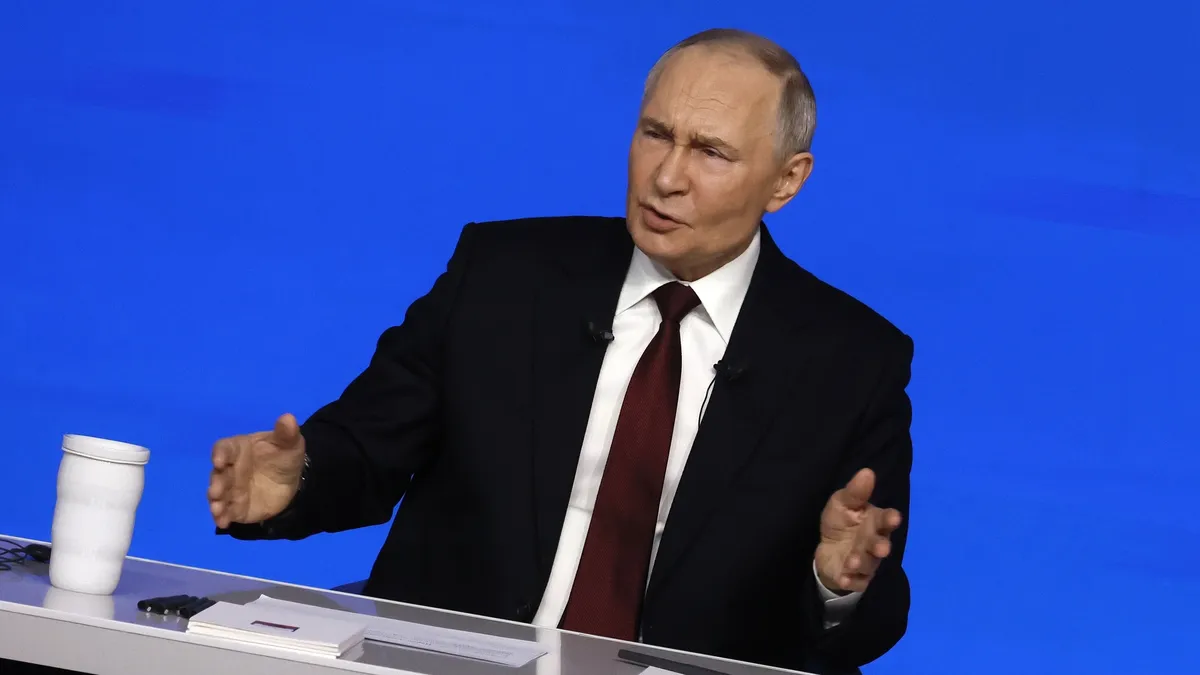
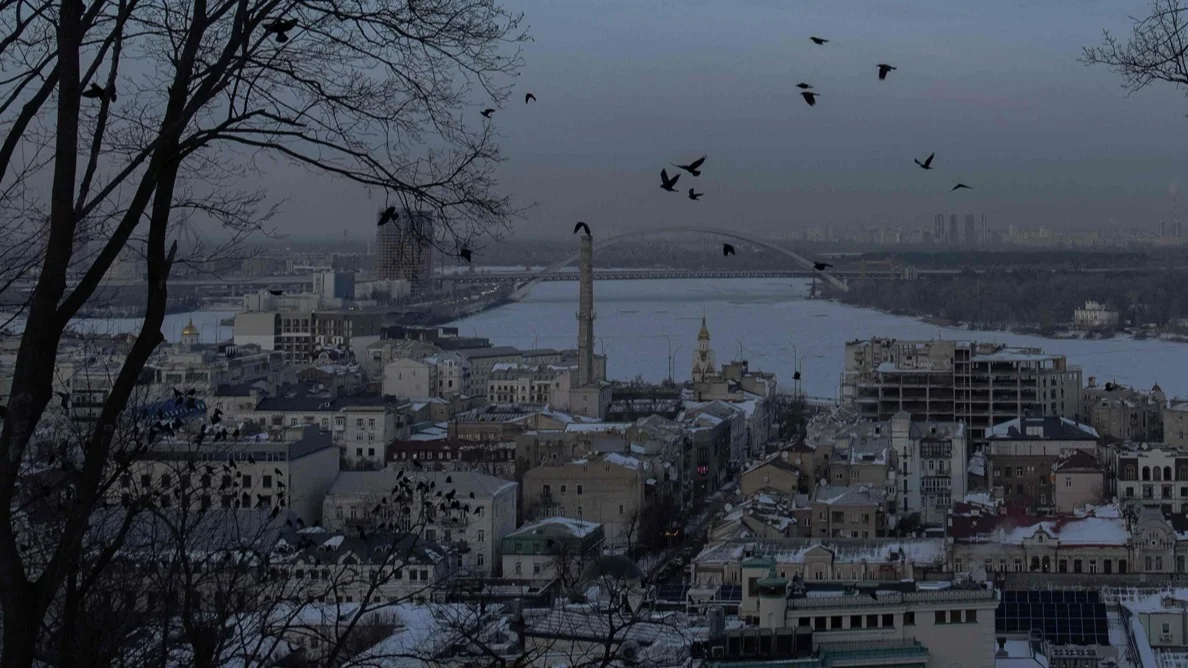
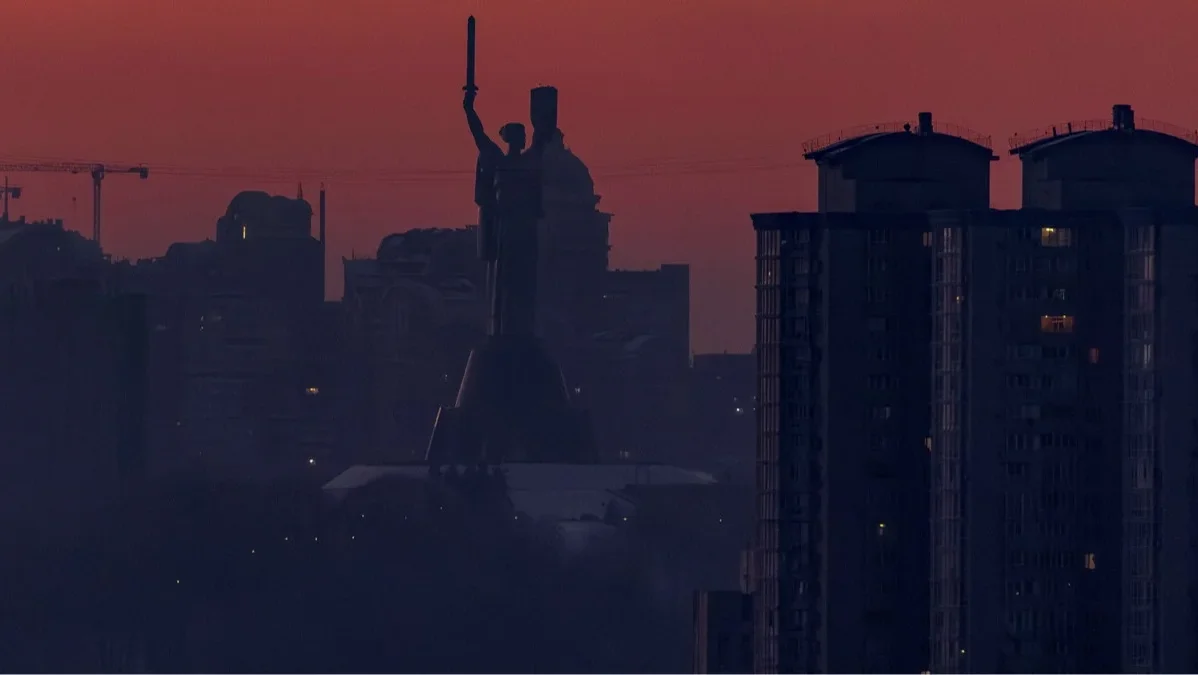
Vladimir Putin has begun his annual Direct Line call-in show in Moscow — an hours-long ordeal in which Russia’s de facto leader responds to carefully vetted questions from members of the public.
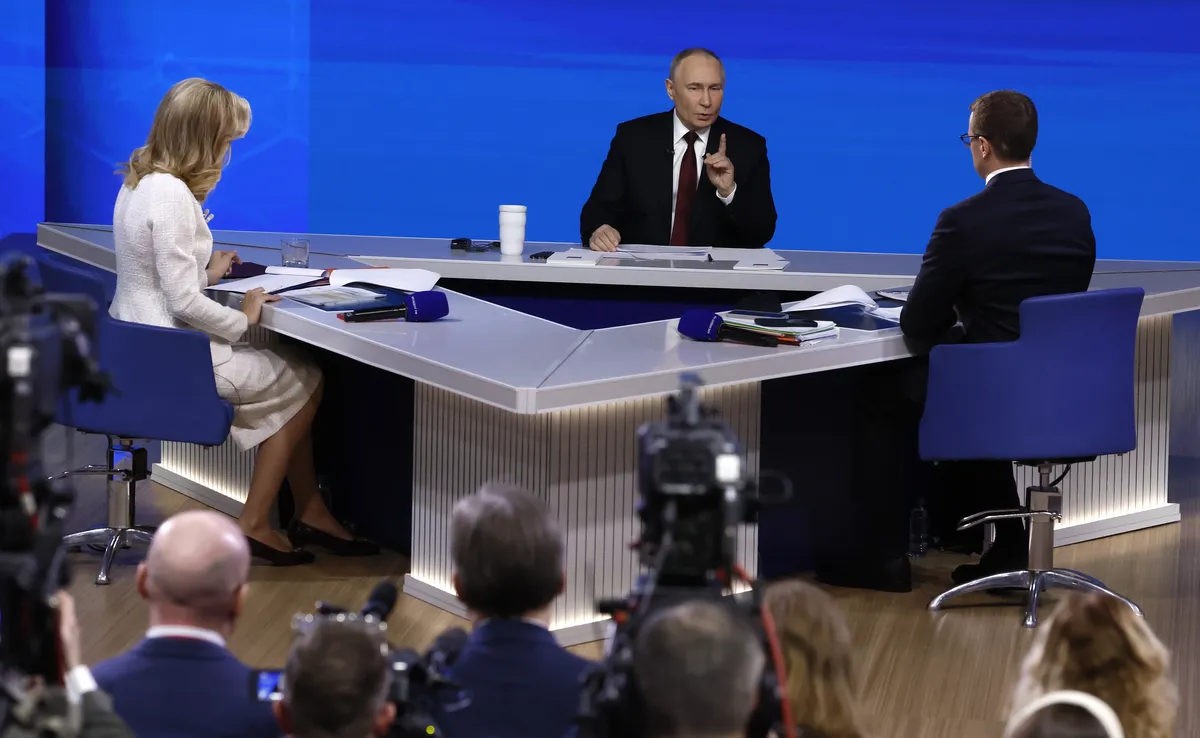
As in previous years, the programme is combined with his end-of-the-year press conference, allowing accredited reporters to pose questions alongside those submitted by viewers. This is the 22nd such broadcast since the first session was held during Putin’s first presidential term in 2001.

According to a November survey by the independent Levada Centre, the question Russians most frequently said they would ask Putin was when they could expect an end to the “special military operation” — the Kremlin’s preferred term for the war in Ukraine, which has now lasted for just under four years.

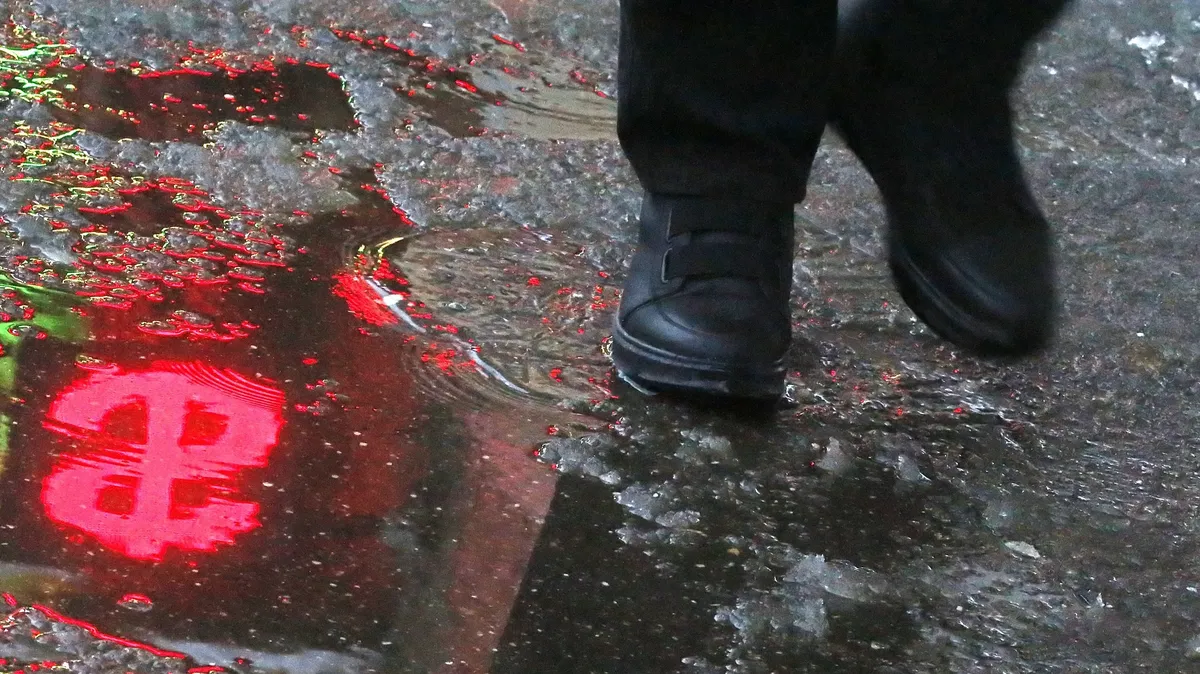
While around 21% of respondents said they would ask Putin when the war would end, economic concerns also featured prominently — some 16% of Russians said they would ask Putin when their pensions and salaries would increase, while 8% wanted Putin to address the country’s rising inflation.

We’ll be summarising the most newsworthy elements of this year’s call-in show below.

On war and peace

Answering the first question posed to him about the ongoing war and the possibility of reaching a peace deal with Ukraine, Putin said Moscow did not yet “see Ukraine’s readiness for peace”, and proceeded to tout Moscow’s advances in eastern Ukraine, including its alleged capture of the city of Kupyansk, in the eastern Kharkiv region, despite Ukrainian President Volodymyr Zelensky recording a video message from the embattled city last week following reports of a successful Ukrainian counterattack in the area.

When asked whether Zelensky’s video from Kupyansk was staged, Putin said the Ukrainian president was “a talented artist”, claiming that the location Zelensky was recording the message from was about 1km away from the city itself. “Why are you standing at the door? Come on in,” Putin quipped.

Russia, Putin continued, was “ready and willing to end the conflict by peaceful means” while addressing the war’s “root causes” — a term often used by Kremlin officials implying acceptance of Russia’s annexation of large swaths of eastern Ukraine.

“Russia is advancing across the entire front, and the enemy is retreating in all directions,” Putin said, adding that before the end of 2025, “we will see new Russian military successes.”

Military expert Ivan Stupak was quick to refute Putin’s claim that the Russian military had been making significant progress in Donbas, however, telling Novaya Europe that while the Russian army had doubtlessly been advancing, “in four years of war, the Russian army has not captured a single large regional centre,” and had been forced to limit its boasts to the capture of villages or district centres at most.

Stupak also called Russian attempts to capture the key Ukrainian city of Pokrovsk "a slow, very slow process,” noting that 170,000 Russian troops — comparable to the size of the entire Polish and German armies — had been attempting to capture a city with a pre-war population of over 100,000 people for 15 months.

On traditional values

“Young people who previously worked abroad are returning to Russia, and our Western colleagues are helping us with this,” Putin said of Russian academics whom he claimed were returning to Russia as they were “worried” about their children and their indoctrination with “non-traditional values” being taught in Western schools. 

Since the full-scale invasion of Ukraine, propaganda lessons known as Important Conversations, which teach children about the “spiritual and moral values of the family” and the righteousness of Russia’s invasion of Ukraine, have been made compulsory in Russian schools.

On seized assets

When asked about the EU’s decision not to use seized Russian assets to fund Ukraine’s defence, Putin said “theft” was not the right description for the EU’s plans. “Theft is a secret abduction, but here they are trying to do it openly. It’s robbery,” Putin said, adding that the EU chose not to use frozen Russian funds as the consequences of that decision would be “severe” and would cause mistrust among the EU’s international partners.

“Once you start [seizing assets], you can then replicate this under various pretexts. Right now, some people don’t like the special military operation and the fight against neo-Nazism in Ukraine, and then others may not like LGBT policies, for example, in Muslim countries,” Putin said, claiming that the EU could use such pretexts as an “excuse to seize sovereign assets”.

“Whatever they steal, they will have to give back some day,” Putin continued, adding that Russia would defend its interests in an “independent” jurisdiction.

On the people

When asked how he keeps track of “what people need”, Putin said he regularly received reports from Russian ministries and polling agencies, adding that he often talked “with the people directly, the guys from the frontline” as this way he could “immediately get a feel for things” and “sense people’s moods”.

Surprisingly, Putin also claimed that at times he drove around Moscow “incognito” as it could be ”useful and interesting to see what’s going on”. 

On taking responsibility

“We do not consider ourselves responsible for people’s deaths because we were not the ones who started this war,” Putin said in response to a question by NBC News correspondent Keir Simmons, who asked the Russian leader whether he would be responsible for the deaths of Ukrainian and Russian soldiers in 2026 if Moscow rejected Washington’s peace plan.

Putin went on to claim that the war was started in 2014 by the “Kiev regime” against the people in the “Donetsk and Luhansk People’s Republics”, self-proclaimed entities in eastern Ukraine that Russia annexed in September 2022.

Putin added that Russia had agreed to US President Donald Trump’s proposals during the Alaska summit in August, without specifying what those offers were, and was “ready for compromise”.

Russia is not “rejecting” anything and is “ready for negotiations and for ending the conflict via peaceful means”, Putin continued, adding that the decision was up to Russia’s “Western opponents”, including the “heads of the Kiev regime and their European sponsors”.

Поделиться
Темы