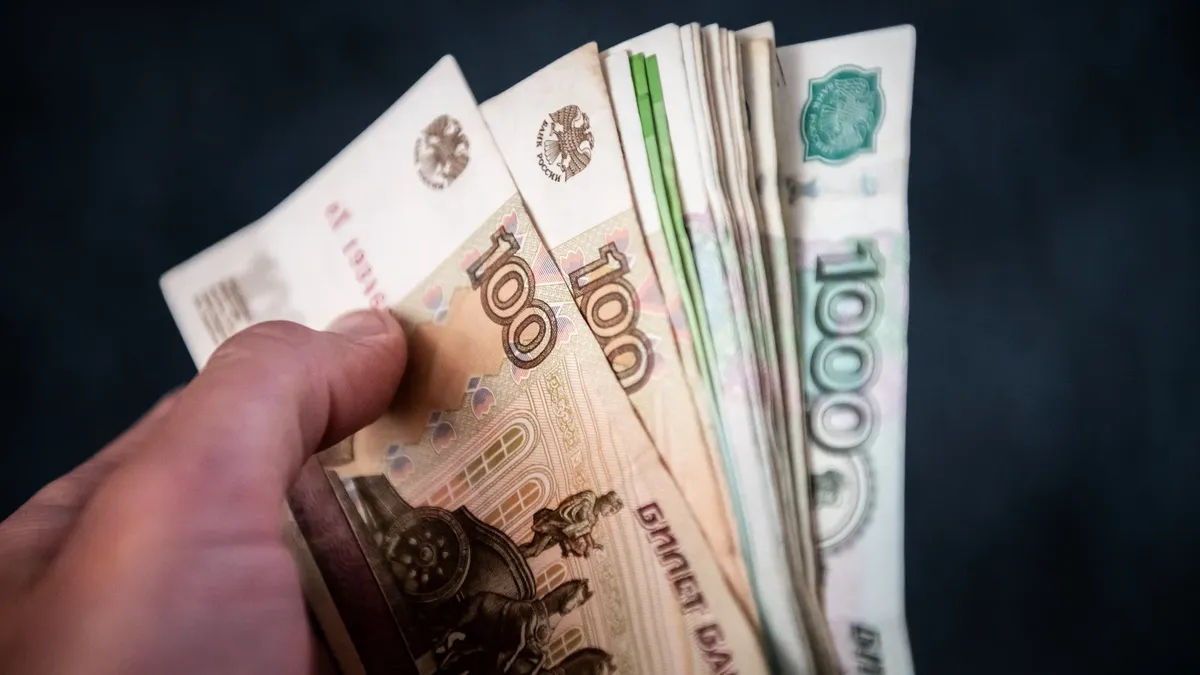
The amount of cash in circulation in Russia has been steadily growing since Moscow unleashed its full-scale invasion of Ukraine. In June, this number broke an all-time high by reaching 17.8 trillion rubles (€168.4 billion). Novaya-Europe interviewed experts to find out why people are withdrawing their money from banks, where these trillions are flowing, and what this will ultimately mean for Russia’s economy.

In June, the speed of cash flow growth in Russia more than doubled compared to the previous month, reaching 458 billion rubles (€4.3 billion), according to the official Central Bank data published with a delay of about one month. In total, Russians currently have 17.8 trillion rubles (€168.4 billion) of cash in circulation, 4 trillion rubles (€40 billion) more than in the beginning of 2022.

Economist Nikolay Korzhenevsky notes that this increase can be dissected into two parts: 2–2.5 trillion rubles (€18.9–23.65 billion) are abnormal and can be directly or indirectly attributed to the war, while the other part is caused by inflation and natural causes. The “abnormal section” is what is driving prices up and threatening to throw the Russian economy out of balance.

Anti-stress paper

The Central Bank graph shows several bursts of cash injections coinciding with significant shocks: the invasion of Ukraine, the mobilisation, the Wagner Group’s mutiny attempt. Bank runs are people’s natural reaction to instability. Russians also withdrew lots of cash in the beginning of the COVID pandemic, but this increase gradually petered out.

Economist Igor Lipsits points out that this behaviour reflects the Russian population’s general uncertainty: citizens remember the restrictions imposed during previous crises, such as the foreign currency withdrawal limit introduced shortly after the invasion. “People don’t like depending on banks. Having cash means you have money,” Lipsits says.

However, it’s not just regular citizens running to the ATMs in times of crisis to withdraw their savings, Lipsits points out. For example, wealthy Russians who were fleeing Moscow in droves during Yevgeny Prigozhin’s Wagner Group rebellion likely contributed a lot to the increased cash flow.

People take money overseas, cash included. Moreover, Russians who have bank accounts in neighbouring countries, like Kazakhstan, exchange rubles abroad and then deposit this cash in sanction-free banks there, Lipsits says.

The steady growth of cash in circulation, which began even before Prigozhin’s armed coup attempt, is also propped up by the fact that Russia now has two groups of people who have become much richer: families of service members and draftees.

Different groups of Russia’s population behave differently when it comes to money, Lipsits notes.

“Poorer ones prefer cash even when they get paid directly into bank accounts. Russia now pays out huge amounts of money to draftees and their families. These generally are poorer people,”

Lipsits says.

At the same time, they often rush to spend this new-found fortune, the expert adds.

Cash for Wagner

There is another explanation: Russia’s cash is flowing into the occupied territories of Ukraine. “The increased demand for cash is linked to the fact that the new regions, where bank payments are less common, need it,” Deputy Governor of the Central Bank Alexey Zabotkin said in May.

According to Korzhenevsky,

the cash for the occupied territories can only account for about 150–200 billion rubles (€1.4–1.9 billion) out of the total amount.
However, we also need to take into account the enormous public spending, which is likely allocated through banks. In 2023, the four recently occupied regions of Ukraine are meant to receive 410 billion rubles (€3.8 billion) from the federal budget alone, which does not take into account money transfers from other Russian regions. Korzhenevsky notes that these public payments go to numerous state contractors, who can move some of the money back into Russia.

However, there’s still no explanation for about a trillion rubles (€9.4 billion): this money could have been cashed in to finance the Wagner Group and other military expenses, Korzhenevsky believes.

Vladimir Putin conceded that Russia in total transferred more than 276 billion rubles (€2.6 billion) to Yevgeny Prigozhin’s structures in a year, which was spent on salaries, insurance payouts for the mercenaries, as well as contracts of Prigozhin’s Concord Catering company, which was in charge of army provisions. At the same time, Prigozhin himself defended the presence of 6 billion rubles (€56.7 million) seized from his office, saying that the Wagner Group had been exclusively using cash to settle its accounts for more than 10 years.

Till death make us rich
читайте также

Till death make us rich

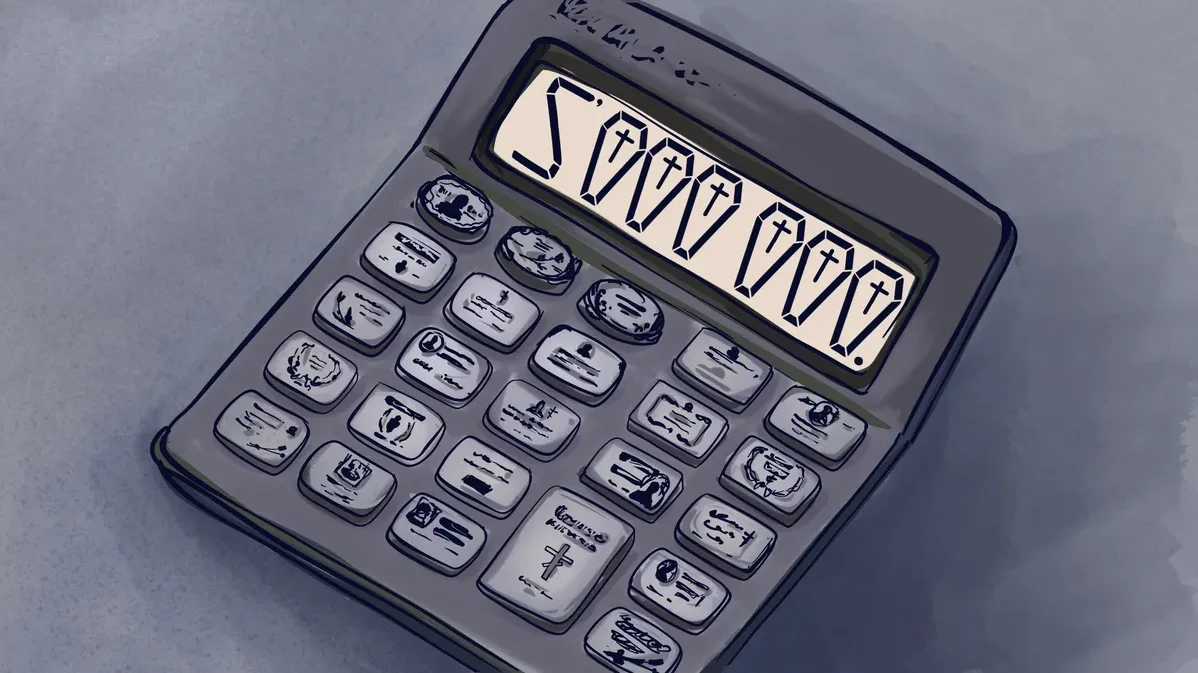
For many Russians, going to war is the only way to escape poverty. Novaya-Europe delves into how the Kremlin put a price on Russian lives

Imbalance incoming

Both experts believe that the current trend of overly saturating the economy with cash leads to accelerated inflation. Korzhenevsky emphasises that the problem does not lie with cash as such. Its share in the total money supply remains the same — around 20%. However, the high public spending drags the non-cash volumes up along with it.

The risks of excessive money printing can potentially put the inflation rates higher than what the Central Bank forecasted. The Rosstat, Russia’s national statistics agency, data shows that the inflation already accelerated its pace in the past few weeks and reached 3.39% since the beginning of the year. The Central Bank itself put the inflation projections around 4.5–6.5%, but increased the lower mark to 5% in July.

Ordinary people always feel the inflation is higher than it actually is in their day-to-day lives, which spurs them to spend their savings as quickly as possible, especially what they have in cash, Lipsits explains.

All these factors combined threaten to throw the Russian economy off balance, the experts warn.

Поделиться
Темы
Больше сюжетов
Больше четырех тысяч аварий произошли на российских энергообъектах в 2025 году

Больше четырех тысяч аварий произошли на российских энергообъектах в 2025 году

Причина каждого десятого отключения света – атака ВСУ, остальные – износ инфраструктуры. На ремонт денег нет
Плетут Путину — 3

Плетут Путину — 3

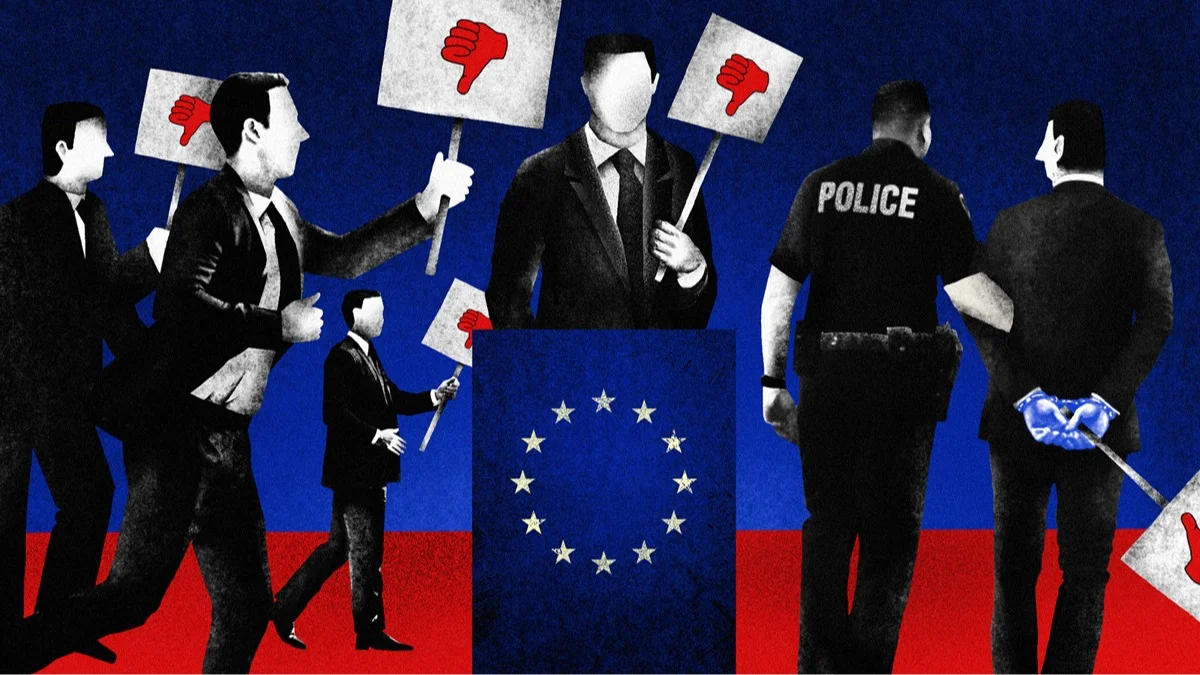
В новом созыве Европарламента стало больше депутатов, голосующих так, как выгодно Кремлю. Но этого всё еще не достаточно, чтобы изменить отношение ЕС к войне в Украине
Первая гибридная

Первая гибридная

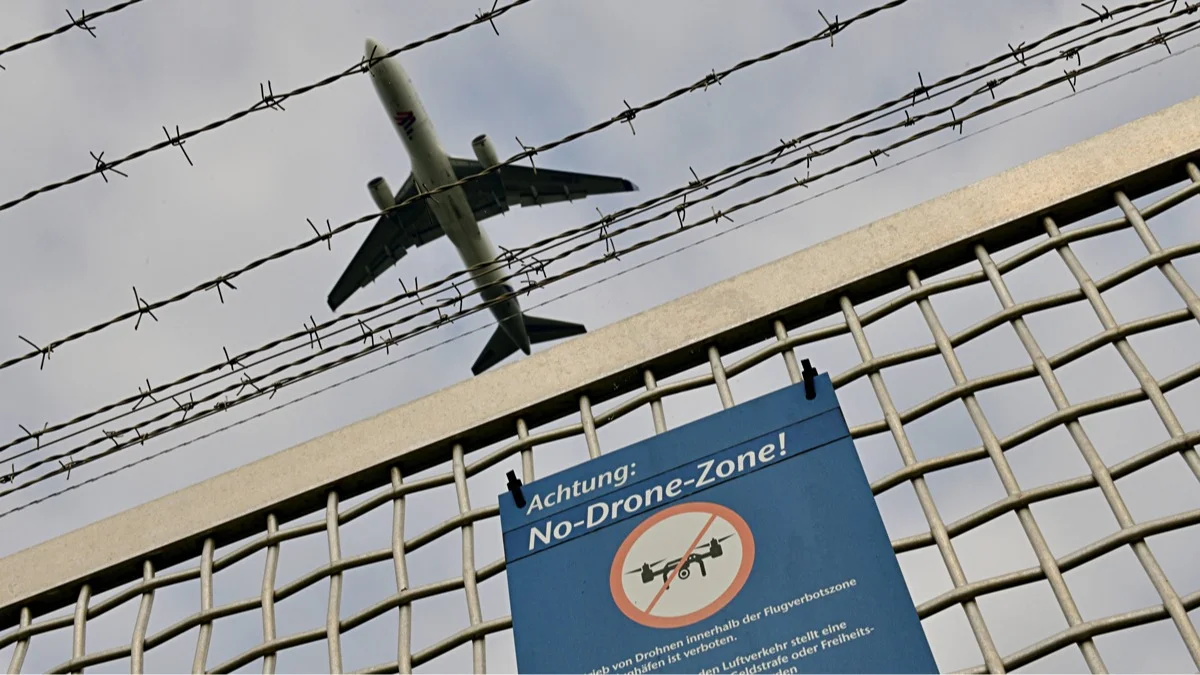
За последние месяцы в Европе произошло не менее 74 воздушных инцидентов, в которых подозревают Россию. Пострадали почти два десятка стран

Ротенберги, Ковальчуки, Патрушевы: главные бенефициары военной национализации

Ротенберги, Ковальчуки, Патрушевы: главные бенефициары военной национализации

Частный бизнес, который отбирают с 2022 года, сейчас получают друзья Путина. В спину им дышит новая «элита СВО»

В список «террористов и экстремистов» попадает в среднем 300 человек в месяц

В список «террористов и экстремистов» попадает в среднем 300 человек в месяц

Каждый десятый из них — подросток

В 2025 году в России арестовано 155 высокопоставленных чиновников

В 2025 году в России арестовано 155 высокопоставленных чиновников

Это рекорд как минимум за последние десять лет

Пушки вместо коек

Пушки вместо коек

Что важно знать про новый российский бюджет? Объясняем на графиках

Нельзя выключить гимн

Нельзя выключить гимн

За 2025 год власти могут поставить рекорд по блокировкам музыкальных треков популярных исполнителей, посчитала «Новая-Европа»

Полные итоги похода «СВО-шников» во власть

Полные итоги похода «СВО-шников» во власть

«Новая-Европа» подсчитала: участники войны получили на выборах не более 2,3% мандатов, а в муниципалитетах проиграли по популярности другим кандидатам