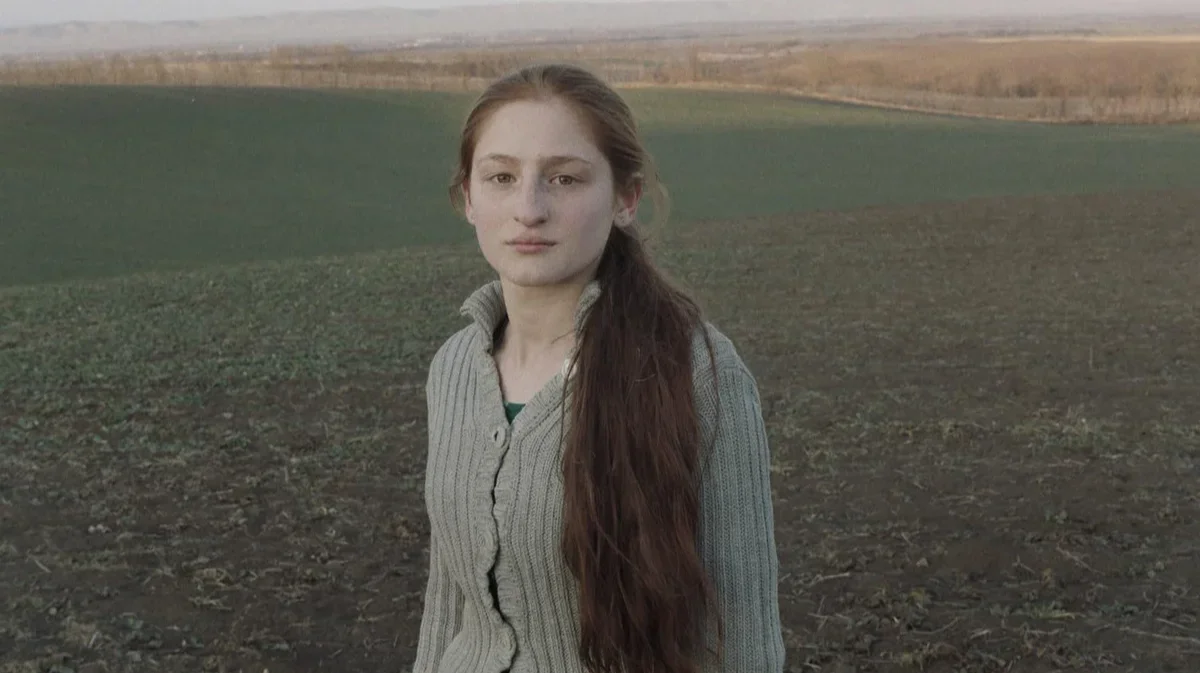
Red-haired, freckled Yakha and her friend brown-eyed Madina are in their final year at a rural high school in Chechnya. Local norms dictate that girls enter into arranged marriages at a young age, but Yakha is still uncertain about her future. For now, her days are spent talking with her best friend during long walks and childishly rolling down hills.

Meanwhile, her older sister wants to leave her husband, but is conflicted as it would also mean leaving her beloved son with him. Yakha’s aunt has picked a wealthy suitor to secure a better future for her niece and preparations are beginning to marry her off in the summer.

The narrative in this pared back feature, which was the only Russian film shown at this year’s Berlin Film Festival, places more emphasis on aspects of female tactility and non-verbal interaction, alongside a focus on the expansive Caucasian landscape, its peaceful sounds and intimate close-ups of its people.

“The Cage is Looking for a Bird” is a portrait of an entire region: a sedate look at people who have never before had a place on the big screen.

As the first feature length film made in Chechen, about Chechens and shot in the Caucasus, its existence alone is an achievement, and Musaeva has described feeling like the spokesperson for a whole nation. In a world where Chechnya is perceived by many only in the context of separatism, terrorism and war, “The Cage is Looking for a Bird” is a lone but very welcome challenge to such dehumanising perceptions.

Sokurov’s legacy

Malika Musaeva was born in 1992 and lived through both Chechen wars. Two days after she and her family fled to Ingushetia, Russian militia units swept through her village and killed all its inhabitants. Her family went into hiding, first in the neighbouring region of Ingushetia, then in the city of Ivano-Frankivsk in western Ukraine. Musaeva spent her youth in the city of Nalchik in the North Caucasus, and then Germany. However, she decided to return to Russia when “Russian Ark” director Alexander Sokurov began running a filmmaking workshop at the Kabardino-Balkarian State University in Nalchik.

Sokurov’s course trained fledgling directors from the region and required them to make films about the Caucasus in its local languages.
The Sokurovian approach can clearly be seen in Musaeva’s reverence for language, her preference for outdoor scenes, and her casting of unknown or untrained actors, as well as the political message made accessible through the director’s masterful grasp of the setting.

The conflict of the everyday and the aspirational in Musaeva’s film is indicative of a fuller life somewhere else, and like fellow Sokurov alum Kantemir Balagov’s “Closeness” and Kira Kovalenko’s “Unclenching the Fists”, the recurring theme of “The Cage is Looking for a Bird” is the beautiful faraway — an unknown world of freedom that is coveted by teenagers as much as it is feared by their parents. “Take me away from here” is the resounding refrain delivered by the heroines of these films.

The other Chechnya

Considering the real-life circumstances of the director and her actors, “The Cage is Looking for a Bird” is a dazzling display of emotional authenticity. After the film wrapped, both leads got married and took the hijab. Under pressure from their families and their community, both of which were unhappy about their participation in the film, neither plans to act again. Concerned for its potential to adversely affect them both, even Musaeva says she hopes the film passes largely unnoticed in Chechnya.

Musaeva, who now lives in Germany, says she can’t now imagine returning to film in the North Caucasus. The war with Ukraine has made the already reserved residents of the region even more uneasy and suspicious of outsiders.

Like the director herself, who as a young girl was uprooted by war and found herself living in alien lands, there is a unique courage embedded in this work. Almost absent of men, the film presents an image of Chechnya that’s in stark contrast to that forged by Russian propaganda and the brutal regime of Chechen head Ramzan Kadyrov, whose most recent contribution to the visual arts was releasing a video of his 15-year-old son beating up a defenceless prisoner.

That this narrative reframing was the work of a Chechen woman who left Chechnya and went on to find her voice in the outside world makes this all the more significant. The cage didn’t capture this bird.

Поделиться
Больше сюжетов
Обстрелы между переговорами

Обстрелы между переговорами

Промежуточные итоги «энергетического перемирия»: на фронте тише, чем обычно, но без атак дронов и погибших снова не обошлось
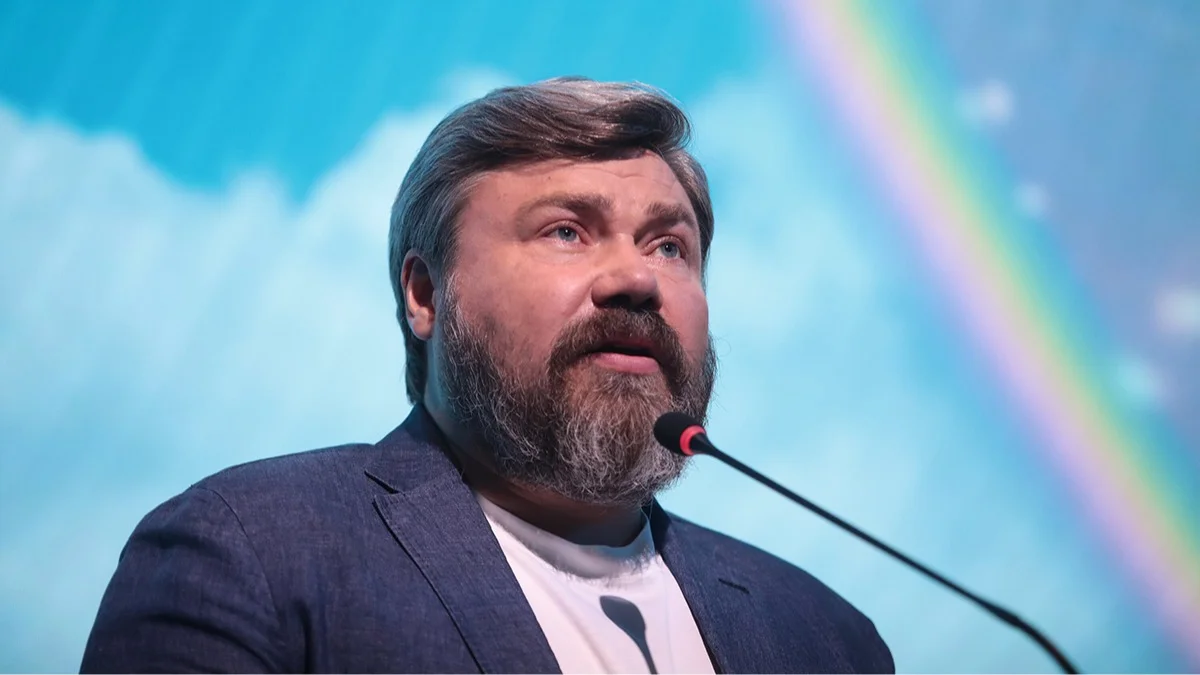
Империя пришла в МГУ

Империя пришла в МГУ

Что студентам собирается рассказывать православный олигарх Малофеев
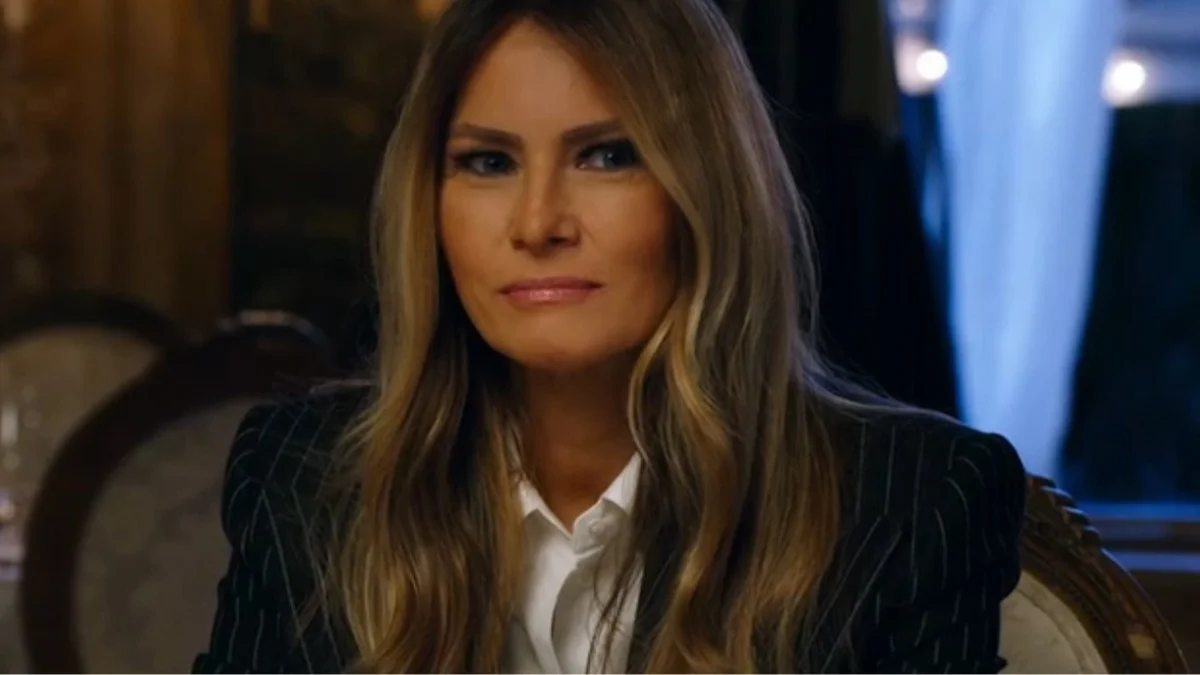
Цельнопластиковая оболочка

Цельнопластиковая оболочка

Док «Мелания» рассказывает о фасаде имени Мелании Трамп без единой трещинки естественности. Его спродюсировала сама миссис Трамп на деньги Amazon
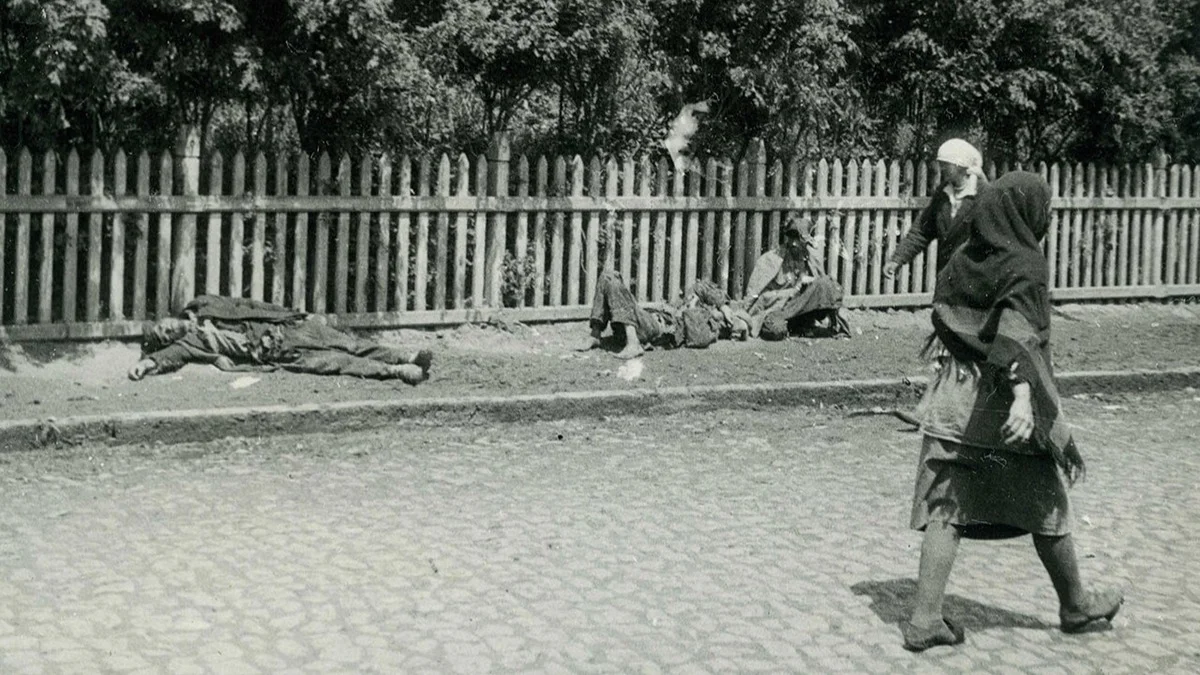
Путин продолжает дело сталинских палачей в Украине

Путин продолжает дело сталинских палачей в Украине

Академик Юрий Пивоваров — о холодоморе
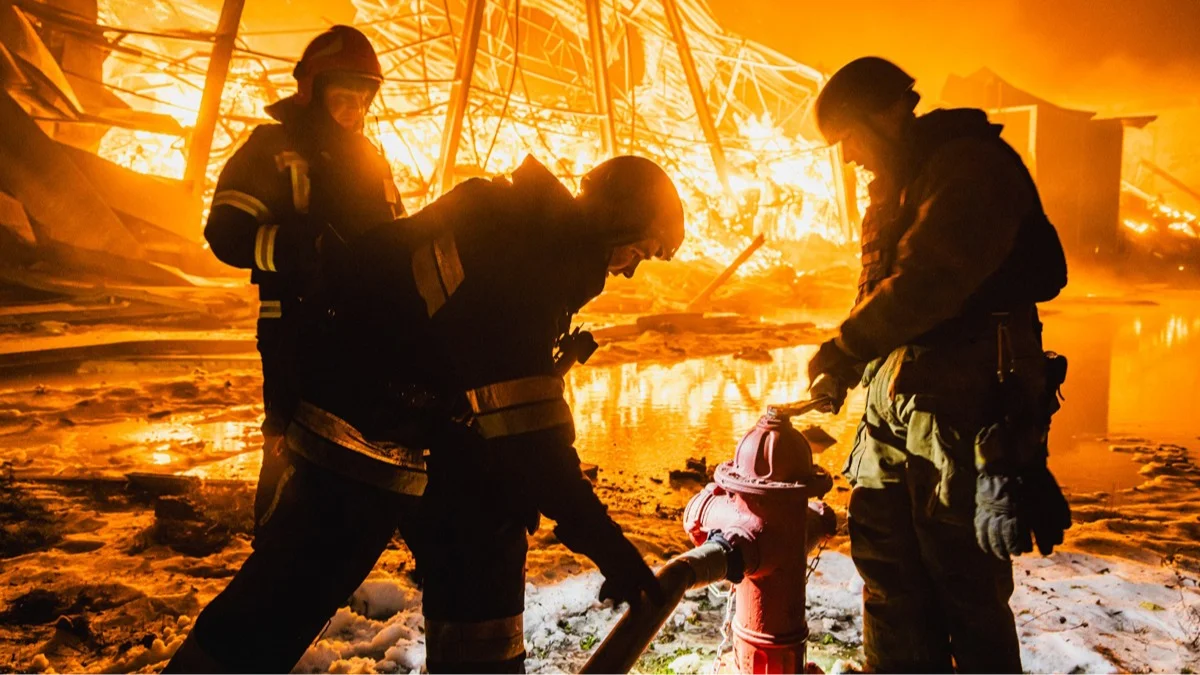
«Разговоры о прекращении атак на украинскую энергетическую инфраструктуру — это информационное прикрытие»

«Разговоры о прекращении атак на украинскую энергетическую инфраструктуру — это информационное прикрытие»

Россия ночью 30 января обстреляла Украину дронами и запустила «Искандер»
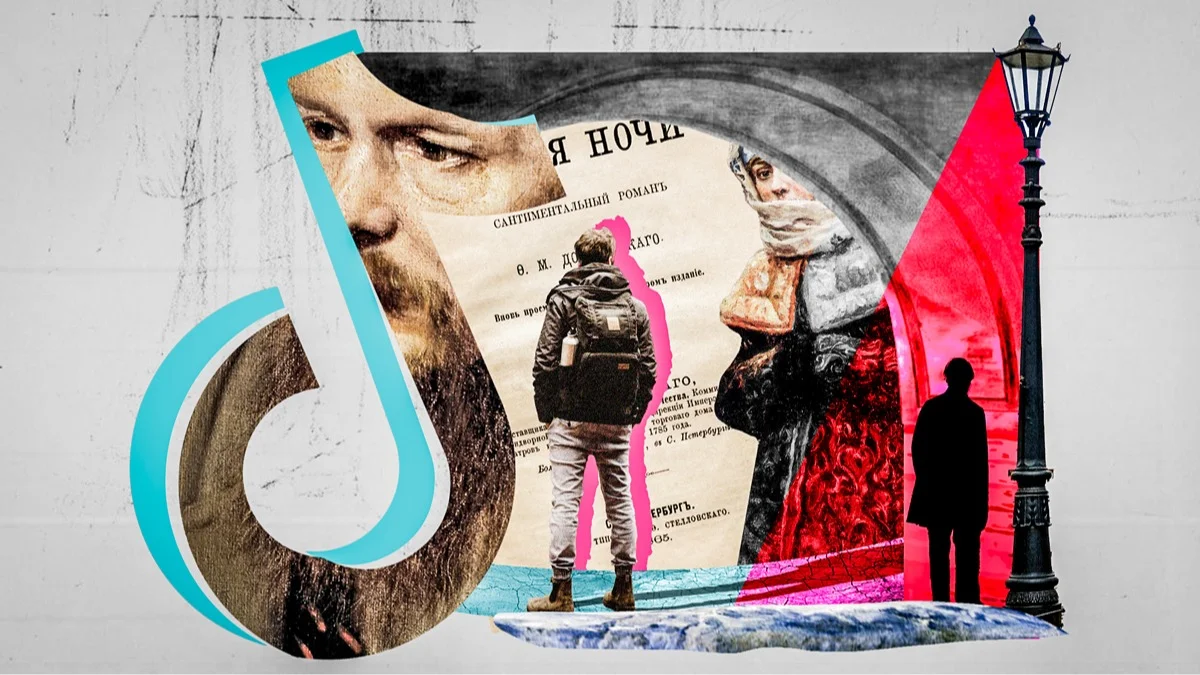
Экологичная любовь в русской классике?

Экологичная любовь в русской классике?

«Белые ночи» завирусились в Тиктоке и стали самым популярным произведением Достоевского на Западе: вспоминаем повесть к 145-летию со смерти писателя

ФСБ получит право отключать интернет и связь

ФСБ получит право отключать интернет и связь

Госдума, приняв законопроект в первом чтении, на самом деле легализовала уже устраиваемые шатдауны

Не понять и простить

Не понять и простить

Роман Елены Катишонок «Возвращение» — семейная хроника и психологическая проза, где герои состоят в абьюзивных отношениях с прошлым
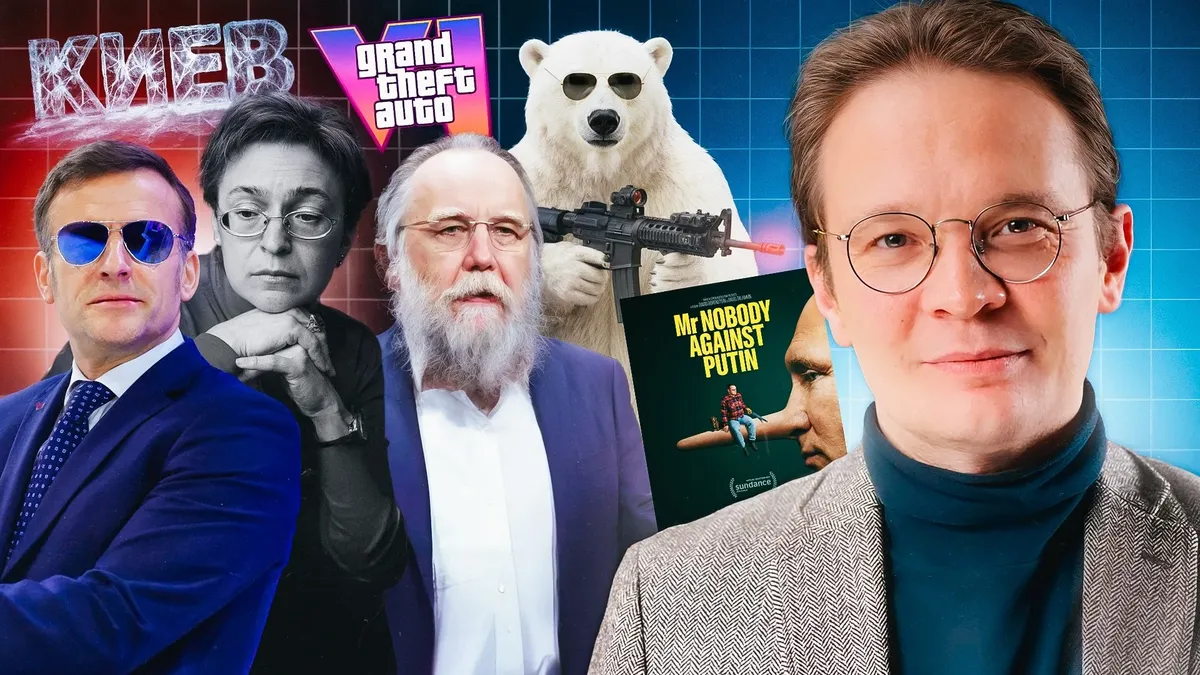
Давос, переговоры, ФСБ пытает школьниц, убийцы пойдут в депутаты, Путин и Зеленский погибли на войне

Давос, переговоры, ФСБ пытает школьниц, убийцы пойдут в депутаты, Путин и Зеленский погибли на войне

«Ужасные новости» с Кириллом Мартыновым