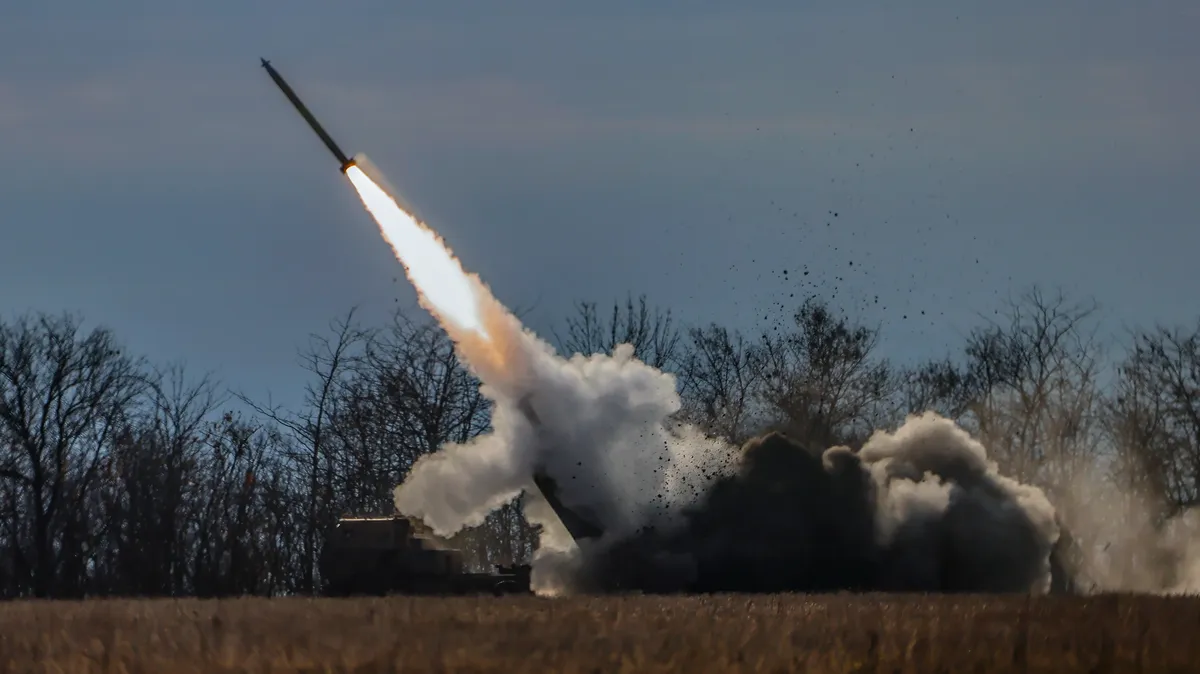
Military experts believe that the US policy prohibiting Ukraine from using American weapons to attack targets inside Russia is giving the invader an important advantage as it develops its recent offensive in the northern Kharkiv region.
Dr Christopher Morris
Teaching Fellow at the University of Portsmouth’s School of Strategy, Marketing and Innovation

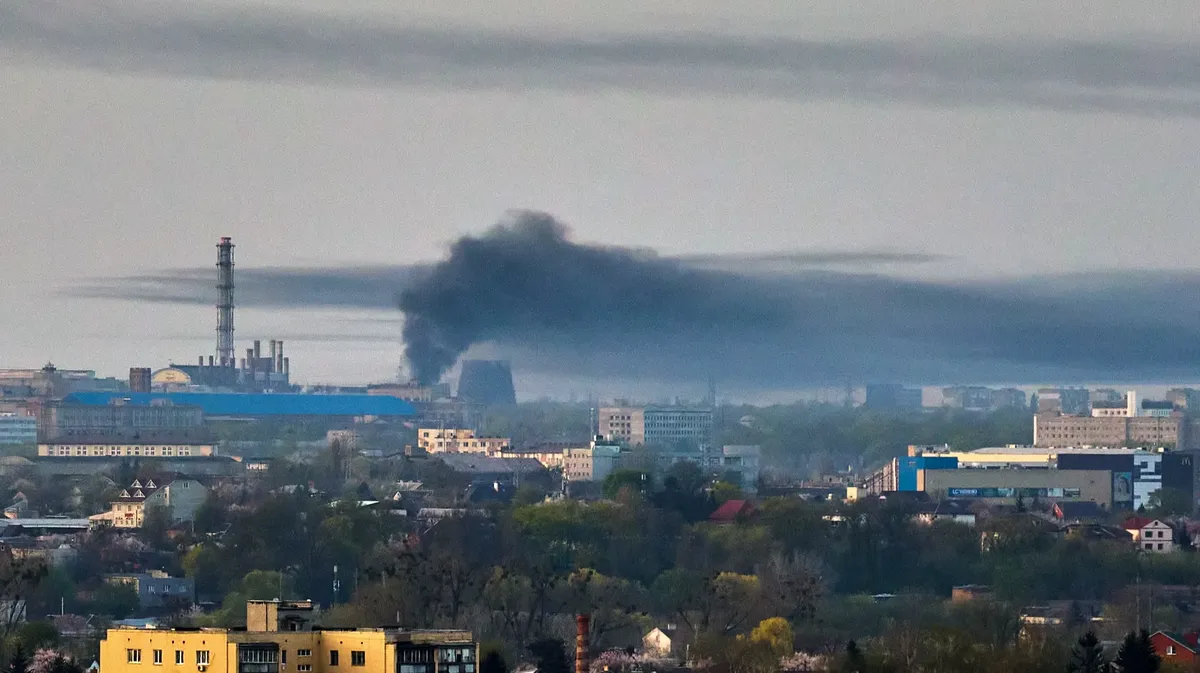
The latest offensive began on 10 May, but Kharkiv itself — Ukraine’s second-largest city — has come under daily missile attack since the full-scale war began in February 2022.

The city of about 1.4 million people, now crowded with refugees from the surrounding towns and villages, has become something of a symbol of continuing Ukrainian resistance.

Being able to use the powerful, long-range weapons supplied by its Western allies would allow Ukraine to strike at targets across the border in Russia. This would help Kyiv’s military planners shape the wider battlefield in their favour. As it stands, Russia can mass forces and supplies in relative safety as its key infrastructure, such as air bases and supply depots, lie just across the border.

Beyond Vovchansk
читайте также

Beyond Vovchansk

What does Russia aim to achieve with its offensive in the Kharkiv region?

Washington has always been adamant that Ukraine mustn’t use its weapons to target Russia. But there are reports that the State Department is pushing for a change in light of the fresh offensive in the Kharkiv region.

On a visit to Kyiv on 15 May, US Secretary of State Antony Blinken implied that the time might be right to allow Ukraine to use US weapon systems to strike at targets across the border, saying: “We have not encouraged or enabled strikes outside of Ukraine, but ultimately Ukraine has to make decisions for itself about how it’s going to conduct this war.”

There has been no official policy shift, but the removal of this limitation on Kyiv’s use of US weapons systems would mark a significant moment in the conflict. Despite all the setbacks of the past year, Kyiv has largely adhered to this rule, mindful that serious violations could curb foreign support.

Using Western-made systems would allow Ukraine to increase the tempo of these attacks, potentially limiting Russia’s ability to commit to offensives.

Several of Ukraine’s allies have given the green light for Kyiv to use their weapon systems within Russian territory. The UK Foreign Secretary David Cameron recently said during a visit to Kyiv that Ukraine “absolutely has the right to strike back at Russia.” It appears that France is poised to follow suit.

Ukraine has already conducted strikes deep within Russia using its own weapons, including basic drones, which have significantly hampered Russian fuel production and even targeted Moscow. But it has limited resources. Using Western-made systems would allow Ukraine to increase the tempo of these attacks, potentially limiting Russia’s ability to commit to offensives.

Strikes by Ukraine have already begun to disrupt the Russian rear. If US weapons systems were approved for use against targets in Russia, then the Russian interior would no longer be safe. Importantly, it could force Moscow to pull Russian air defence and strike aircraft away from the frontlines to defend critical infrastructure.

Still, a potential expansion of how this aid can be used, including striking targets within Russia, raises several important considerations.

Ukraine is struggling with recruitment and its economy is flagging. Unless Kyiv and its allies can fundamentally shift the character of this conflict, the outlook is not good.
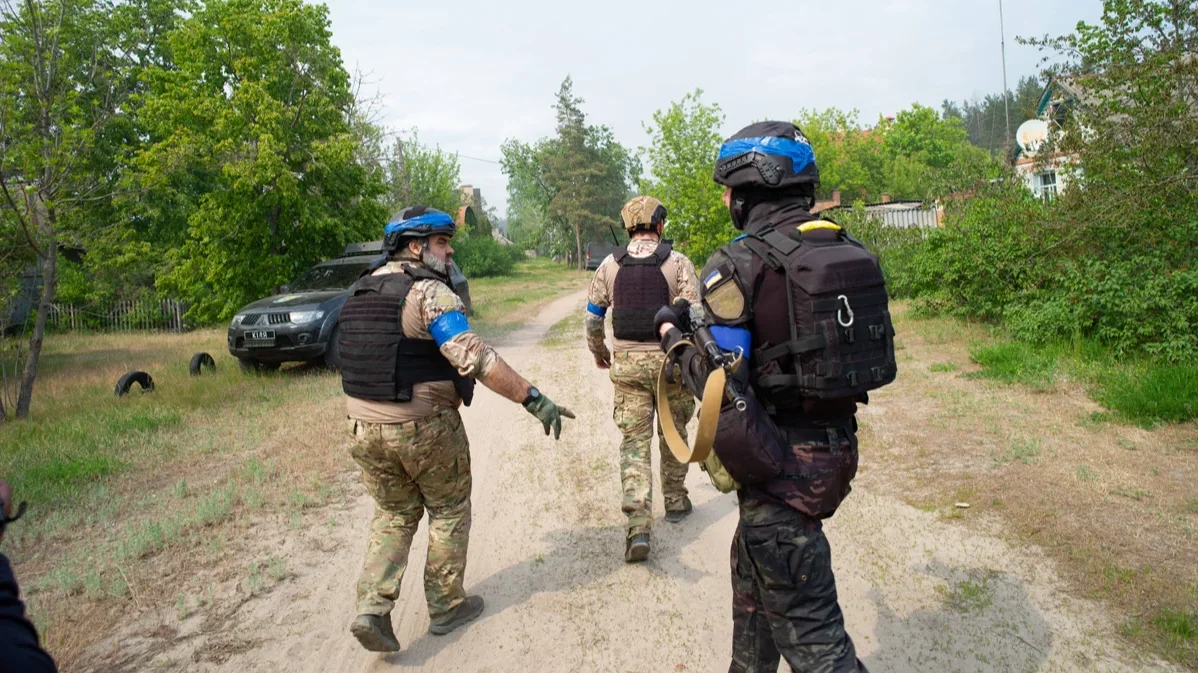
Ultimately, allowing Ukraine to use Western weapons against targets in Russia is not guaranteed to shift the overall strategic balance greatly. It will disrupt Russian supply lines, command structures and logistical hubs, thereby reducing the effectiveness of Russian military operations in Ukraine. But it will not fundamentally alter the balance of power.

Weapons such as the High Mobility Artillery Rocket Systems (HIMARS) are effective enough, but they are unlikely to alter the essential arithmetic at play in what has become a brutal war of attrition. Successive mobilisations have seen Russian forces increased by 15% since the war’s outset. These raw numbers are difficult for Ukraine to match.

A losing battle?
читайте также

A losing battle?

Stalemate in Ukraine has been broken by Russia’s readiness to throw everything it has at the war

Ukraine is struggling with recruitment and its economy is flagging. Unless Kyiv and its allies can fundamentally shift the character of this conflict, the outlook is not good. At present, Putin is content to grind down Ukrainian resistance and wait for Western backing to diminish.

In this regard, the upcoming US election will be a key moment. Another Trump presidency could see Washington refocus on domestic issues, perhaps even cutting the supply of military aid.

But the use of Western weapons to strike Russian territory would have significant geopolitical implications. It could lead to increased tensions between Russia and the NATO countries supplying the weapons. The risk of escalation, including the possibility of Russia retaliating against NATO members, is a serious concern, particularly given Vladimir Putin’s repeated use of nuclear threats aimed to stoke Western fears.

The debate over whether to permit Ukrainian use of Western military aid to strike Russian territory involves a complex interplay of military strategy and geopolitical considerations.
The potential for miscalculation and unintended consequences cannot be overlooked. Striking Russian territory could provoke a strong and possibly unpredictable response from Russia. The Kremlin’s nuclear threats, while often considered bluster, cannot be entirely dismissed, especially if they choose to perceive direct attacks on their homeland as an existential threat. Russian military doctrine allows the use of nuclear weapons if this is the case.

The debate over whether to permit Ukrainian use of Western military aid to strike Russian territory involves a complex interplay of military strategy and geopolitical considerations. While such a move could provide significant tactical advantages to Ukraine, it will not fundamentally alter the overall strategic picture. It also carries substantial risks that must be carefully weighed.

The evolving nature of this conflict requires continuous assessment and a cautious approach to ensure that the actions taken contribute to a sustainable and just resolution without escalating into a broader, more devastating war.

This article was first published by The Conversation. Views expressed in opinion pieces do not necessarily reflect the position of Novaya Gazeta Europe.

Поделиться
Больше сюжетов
Что Украина и США обсуждали в Берлине

Что Украина и США обсуждали в Берлине

Компромисс по «мирному плану» до сих пор не найден: американская сторона требует, чтобы Киев уступил Донбасс, Зеленский это отвергает

Похищение игрока, провал Карпина и сенсация из ниоткуда

Похищение игрока, провал Карпина и сенсация из ниоткуда

Российский футбол даже в изоляции оказывается в центре внимания. Что в нем произошло за последние полгода?

Палачи и жертвы

Палачи и жертвы

В годы Большого террора чекистов, истязавших людей, часто тоже пытали и расстреливали. Это называется «экосистемой насилия»

Научный занавес

Научный занавес

Российским ученым усложняют сотрудничество с иностранными коллегами. Историк Рустам Александер вспоминает, как это работало в СССР

Евгения Хасис рассказала в интервью Собчак о подготовке к убийству Маркелова и Бабуровой, желании пойти на «СВО» и отношении к национализму сейчас

Евгения Хасис рассказала в интервью Собчак о подготовке к убийству Маркелова и Бабуровой, желании пойти на «СВО» и отношении к национализму сейчас

Главное из интервью

Великий выдумщик

Великий выдумщик

Умер Фрэнк Гери — один из самых известных современных архитекторов. Одни называли его работы революцией, другие — безумием

«Вежливые люди» захватывают Финляндию

«Вежливые люди» захватывают Финляндию

Сериал «Конфликт» о повторении крымского сценария вышел в России. В версии с цензурой нет упоминания армии РФ

На языке пламени

На языке пламени

«Литературная политика Третьего рейха» — исследование о том, как Гитлер вел войну с книгами и что из этого вышло

Между самодержавием и самовластием

Между самодержавием и самовластием

Академик Юрий Пивоваров рассуждает о маятнике русской истории