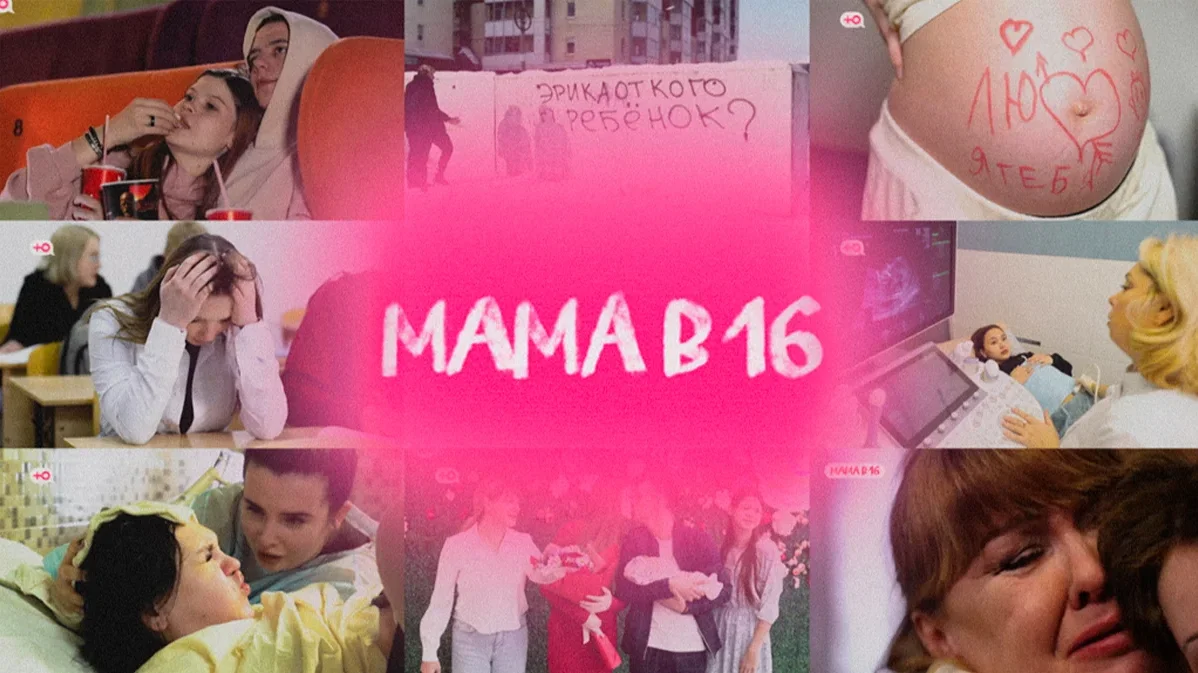
Last month, Federation Council member Yulia Lazutkina proposed banning the television show Beremenna v 16 (16 and Pregnant). “We are all working towards improving our demographic policy,” she said, referring to Russia’s persistent population decline, “but there must be some limits.” Lazutkina declared that “a girl who becomes 16 and Pregnant is unlikely to bear and raise a worthy citizen.”

When Russian authorities call for something to be banned, it’s often the case that the objectionable thing is serving an important social function — so perhaps both the ban and the show itself deserve a closer look.

16 and Pregnant is the Russian adaptation of the American reality series of the same name, which aired on MTV between 2009 and 2014. It premiered first in Ukraine, and then in Russia in 2019. The show’s creators have been at pains to emphasise that the aim is not to sensationalise, but rather “to show teenagers that early pregnancy often brings more hardship than happiness”.

The Bolsheviks of the 1920s were far more progressive than today’s Russian officials. Flip through a newspaper from that era, and you might find articles entitled About Wet Dreams, On Masturbation, or The Fight Against Venereal Diseases.

Russia’s 16 and Pregnant is helping fill the void in young people’s sex education. This is no small feat in a country where the Education Ministry still clings to the backwards belief that sex education will spark “unhealthy interest” among teenagers, and lead them to engage in sexual activity “earlier than appropriate”.

Researchers at Wellesley College found that the American series was associated with a 5.7% decline in teenage pregnancy rates in the United States. In Russia there is no standardised school curriculum addressing sexual health, so even small windows into the realities of having sex at a young age could be crucial.

A long tradition of silence

The idea that children must be shielded from sex is hardly new. Soviet opponents of sex education had similar reasoning. Yet the Bolsheviks of the 1920s were far more progressive than today’s Russian officials. Flip through a newspaper from that era, and you might find articles entitled About Wet Dreams, On Masturbation, or The Fight Against Venereal Diseases.

The Bolsheviks saw sexual enlightenment as a pragmatic tool to improve public health and productivity. It was Stalin, a man famous for championing unscientific notions, who shut down sex education initiatives.

Russian officials still insist that sex education will corrupt young people, despite ample evidence that it reduces rates of teenage pregnancy and sexually transmitted infections.

Under Khrushchev, the state publishing house Meditsina released several pamphlets on sex education. These advocated delaying sexual activity until after the age of 25, channelling sexual energy into public service, avoiding solitude to fend off the temptations of masturbation, and — rather bizarrely — cautioned against observing the mating habits of pigeons, lest it provoke “unwholesome curiosity”.

Though these pamphlets were crude and heavy-handed in their ideological agenda, they nonetheless peeled back the veil of secrecy surrounding sexual matters and quickly sold out. During the Brezhnev era, these publications increased slightly, but the prevailing belief within the Health and Education Ministries remained that formal sex education would only hasten the sexual awakening of adolescents.

Since then, little progress has been made: Russian officials still insist that sex education will corrupt young people, despite ample evidence that it reduces rates of teenage pregnancy and sexually transmitted infections.

Entertainment as the last resort

16 and Pregnant is far from the only show to have addressed sex education in Russia. In the 1990s, pioneering TV presenter Vladislav Listyev hosted Tema (The Topic) on Channel One — a programme that bravely tackled subjects still deemed taboo: divorce, prostitution, AIDS, children and sex, sexual dysfunction, underage marriage, and transgender identity. Discussions in Listyev’s studio were conducted with earnestness and intellectual rigour.

From 1997 to 2000, Russia even had its first dedicated sex talk show Pro Eto (About That), hosted by Yelena Khanga, an African-Russian journalist. Broadcasting after midnight, Khanga discussed once taboo topics — masturbation, prostitution, orgasms, homosexuality — with surprising frankness.

Russian audiences witnessed, often for the first time, open discussions of homosexuality, toxic masculinity, and people identifying as transgender — topics otherwise absent from the national discourse.

Conservative Duma deputies railed against the programme, demanding it be cancelled. But letters of gratitude flooded into the production offices. When an episode featured tantric sex, viewers even requested copies of the broadcast.

Between 2005 and 2009, the entertainment network TNT aired Sex with Anfisa Chekhova, in which the presenter — channelling a Russian Carrie Bradshaw — offered candid reflections on the sexual mores of contemporary Russians. Around the same time, MTV Russia produced a show called Elementary Sex, aimed at a younger audience.

But perhaps the most influential force in Russian sex education turned out to be the reality show Dom-2, Russia’s take on Big Brother.

Flickers of light in a darkening landscape

That’s right, Dom-2. Its reputation for low-brow entertainment is well known, but the programme did something few others even dared: it brought intimate conversations about love, sex, and relationships into the public sphere. Russian audiences witnessed, often for the first time, open discussions of homosexuality, toxic masculinity, and people identifying as transgender — topics otherwise absent from the national discourse.

Who could forget when Erika Kisheva, a transgender woman, stood before the show’s ceremonial gathering spot and declared her intention to find love and champion acceptance for people like herself? Her announcement was met not with hostility, but applause — an extraordinary moment for Russian television. Crucially, these lessons came not through dry lectures, but through real, relatable lives.

In a country where formal sex education is virtually non-existent, such series represent a rare — and increasingly vital — space for public discussion about sex and relationships.

Unsurprisingly, officials tried repeatedly to have Dom-2 banned.

Amid an ever-tightening landscape of censorship, occasional pockets of enlightenment remain. TNT’s new series Pro Eto Samoe (About That Very Thing) tells the story of a young sexologist who moves to a remote village to heal and educate the local population. In a country where formal sex education is virtually non-existent, such series represent a rare — and increasingly vital — space for public discussion about sex and relationships.

Entertainment television, however flawed, may be the only form of sex education left in Russia today.

Поделиться
Темы
Больше сюжетов
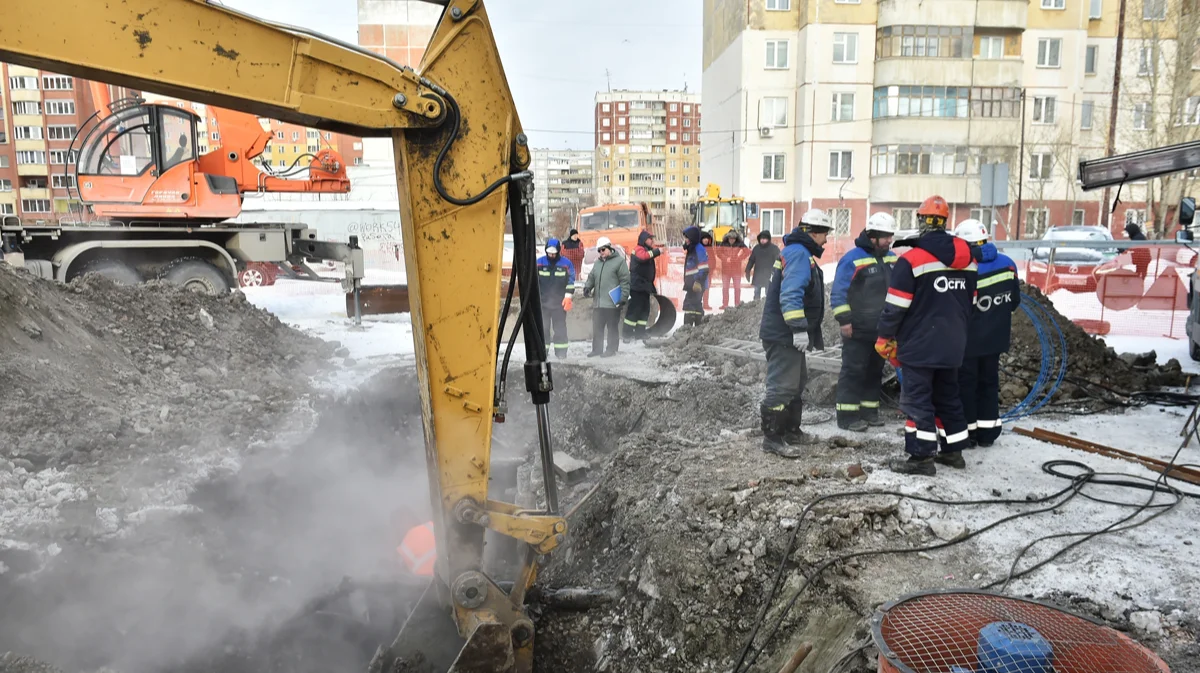
1280 раз сообщалось о коммунальных авариях в январе — в два раза больше, чем год назад

1280 раз сообщалось о коммунальных авариях в январе — в два раза больше, чем год назад

Почему ЧП так много и как выжить в мороз?
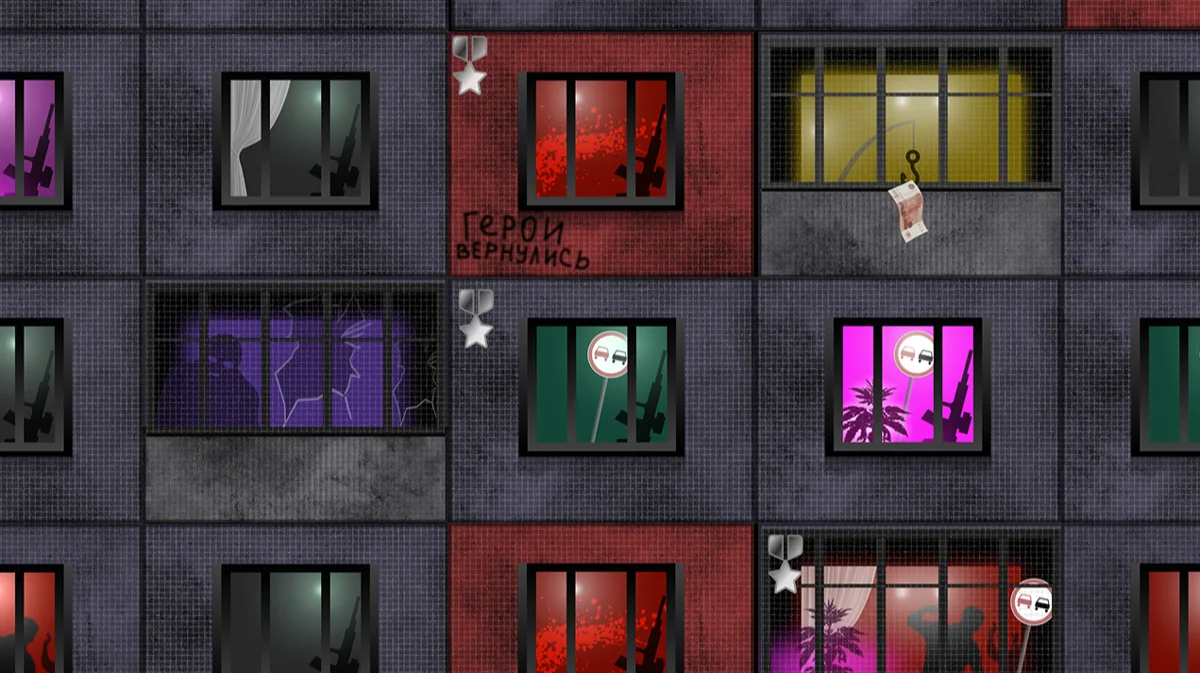
Дом, в который пришла война

Дом, в который пришла война

Спецпроект «Новой-Европа» о преступности ветеранов «СВО»
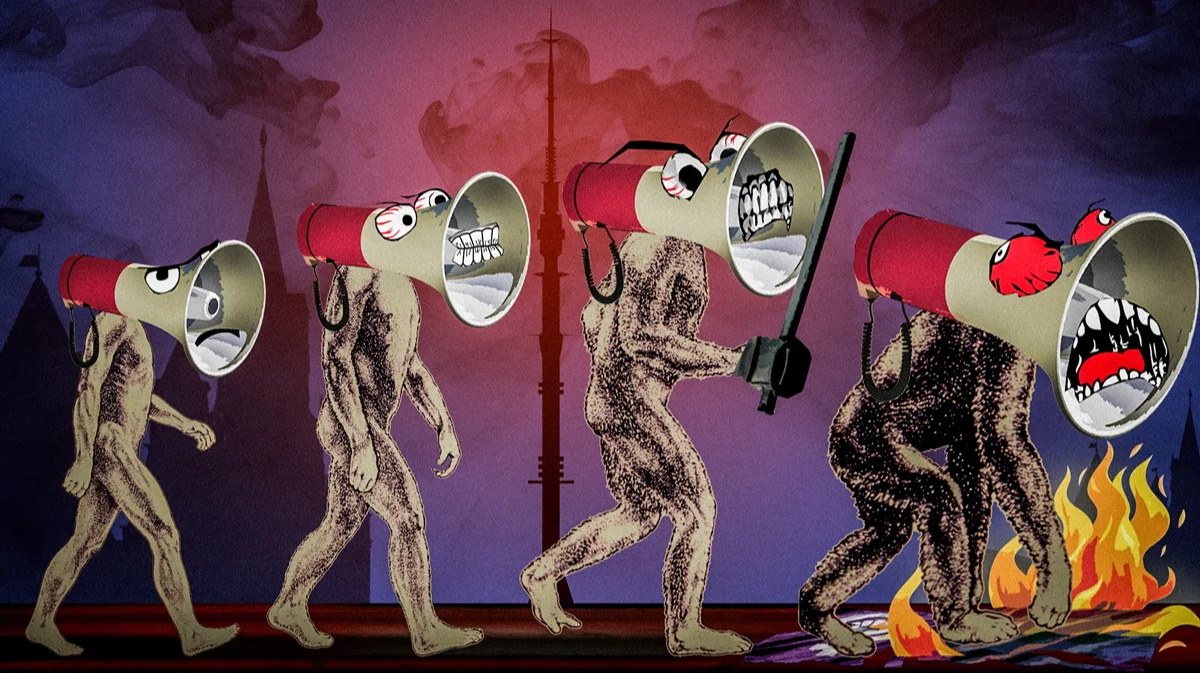
Краткая история ненависти

Краткая история ненависти

«Новая-Европа» изучила пять миллионов публикаций в провластных СМИ и составила хронологию травли оппозиции, мигрантов и приверженцев «нетрадиционных ценностей»

О чем спорили боты

О чем спорили боты

Топ-10 новостей 2025 года, на которые активнее всего реагировали прокремлевские аккаунты в соцсетях
Война на карте России

Война на карте России

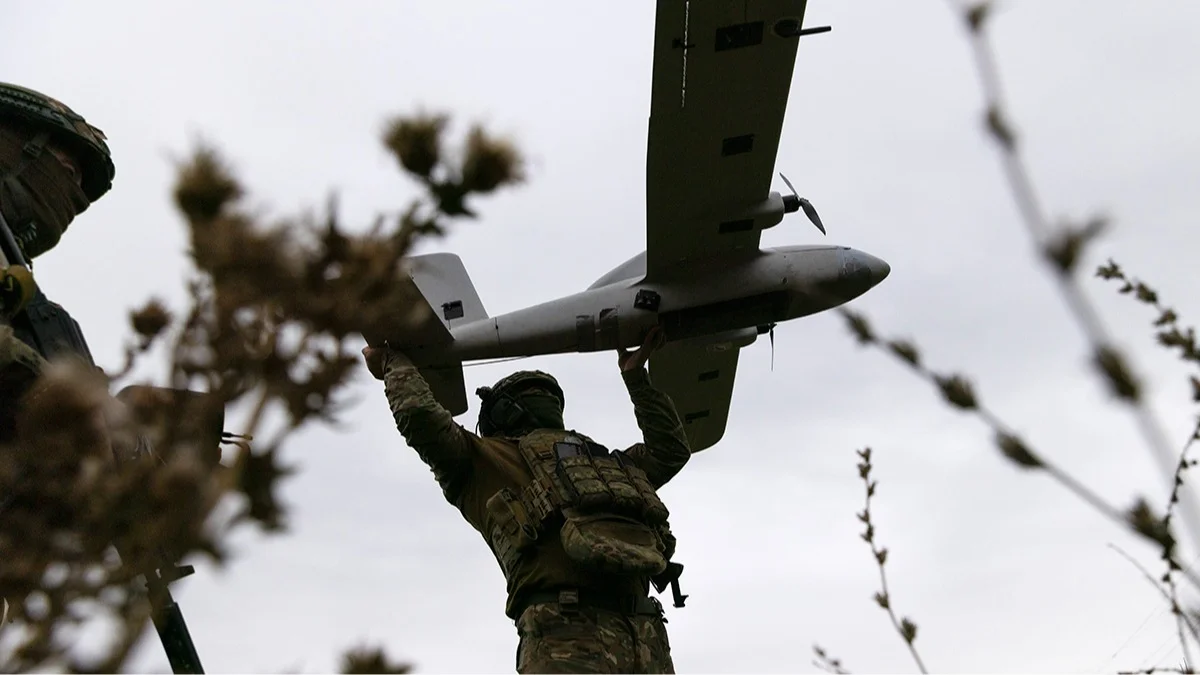
2025 год стал рекордным по количеству атак беспилотников по российским регионам. В среднем падает или попадает в цель 11 дронов в день
Российские регионы один за другим вводят запрет на «склонение женщин к абортам»

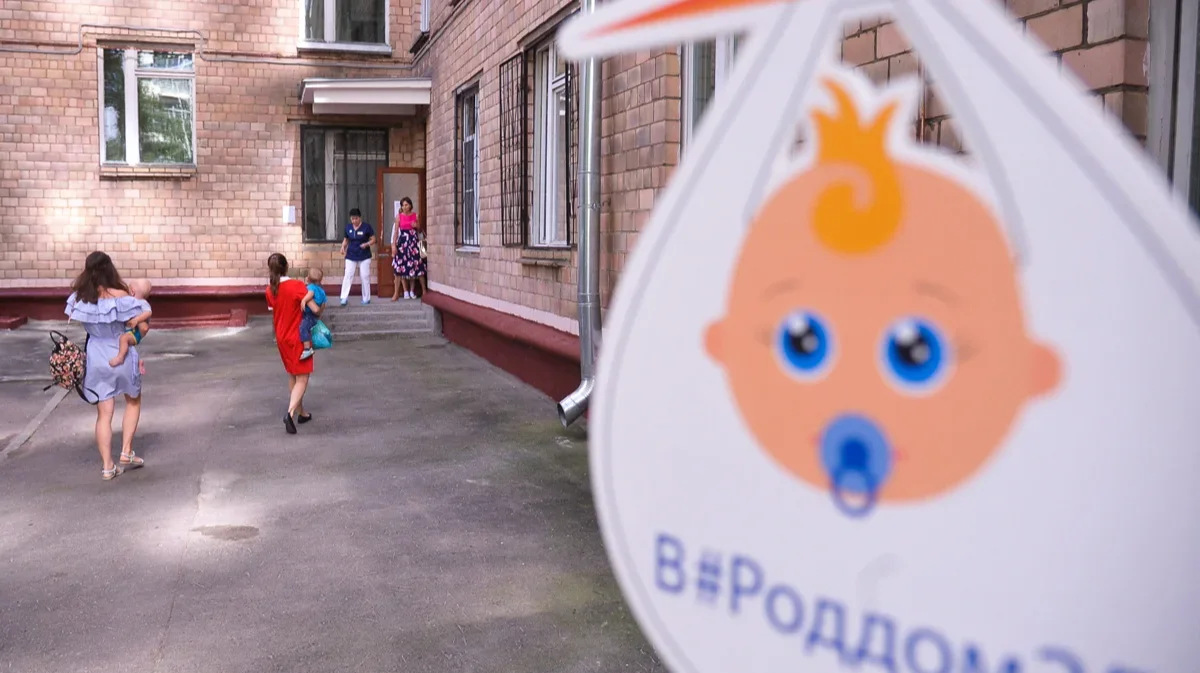
Российские регионы один за другим вводят запрет на «склонение женщин к абортам»

Где уже действует законопроект, а где его только обсуждают. Карта
Больше четырех тысяч аварий произошли на российских энергообъектах в 2025 году

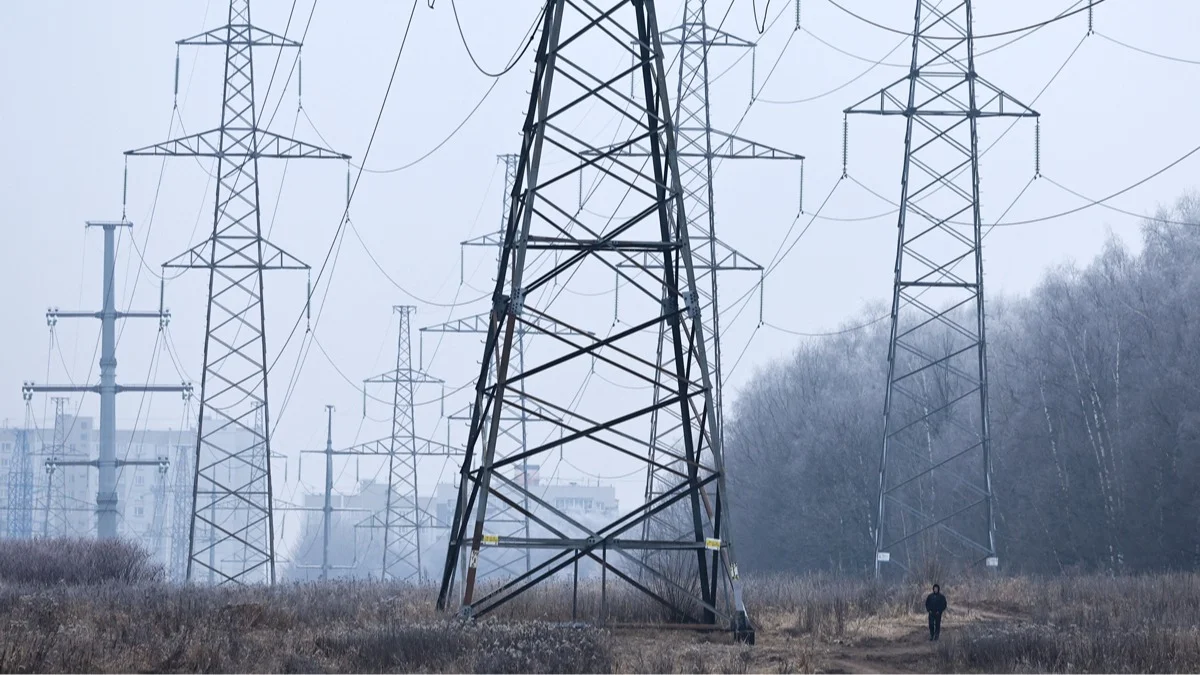
Больше четырех тысяч аварий произошли на российских энергообъектах в 2025 году

Причина каждого десятого отключения света – атака ВСУ, остальные – износ инфраструктуры. На ремонт денег нет
Плетут Путину — 3

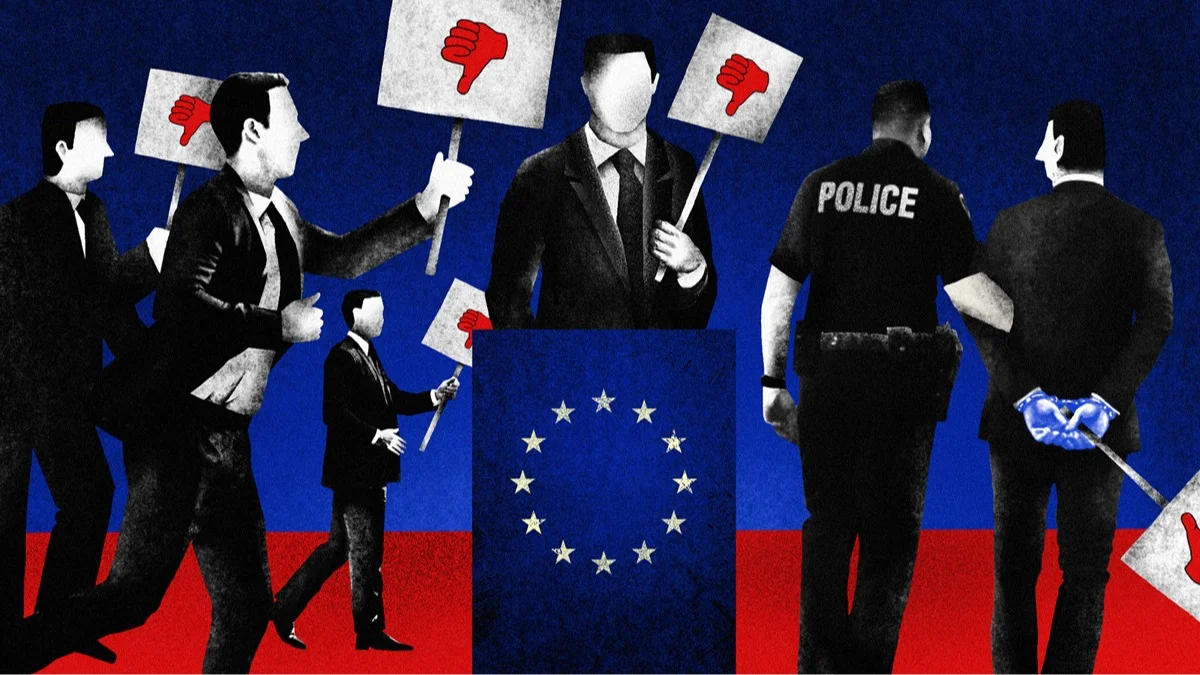
Плетут Путину — 3

В новом созыве Европарламента стало больше депутатов, голосующих так, как выгодно Кремлю. Но этого всё еще не достаточно, чтобы изменить отношение ЕС к войне в Украине
Первая гибридная

Первая гибридная

За последние месяцы в Европе произошло не менее 74 воздушных инцидентов, в которых подозревают Россию. Пострадали почти два десятка стран

Выбор читателей
Самые популярные материалы за две недели 19–2 февраля