
‘Full-scale war on the horizon’: new laws could add up to 5 million soldiers to Russia’s army
A breakdown of Russia’s new mobilisation and conscription laws
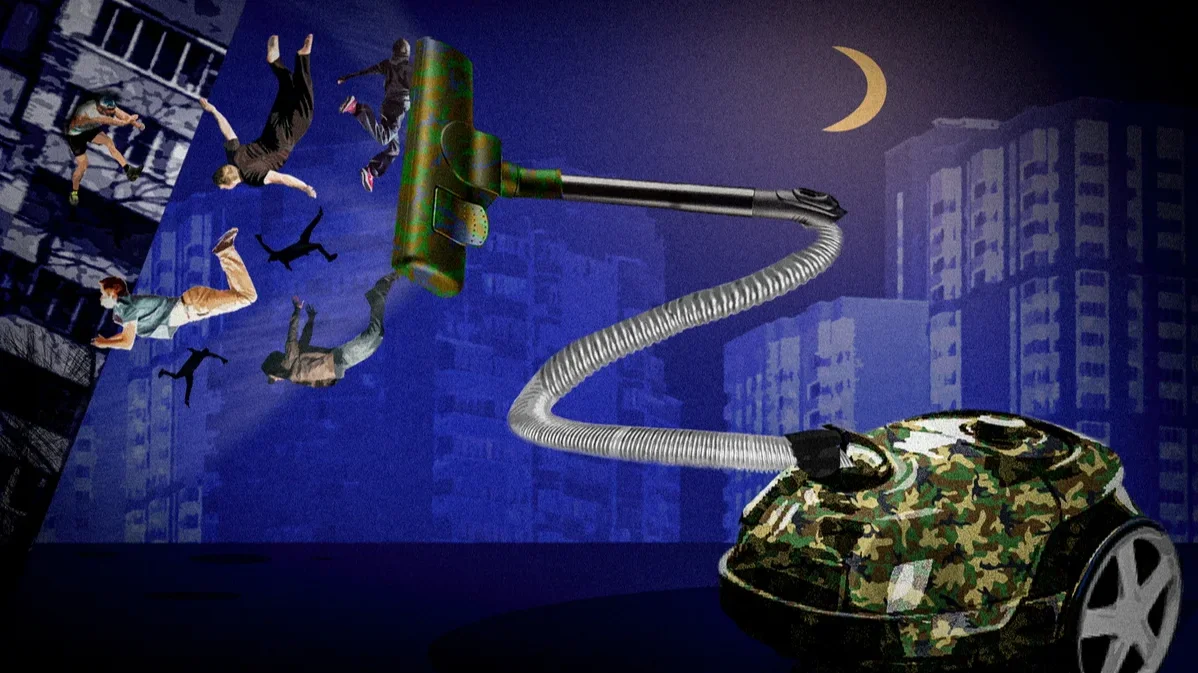
During the last parliamentary session before the summer break, the Russian State Duma (lower house) adopted a package of bills that makes more ordinary Russians eligible for conscription. Andrey Kartapolov, co-author of the bills and chair of the Duma Defence Committee, said that the changes were being brought in to allow for general mobilisation and that the new law had been “written for the full-scale war already on the horizon”.
However, other deputies were eager to downplay the changes, with Senate speaker Valentina Matvienko insisting that “in essence, nothing has changed” and that the new law was simply giving citizens “more opportunities” to give back to their country.
Novaya Gazeta Europe considers what the new laws will change, investigates how the authorities are trying to fill the Russian military’s “demographic gap” and calculates how many Russians now find themselves at risk of receiving call up papers.
WHAT IS THE DIFFERENCE BETWEEN CONSCRIPTION AND MOBILISATION?
Road from Damascus
Why Moscow is scaling back its presence in Qamishli, a key military facility in northeastern Syria
Heir abhorrent
A multi-car pile up in Grozny has provided rare insight into Chechen warlord Ramzan Kadyrov’s succession plans
Flag fall
Ukraine is looking increasingly like the victor in the battle for Kupyansk
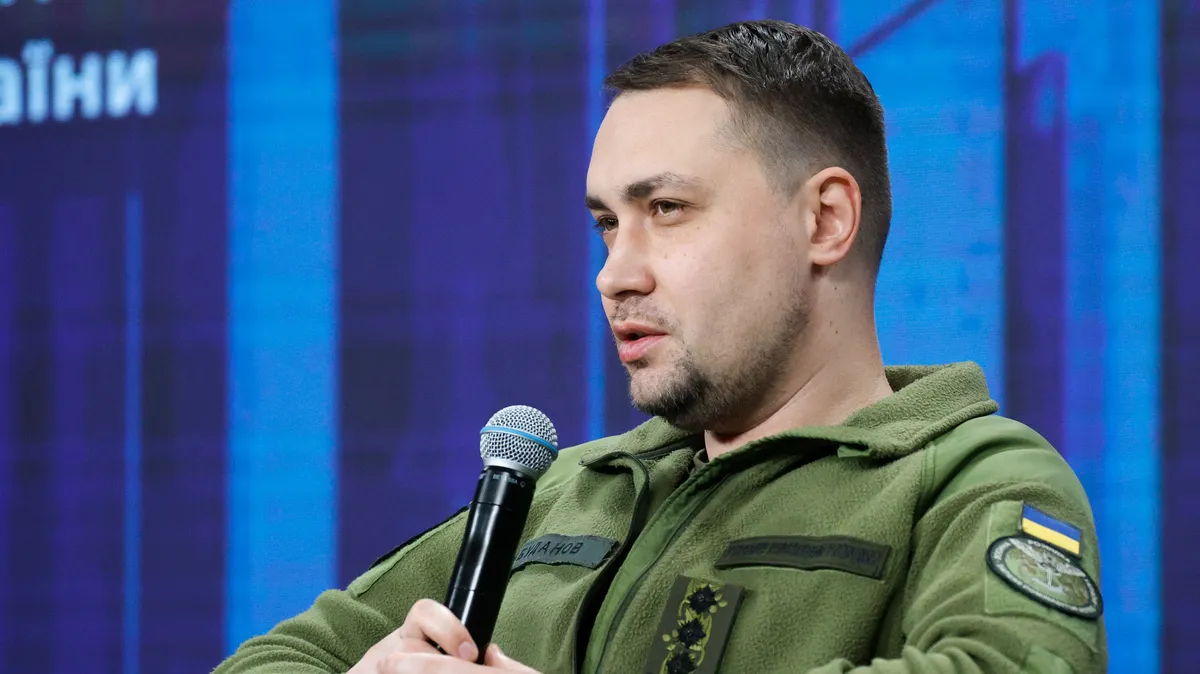
Fresh blood
What Zelensky’s appointment of Ukraine’s former military intelligence head as his chief of staff could signal for the country
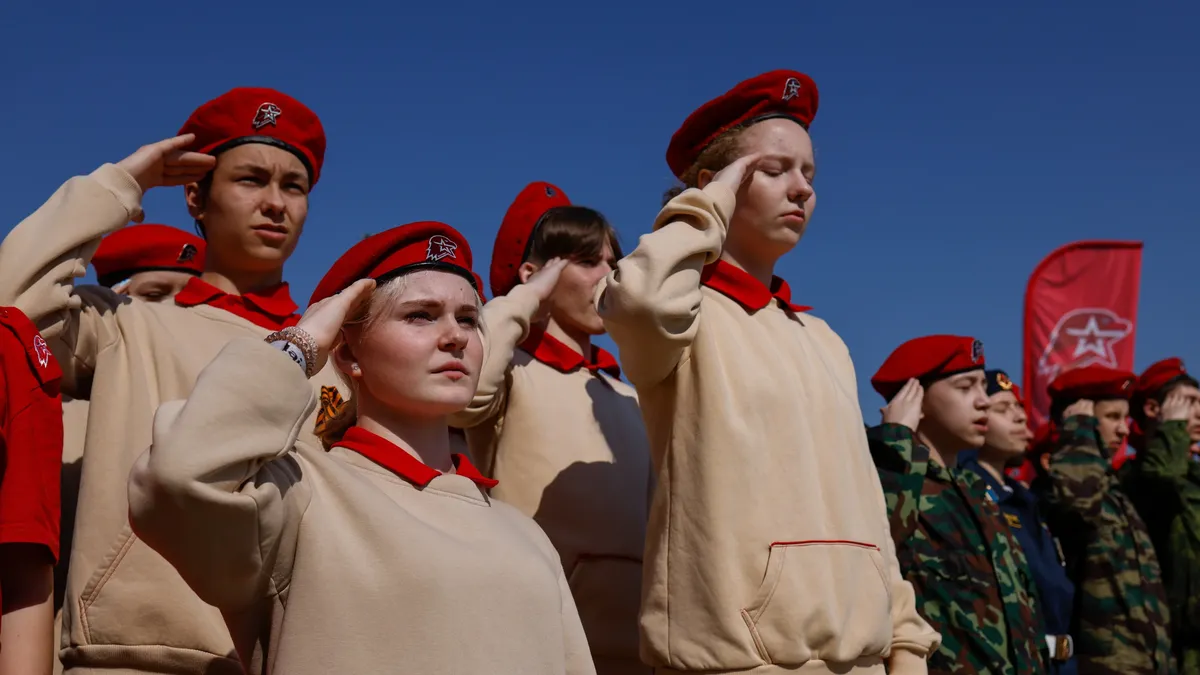
Stolen youth
How Russia made young people’s lives worse in 2025
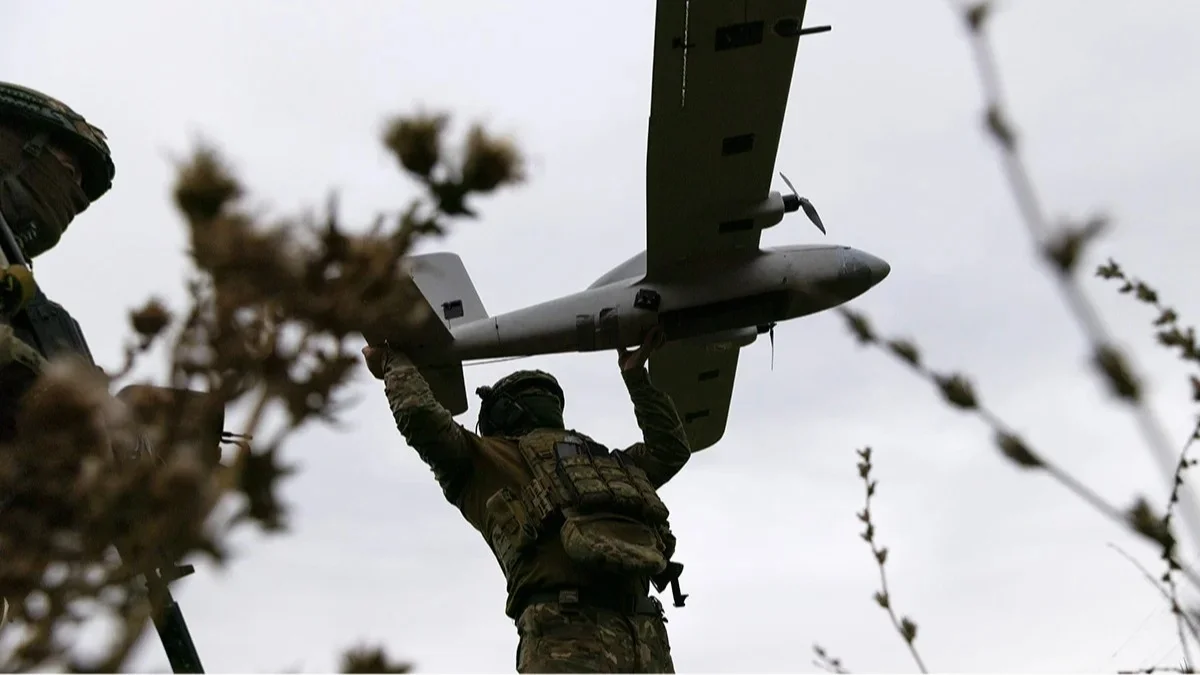
The war across Russia
Drone strikes on Russia’s regions reached record levels this year, with an average of 11 crashing or striking their targets daily
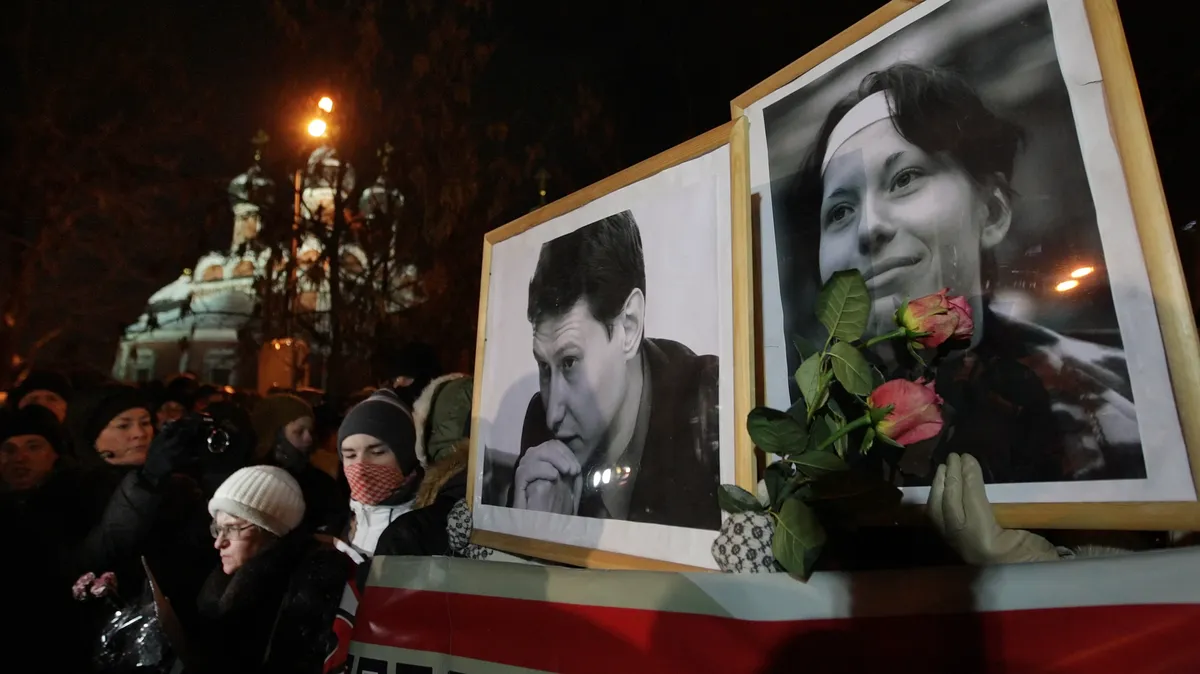
Remorseless
The killer of Novaya Gazeta’s Anastasia Baburova has been freed into a country that’s more aligned with her worldview than ever
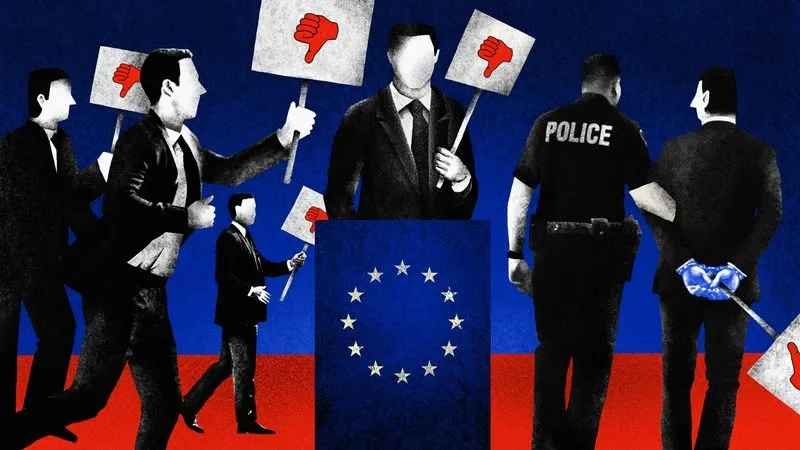
Moscow’s minions
A new pro-Kremlin bloc is taking shape in the European Parliament
Double whammy
Could sanctions and drone strikes lead to the collapse of Russian oil production and end its funding of the Kremlin’s war machine?