
Mortal regiment
A special project about how the Kremlin has forbidden families of soldiers killed in the war in Ukraine to mourn
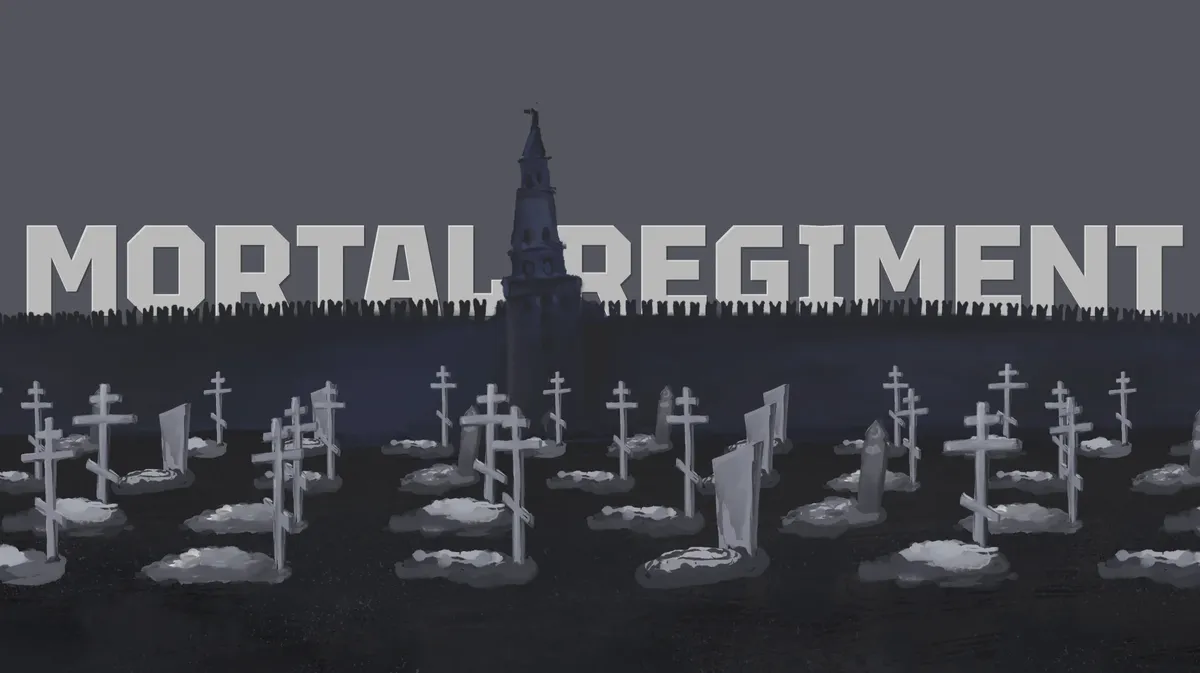
A year ago, the Russian authorities announced mobilisation. This was a turning point in the invasion of Ukraine: the war came out of the television and into Russians’ homes. Soon, many soldiers began returning from the front — in zinc coffins. The relatives of the dead, who began to ask awkward questions, were told to keep silent and be content with “death compensation” payments. Even the “Immortal Regiment”, Russia’s largest annual event honouring the memory of its war dead, was cancelled.
The Kremlin has nurtured its militarist “cult of victory” for years, and when the right moment came, it sent tens of thousands of Russian soldiers to die in a foreign country.
The army has refused to engage with soldiers’ mothers, who face prosecution for “discrediting the armed forces”, being denounced and sometimes even being branded “foreign agents” if they decided to speak out.
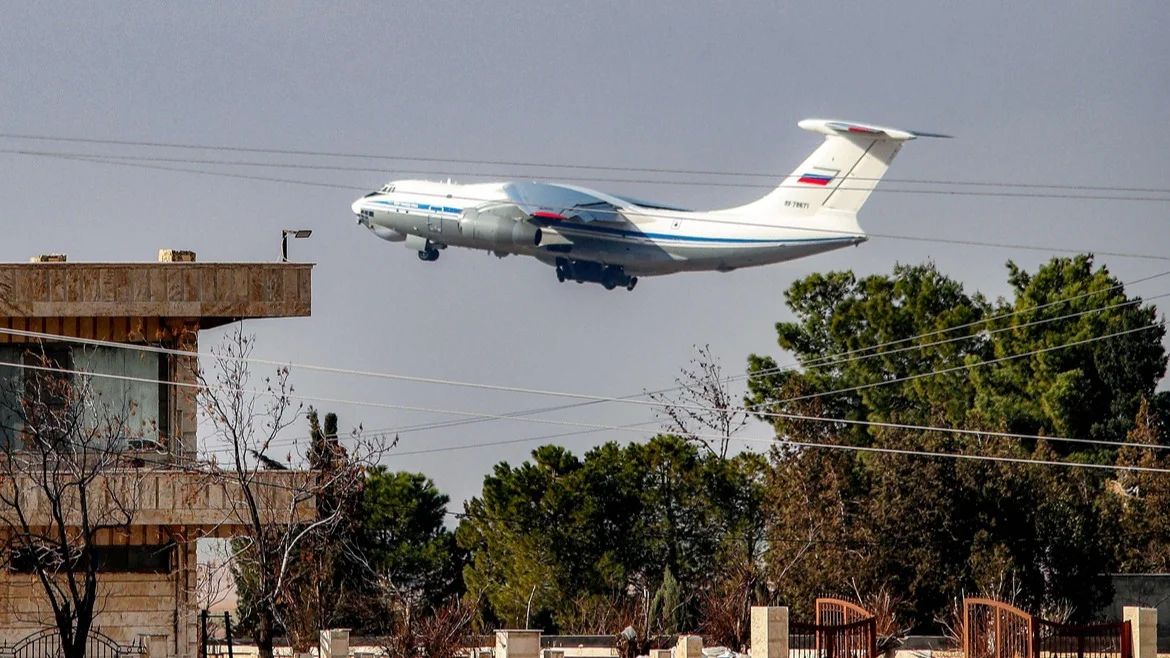
Road from Damascus
Why Moscow is scaling back its presence in Qamishli, a key military facility in northeastern Syria
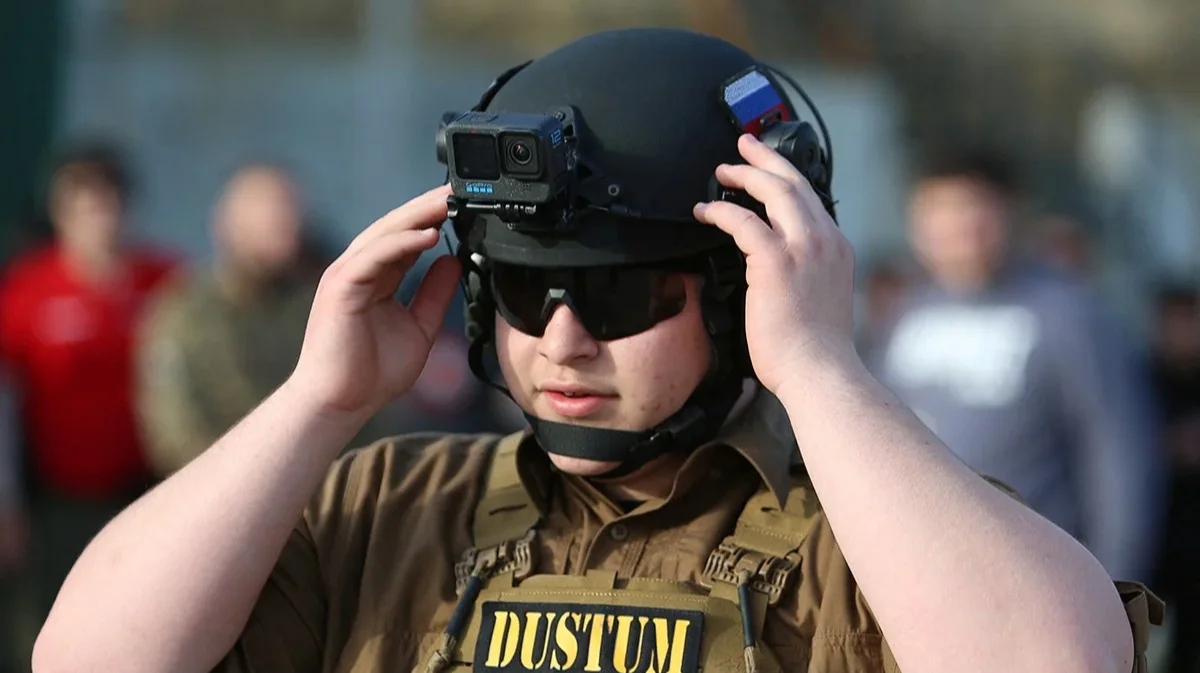
Heir abhorrent
A multi-car pile up in Grozny has provided rare insight into Chechen warlord Ramzan Kadyrov’s succession plans
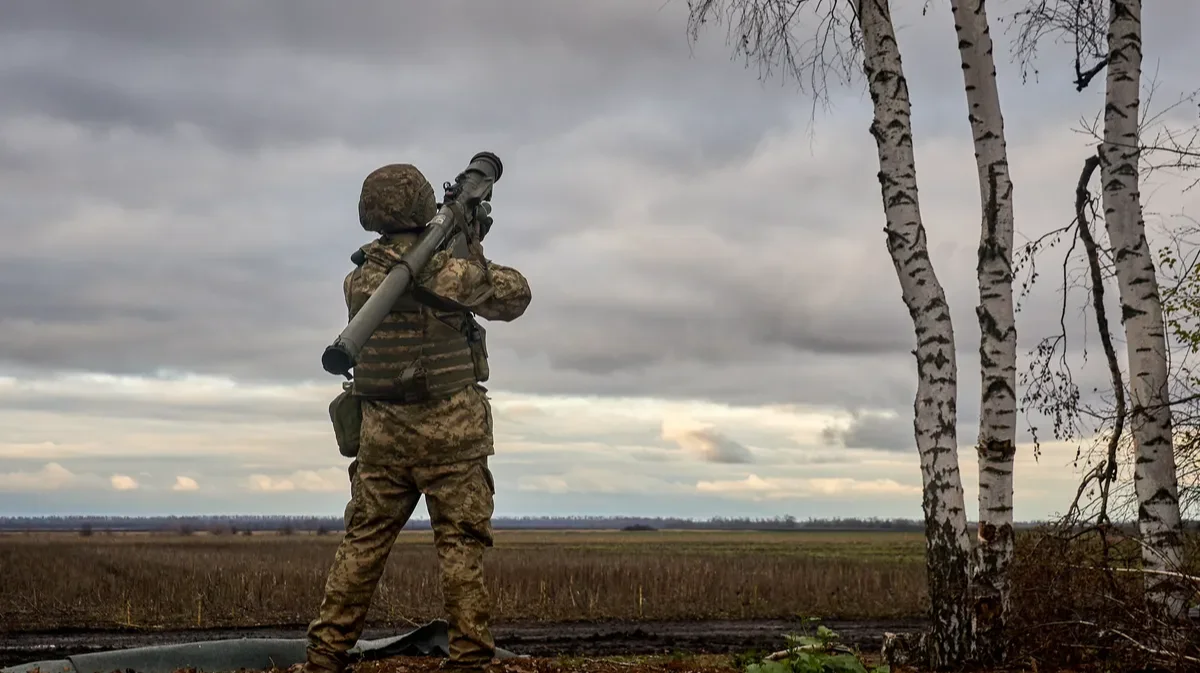
Flag fall
Ukraine is looking increasingly like the victor in the battle for Kupyansk
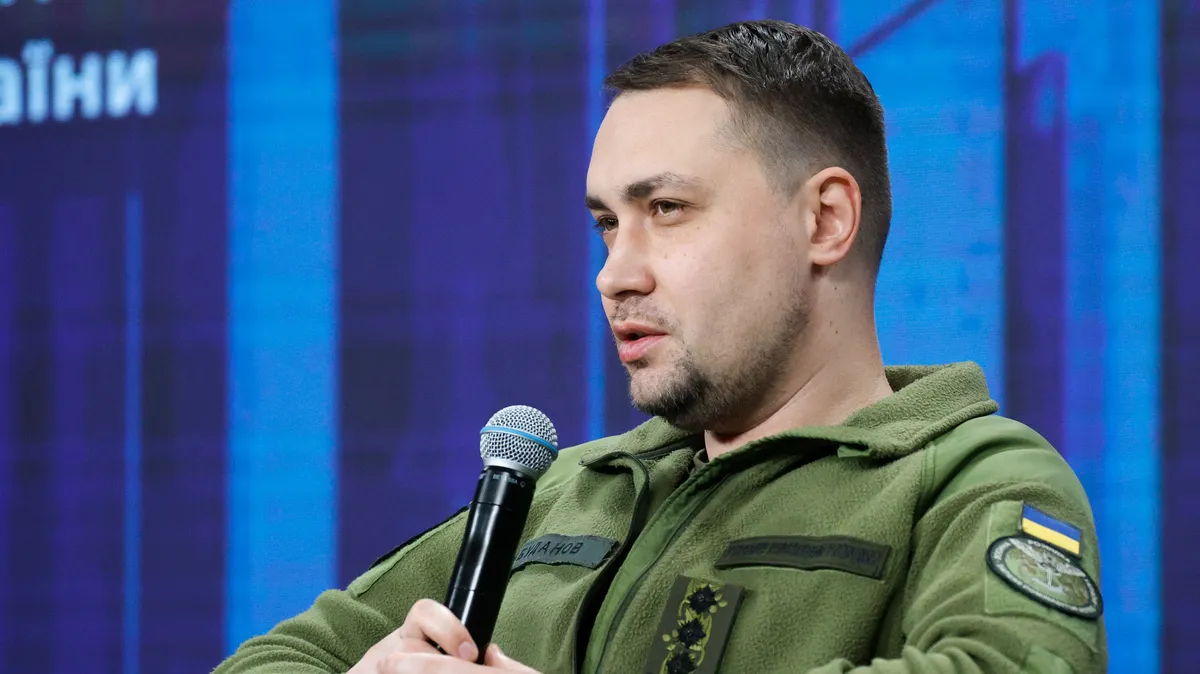
Fresh blood
What Zelensky’s appointment of Ukraine’s former military intelligence head as his chief of staff could signal for the country
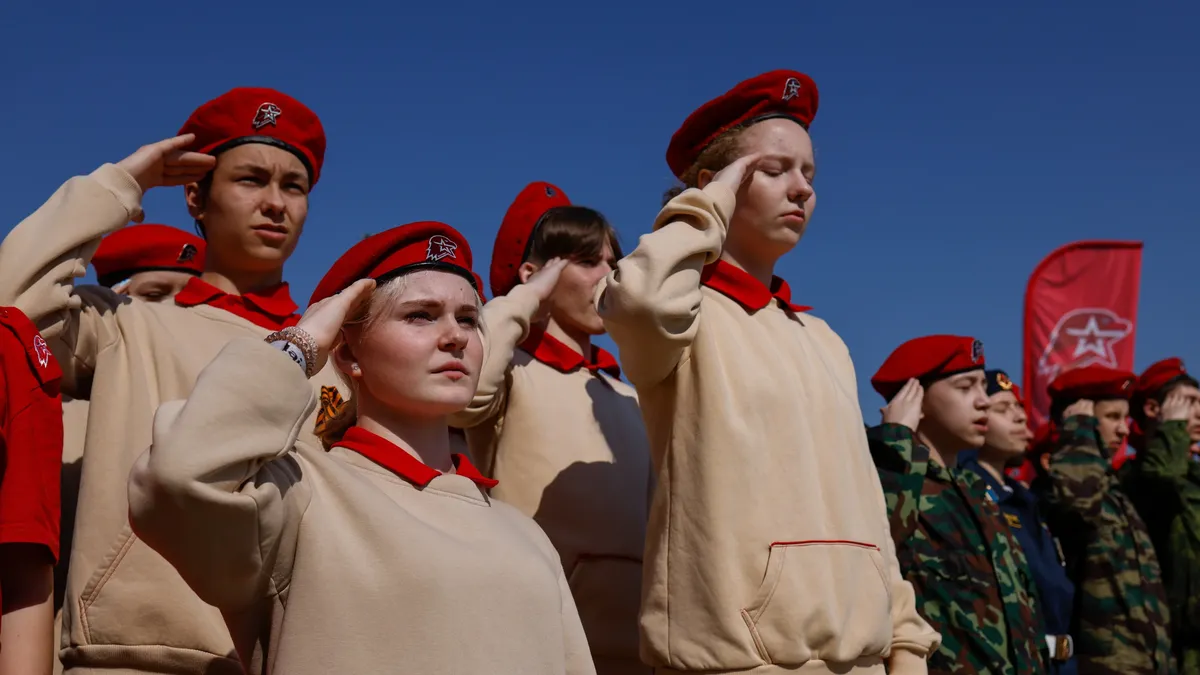
Stolen youth
How Russia made young people’s lives worse in 2025
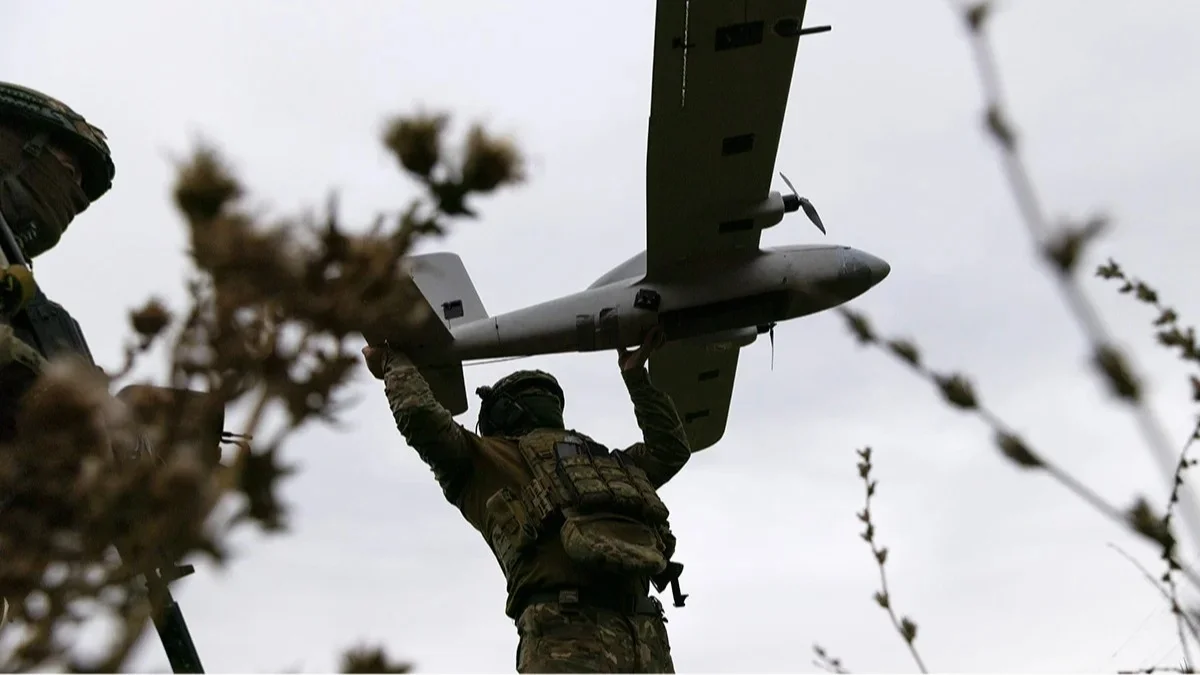
The war across Russia
Drone strikes on Russia’s regions reached record levels this year, with an average of 11 crashing or striking their targets daily
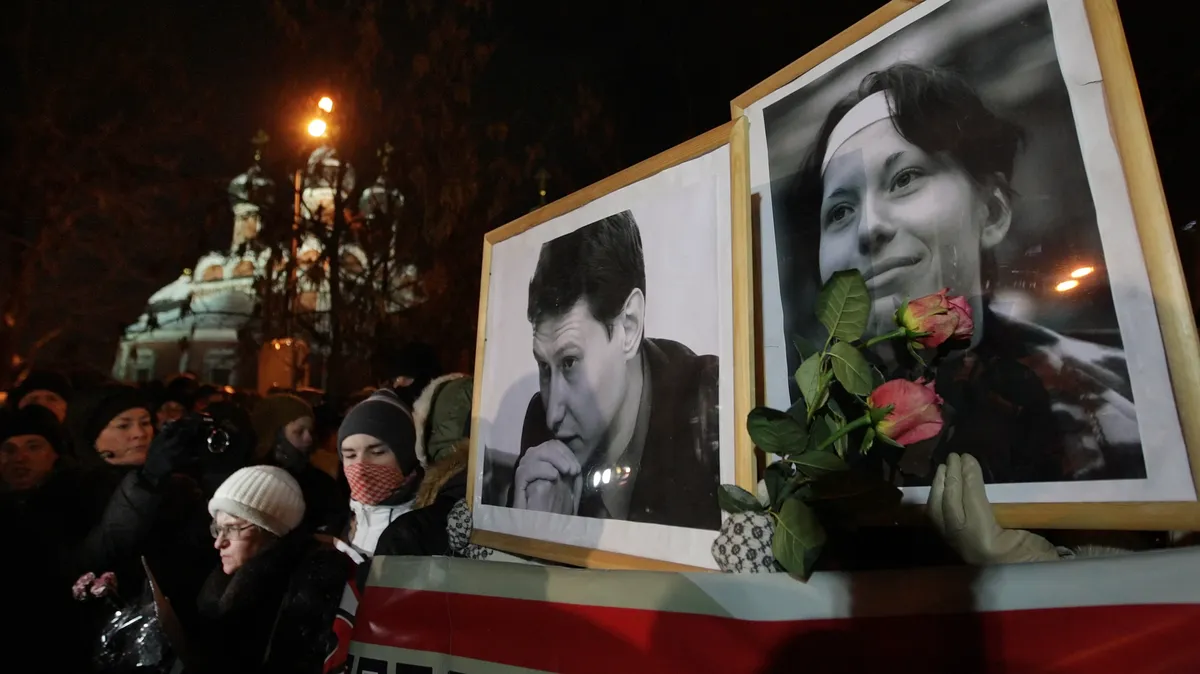
Remorseless
The killer of Novaya Gazeta’s Anastasia Baburova has been freed into a country that’s more aligned with her worldview than ever
Moscow’s minions
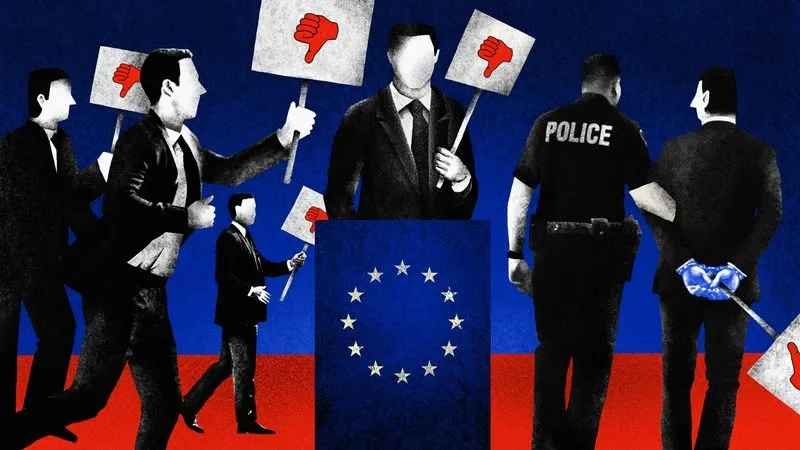
A new pro-Kremlin bloc is taking shape in the European Parliament
Double whammy
Could sanctions and drone strikes lead to the collapse of Russian oil production and end its funding of the Kremlin’s war machine?