Exit, pursued by a bear
Russia’s Indigenous activists are increasingly facing transnational repression in exile
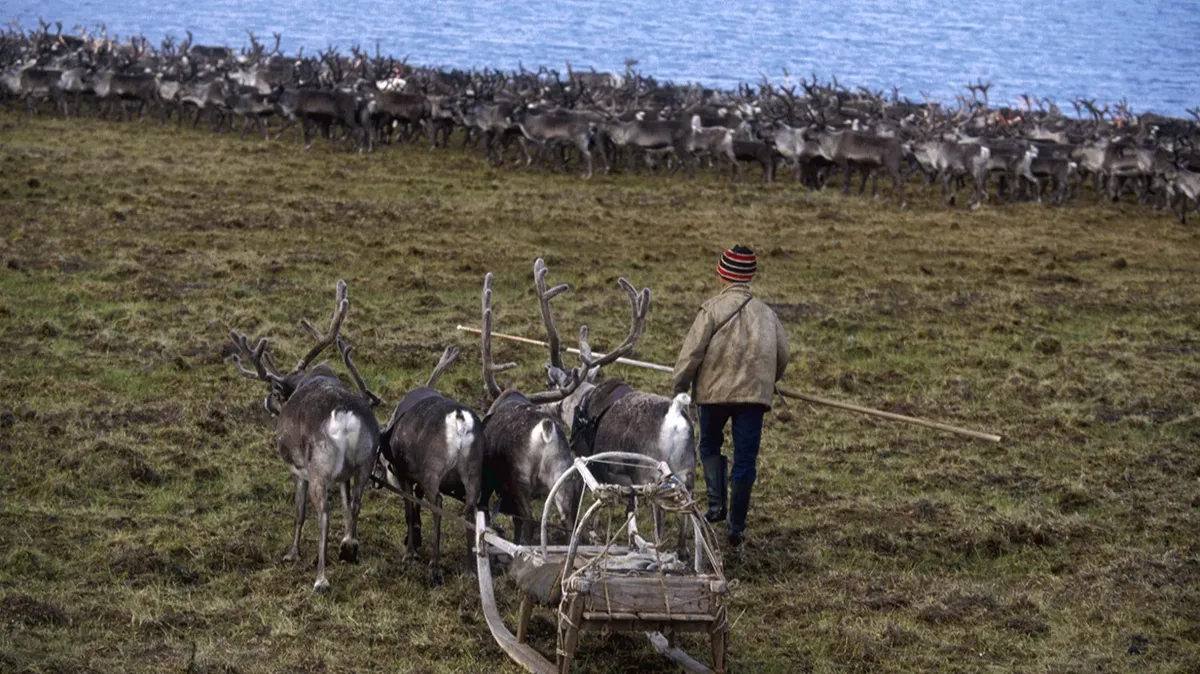
Pavel Sulyandziga, an Indigenous activist and member of the Russian Far East’s Udege people, arrived in the United States in 2017 to seek political asylum.
Increasingly, however, Indigenous activists are leaving Russia due to the growing climate of political repression. In many cases they are charged with working on behalf of foreign governments, or they face accusations of corruption.

Government harassment of Indigenous activists from Russia has also intensified since 2022. Like Sulyandziga, a number of Indigenous activists have left Russia over the past few years to protect themselves and their families.
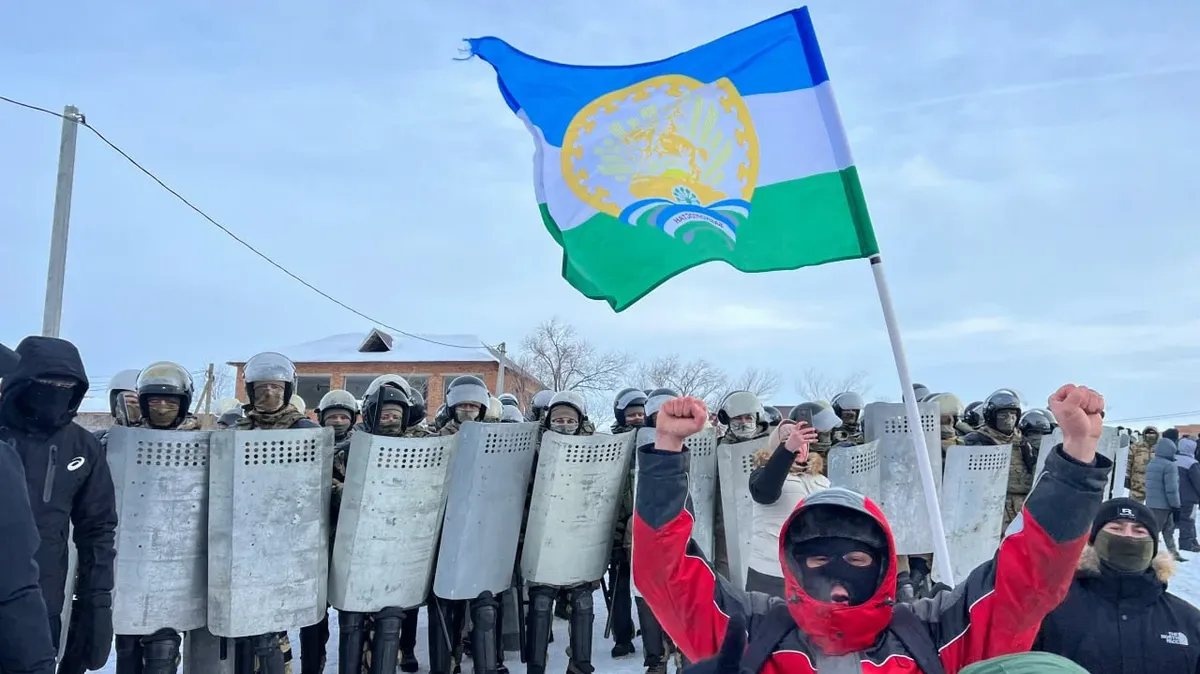
My enemy’s enemy
How Ukrainians and Russia’s ethnic minority groups are making common cause in opposing Russian imperialism
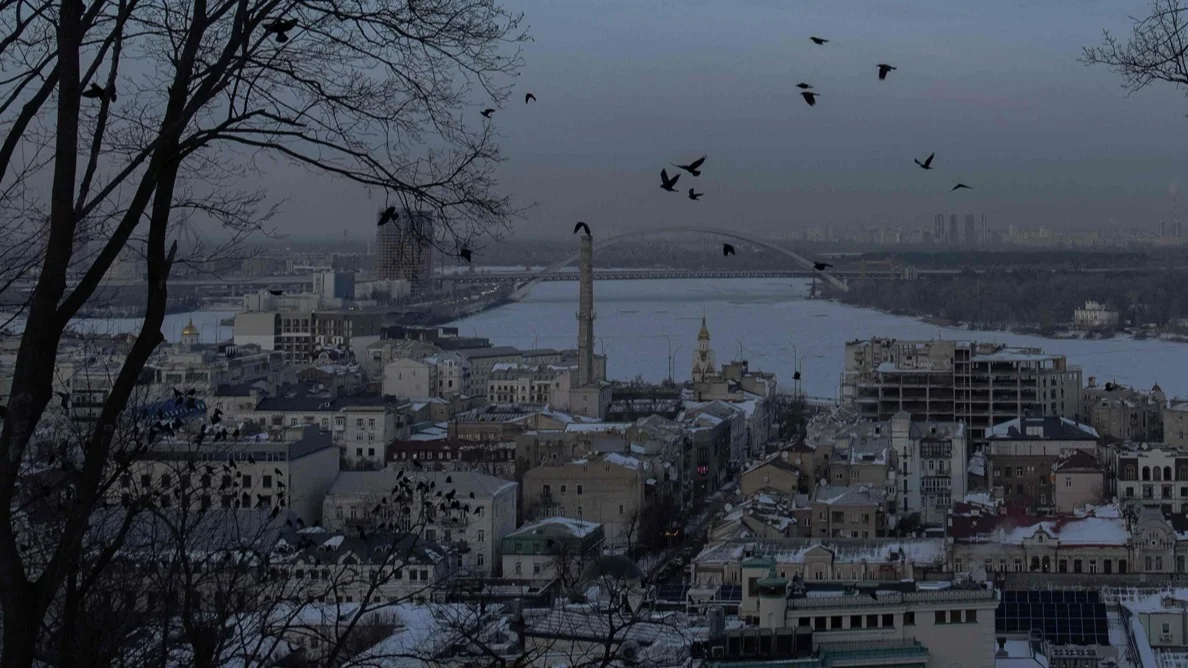
Cold case
The Ukrainian Holocaust survivor who froze to death at home in Kyiv amid power cuts in the depths of winter
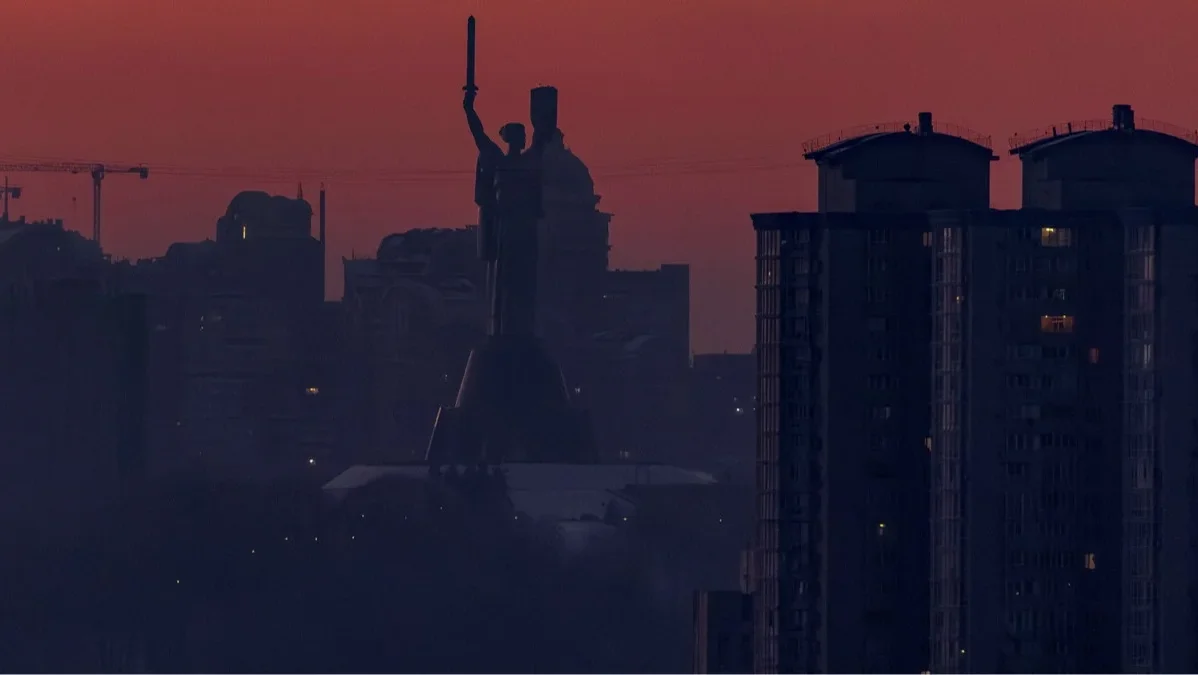
Cold war
Kyiv residents are enduring days without power as Russian attacks and freezing winter temperatures put their lives at risk
Scraping the barrel
The Kremlin is facing a massive budget deficit due to the low cost of Russian crude oil

Beyond the Urals
How the authorities in Chelyabinsk are floundering as the war in Ukraine draws ever closer
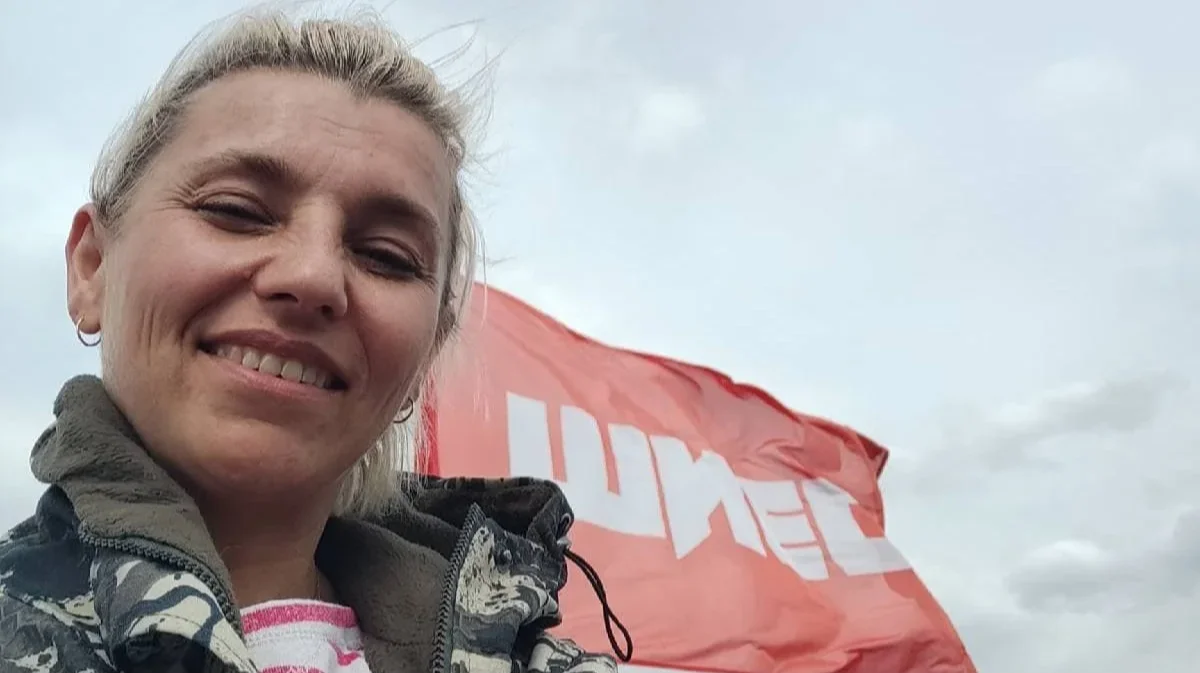
Family feud
Could Anna Stepanova’s anti-war activism see her property in Russia be confiscated and handed to her pro-Putin cousin?
Cries for help
How a Kazakh psychologist inadvertently launched a new social model built on women supporting women
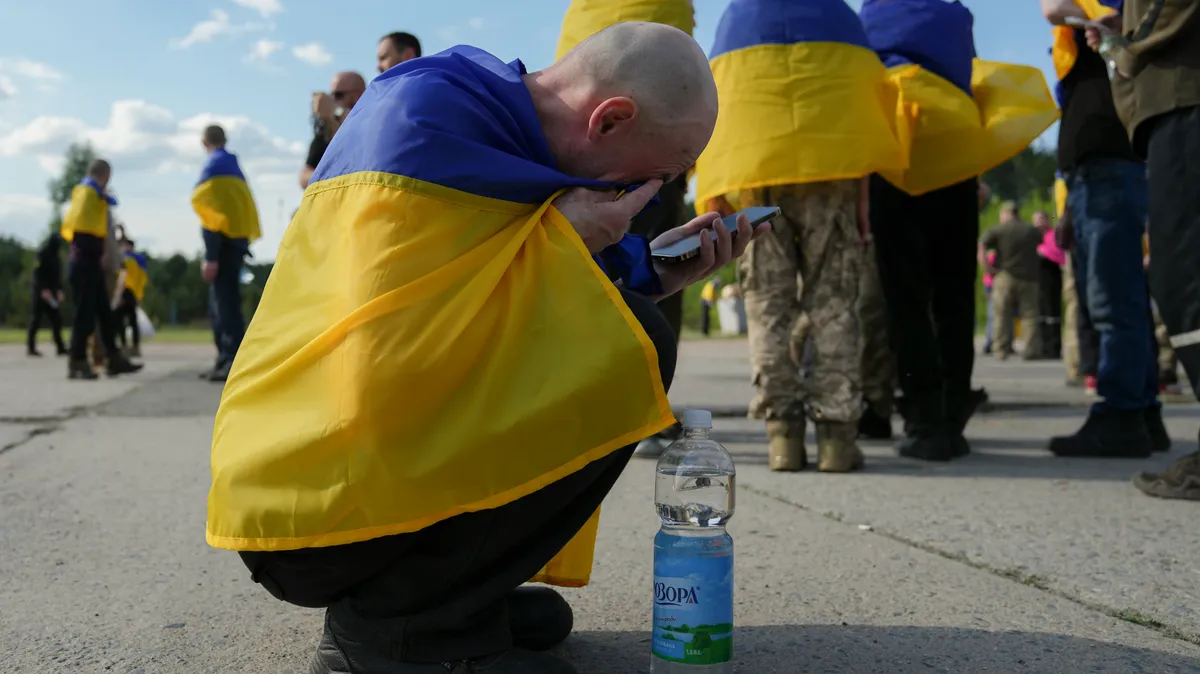
Deliverance
How one Ukrainian soldier is finally free after spending six-and-a-half years as a Russian prisoner of war
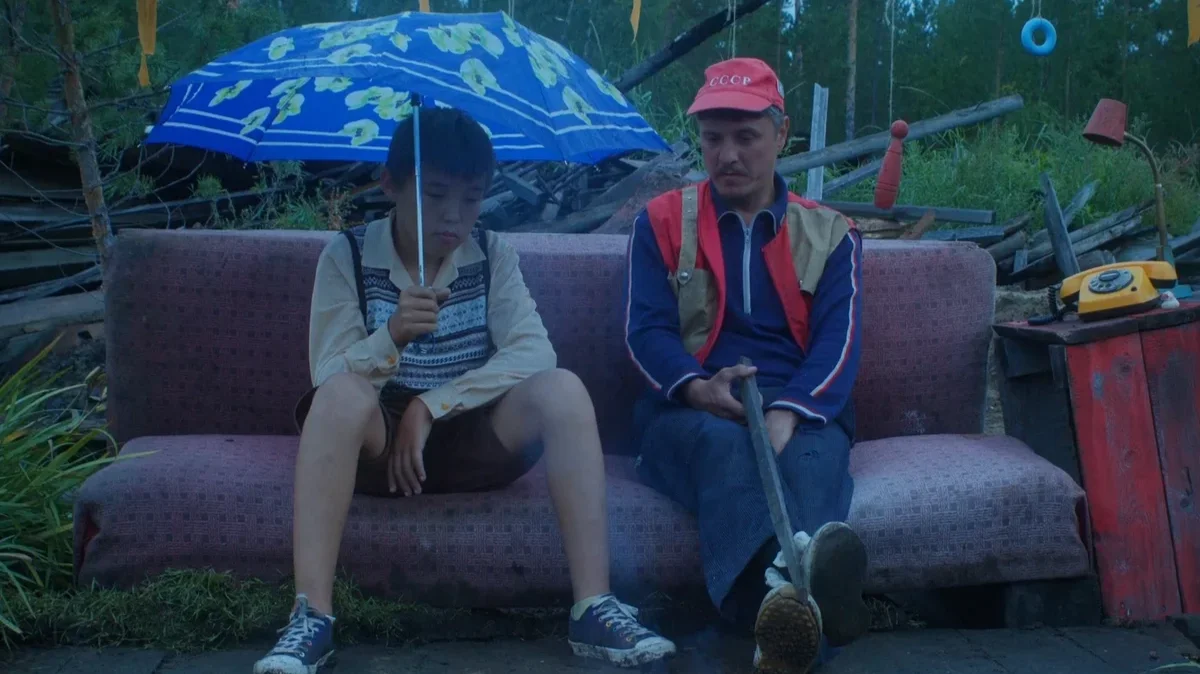
Watch your steppe
Five new films worth searching out from Russia’s regions and republics