
Dream statistics
Were claims of fraud in the Georgian election widespread enough to have the vote annulled?
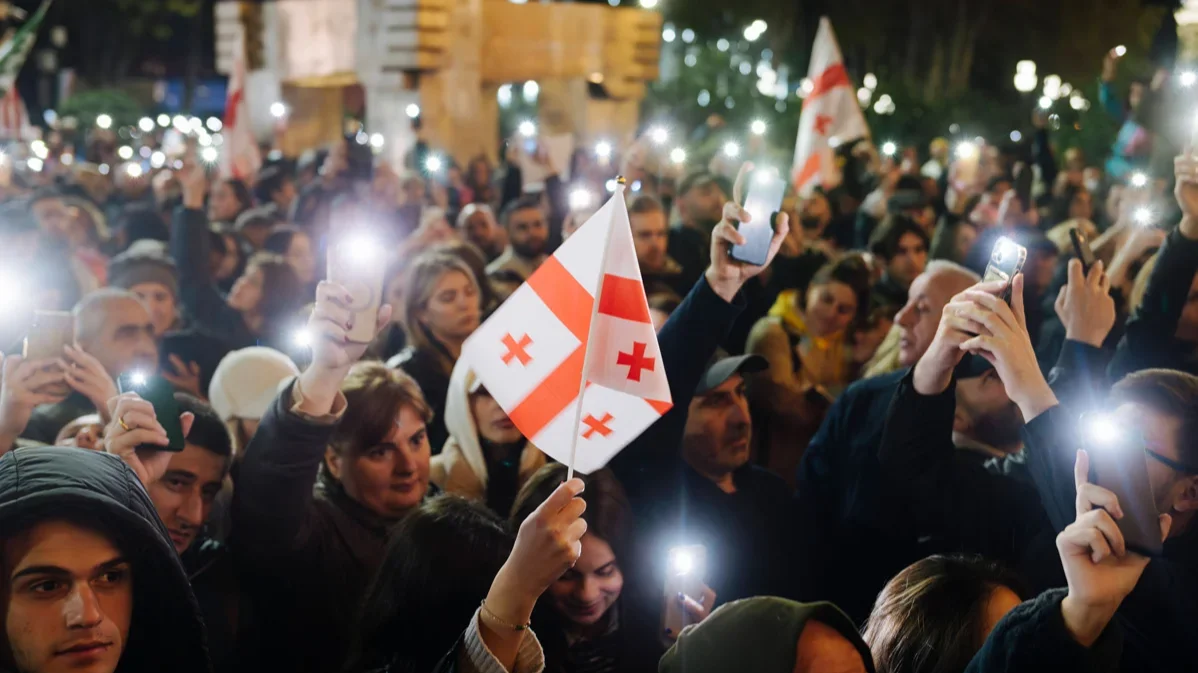
When Georgia’s pro-Russian ruling party Georgian Dream received 53.92% of the vote in the country’s parliamentary elections on 26 October, opposition parties refused to accept the results and accused the authorities of wide scale voter fraud, claims that were backed up by multiple observers and electoral analysts. In an attempt to assess the veracity of the claims, Novaya Gazeta Europe decided to carry out its own investigation.
What is the Shpilkin Method?
Shpilkin’s method reveals how many votes were added to the winner’s total either by stuffing ballot boxes or by rewriting the final tally. It compares the distribution of votes for the different candidates with turnout at each individual polling station.
If the elections were fair, the distribution of votes for the winning candidate and all other candidates should be in proportion across polling stations and should differ only in absolute value due to the different number of votes cast at each. However, as stuffing ballot boxes in favour of one of the candidates increases turnout, the proportion of votes going to each candidate is also affected.
To assess the extent of ballot box stuffing, the votes received by all the runner-up candidates must be added up and multiplied by such a factor so that their curve coincides with the leader’s curve. Anything that falls outside these two curves is considered “irregular voting”.
Ivan Shukshin calculated that if anomalous votes were subtracted, Georgian Dream’s result would have been 49.25% rather than the official result of 53.92%.
Unlike the anomalies detected in Russia, those in Georgia were found primarily at polling stations with a low voter turnout.
It is more likely that in different regions of Georgia the scale of electoral fraud varied.
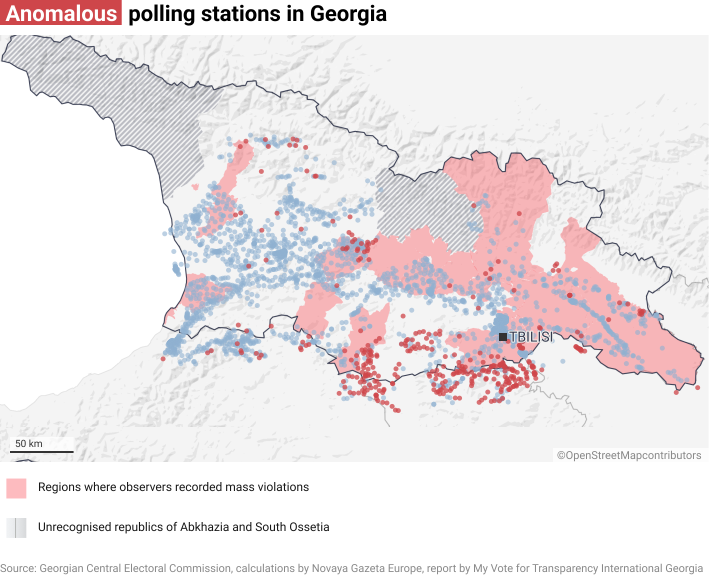
Mass ballot box stuffing or rewriting vote tallies were hardly an option in Georgia.
If these violations can be proven, there may indeed be strong grounds for holding a rerun of the elections.
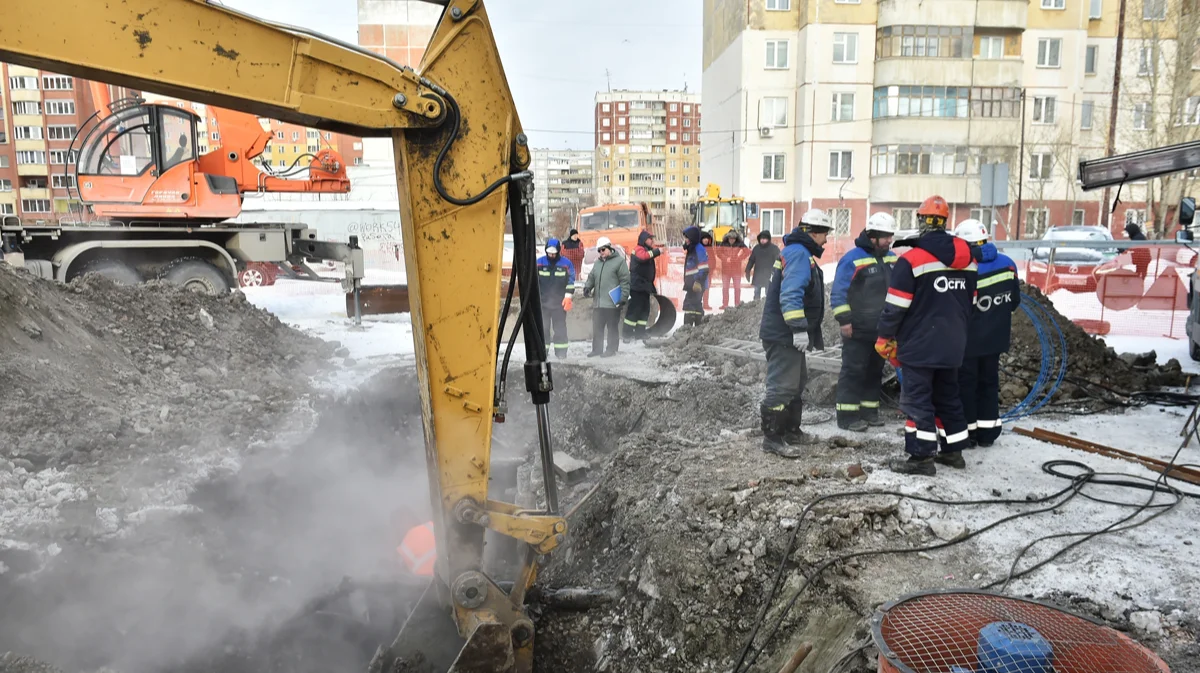
1280 раз сообщалось о коммунальных авариях в январе — в два раза больше, чем год назад
Почему ЧП так много и как выжить в мороз?
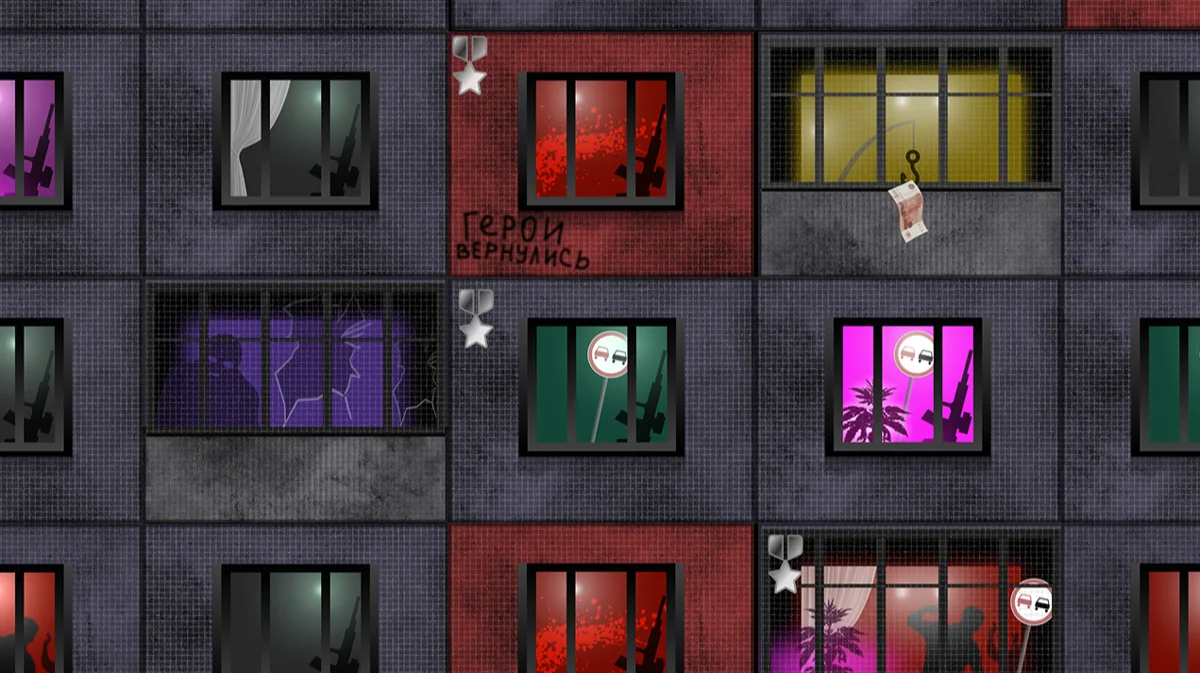
Дом, в который пришла война
Спецпроект «Новой-Европа» о преступности ветеранов «СВО»
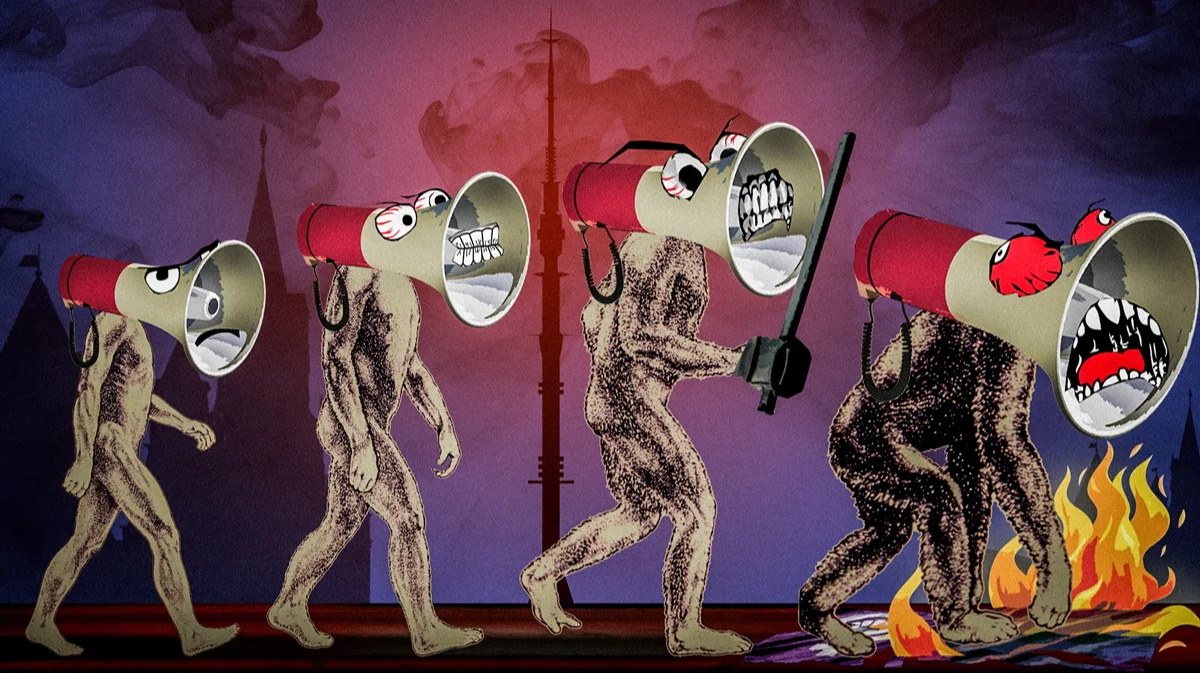
Краткая история ненависти
«Новая-Европа» изучила пять миллионов публикаций в провластных СМИ и составила хронологию травли оппозиции, мигрантов и приверженцев «нетрадиционных ценностей»

О чем спорили боты
Топ-10 новостей 2025 года, на которые активнее всего реагировали прокремлевские аккаунты в соцсетях
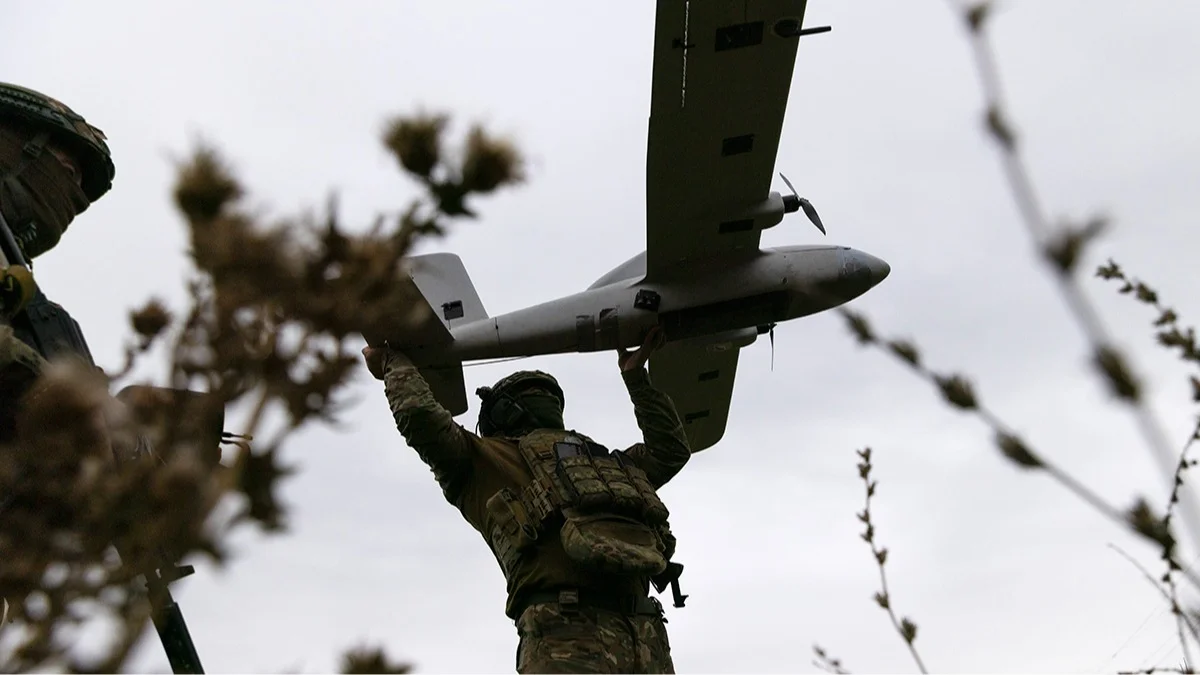
Война на карте России
2025 год стал рекордным по количеству атак беспилотников по российским регионам. В среднем падает или попадает в цель 11 дронов в день
Российские регионы один за другим вводят запрет на «склонение женщин к абортам»
Где уже действует законопроект, а где его только обсуждают. Карта
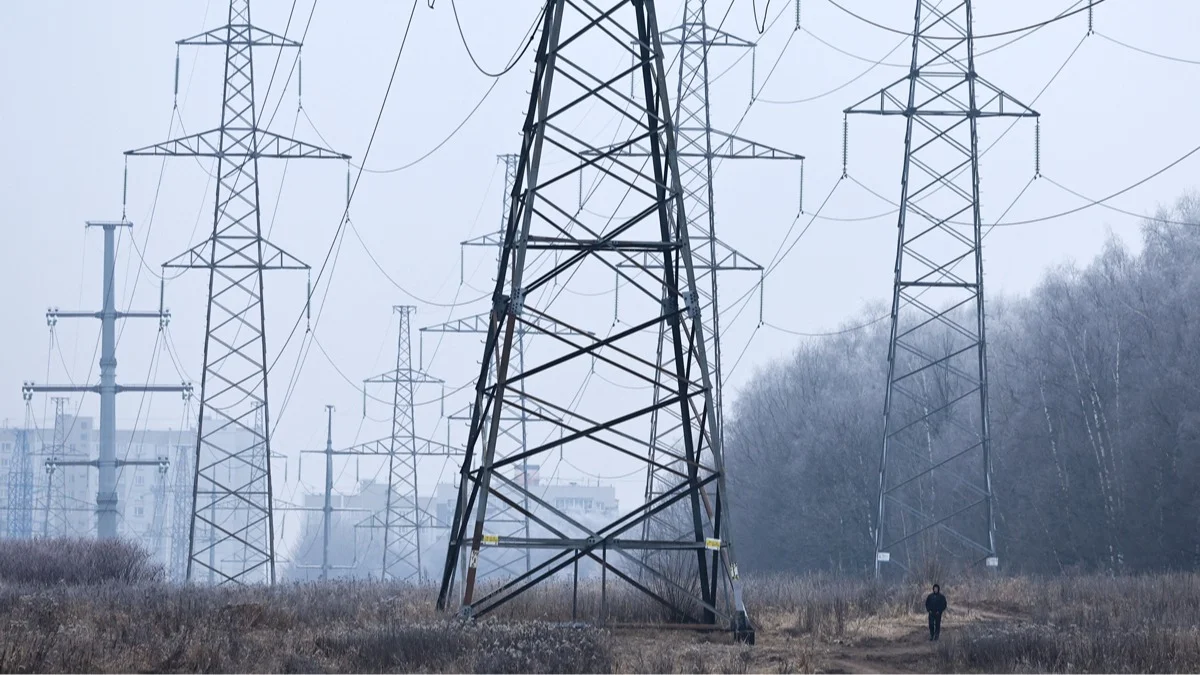
Больше четырех тысяч аварий произошли на российских энергообъектах в 2025 году
Причина каждого десятого отключения света – атака ВСУ, остальные – износ инфраструктуры. На ремонт денег нет

Плетут Путину — 3
В новом созыве Европарламента стало больше депутатов, голосующих так, как выгодно Кремлю. Но этого всё еще не достаточно, чтобы изменить отношение ЕС к войне в Украине
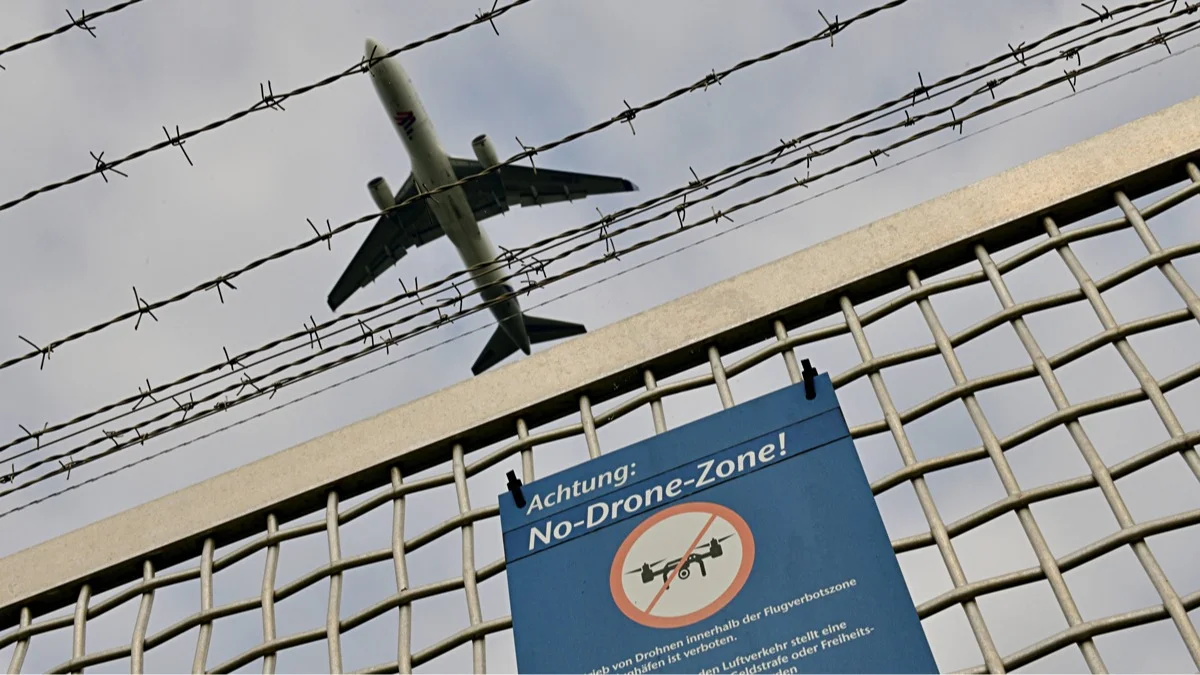
Первая гибридная
За последние месяцы в Европе произошло не менее 74 воздушных инцидентов, в которых подозревают Россию. Пострадали почти два десятка стран