There have been seismic events in Russian news in 2024, none more so than the killing of opposition leader Alexey Navalny in his Arctic penal colony in February. There was the Moscow’s Crocus City Hall terror attack in March, when masked gunmen opened fire on people waiting for a concert to begin at one of the Russian capital’s main music venues, killing 145 people and injuring another 551. And then, in a drop of uncharacteristically positive news in August, Russia and the West negotiated their largest ever prisoner exchange. Yet as we enter 2025 and the war in Ukraine approaches its third anniversary and fourth year, political repression in Russia continues to reach levels not seen since the worst days of communism.

Here’s a look back at some of the key events in Russia’s year.
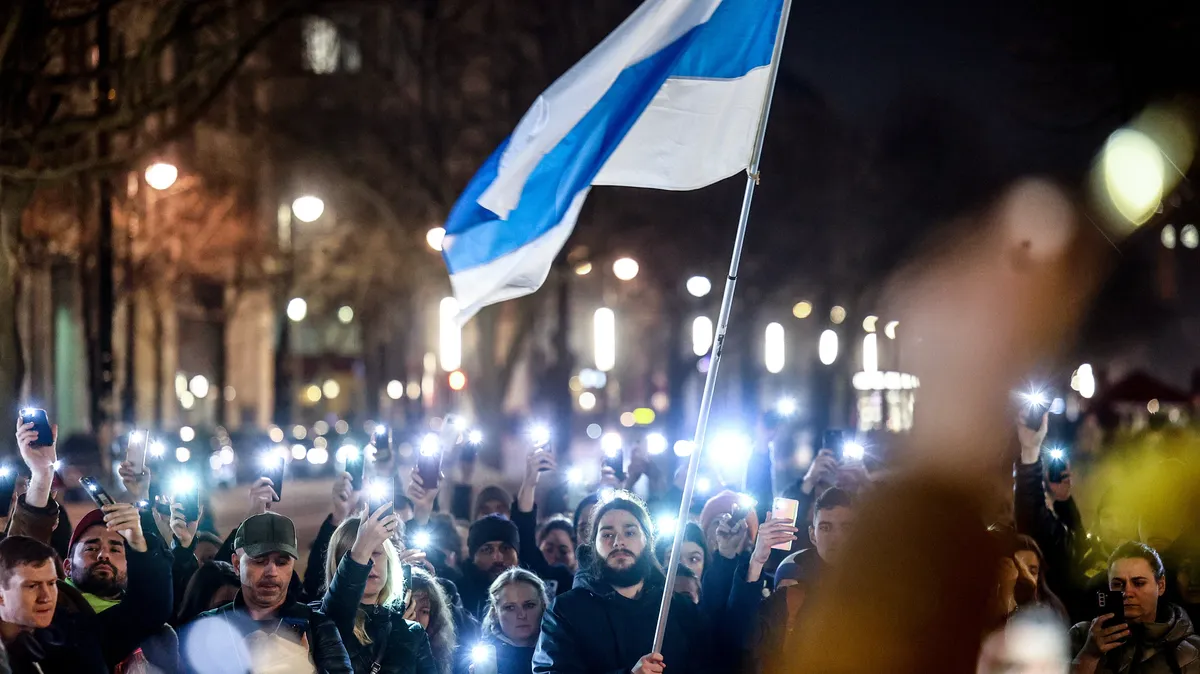
The year kicked off with a glimmer of hope, as over 200,000 Russians endorsed war critic Boris Nadezhdin’s candidacy in the March presidential election. Despite many realising that Nadezhdin’s presidential campaign was doomed, people were seen queuing up on the streets of Russian cities in January in a show of support for the only potential candidate standing on a platform of ending the war in Ukraine. Nadezhdin was ultimately disqualified from running in the election in February as the Central Election Commission claimed he had filed a higher-than-permitted proportion of invalid signatures supporting his nomination.

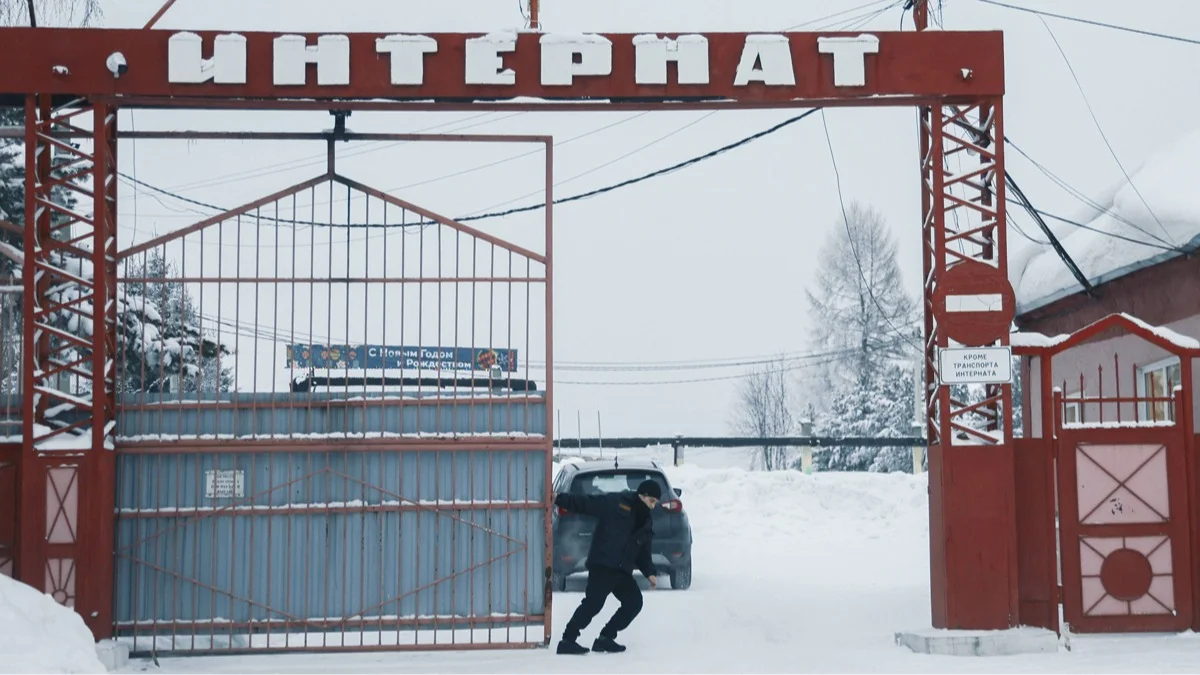
Jailed Russian opposition leader Alexey Navalny was killed in prison on 16 February, a little over two months after he was moved to the Polar Wolf prison in the Arctic, one of the most brutal detention centres in Russia. He was seen attending a court hearing via video link just days before his death.

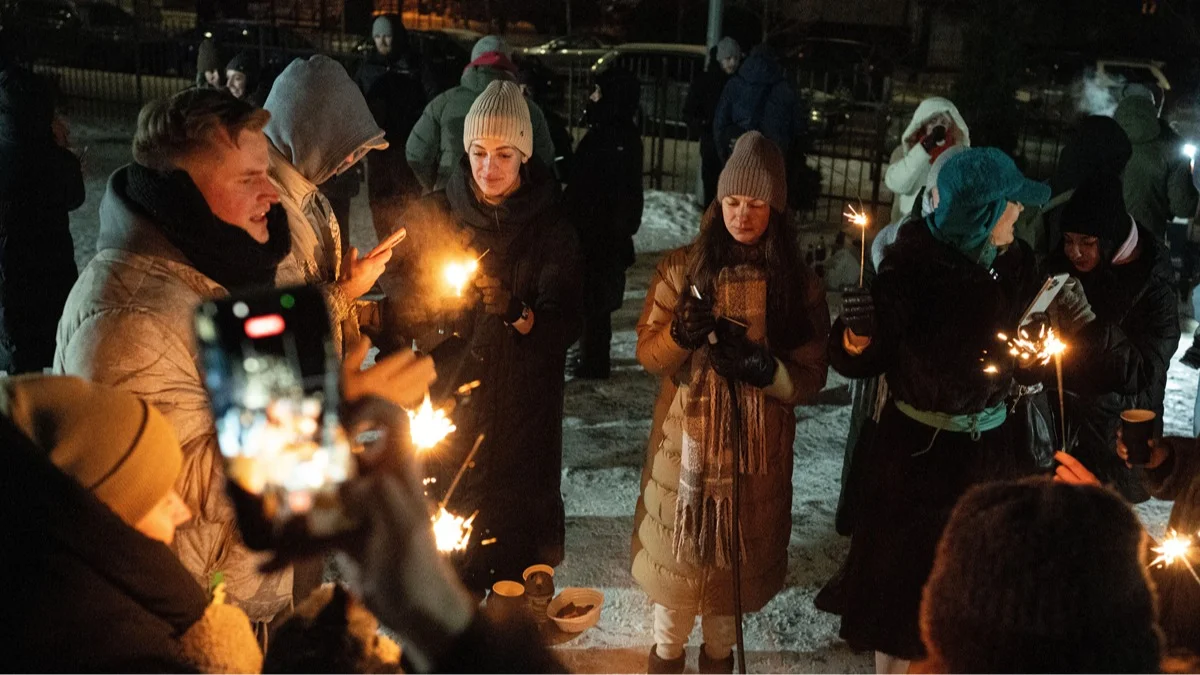
For over a week after Navalny’s death, Russian authorities refused to hand over his body to his mother Lyudmila, as she was forced to wait for days in the Arctic city of Salekhard before being permitted to see and take custody of her son’s body. Navalny’s funeral was held in Moscow on 1 March, as thousands of people gathered near the Borisovsky cemetery to pay their respects, overseen by hundreds of armed police officers.

Vladimir Putin secured his fifth presidential term in office in March with a whopping 87.28% of the votes in an election marred by unprecedented levels of voter fraud. The scale of ballot box stuffing to achieve Putin’s stellar result eclipses the levels of fraud seen in all previous Russian elections, both presidential and parliamentary.

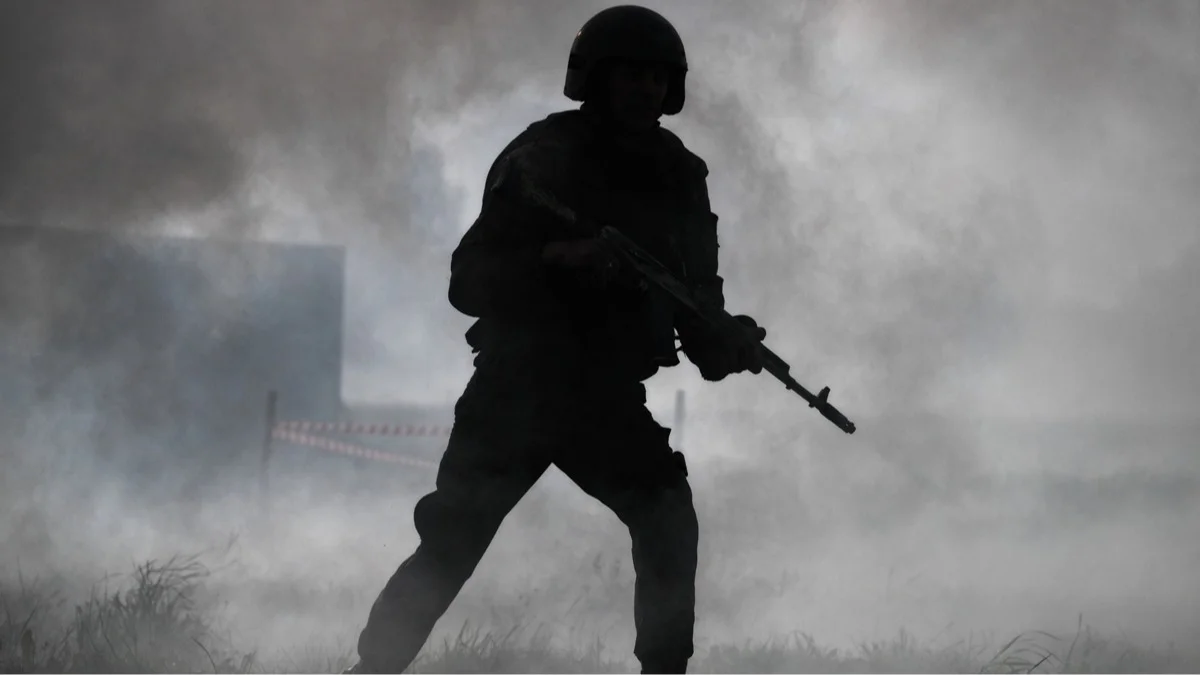
In the deadliest terror attack in Russia since the 2004 Beslan school siege, four gunmen that later pledged allegiance to Islamic State opened fire at a concert venue near Moscow on 22 March, killing 144 people and injuring over 500. The concert hall was partially destroyed in the ensuing fire.

Unprecedented flooding hit the town of Orsk, in the Urals, and spread to the city of Orenburg in April as a nearby dam burst, forcing thousands of people to flee their flooded homes.

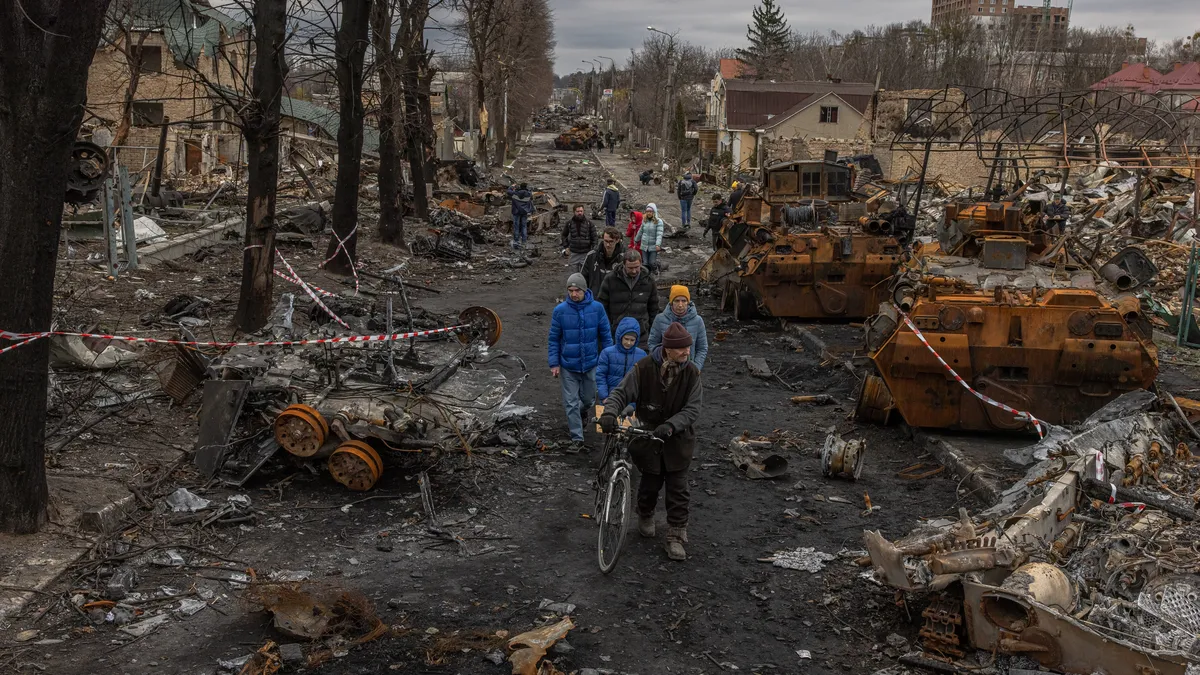
Russia continued its deadly war in Ukraine, launching a fresh offensive on Ukraine’s eastern Kharkiv region in May. Despite the city of Kharkiv not being under significant threat of invasion, it has suffered deadly Russian missiles throughout the year, with dozens of civilians killed and wounded.

Another deadly strike on Kyiv on 8 July targeted Ukraine’s largest children’s hospital, Okhmatdyt, striking a wing of the hospital where children with cancer were receiving treatment. At least 33 people were killed in attacks on Kyiv that day.

Sixteen political prisoners, including opposition politicians Vladimir Kara-Murza, Ilya Yashin, Memorial chairman Oleg Orlov, and US journalist Evan Gershkovich, were freed by Moscow on 1 August in the largest-ever swap with the West. In exchange, Russia received eight people who had been serving sentences in the West, including FSB assassin Vadim Krasikov, imprisoned in Germany, and a spy couple jailed in Slovenia.

A surprise Ukrainian incursion into Russian territory began on 6 August, with the Armed Forces of Ukraine (AFU) partially occupying border areas of Russia’s western Kursk region. The town of Sudzha is among those seized by the AFU.

Two people were killed in a Chechen-led attempted raid on the Moscow office of Russia’s biggest online retailer Wildberries in September, over a merger deal carried out by Russia’s richest woman and founder of Wildberries Tatyana Kim and disputed by her ex-husband Vladislav Bakalchuk, backed by Chechen head Ramzan Kadyrov, who later declared a “blood feud” against three Russian lawmakers claiming that they had had “seized” Wildberries from Kim and attempted to order Kadyrov’s assassination.

In November, Vladimir Putin announced that Moscow had “test-launched” a new Oreshnik medium-range ballistic missile equipped with a non-nuclear warhead at Ukraine in response to the West’s decision to greenlight Kyiv’s strikes on Russian territory with Western-made ATACMS and Storm Shadow missiles.

A catastrophic oil spill in December in the Kerch Strait, which runs between Russian-occupied Crimea and Russia proper, contaminated the Black Sea coastline in Russia’s southern Krasnodar region and occupied Crimea, with hundreds of volunteers shovelling contaminated sand and treating local wildlife. Paul Johnson of Greenpeace warned that the sinking of the two oil tankers, which were both over 50 years old, threatened to cause “one of the largest man-made disasters in Black Sea waters”.

December ended in another tragedy at the hands of the Putin regime: the Azerbaijan Airlines plane crash in Kazakhstan on 25 December killing 38 people after “external technical and physical interference” near the Chechen capital Grozny amid a Ukrainian drone attack is believed to have been caused by a Russian surface-to-air missile. Vladimir Putin apologised to Azerbaijani President Ilham Aliyev for what he called the “tragic incident” on Saturday, but Aliyev said the following day that it was clear that the Russians were attempting to hush up the incident, and stressed that the Russian authorities should have publicly admitted their guilt rather than spending the first three days after the crash advancing their “delusional versions” of events.

Поделиться
Темы