Why don’t Russians protest? Politicians, political scientists and sociologists have all asked the question since the war began. But while the Kremlin has a well-oiled repressive machine in place for dealing with anti-war feeling in the country, there are still frequent instances of civic action — from miners’ strikes to animal rights rallies.

The desire to protest, even if not overtly against Vladimir Putin’s regime, has fallen sharply in recent years according to a May poll by Russia’s independent Levada Centre, with only 13% of Russians willing to act, compared to 27% in May 2019.

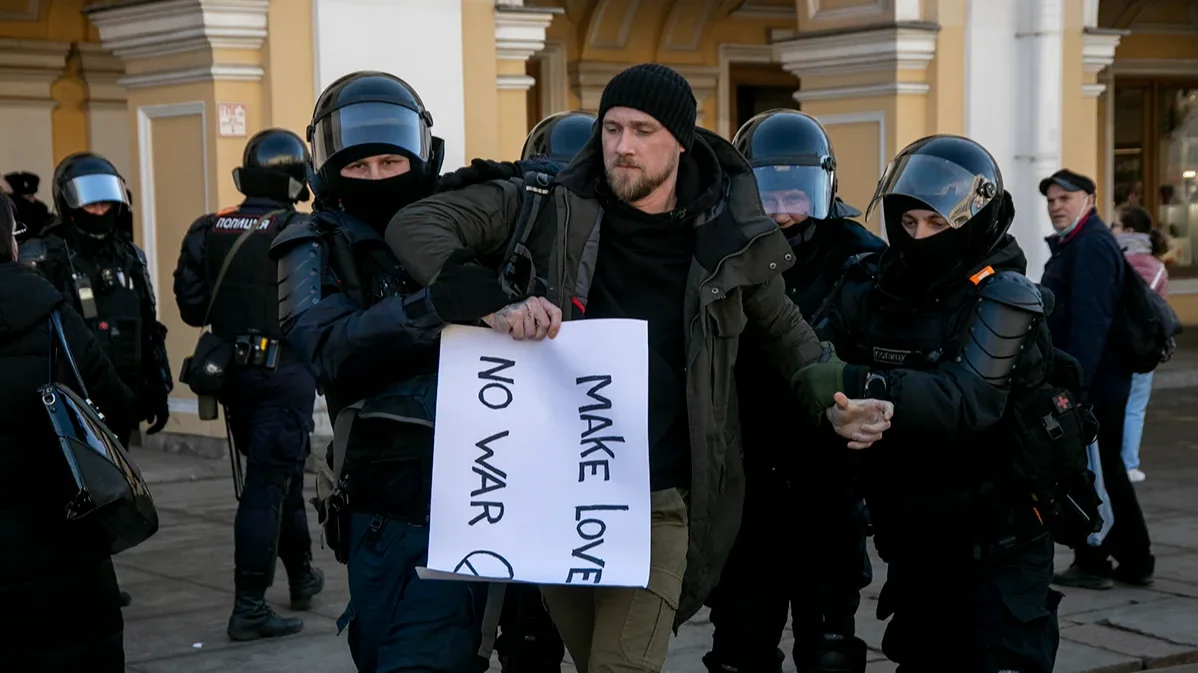
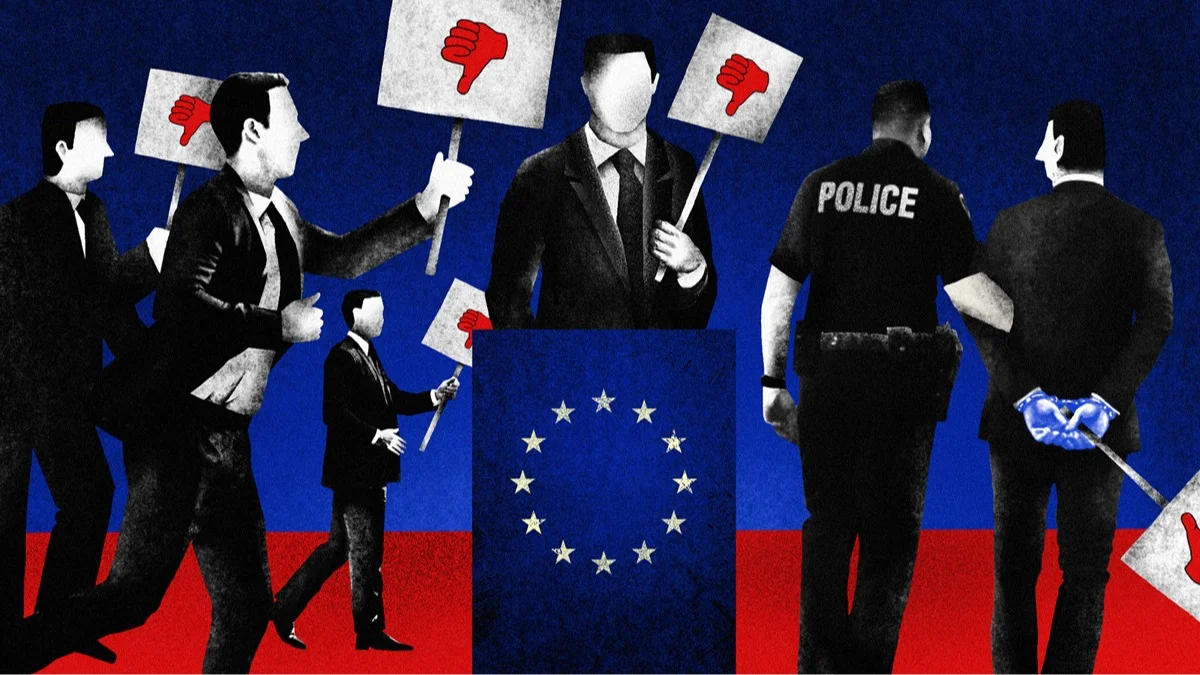
There are now over 1,500 political prisoners and Russians are unwilling to take to the streets amid the Kremlin’s military censorship, introduced shortly after the full-scale invasion, and a violent crackdown on street protests. The security forces suppressed large protests in 2022, and a Russian “slave mentality” trope gained popularity online. Nonetheless, Novaya Gazeta Europe counted over 38,000 protests within Russia from 2022 to March 2025.

What Russians protest about

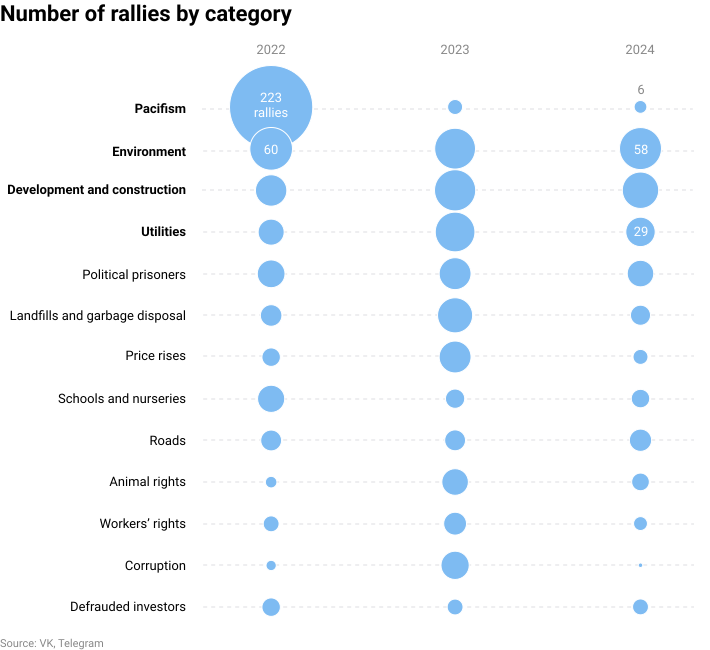
The number of urban single-issue protests has grown in the country since 2016, according to political scientist Yekaterina Schulmann. They focused on issues such as urban development, demolitions, tree felling and garbage dumps.

Novaya Europe estimates that in the past three years, the number of anti-war protests has decreased eightfold, but attention to housing and utility problems, land disputes and road repairs has increased markedly.

Local non-political protests remain an outlet for activists and experts believe it would be too much work for the state to quash them.

Demands to reduce utility costs, repair heating or save a park from development are not the same as open protests against the regime, but should still be taken seriously, Schulmann believes.

“People look down on those participating in local protests, calling their resistance fake or supplicant,” she adds. “But organising a protest is a skill. Autocracies do whatever they can to blunt that skill in people. And those who can burnish that skill will have a head start in future.”

HOW WE CALCULATED
We consider any action that aims to raise awareness of a problem, express disagreement or bring about change a protest: rallies, pickets, appeals to the authorities, petitions, strikes, meeting the authorities, hunger strikes, arson attacks on administrative buildings, and handing out leaflets.


We used the most popular social media platforms in Russia — VK and Telegram — as data sources. We downloaded 2,572 news channels from across Russia from the TGStat Telegram channel catalogue, including channels which monitor protests, such as activatica and zabastcom. Using Telegram API, we downloaded all posts from those channels from 2022 to March 2025 and filtered them by keywords such as “protest” or “rally”.
What’s on people’s minds in the Russian regions?

Russia is a large country with a different political culture beyond the largest cities. The willingness to protest depends largely on local officials. For example, in occupied Crimea, a network of pro-Russian activists monitors anti-war publications and reports their authors, OVD-Info told Novaya Europe. Unsurprisingly, the region is top of the charts when it comes to cases for “discrediting” the army.

“It’s not just the repression level that varies from region to region. The local identity does too,” says sociologist Tatyana Golova. “Novosibirsk has a strong sense of being a free city. And no matter the oppression, when people believe the myth, they are willing to protest.”

Three’s a crowd

The Russian constitution guarantees the right to peaceful assembly, rallies, demonstrations, marches and pickets. In practice, street protests are prohibited. No wonder, then, that their number has declined sharply in the past three years. But other, safer ways — petitions, legal appeals, video messages — are gaining in popularity.

The authorities usually find a far-fetched reason to stop protests going ahead, such as a rally risking the spread of the coronavirus, according to OVD-Info.

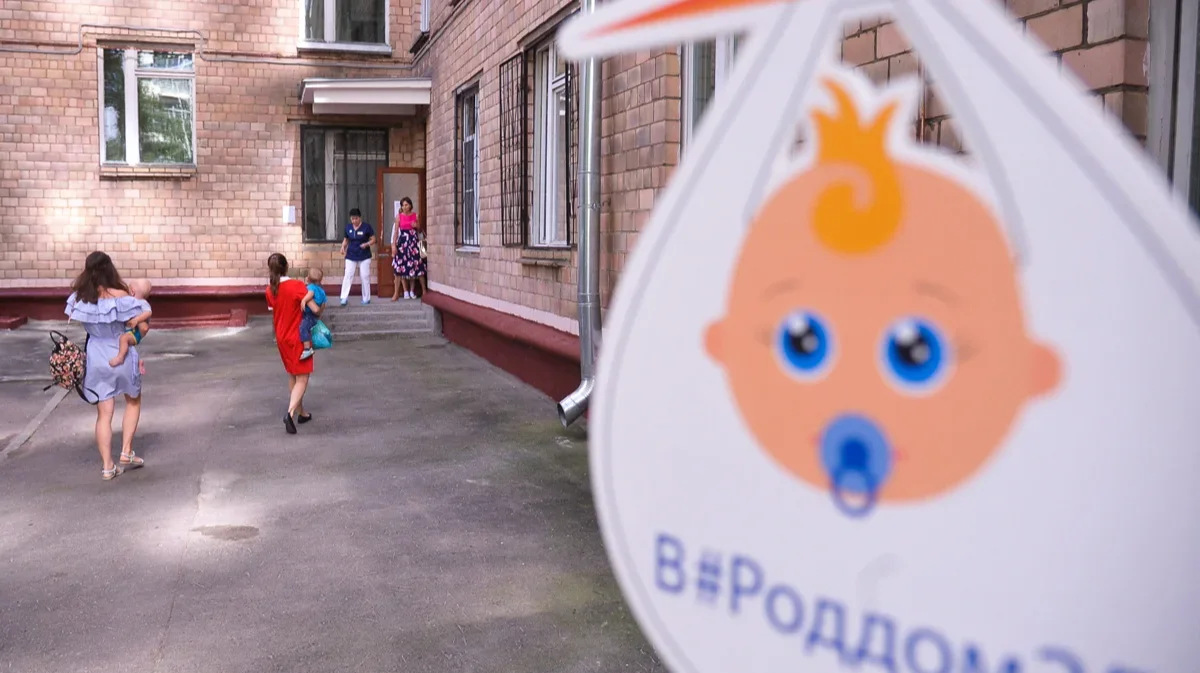
Yet people continue to take to the streets to solve non-political issues in the areas of housing and utilities, urban development and the environment.

Petitions and appeals to the authorities are a safe alternative to street protests.

“Although petitions aren’t direct action, they are currently the most readily available tool of pressure,” a former local councillor and teacher explains. “Of course, people would make a greater statement if they came out onto the streets. But that’s fairly unrealistic now.”

One expert calls this “petitioning the tsar”. People complaining to the authorities means they recognise their legitimacy. A member of PS Lab, an autonomous research group focusing on politics and society in Russia and post-Soviet regions, says that in autocracies, appeals and petitions remain one of the few legal and relatively safe ways for people to fight for their rights.

‘Ultra-patriots’ and communists

Before the war, Alexey Navalny’s Anti-Corruption Foundation (FBK) was the main instigator of protests in the country. The movement unleashed the largest protest of the 2010s. In January 2021, Russia declared the foundation extremist, meaning it was banned from taking part in elections or protests, and three years later Navalny died in a penal colony in the Arctic Circle.

Over the past three years, political parties and other movements have only organised 15% of protests.
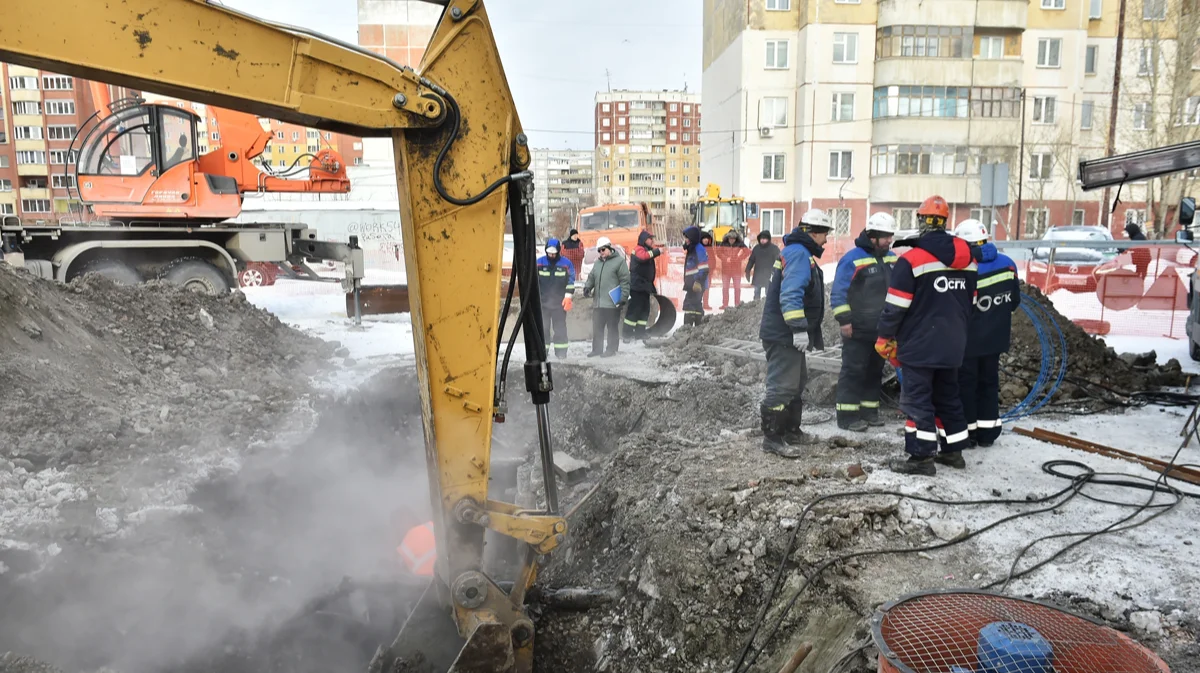
Mainstream political forces cannot now criticise Putin or the war, though parties such as the Communist Party and the Liberal Democratic Party can still speak out on local problems such as housing, utilities, education, healthcare and urban planning.

Ultra-patriotic sentiments are also much more noticeable in the regions. They form 6% of all protests. Their main mouthpiece is the National Liberation Movement (NLM), whose members petition for “emergency powers for Putin” or to “annul Gorbachev’s decisions”. They protest in support of the war and against “foreign agents”. They hand out their newspaper The National Course and call for nuclear weapons to be aimed at the US. In some cities, such as Irkutsk, NLM activists protest every week and are never detained.

But the vast majority of protests are organised and carried out by local people. Over the past three years, political parties and other movements have only organised 15% of protests.

Despite the weakness of Russian civil society, many non-political protests still succeed, even in wartime. Their resistance and local successes mean the regime has not yet completely depoliticised society. Collective action can never totally be stamped out, experts told Novaya Europe.

“Soviet society looked hopeless by the mid-1980s in the opinion of one sociologist. It was extremely demoralised, cynical, passive, atomised and drunk,” says Schulmann. “No one living at that time had ever witnessed an election offering an alternative choice. That said, as soon as the opportunity arose, in the first competitive elections to the Supreme Soviet in 1989, people actively got organised, demonstrated, campaigned, put themselves forward and voted. You cannot quell people’s political instincts. Those who can hang on until the next window of opportunity presents itself by maintaining contacts and organisational skills will be at a great advantage.”

With Alisa Gainsbourg, Artyom Kostylev and Masha Matveyeva

Поделиться
Темы