Russians have been reporting being locked out of the online government services portal Gosuslugi for up to 72 hours after logging in from abroad or while using a virtual private network (VPN), according to Telegram news channels Moscow News and Exploit.
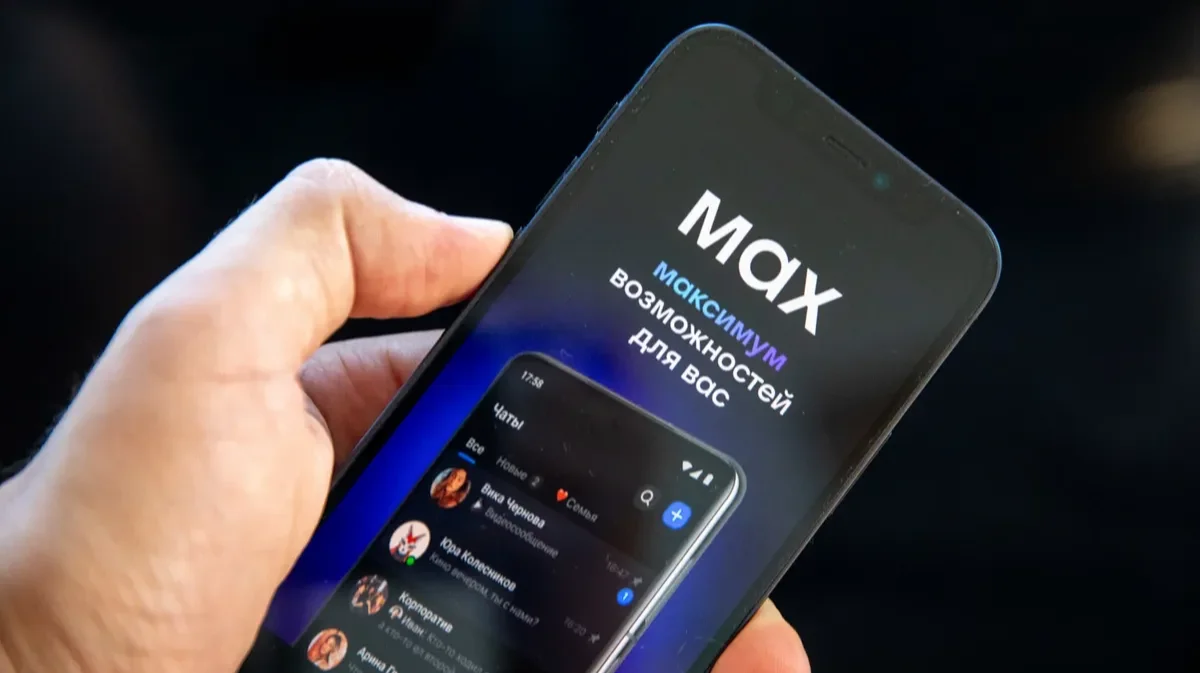
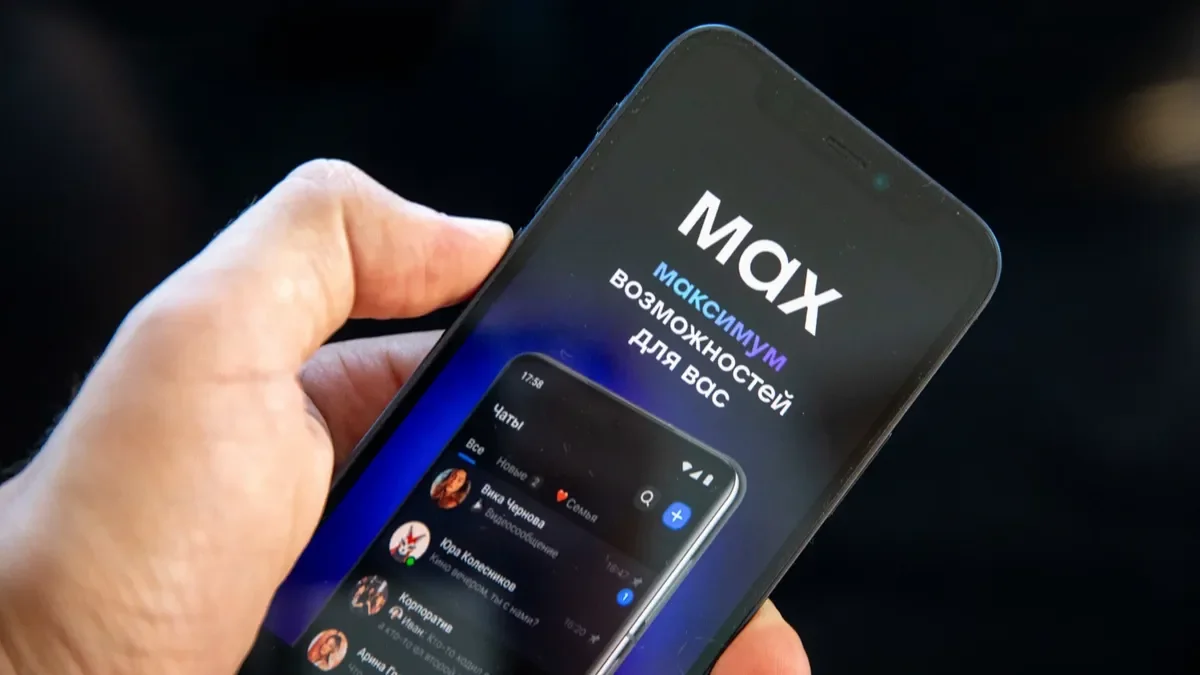
Both channels have reported that those affected are being advised to restore their access to Gosuslugi by registering through MAX, a state-backed messenger and “super app” that has been touted as a domestic alternative to foreign-owned platforms such as WhatsApp.
The suspensions, attributed to “suspicious login activity”, have left users unable to access essential online services, including booking medical appointments, paying taxes, and applying for benefits, unless they sign up via MAX.
The move comes amid growing institutional pressure to download MAX, despite concerns that the messenger could record users’ online activity and be made available to the authorities on request.
On Tuesday, Russia’s lower house of parliament, the State Duma, passed legislation to transfer all residential group chats to MAX in all regions of the country except Moscow, leaving tenants who refuse to install the app without access to information about the maintenance of their building.
The authorities have also been putting university students under pressure to download the messenger. On Thursday, the State Duma passed a bill that would make academic records only accessible via MAX and the Gosuslugi portal, the latter increasingly requiring users to confirm their identity via MAX.
The rollout of MAX coincided with restrictions on foreign-owned messaging apps in recent months. Calls on Telegram and WhatsApp were limited in August, while Apple’s FaceTime was fully blocked earlier this month.
State-affiliated daily Kommersant reported last week that although MAX’s audience had grown rapidly since its launch in March — reaching more than 28.7 million users across over 81,000 channels — user engagement remained low.
Nearly 75% of the platform’s channels are run by government bodies, Kommersant wrote, citing experts who suggested that many users subscribed out of obligation rather than interest.