Russia has almost returned to the pre-war imports level after a sharp decline in February. The EU has been substituted by China and the Eurasian Economic Union (EEU) countries, while the US has been replaced by Turkey.

However, the sanctions are still something to reckon with. At this point, the “friendly” countries are nowhere near providing the same supplies level of equipment, transport, and raw materials.

Russia’s Federal Customs Service classified the statistics on foreign trade after the Ukraine War started, so Novaya-Europe’s data department has collected statistics on 45 countries that are Russia’s biggest trading partners independently. Our graphs show how the country’s imports have changed.

Russia faced a massive drop in imports due to the start of the war and the sanctions. The decrease started as early as in February. In March 2022, imports dropped by about 40% compared to March 2021, and bottomed out in April, shrinking almost by half.

This drop can be compared to the crisis that happened in late 2014. It should be noted, however, that the 2014 imports collapse happened not so much because of the sanctions that followed the Crimea annexation, but mainly because of the fall in oil prices and the devaluation of the Russian ruble. The exchange rate of the US dollar doubled, roughly from 30 to 60 rubles back then. It virtually took six years for imports to reach the pre-annexation figures again.

What’s so bad about a drop in imports?
Normally, a sharp drop of imports happens in the times of crisis. People's income, and, consequently, demand decreases, which is usually followed by a collapse of imports. But this time the mechanism is different. Imports collapsed due to sanctions and the fact that many foreign companies were willing to leave the Russian market. Why is it so bad?


  • The lack of components and raw materials may lead to production shutdowns, bankruptcies, and rising unemployment. For example, AvtoVAZ, Russia’s automobile manufacturing giant, suspended production in April as it was not receiving enough components. Pharmaceutical companies faced challenges, too.

  • Logistics companies, ports, wholesalers, and retailers are in trouble.

  • This is a forced reduction in consumption. Russia is experiencing a shortage of automobiles and non-food goods, such as clothing, furniture, and sports items. People see no replacement for their favourite brands that have left Russia yet. The decline in demand affects trade, logistics, and money lending.

  • Manufacturing stops its development and modernisation.

First and foremost, this time the crisis was caused by sanctions and went hand in hand with the disruption of the existing logistical ties. That is why the predictions were dire during the first few months of the war. Experts spoke about the threat of goods shortage and suspensions of entire industries due to the lack of components. And they also recalled thrift shops and shuttle traders.

However, it was as early as in May when the imports started going up, and the supplies figures from the top-45 countries Russia had traded with turned out to be only 10.7% lower in August 2022 compared to August 2021, approximately on the same level as in 2019-2020.

The imports volume virtually recovered by October, Promsvyazbank’s analysts believe. According to their calculations based on VAT collections, the imports of goods and services were only 5% less in monetary terms in October than a year ago.

In total, only according to the data of the countries we researched, the imports decreased by 28%, or by $41 billion between March and September.

Russia’s new best friends

Exactly half of all goods imported to Russia in 2021 were supplied by the countries that are now declared “unfriendly,” namely the EU countries, the US, South Korea, and Japan. Some part of the goods was imported from Ukraine. The exports from these countries to Russia decreased more than by half after the war had started.

Our methodology
The exports from Belarus between July and September are also but an estimate as the country stopped publishing data on its exports to Russia starting from Q3,2022. Nevertheless, the official data indicates that Russia accounted for 90-91% of all Belarusian exports to the CIS countries between March and June. Therefore, we estimated the country’s exports to Russia as 90% of exports to the CIS countries between July and September.


We have collected data on imports of goods to Russia from 45 countries. These are member states of the European Union and Eurasian Economic Union, as well as all the countries that accounted for more than 0.5% of Russia’s imports in monetary terms in 2021, using stats by Russia’s Federal Customs Service. The two exclusions were Vietnam (1.67% of Russia’s imports in 2021) which only has stats up to July 2022 publicly available, and Uzbekistan (0.58%), the country that does not publish data on its exports by country. In total, the 45 countries we selected accounted for 89.7% of all Russia’s imports in 2021.


To get the estimated imports level starting from February 2022, we divided the total exports data from 48 countries by 0.897.

Russia used to be a logistics hub before the war, goods coming into the country and then being transported to the rest of the Union, but now it is the other way around.

Belarus has become actively involved in the grey import of vehicles and car parts from Europe to Russia. The imports of these commodities from the EU have almost doubled since the start of the war, and over 50% more tobacco and household chemicals are now being imported into Belarus. Unexpectedly, the country has even started to buy yachts and motorboats, Novaya-Europe has found out. The imports of those from the EU has rocketed almost fourfold and surpassed €2 million.

A true glut of sales of washing machines, refrigerators, and even electric breast pumps has been observed in Kazakhstan and Armenia. It is most likely that all those goods are eventually being transported to Russia.

“The growth of imports from the EEU is partly both about parallel and usual imports,” says economist Tatyana Mikhailova, a visiting senior lecturer at Pennsylvania State University. She also adds that it is currently quite challenging to objectively assess the total volume of parallel imports.

At the same time, it seems like a significant proportion of Russia’s trading partners have taken a wait-and-see approach. India, Indonesia, and Brazil reduced imports to Russia after the war had started, but not as drastically as the EU countries. Perhaps this happened due to difficulties with logistics and payments, and the level of imports from these countries will recover over time.

So, sanctions do not work?

It may seem, looking at the stats, that Russia has managed to cope with the sanctions and buys everything it needs using parallel imports. However, this is not quite true.

Russia’s enterprises and retailers are forced to change suppliers because of the war, which means rejecting the best offers there are in favour of less suitable ones, meaning more expenses and lower quality.

“Replacing old contractors with new ones is always expensive and inconvenient. Therefore, the recovery of imports in monetary terms does not mean a recovery in real terms. And, of course, it is completely impossible to replace some technologically complex supplies,” Tatyana Mikhailova explains.

Parallel imports made it possible to saturate the consumer market, Russia’s Deputy PM Andrey Belousov said. This is the way Russia imports household appliances, electronics, cars, car parts, dentistry and aesthetic medicine equipment.

The situation is worse when it comes to importing raw materials for the industry, such as chemicals, components, and textiles.

And finally, the most problematic sector is imports of investment goods, that is, equipment and machinery (in total, this was almost 20% of all imports in 2021).
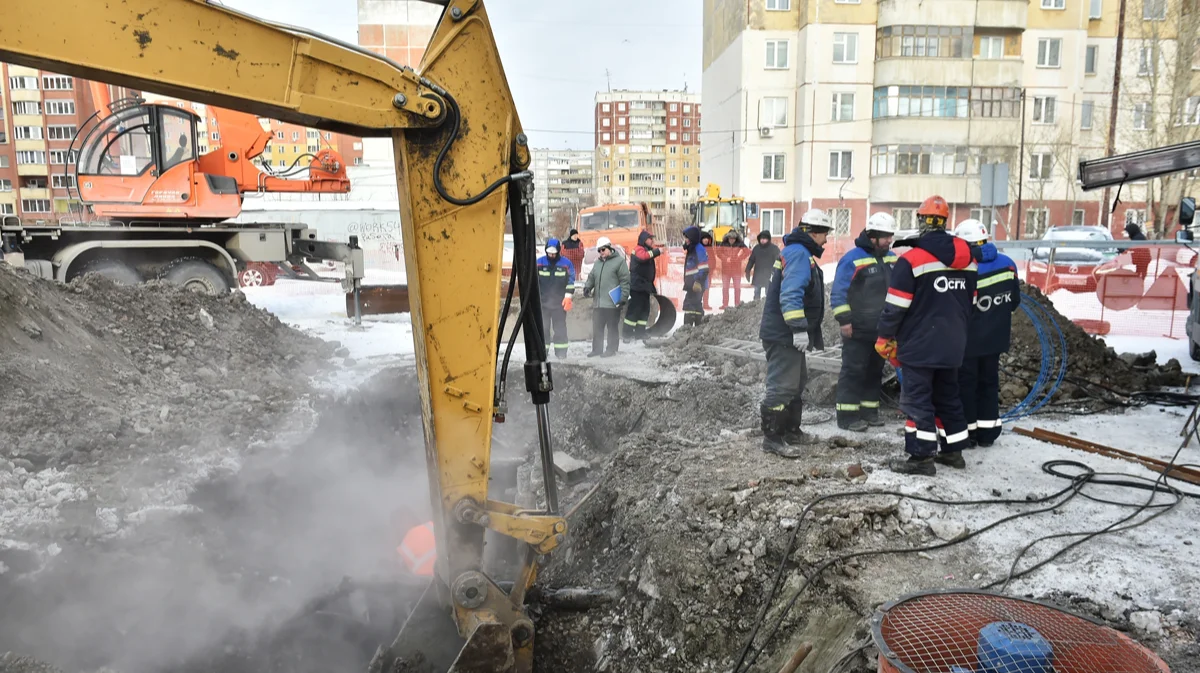
Russia is in short supply of parts for cars, planes, and trains, raw materials for the production of paper and packaging, as well as materials and equipment for the production of textiles, including yarn and dyes, Reuters wrote. The Ministry of Industry and Trade is trying to set up supplies of deficit goods from India.

“This is a terrible trend. The opportunities to develop and expand production have been undermined. The flooding of commodity markets with cheap foreign consumer goods is an additional negative factor for Russian manufacturers,” Telegram channel MMI wrote in November.

The US and Europe were the main suppliers of equipment for Russia prior to the war. And there is no replacement for them as of now.

It is the lack of access to modern technologies, such as equipment and spare parts for already purchased machinery that hits Russia’s economy the hardest. The sanctions have already led to its contraction. Russia’s Central Bank is expecting that the country’s GDP might decrease by 6,4-7,8% in Q4 2022 compared to 2021. The downfall will continue next year.

“The biggest problem is equipment replacement. This is why Russia’s technological degradation an absolutely certain prediction that cannot be disputed,” says Natalya Zubarevich, an economist.

Поделиться
Темы
Больше сюжетов
Больше четырех тысяч аварий произошли на российских энергообъектах в 2025 году

Больше четырех тысяч аварий произошли на российских энергообъектах в 2025 году

Причина каждого десятого отключения света – атака ВСУ, остальные – износ инфраструктуры. На ремонт денег нет
Плетут Путину — 3

Плетут Путину — 3

В новом созыве Европарламента стало больше депутатов, голосующих так, как выгодно Кремлю. Но этого всё еще не достаточно, чтобы изменить отношение ЕС к войне в Украине
Первая гибридная

Первая гибридная

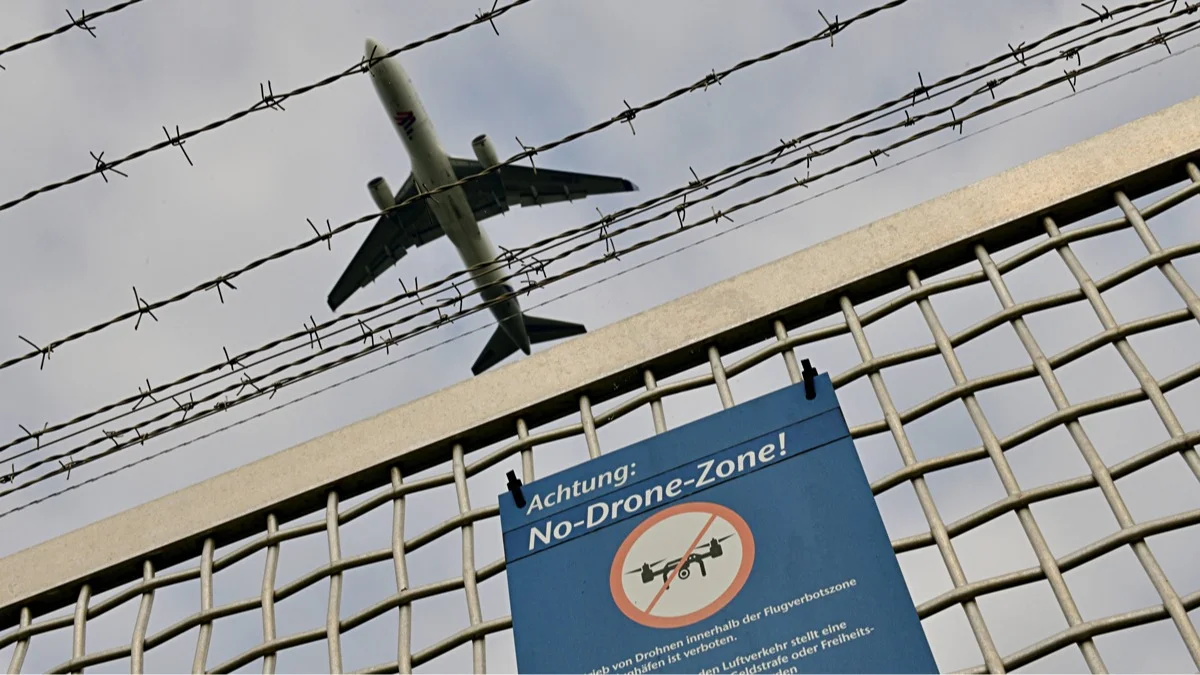
За последние месяцы в Европе произошло не менее 74 воздушных инцидентов, в которых подозревают Россию. Пострадали почти два десятка стран
Ротенберги, Ковальчуки, Патрушевы: главные бенефициары военной национализации

Ротенберги, Ковальчуки, Патрушевы: главные бенефициары военной национализации

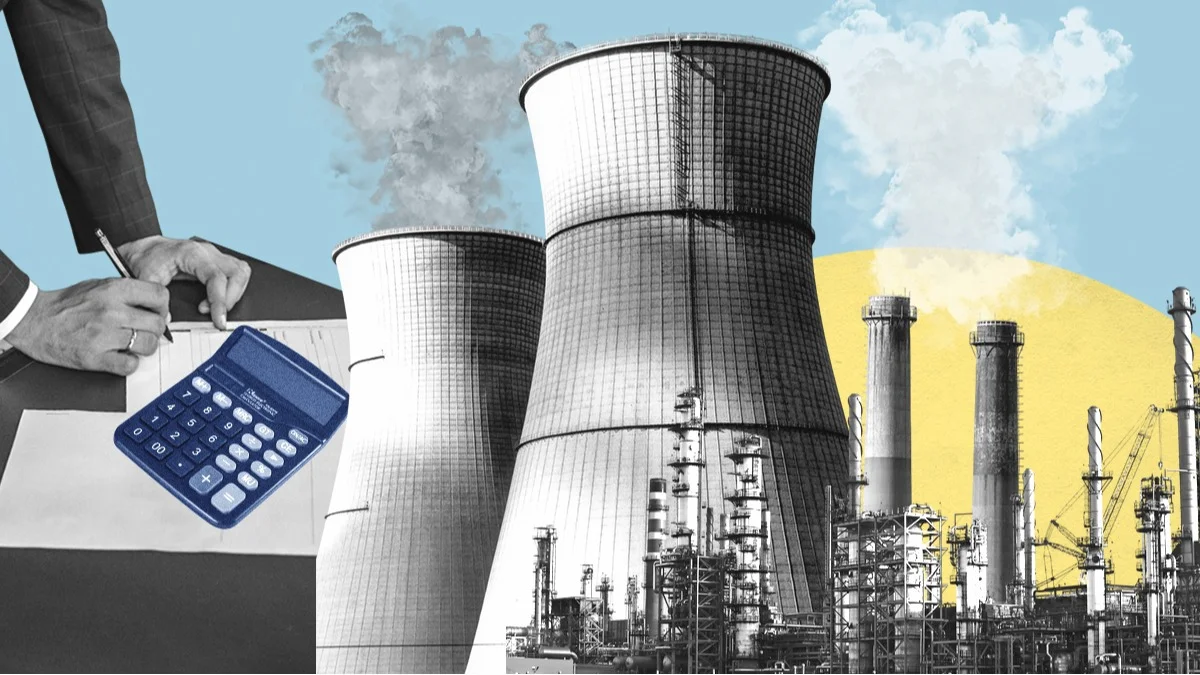
Частный бизнес, который отбирают с 2022 года, сейчас получают друзья Путина. В спину им дышит новая «элита СВО»
В список «террористов и экстремистов» попадает в среднем 300 человек в месяц

В список «террористов и экстремистов» попадает в среднем 300 человек в месяц

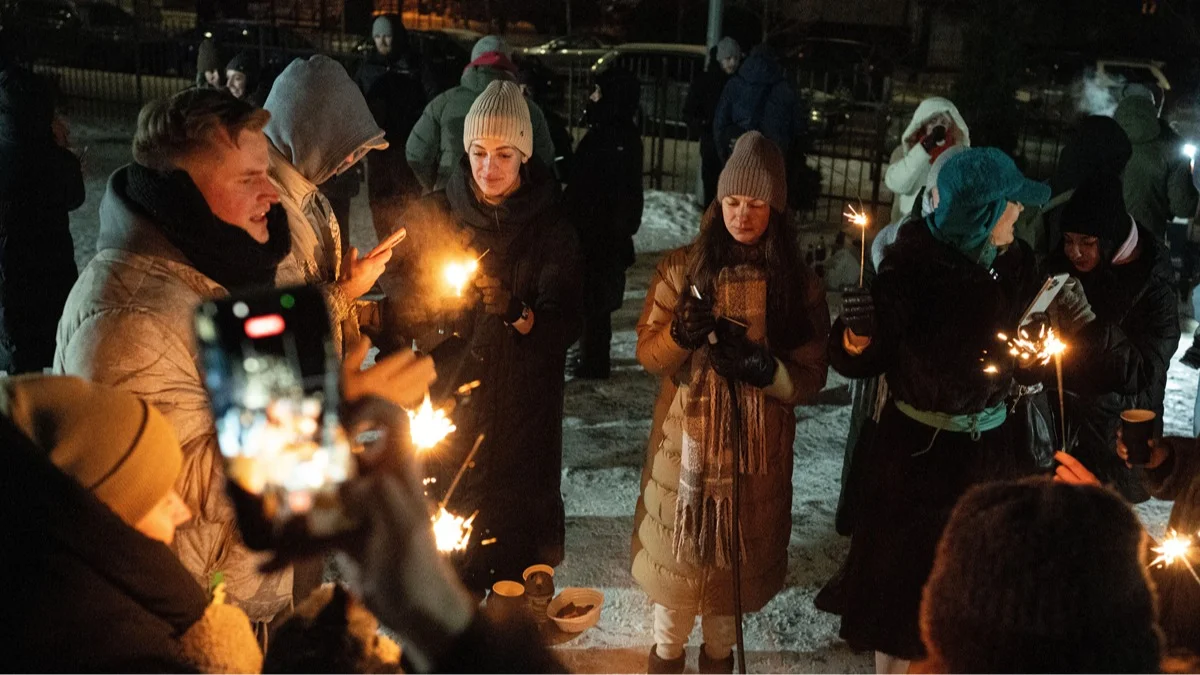
Каждый десятый из них — подросток

В 2025 году в России арестовано 155 высокопоставленных чиновников

В 2025 году в России арестовано 155 высокопоставленных чиновников

Это рекорд как минимум за последние десять лет

Пушки вместо коек

Пушки вместо коек

Что важно знать про новый российский бюджет? Объясняем на графиках

Нельзя выключить гимн

Нельзя выключить гимн

За 2025 год власти могут поставить рекорд по блокировкам музыкальных треков популярных исполнителей, посчитала «Новая-Европа»

Полные итоги похода «СВО-шников» во власть

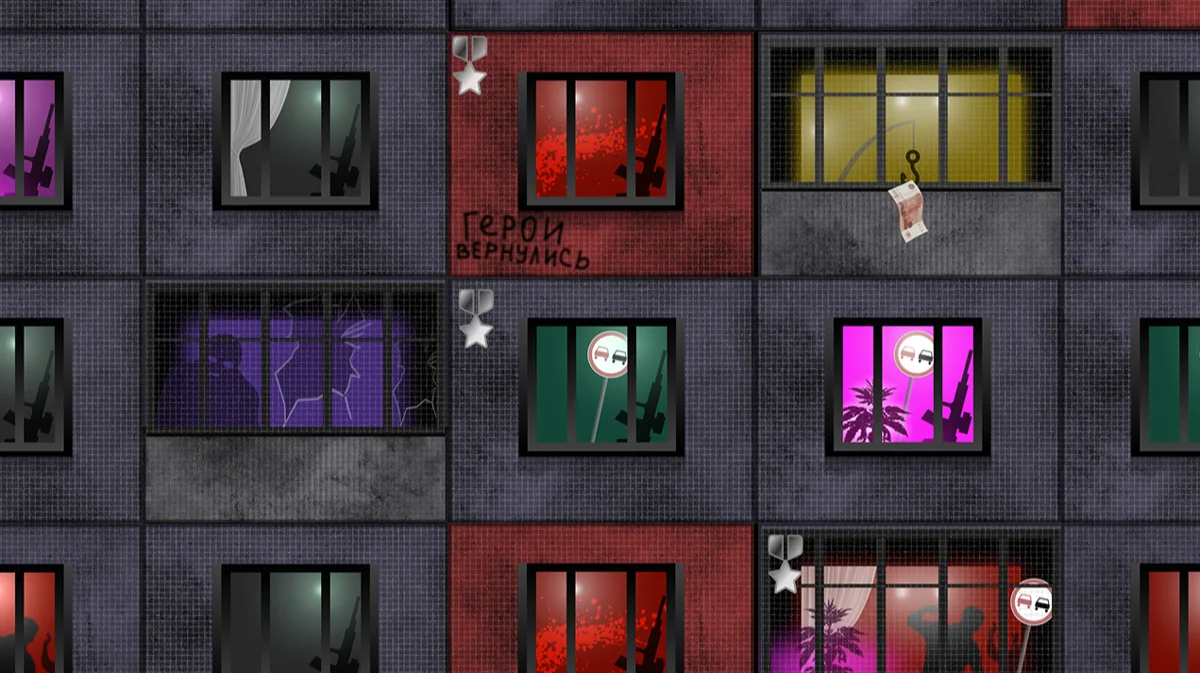
Полные итоги похода «СВО-шников» во власть

«Новая-Европа» подсчитала: участники войны получили на выборах не более 2,3% мандатов, а в муниципалитетах проиграли по популярности другим кандидатам