Russian courts have confiscated assets worth close to €25.6 billion from over 400 privately owned companies since the start of the war in Ukraine, research by Novaya Gazeta Europe and anti-corruption expert Ilya Shumanov has revealed.
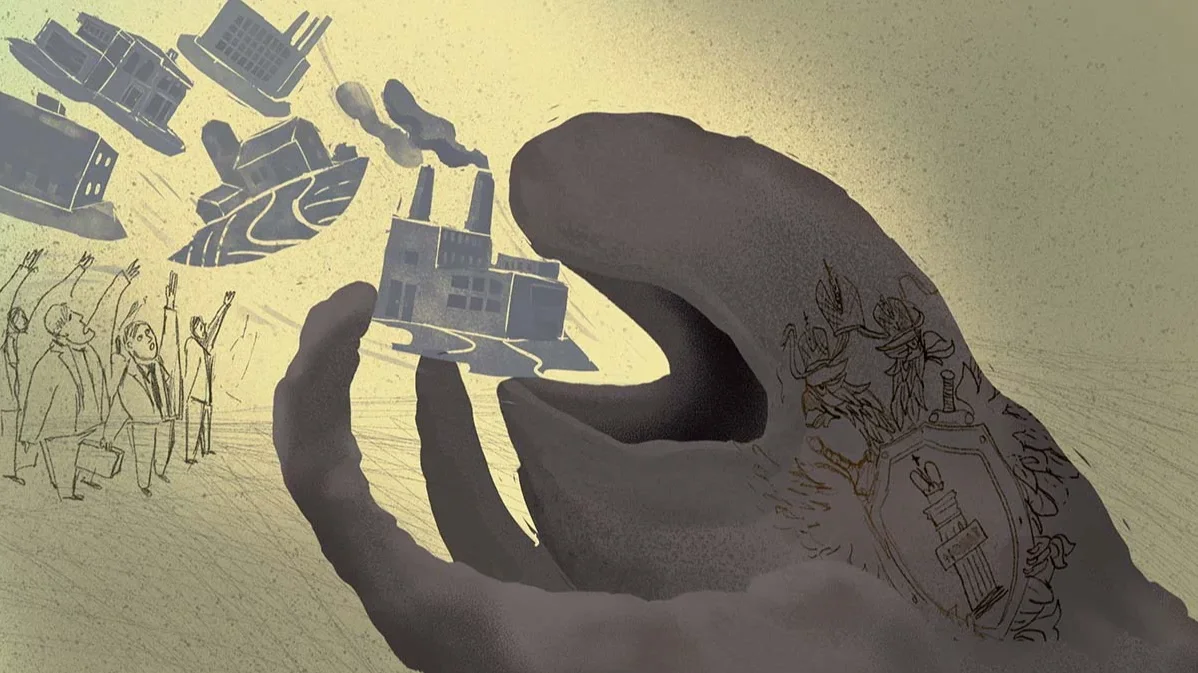
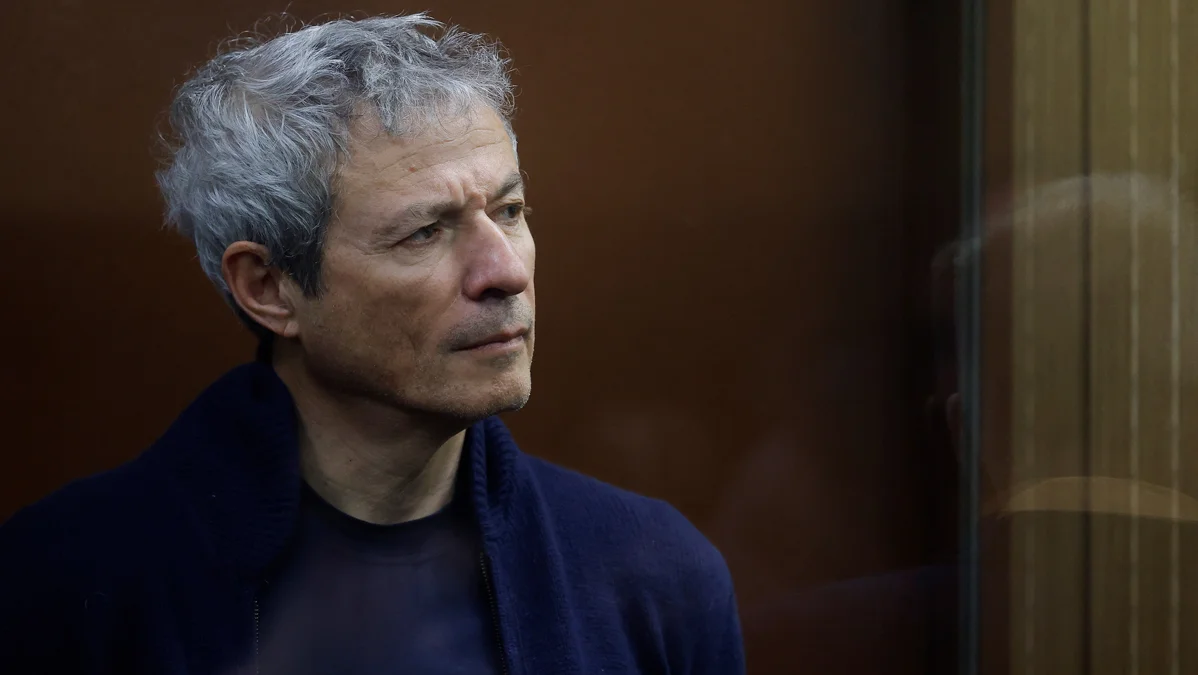
The pace of “asset redistribution” has also accelerated sharply in recent months, the investigation showed. While the total value of holdings seized in 2024 was 1.1 trillion rubles (€11 billion), Russian courts have already confiscated assets worth over 800 billion rubles (€8 billion) so far this year.

Seizing assets and redistributing them to regional power groups in exchange for loyalty is a reliable way for the Putin regime to further cement its hold on power, according to Elina Rybakova, a senior researcher at the Washington-based Peterson Institute for International Economics.

The value of confiscated assets since the war began amounts to about 2.56 trillion rubles (about €25.6 billion, at the average 2024 exchange rate) — four times the value of the 12 companies sold in the now notorious 1995 loans-for-shares schemes under Boris Yeltsin, something both the Kremlin and the opposition have criticised relentlessly.

The real value of the shares in Norilsk Nickel, Lukoil, Sibneft, YUKOS and other state-owned companies that were sold to Russian oligarchs at knock-down prices would be about $6.9 billion in today’s terms, factoring in inflation over the last 30 years.

This year, prosecutors also appear to have switched their focus from targeting expensive real estate and valuable land to going after food and beverage companies and major transport assets, the most valuable of which is Moscow’s Domodedovo Airport.

In recent months, the courts have also begun to target assets they’ve previously shown little interest in, such as the oil industry, with almost half of this year’s cases so far relating to petroleum products. Patents, chiefly for military inventions, have also become a target, as it’s far more convenient for the Defence Ministry simply to seize intellectual property rights rather than have to pay to use them.

As assets are now increasingly being seized even from people within Russia’s elite, it appears that nobody is untouchable these days either. The Prosecutor General’s Office is currently attempting to seize assets belonging to the former head of Rosneft Igor Sechin, as well as a senior manager at Gazprom, and old friends of Putin’s.

The business assets of Russians living abroad are of particular interest, with a third of all assets seized since 2022 being taken from Russian expatriates. So far this year, that proportion is even higher, with seven out of nine legal claims targeting Russians living abroad.

The courts are mostly finding strategic assets among this cohort, and living overseas is fast becoming the main official reason for an individual’s assets to be seized. Court decisions throughout 2024 and 2025 are peppered with the term “illegal possession” of a strategic object, which is then returned to the state on that basis.

War and fleece
читайте также

War and fleece

Amid the fog of war, the Kremlin is further redistributing Russia’s wealth among Putin’s inner circle

A large share of these assets have gone to companies belonging to the family of Putin’s old friends, Arkady and Boris Rotenberg. Other beneficiaries have included Russian Agricultural Bank, which was run in the 2010s by Dmitry Patrushev, the son of close Putin confidant Nikolay Patrushev, and Russian Fishery, which is owned by the son-in-law of Putin’s old friend Gennady Timchenko.

Given that the Russian economy is already suffering the consequences of war, sanctions, inflation and labour shortages, many analysts believe that the redistribution of military assets will only inflict further damage on Russian prospects for growth.

“State owners are always less effective than private ones. Economists are certain about that. This presages a downturn in terms of labour productivity,” Rybakova told Novaya Europe.

The regular seizure of privately held assets only hurts the economy, as long-term investment and development plans become unfeasible if business-owners can’t be certain that they will retain control of their companies.

“Any asset redistribution is good when done transparently, at market prices and for the sake of increasing efficiency. But in cases such as these we don’t know where the assets are going,” the head of a Russian analytical centre, who asked not to be named, told Novaya Europe. “They often go to competitors, in processes far-removed from market norms. This won’t lead to an increase in efficiency and productivity.”

Поделиться
Темы
Больше сюжетов
Больше четырех тысяч аварий произошли на российских энергообъектах в 2025 году

Больше четырех тысяч аварий произошли на российских энергообъектах в 2025 году

Причина каждого десятого отключения света – атака ВСУ, остальные – износ инфраструктуры. На ремонт денег нет
Плетут Путину — 3

Плетут Путину — 3

В новом созыве Европарламента стало больше депутатов, голосующих так, как выгодно Кремлю. Но этого всё еще не достаточно, чтобы изменить отношение ЕС к войне в Украине
Первая гибридная

Первая гибридная

За последние месяцы в Европе произошло не менее 74 воздушных инцидентов, в которых подозревают Россию. Пострадали почти два десятка стран
Ротенберги, Ковальчуки, Патрушевы: главные бенефициары военной национализации

Ротенберги, Ковальчуки, Патрушевы: главные бенефициары военной национализации

Частный бизнес, который отбирают с 2022 года, сейчас получают друзья Путина. В спину им дышит новая «элита СВО»
В список «террористов и экстремистов» попадает в среднем 300 человек в месяц

В список «террористов и экстремистов» попадает в среднем 300 человек в месяц

Каждый десятый из них — подросток

В 2025 году в России арестовано 155 высокопоставленных чиновников

В 2025 году в России арестовано 155 высокопоставленных чиновников

Это рекорд как минимум за последние десять лет

Пушки вместо коек

Пушки вместо коек

Что важно знать про новый российский бюджет? Объясняем на графиках

Нельзя выключить гимн

Нельзя выключить гимн

За 2025 год власти могут поставить рекорд по блокировкам музыкальных треков популярных исполнителей, посчитала «Новая-Европа»

Полные итоги похода «СВО-шников» во власть

Полные итоги похода «СВО-шников» во власть

«Новая-Европа» подсчитала: участники войны получили на выборах не более 2,3% мандатов, а в муниципалитетах проиграли по популярности другим кандидатам