‘How to reduce the power of a petrostate? Get off fossil fuels as quickly as we can’
One of the main lessons from the war in Ukraine is that the world needs to finally ‘go green’, climate justice expert Naomi Klein says
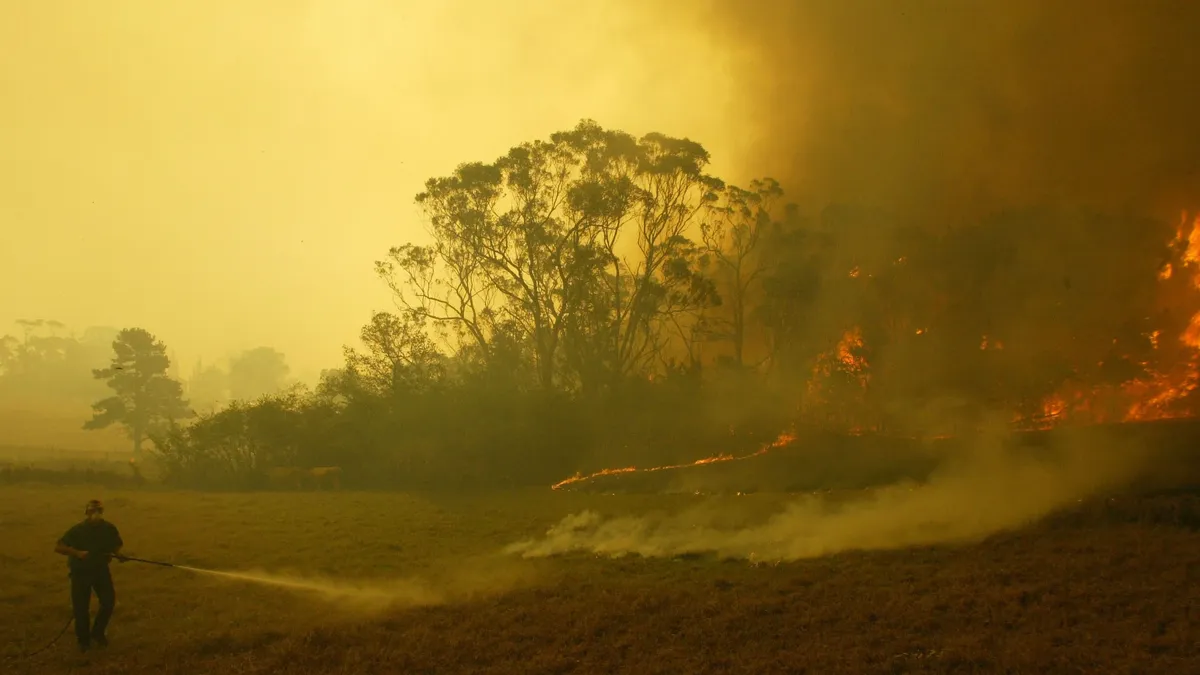
Oil, like other fossil resources, often causes violence and wars. In 2003, the US started a war in Iraq, according to some, seeking to gain control of the oil fields. Twenty years later, Russia launched a full-scale invasion of Ukraine, financing it with money from oil and gas exports.
Much has changed in the past year. European countries have virtually refused to buy oil and gas from Russia and have urgently started looking for alternatives. This is a good chance not only to stop financing aggressive petrostates, but also to limit the irreparable damage to the environment caused by burning fossil fuels.
But will the world face a full-fledged energy transition — or will we simply replace some hydrocarbons with others? And is it a good time to think about a “green economy” while a war is going on? That’s what we discussed with Naomi Klein, Professor of Climate Justice at the University of British Columbia and author of ‘This Changes Everything’ and ‘The Shock Doctrine’.
But I do think that Washington’s policies and its duplicity in this period helped put Russia on the front of a very, very dangerous and damaging path.
But climate disruption is intimately connected to wealth and overconsumption. It is overwhelmingly the wealthiest 10% that is responsible for this crisis.
Nowadays it’s almost unthinkable to expect the ‘Davos class’ to have to follow the same rules as everyone else. So long as that’s true, of course, people should not accept the idea that they have to solve the climate crisis themselves.
Climate justice is not a luxury. If we don’t do this in a fair way, it won’t be done at all.
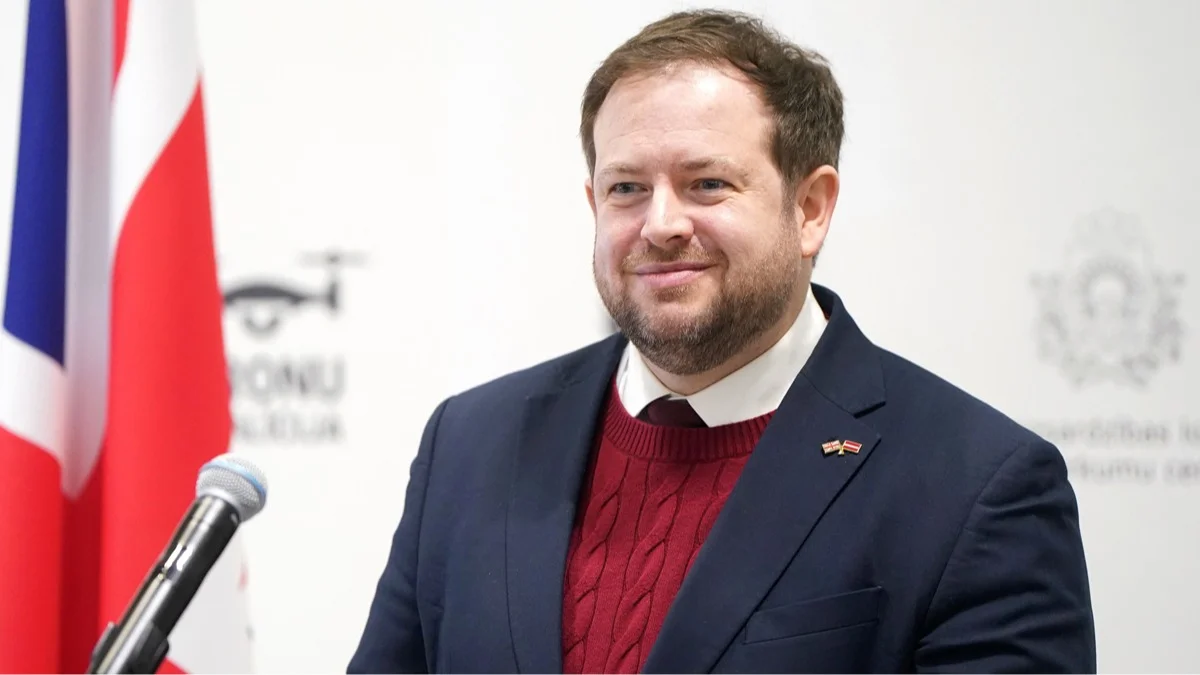
«Наши разногласия — не с российским народом, а с Путиным»
Министр Великобритании по делам Европы — о войне, гибридных угрозах и будущем отношений с Россией. Интервью «Новой-Европа»
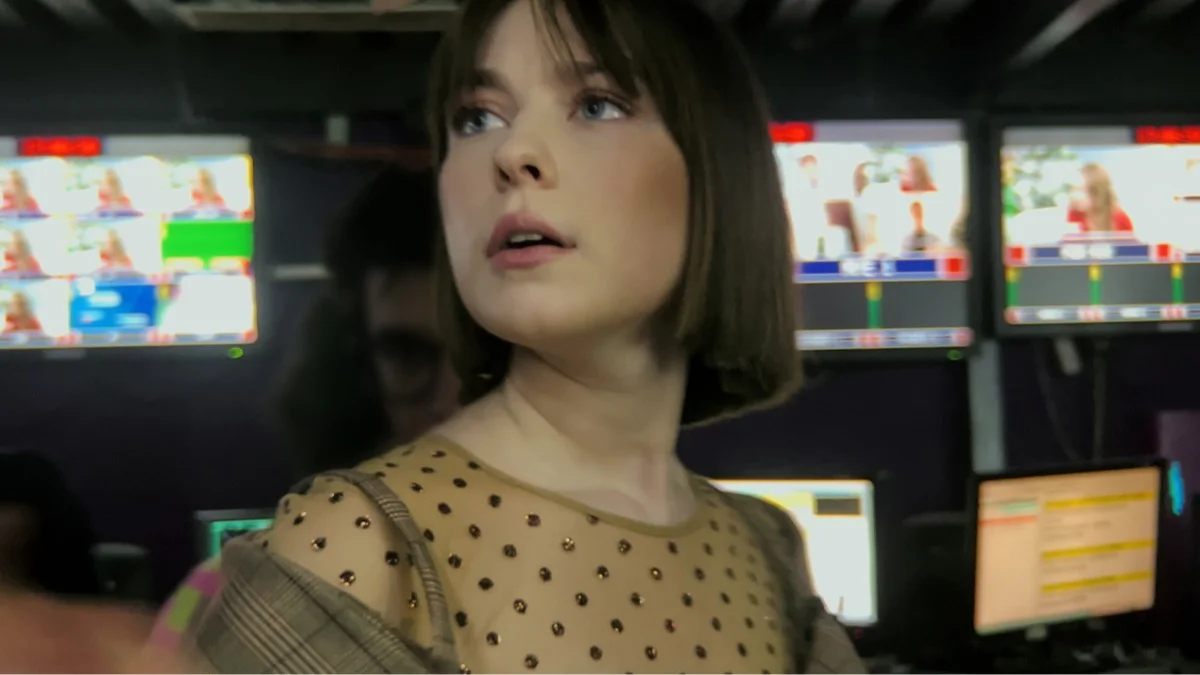
«Американские зрители считают, что это фильм про них»
Режиссер Джулия Локтев о своем фильме «Мои нежелательные друзья — Последний воздух в Москве» о журналистках-«иноагентах» и номинации «Оскар»
«В акциях участвуют и те, на кого режим вчера опирался»
Востоковед Руслан Сулейманов — о протестах в Иране, слабых местах власти и шансах оппозиции на перемены
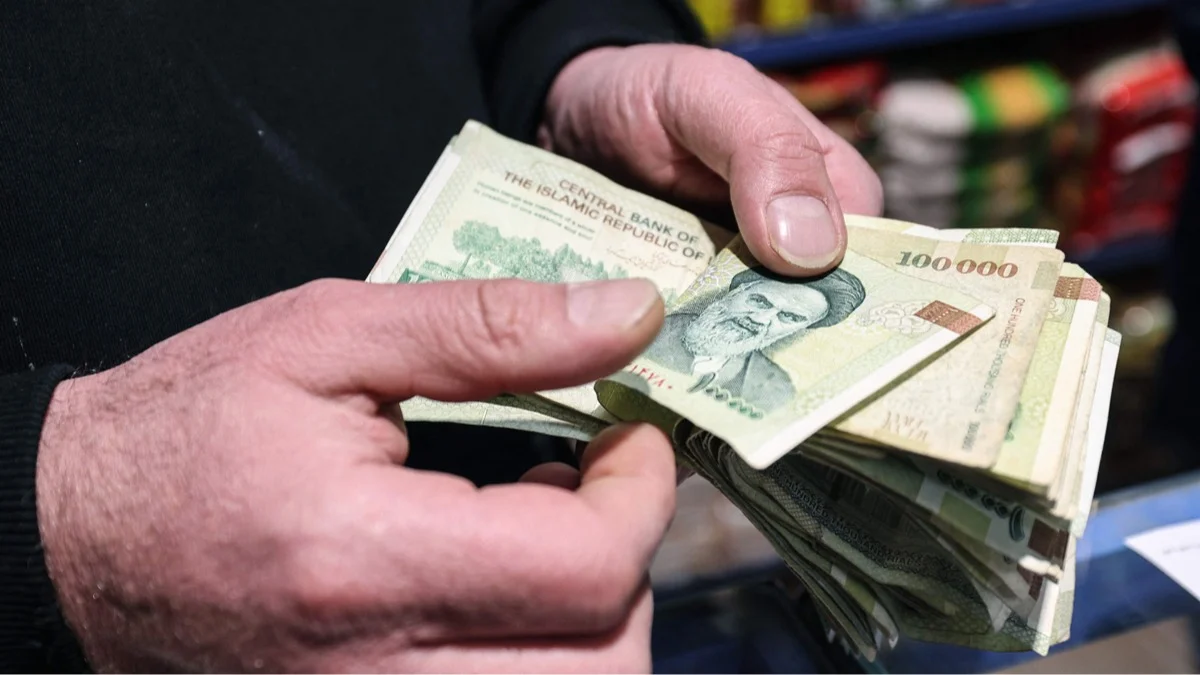
«Аятоллы платят иранцам в месяц по семь долларов, а боевикам “Хизбаллы” — по 1800. И вы хотите, чтобы не было революции?»
Отдадут ли аятоллы власть в Иране. Объясняет востоковед Михаил Бородкин
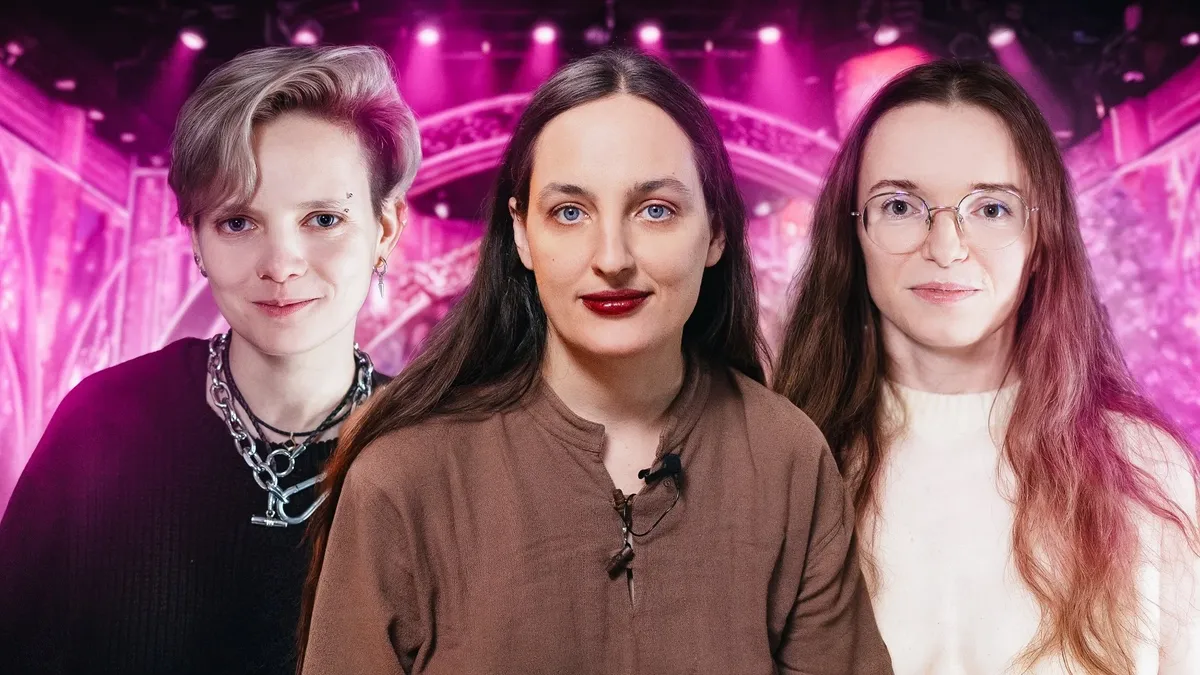
«Спасибо людям, которые решили думать иначе»
«Новая-Европа»поговорила с журналисткой Еленой Костюченко и ее женой Яной Кучиной, которая помогает людям с ДЦП
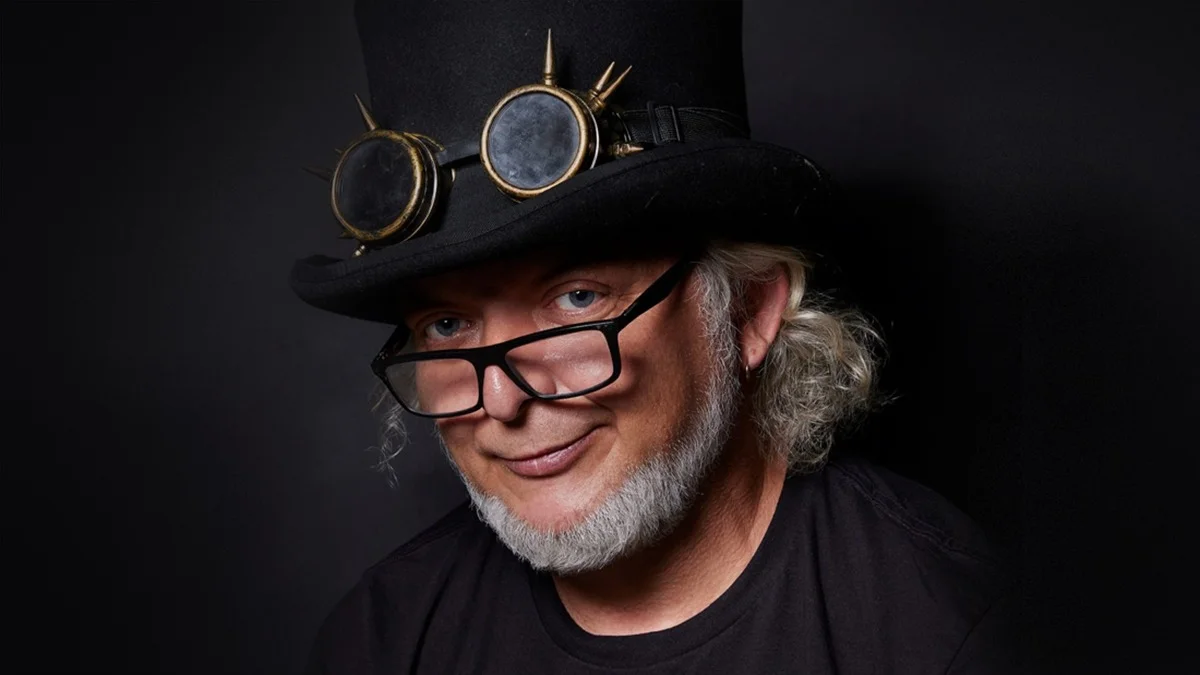
«Когда все диктаторы сдохнут»
Автор «Масяни» Олег Куваев — о том, как мы будем работать и жить с нейросетями в будущем
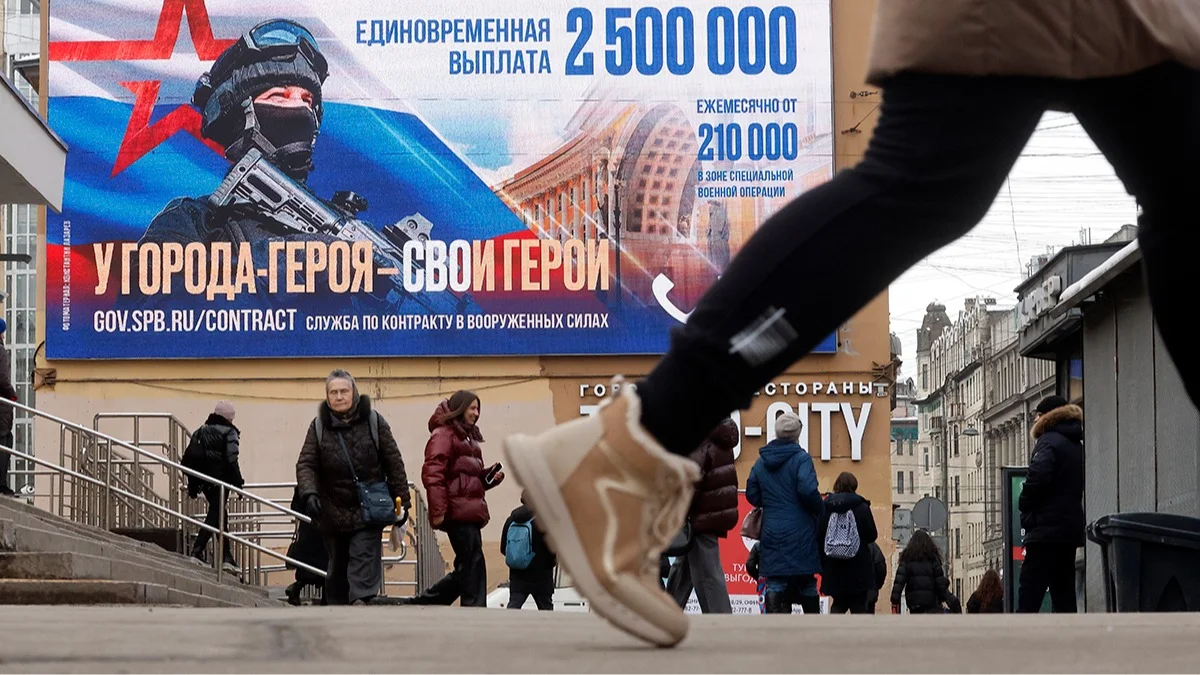
«Мы за Путина, только он может закончить войну»
Что думают россияне об «СВО» на четвертый год войны? Объясняет социолог Олег Журавлев

«Той Европы больше нет, она не вернется»
Алекс Юсупов — о том, каким стал Евросоюз и как ему дальше жить на одном континенте с Россией
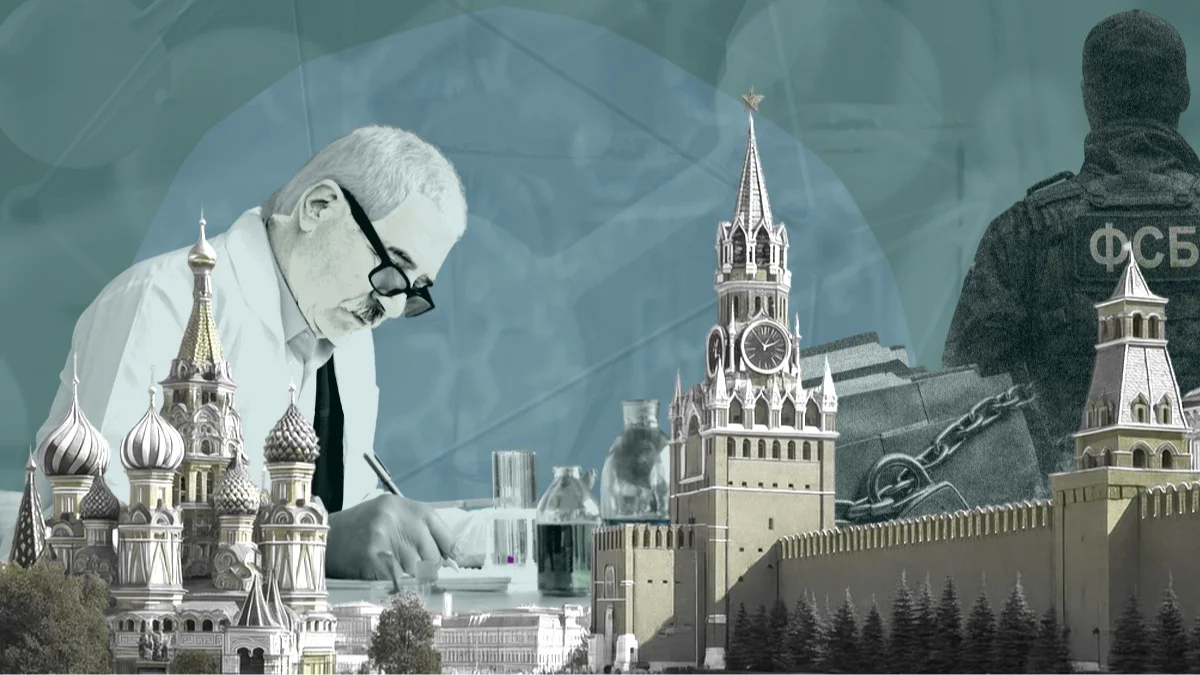
«У спецслужб есть удивительные конспирологические идеи»
Физик Андрей Цатурян — об обязательном согласовании контактов с иностранными учеными в ФСБ