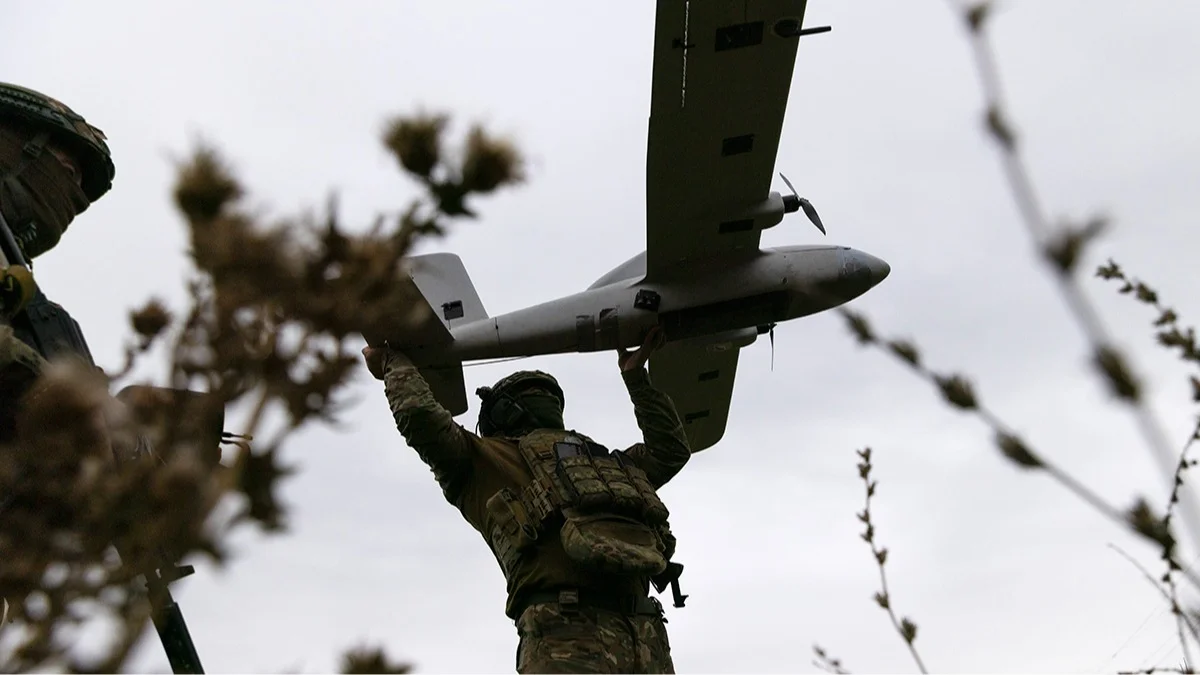
A year ago, the Russian authorities announced mobilisation. This was a turning point in the invasion of Ukraine: the war came out of the television and into Russians’ homes. Soon, many soldiers began returning from the front — in zinc coffins. The relatives of the dead, who began to ask awkward questions, were told to keep silent and be content with “death compensation” payments. Even the “Immortal Regiment”, Russia’s largest annual event honouring the memory of its war dead, was cancelled.

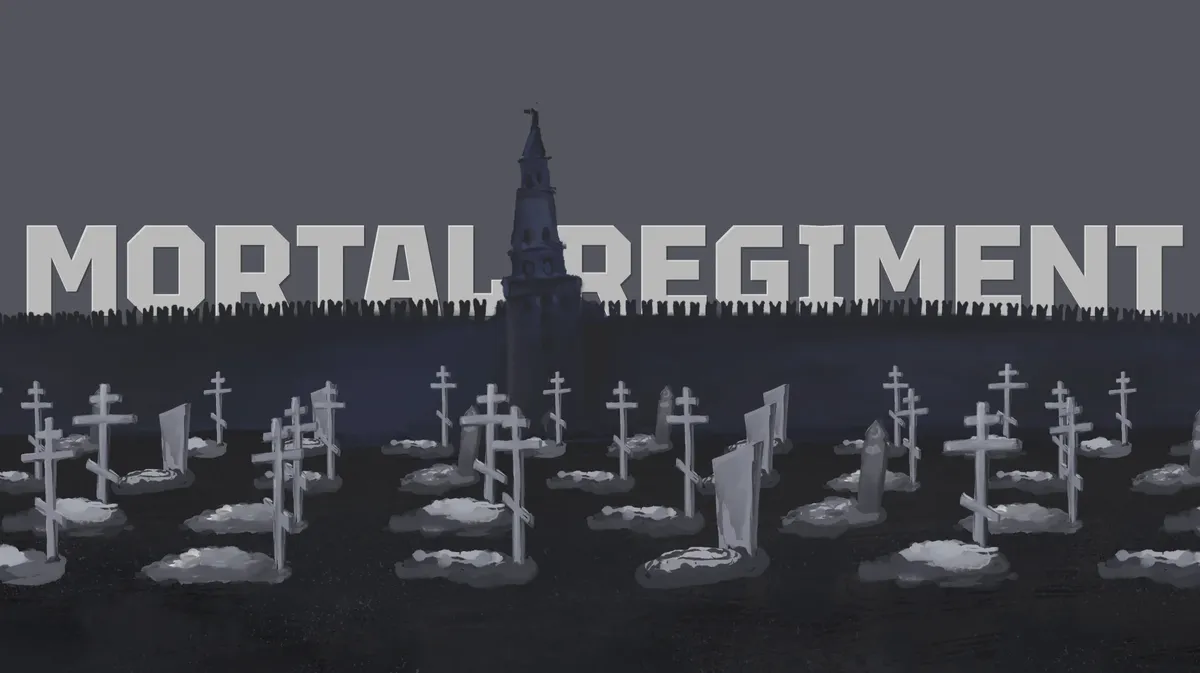
Our special project “Mortal Regiment” has collected the stories of 500 Russians killed in the war in Ukraine and the families they’ve left behind who have been deprived even of the right to mourn. By the scale of its human losses, this war has already overtaken the combined total of all of Russia’s other conflicts since World War II.

Roman Lyadov, 46, from the Nizhny Novgorod region, was a veteran of the Chechen war who was drafted into an assault regiment two months before his death. He was killed in Ukraine in August 2022. His 23-year-old son, Kirill Lyadov, a professional soldier, died in Ukraine two months later.

Alexander Lyakhov was mobilised from the Krasnoyarsk region on 22 September 2022. He is survived by his wife, his 10-year-old daughter and his three-year-old son. Being asked by her grandson every day when his daddy will come back is “unbearable,” says Alexander’s mother through tears.

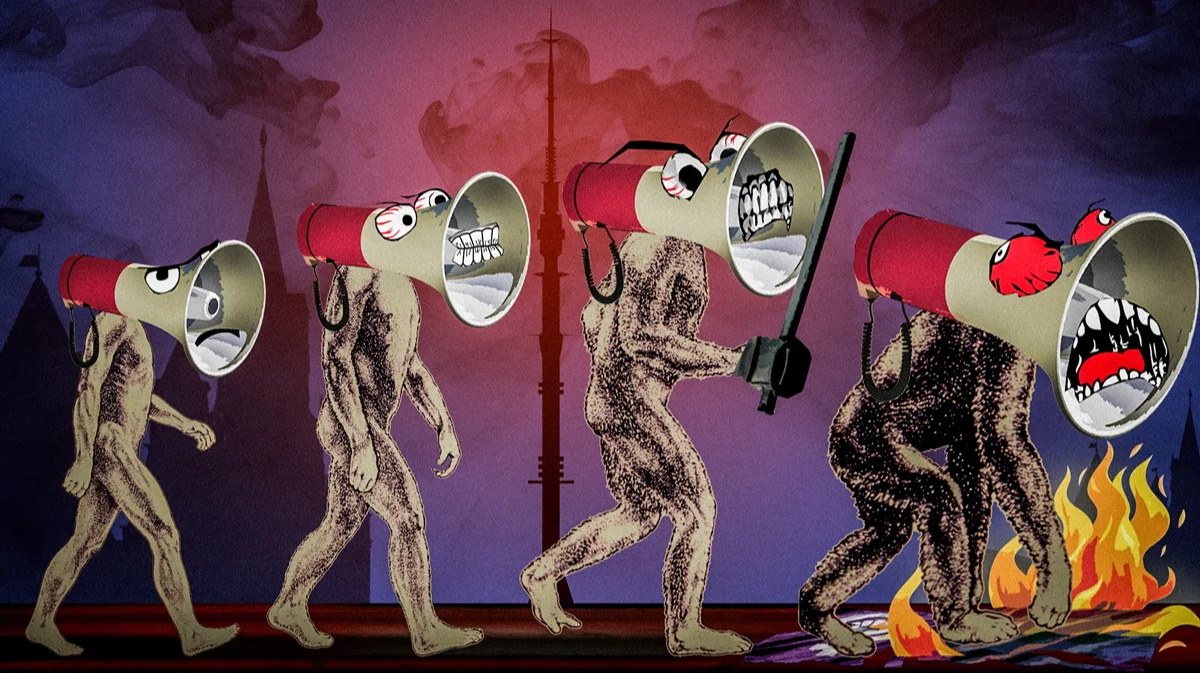
The Kremlin has nurtured its militarist “cult of victory” for years, and when the right moment came, it sent tens of thousands of Russian soldiers to die in a foreign country.

Alexander Baturin, 25, from Bashkortostan, died near Luhansk. After his death, his relatives learned that the remains they had been told were Baturin’s actually belonged to someone else. His mother is continuing to search for him, but has now given up hope she might find him alive.

Maxim Prosvirkin, 33, from Novosibirsk, was recruited by the Wagner Group from prison. His mother Yevgenia recalls that Maxim joined the mercenaries in November 2022, “hoping for a better life”. On 29 May, when Maxim was due to return home, Yevgenia received news of his death. She was asked to identify the body, but it was unrecognisable. Maxim’s mother now believes the body may not even be her son’s. The coffin was sealed and smelled strongly of a body. Yevgenia’s request for an autopsy and a DNA test were turned down. She feels helpless in her search for answers.

Russia’s losses in the war are not just kept silent, they are shamefully concealed: it takes months for bodies to be released by the military, funerals are ignored by the media, and the authorities continue their pretence that the war is going according to plan. By calling upon its citizens to “defend the homeland” in a foreign country, the state has deprived them of even the right to mourn their dead.

The army has refused to engage with soldiers’ mothers, who face prosecution for “discrediting the armed forces”, being denounced and sometimes even being branded “foreign agents” if they decided to speak out.
The war’s ideologues will have their own response to the accusations that soldiers’ deaths have been hushed up, and will no doubt point to the memorial plaques on buildings, so-called “hero desks” in schools devoted to the loss of an individual soldier in Ukraine, statues and renamed streets — all of which can be found in any Russian town. Death can be converted into patriotic memory quite effectively, especially if familial grief is ignored.

But as time passes, the propaganda narrative will inevitably be displaced by reality. The longer the war continues, the more people will ask: why was this all necessary?

Поделиться
Темы
Больше сюжетов
Больше четырех тысяч аварий произошли на российских энергообъектах в 2025 году

Больше четырех тысяч аварий произошли на российских энергообъектах в 2025 году

Причина каждого десятого отключения света – атака ВСУ, остальные – износ инфраструктуры. На ремонт денег нет
Плетут Путину — 3

Плетут Путину — 3

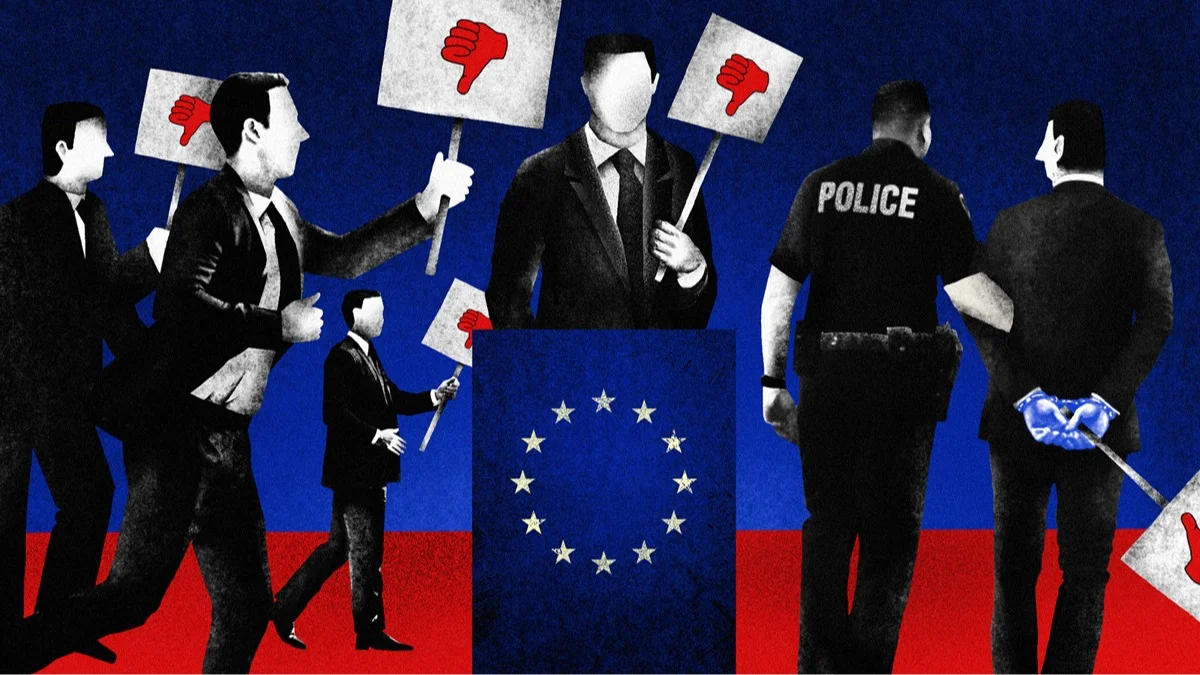
В новом созыве Европарламента стало больше депутатов, голосующих так, как выгодно Кремлю. Но этого всё еще не достаточно, чтобы изменить отношение ЕС к войне в Украине
Первая гибридная

Первая гибридная

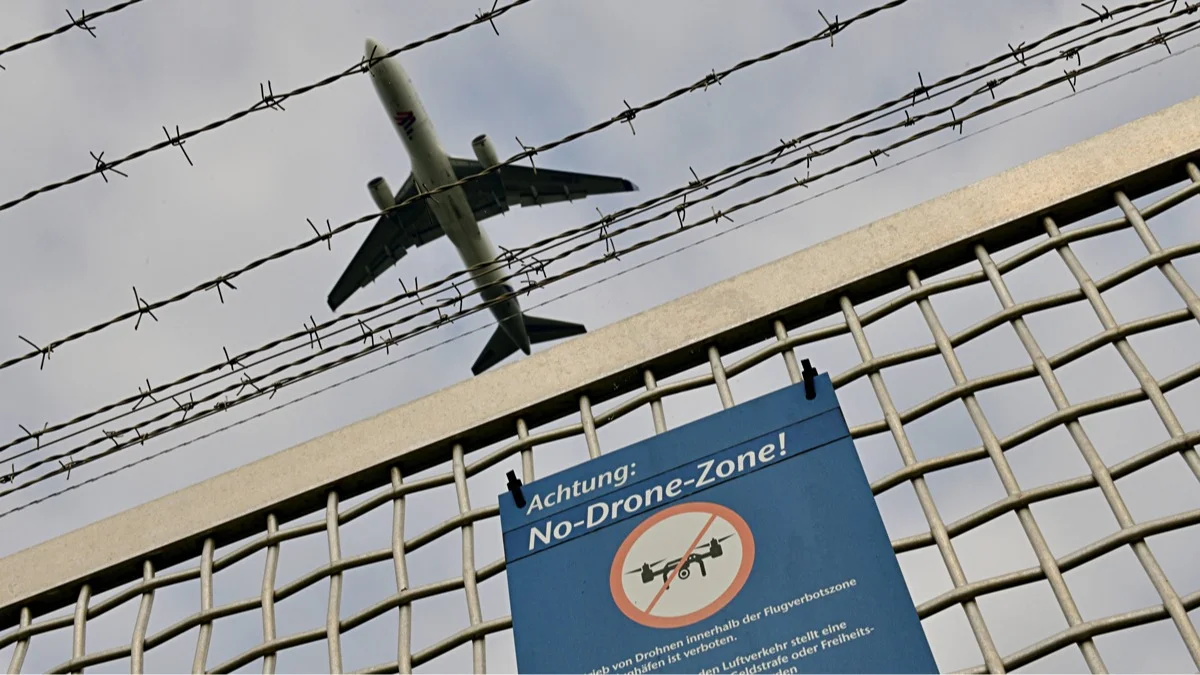
За последние месяцы в Европе произошло не менее 74 воздушных инцидентов, в которых подозревают Россию. Пострадали почти два десятка стран

Ротенберги, Ковальчуки, Патрушевы: главные бенефициары военной национализации

Ротенберги, Ковальчуки, Патрушевы: главные бенефициары военной национализации

Частный бизнес, который отбирают с 2022 года, сейчас получают друзья Путина. В спину им дышит новая «элита СВО»
В список «террористов и экстремистов» попадает в среднем 300 человек в месяц

В список «террористов и экстремистов» попадает в среднем 300 человек в месяц

Каждый десятый из них — подросток

В 2025 году в России арестовано 155 высокопоставленных чиновников

В 2025 году в России арестовано 155 высокопоставленных чиновников

Это рекорд как минимум за последние десять лет

Пушки вместо коек

Пушки вместо коек

Что важно знать про новый российский бюджет? Объясняем на графиках

Нельзя выключить гимн

Нельзя выключить гимн

За 2025 год власти могут поставить рекорд по блокировкам музыкальных треков популярных исполнителей, посчитала «Новая-Европа»

Полные итоги похода «СВО-шников» во власть

Полные итоги похода «СВО-шников» во власть

«Новая-Европа» подсчитала: участники войны получили на выборах не более 2,3% мандатов, а в муниципалитетах проиграли по популярности другим кандидатам