
Investigation reveals Kadyrov associates granted humanitarian visas by Germany
Новая газета Европа17 декабря 2025

Подробнее по теме
Политика
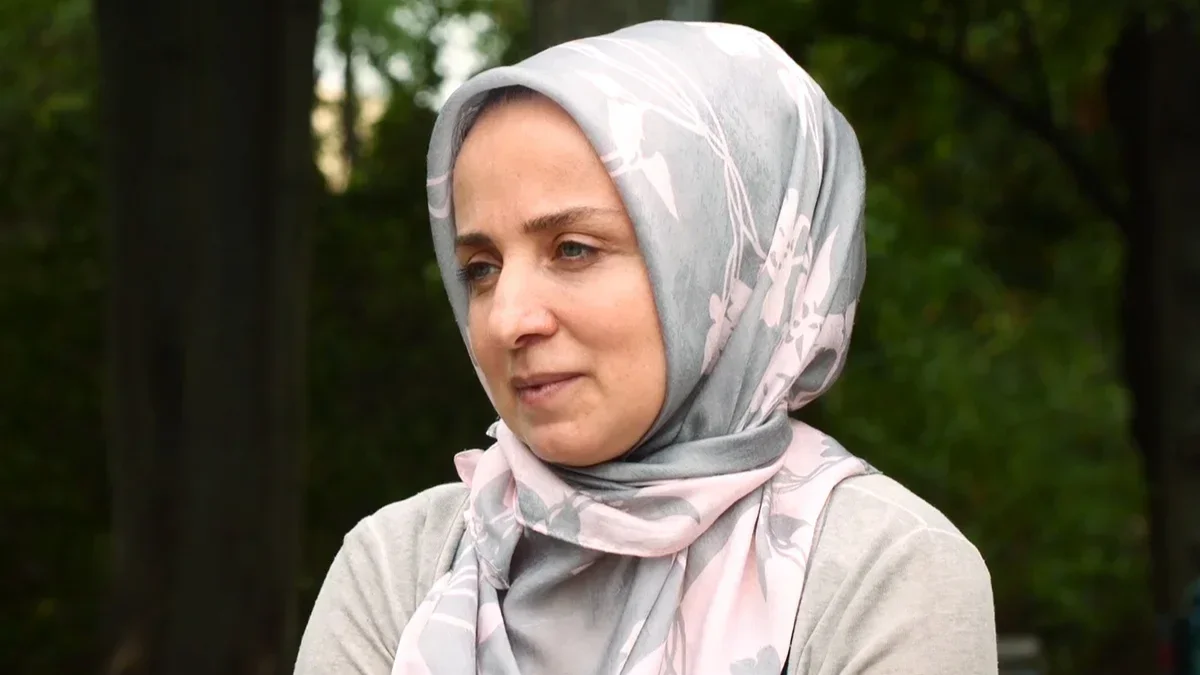
Widow’s pique
Following the release of her husband’s killer in last week’s prisoner exchange, Manana Tsiatieva speaks out
Темы
Другие статьи автора
Дело Долиной: квартиру оставили покупательнице Полине Лурье Решение Верховного суда определяет, как будут решаться похожие спорыАдвокат Мария Бонцлер перестала выходить на прогулки в СИЗО после падения с лестницы. Ей по-прежнему не оказывают медицинскую помощь «Крылья вырастают, когда есть те, кто может помочь» «Вывожук» прекратил эвакуировать преследуемых россиян. Мы поговорили с теми, кого успели спастиБольше новостей
Выбор читателей
Самые популярные материалы за неделю 10–17 декабря
Статьи
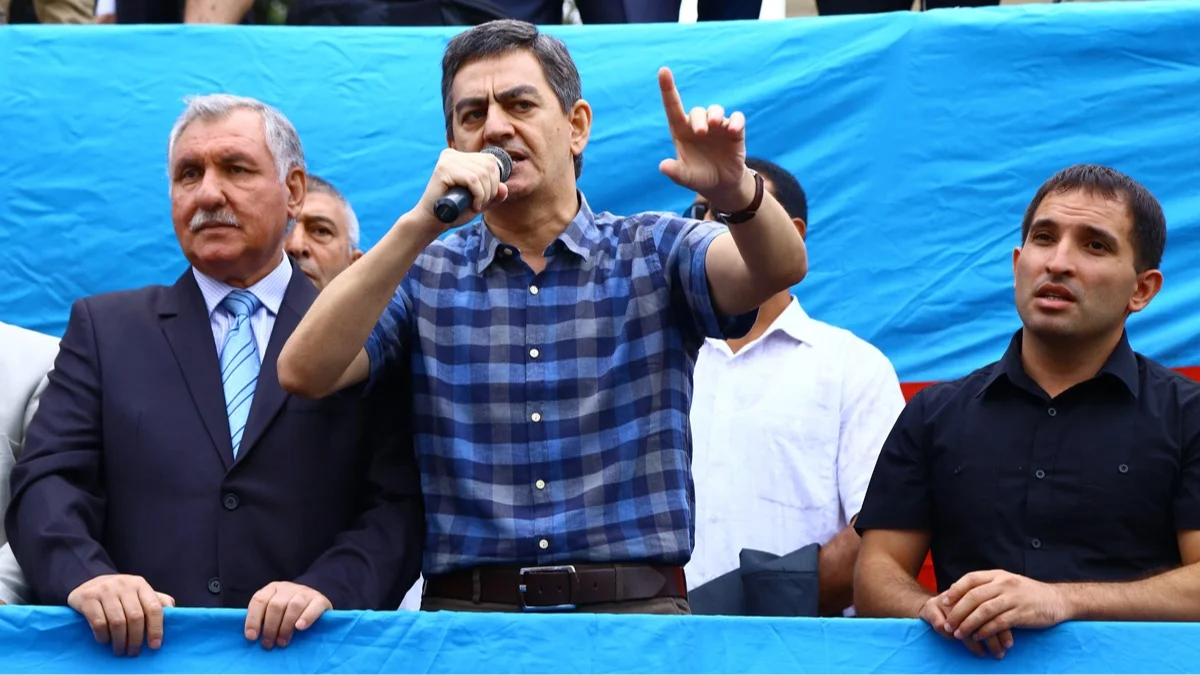
Власти Азербайджана зачищают Фронт
Лидера оппозиции обвиняют в причастности к заговору с целью свержения Ильхама Алиева. Правозащитники говорят о кампании по подавлению инакомыслия
Роман Черников
6 декабря 2025
Статьи
Фантомная боль российского зрителя
Триллер «Годовщина» Яна Комасы тихо и скромно прошел в мировом прокате, но неожиданно поднял волну обсуждений в русскоязычных соцсетях
Ирина Карпова
15 декабря 2025
Статьи
«Вежливые люди» захватывают Финляндию
Сериал «Конфликт» о повторении крымского сценария вышел в России. В версии с цензурой нет упоминания армии РФ
Ирина Карпова
7 декабря 2025